The global market size of automated assembly equipment for medical devices stood at US$2,277.42 million in 2025.
It is forecasted to expand to US$4,347.16 million by 2032, registering a compound annual growth rate of 9.67% during the forecast period from 2026 to 2032.
Syringe manufacturing is at the center of this growth. But here is the question: Is your production line ready?
A typical manual syringe assembly line requires six to eight operators and produces only 800–1,200 units per hour.
Defect rates hover around 3–5%. Each misaligned plunger, poorly seated gasket, or improperly capped syringe means rework, waste, and compliance headaches.
Under FDA‘s QMSR framework that took effect in 2026, quality documentation and traceability are more demanding than ever.
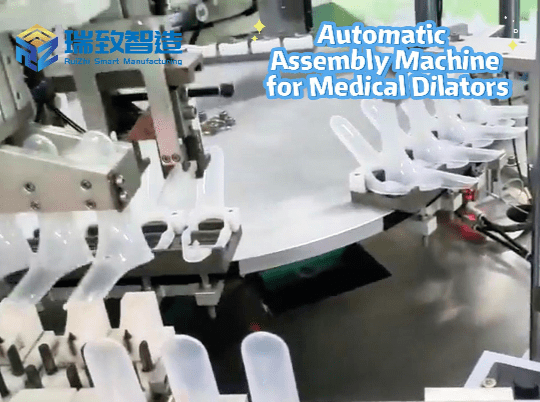
RuiZhi’s Automatic Syringe Assembly Machine is designed to meet that challenge.
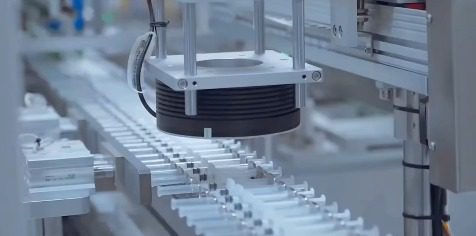
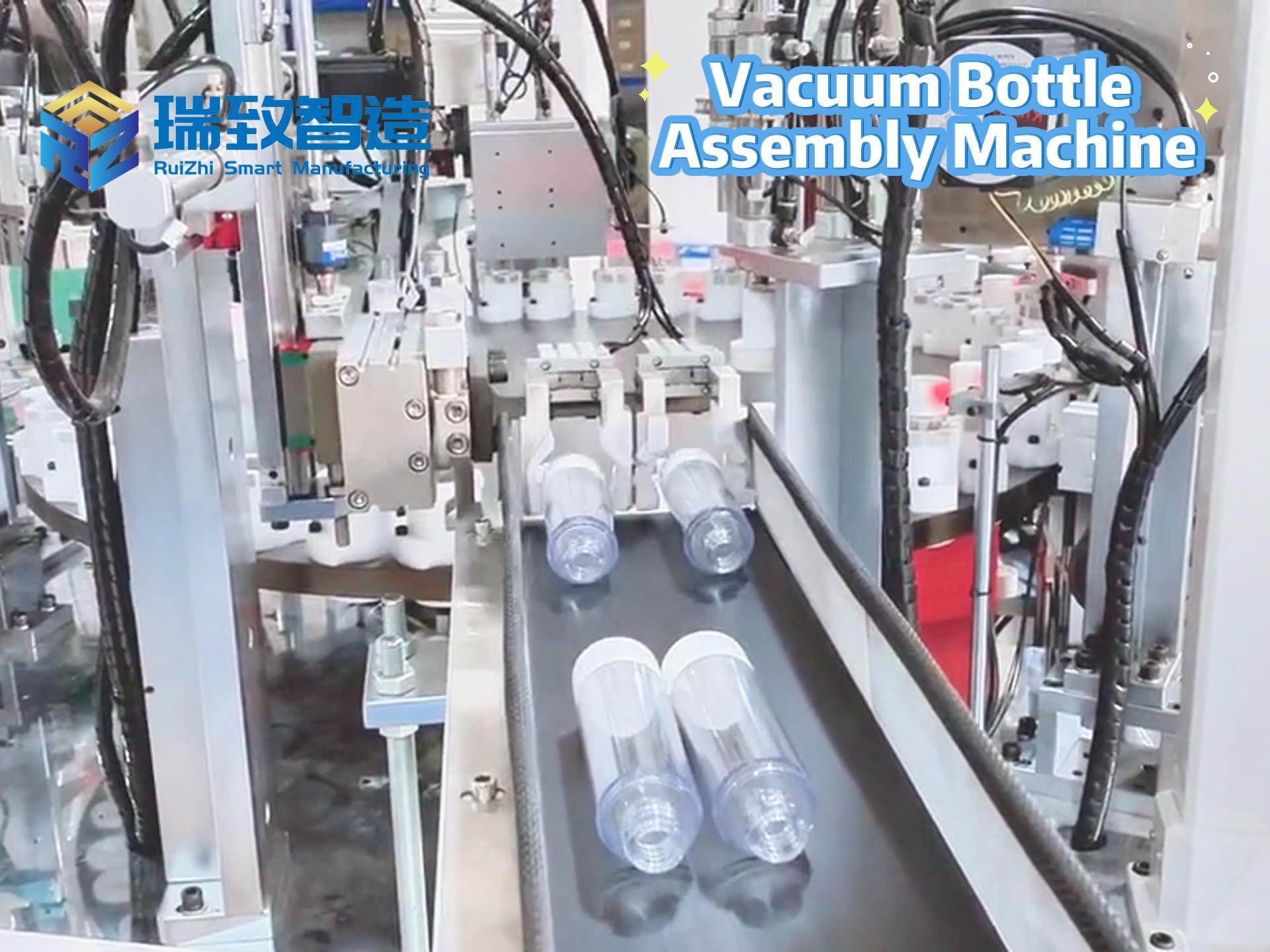
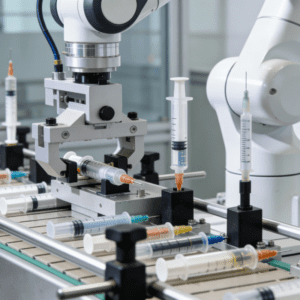
The system assembles all four syringe components—barrel, plunger, stopper, and needle/cap—in a single synchronized process.
Touchscreen PLC control, automated counting, and real-time quality monitoring ensure consistent output.
When components are missing, the machine automatically stops.
What does that mean for you?
3,000 units per hour. 99.5% yield. Two operators only. 70% labor cost reduction compared to manual lines.
Medical device manufacturing leaves no room for error. Neither should your assembly line.