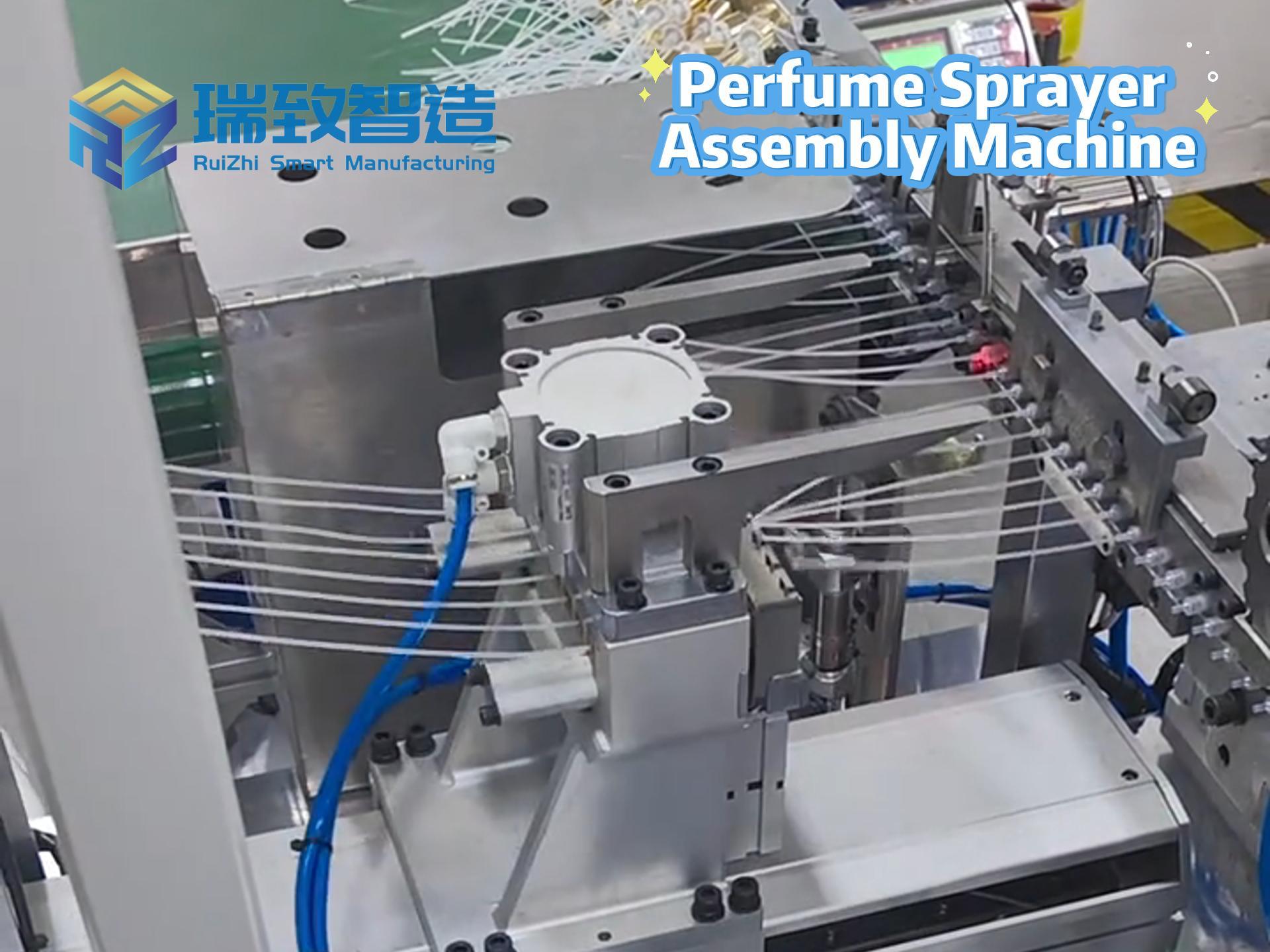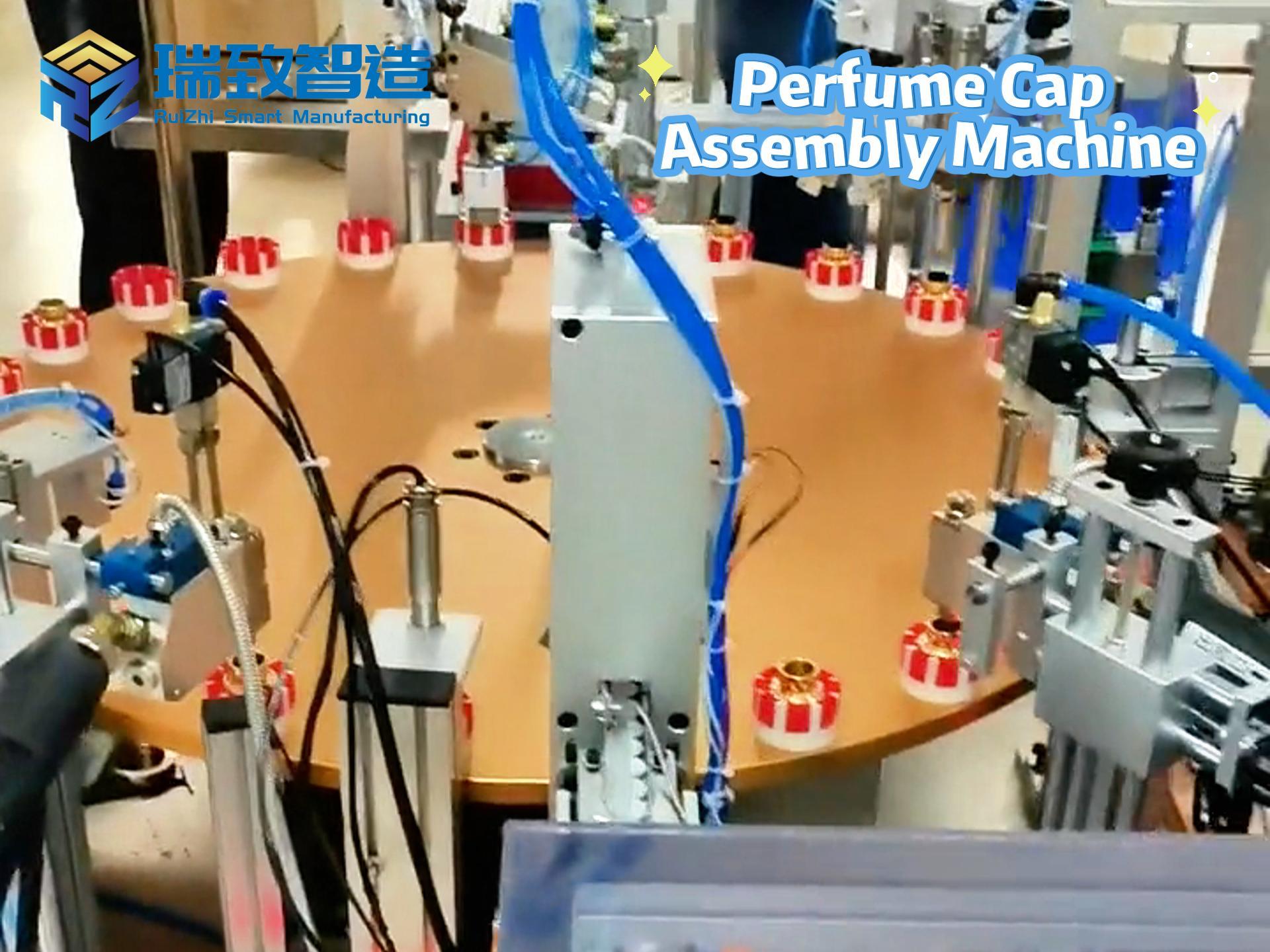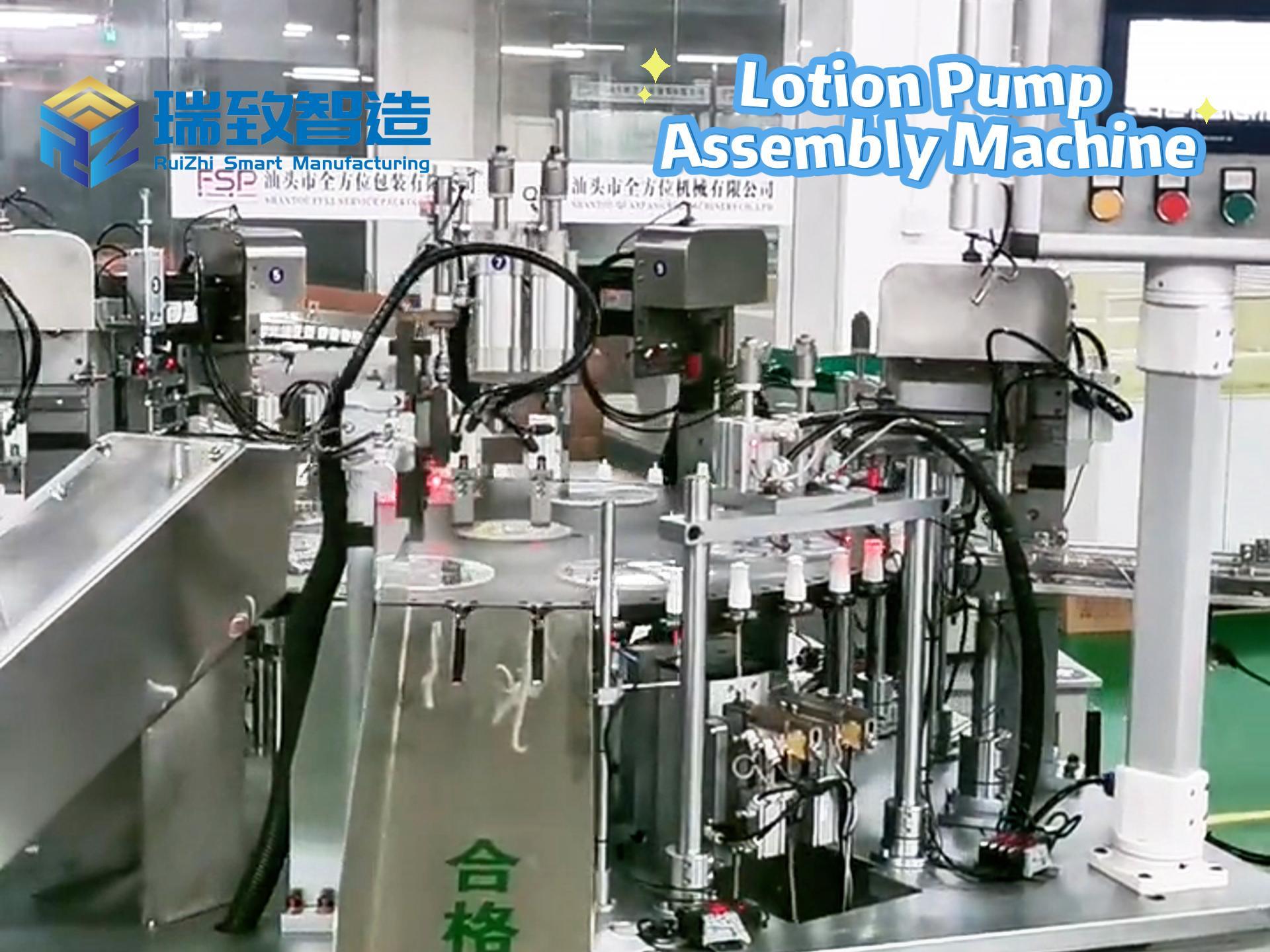

A 4-axis machine tool is a type of numerical control (NC) equipment developed based on traditional 3-axis machine tools, capable of providing an additional rotational axis during machining, which typically rotates around a fixed point of the workpiece. The design of this machine tool enables multi-angle machining of workpieces, thereby improving machining flexibility and efficiency. A 4-axis machine tool generally consists of three linear motion axes (X, Y, Z) and one rotational axis, the latter commonly referred to as a rotary table or dividing head. This structure allows for the machining of complex-shaped parts such as molds and aerospace components—many of which require subsequent nut assembly, and the machining precision of 4-axis machines directly affects the matching accuracy with Nut automatic assembly machines in the later stage.
In terms of performance, 4-axis machine tools offer better positioning accuracy and repeatability compared to 3-axis machine tools. The addition of a rotational axis facilitates multi-sided machining of parts, reducing the number of fixture changes during the machining process. This not only saves time and boosts production efficiency but also reduces errors caused by manual operations—key advantages for processing parts that need to interface with Nut automatic assembly machines, as consistent dimensional accuracy ensures the assembly equipment can operate without frequent adjustments.
4-axis machine tools are widely used in aerospace, automotive manufacturing, medical devices, mold manufacturing and other fields. In these industries, high-precision and high-complexity components (such as automotive bracket parts with threaded holes) are usually required, and 4-axis machine tools can precisely process these parts to meet the assembly requirements of Nut automatic assembly machines. For example, the threaded holes and positioning surfaces processed by 4-axis machines have strict tolerance control, enabling the Nut automatic assembly machine to achieve fast, accurate and stable nut pressing or screwing, avoiding assembly jams caused by dimensional deviations. From this overview, we can see that 4-axis machine tools not only enhance machining performance but also provide strong support for subsequent automated assembly processes. In the subsequent sections, we will further explore the characteristics of 5-axis machine tools to better understand the differences and connections between the two.
Core Characteristics of 5-Axis Machine Tools
A 5-axis machine tool is an important machining equipment in modern manufacturing, with its core characteristic being the ability to machine simultaneously on five different axes. The standout feature of this type of machine tool is first and foremost the advantages of 5-axis simultaneous CNC machine tools. 5-axis simultaneous technology eliminates the need for frequent repositioning of workpieces, greatly improving machining accuracy and efficiency. This technology allows the cutting tool to move in multiple directions, enabling the machining of more complex parts while ensuring uniform processing of the workpiece surface and meeting intricate design requirements. These advantages have made 5-axis machine tools widely used in high-precision fields such as aerospace, medical devices, and mold manufacturing—where the processed parts often have high-precision assembly demands matching Nut automatic assembly machines.
In terms of practical applications, 5-axis machine tools are found to be widely used in scenarios requiring high-precision and high-complexity machining. They are suitable not only for machining light metals such as aluminum and titanium alloys but also for cutting complex curved surfaces and high-strength materials. Therefore, whether in the production of engine parts in the automotive industry (which require precise nut assembly for structural stability) or the manufacturing of surgical instruments in the medical industry, 5-axis machine tools demonstrate their irreplaceable importance. The ultra-high precision of 5-axis machined parts ensures that the fit between components and nuts is within the micron level, allowing Nut automatic assembly machines to achieve high-speed assembly without secondary calibration—greatly improving the overall production efficiency of the product line. We fully recognize that for manufacturing processes that need to balance output and precision, selecting the right 5-axis equipment can significantly improve production efficiency and product quality, and further optimize the coordination with subsequent automated assembly equipment.
Key Differences Between 4-Axis and 5-Axis Machine Tools
When exploring the key differences between 4-axis and 5-axis machine tools, we first focus on the variation in the number of motion axes. A 4-axis machine tool typically comprises three linear axes and one rotational axis, while a 5-axis machine tool adds a second movable rotational axis. This design enables 5-axis machine tools to achieve more complex machining paths, thereby enhancing machining accuracy and surface quality. Secondly, in terms of machining flexibility, 5-axis machine tools can perform cutting at multiple angles, greatly reducing the number of workpiece fixture changes—an advantage that 4-axis machine tools cannot match. This difference is also reflected in the coordination with Nut automatic assembly machines: 5-axis machined parts with integrated complex structures require fewer assembly steps, allowing the assembly machine to complete operations in a single station, while 4-axis machined parts may need multiple assembly processes due to split machining.
In addition, 4-axis machine tools are more suitable for processing relatively simple workpieces, such as flat cutting or simple cavity machining—parts that usually have standard nut assembly requirements and can be well matched with general Nut automatic assembly machines. For workpieces with complex shapes that require multi-angle machining (such as aerospace components with inclined threaded holes), 5-axis machine tools show greater advantages, as they can machine inclined holes in one clamping to match the angle requirements of Nut automatic assembly machines with angle-adjustable fixtures. In terms of production efficiency, since 5-axis machine tools can complete multi-sided machining in a single clamping, their overall working efficiency is significantly superior to that of 4-axis machines—this efficiency advantage is amplified when combined with Nut automatic assembly machines, forming a “high-precision machining + automated assembly” efficient production line. It should also be noted that different types of CNC machine tools have their own strengths in application fields. 4-axis machine tools are usually applied in traditional manufacturing industries such as mold making and milling, while 5-axis machine tools are widely used in high-end precision fields including aerospace, automotive manufacturing, and medical devices.
In summary, through comparing these two types of machine tools in terms of structure, flexibility, and application fields, we can gain a deeper understanding of their respective characteristics and the manufacturing requirements they are suited for—including the matching requirements with subsequent equipment such as Nut automatic assembly machines—which will be of great help for equipment selection and optimization of the entire production line.
Factors to Consider When Selecting the Appropriate Machine Tool Type
When choosing between a 4-axis and a 5-axis machine tool, we need to consider multiple factors to ensure the selected equipment meets our specific production needs. First, we must evaluate the complexity of the workpieces to be machined. If we are dealing with high-complexity workpieces (such as parts with curved surfaces and non-perpendicular threaded holes that require specialized Nut automatic assembly processes), a 5-axis machine tool is usually more suitable, as it has the ability to machine multiple surfaces and angles simultaneously, thus significantly improving production efficiency. Conversely, if the workpiece structure is relatively simple and matches the processing range of general Nut automatic assembly machines, a 4-axis machine tool may be more cost-effective, and its excellent cost-performance ratio makes it the first choice for many small and medium-sized enterprises.
Second, production capacity and batch size are also key factors. Generally speaking, 5-axis machine tools perform excellently in processing large batches of high-precision products because they reduce the time spent on workpiece transfer and fixture adjustment—when paired with high-speed Nut automatic assembly machines, they can form a continuous production line suitable for mass production. We need to select the appropriate equipment based on our production plan to achieve the best economic results. In addition, the proficiency of technical personnel is an unignorable factor. If our team is not sufficiently familiar with 5-axis machine tools, a 4-axis machine tool will be a more easy-to-operate and learn option—this is also consistent with the operation difficulty of matching Nut automatic assembly machines, as 4-axis machined parts usually correspond to simpler assembly programs.
Furthermore, budget is also an important consideration. 5-axis machine tools usually have a higher price tag, not only in terms of purchase cost but also subsequent maintenance and operation training expenses. Enterprises need to comprehensively consider the overall investment of the production line, including the cost of matching high-precision Nut automatic assembly machines with 5-axis tools, to avoid unbalanced investment. Therefore, we need to carefully assess the company’s financial situation and whether it can afford the investment required for this type of machine tool.
Finally, changes in market demand are also worthy of attention. Flexibly responding to market changes can help enterprises enhance their competitiveness—for example, if the market demands products with more complex structures that require both high-precision machining and automated nut assembly, investing in 5-axis machine tools and matching Nut automatic assembly machines will be more forward-looking. After comprehensively considering these factors, we can more clearly determine the most reasonable choice between 4-axis and 5-axis machine tools to achieve efficient and high-quality production goals of the entire production line.