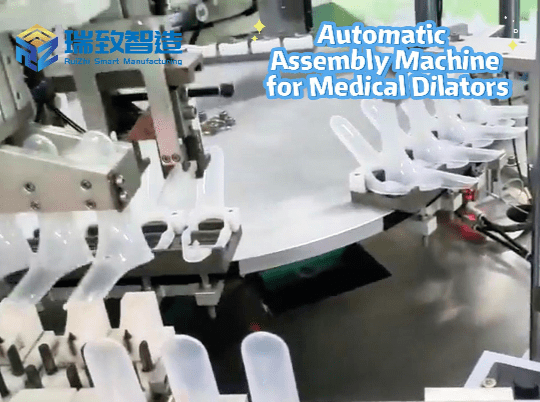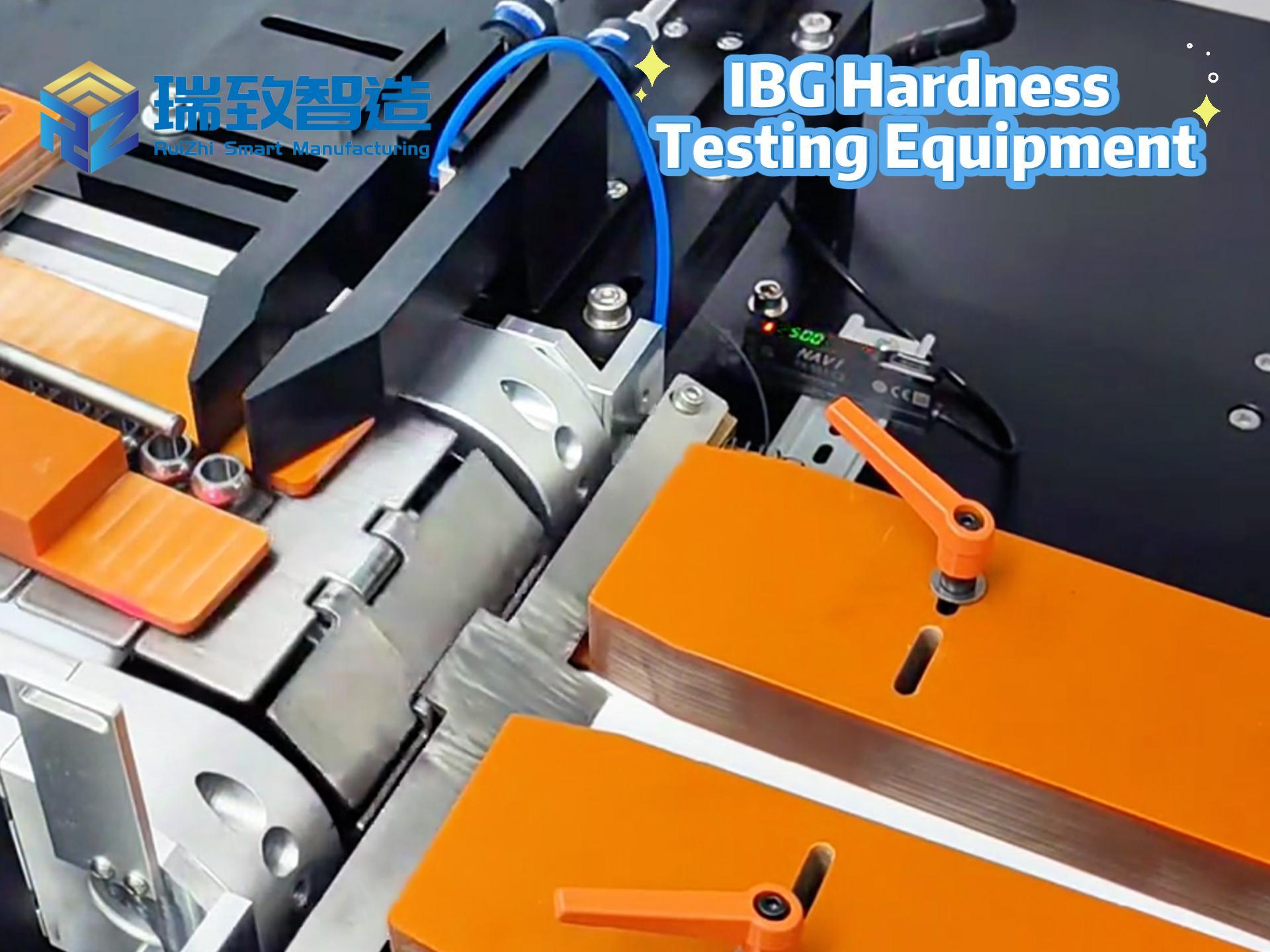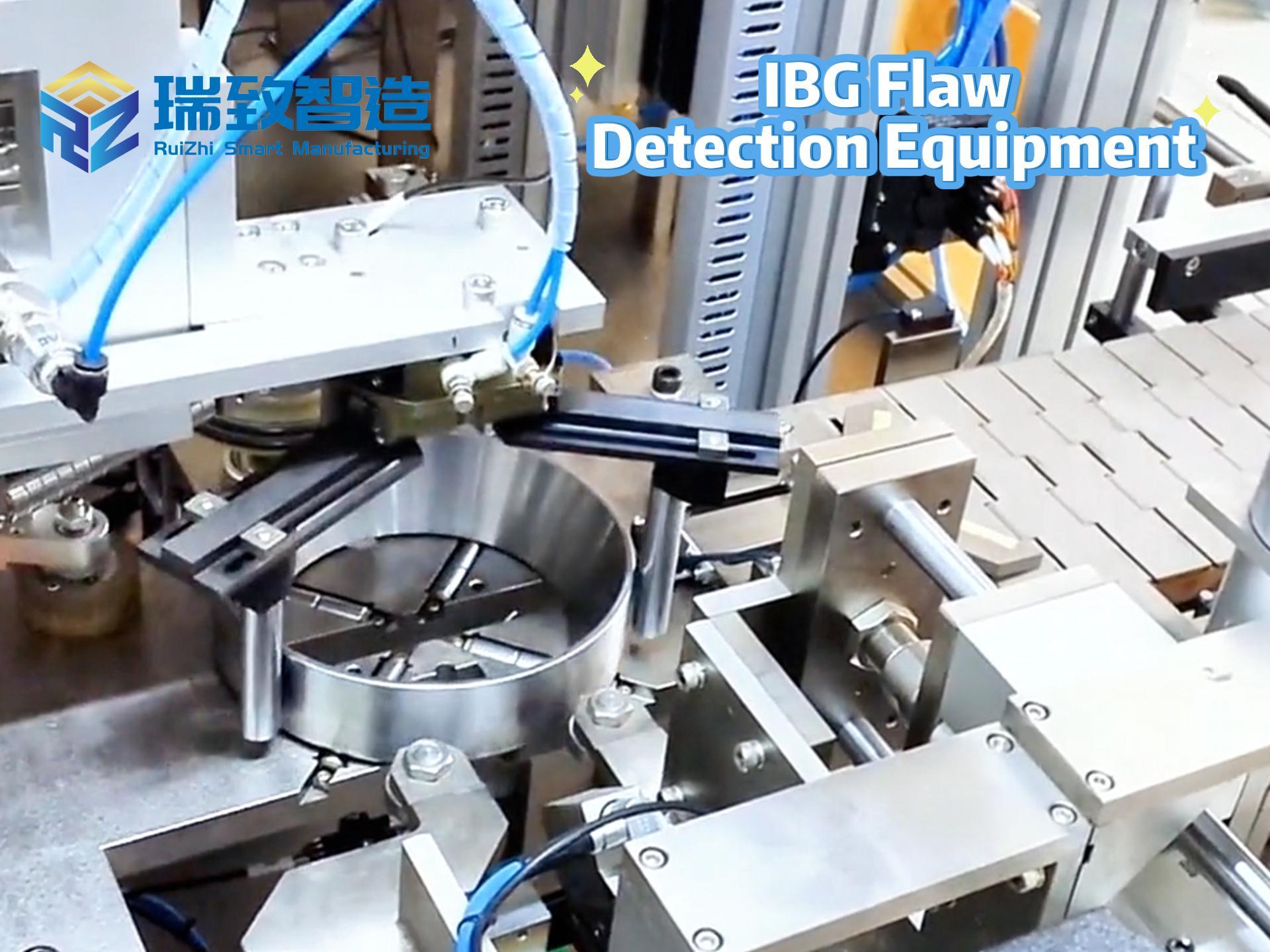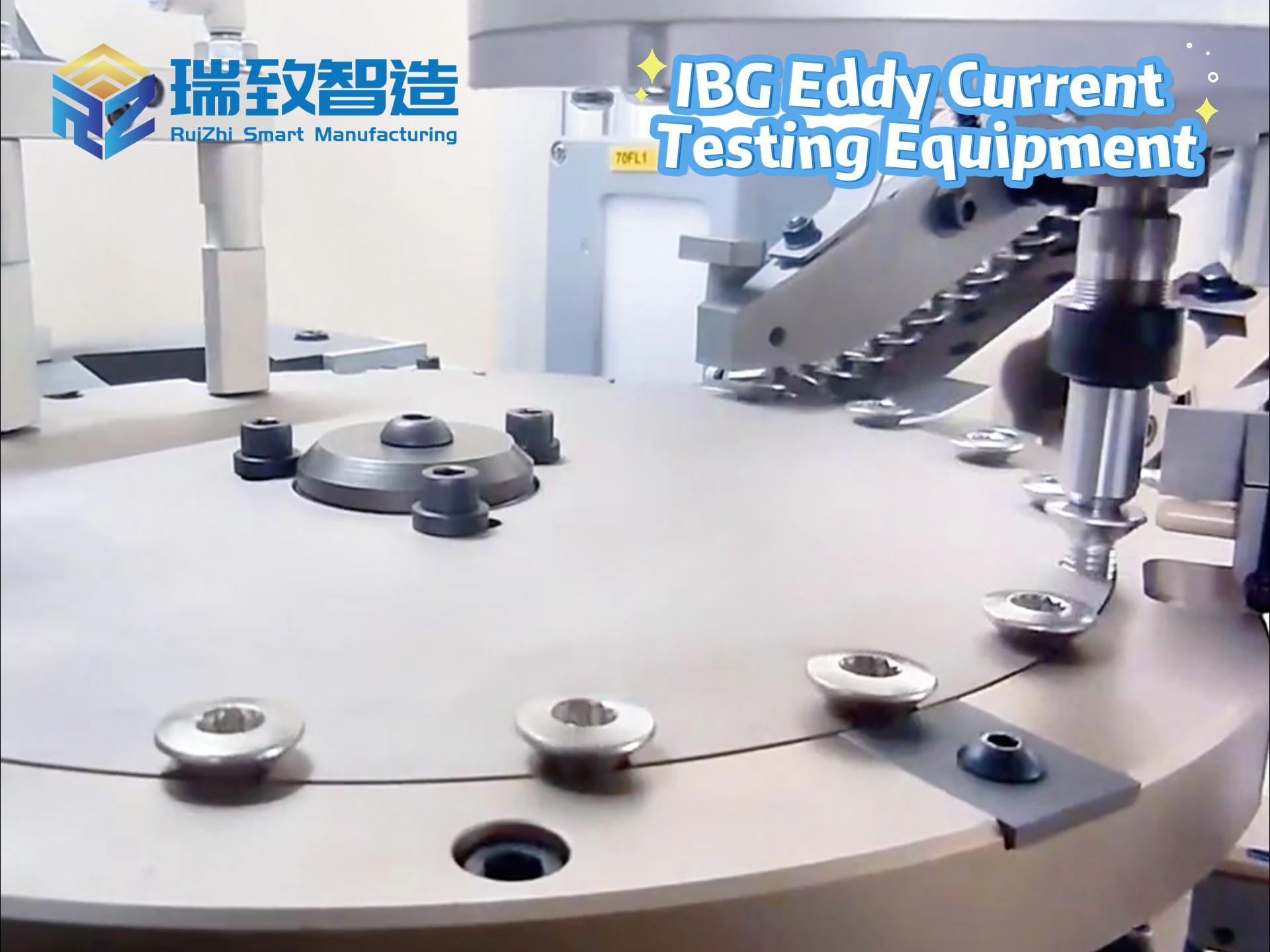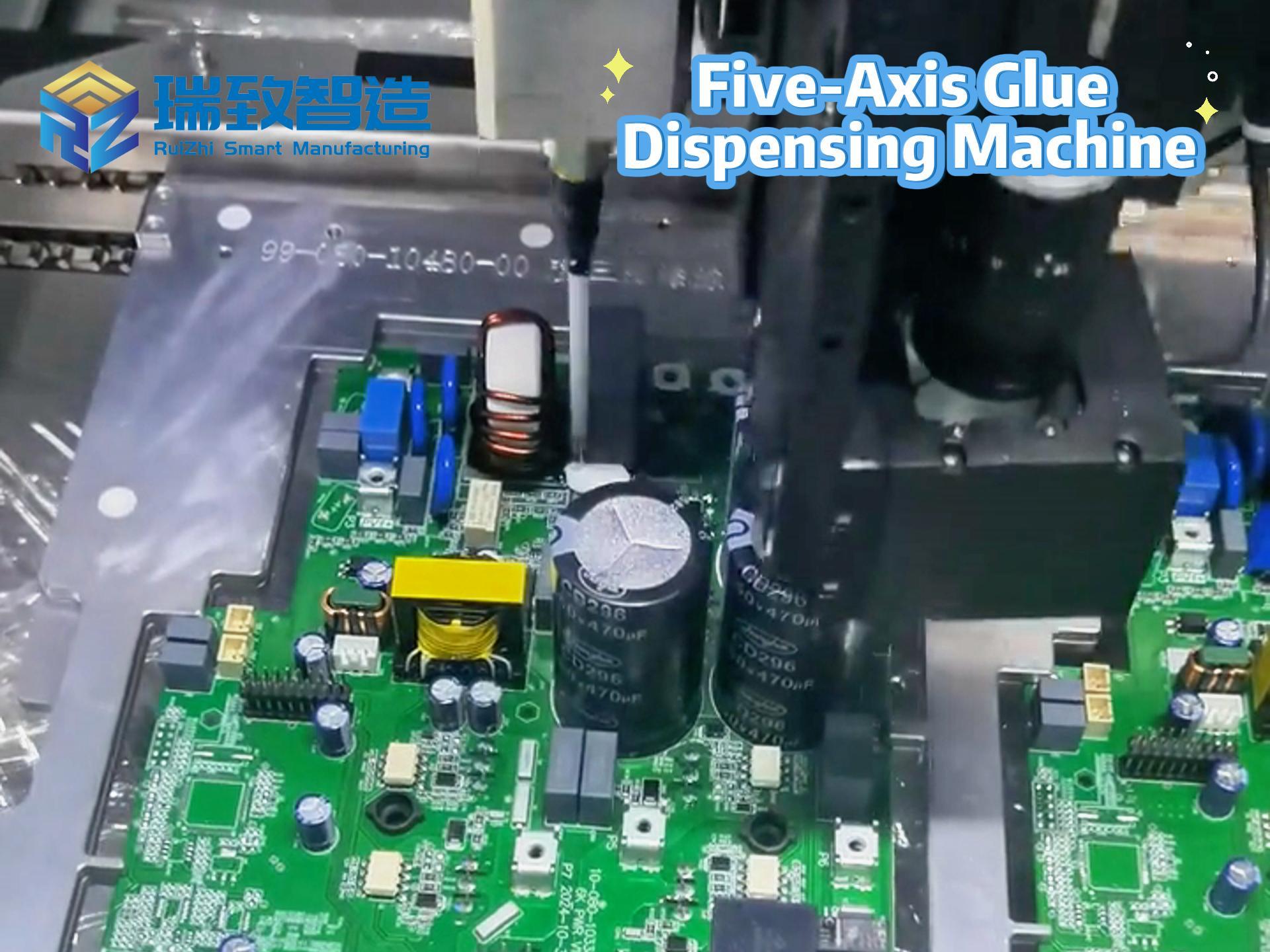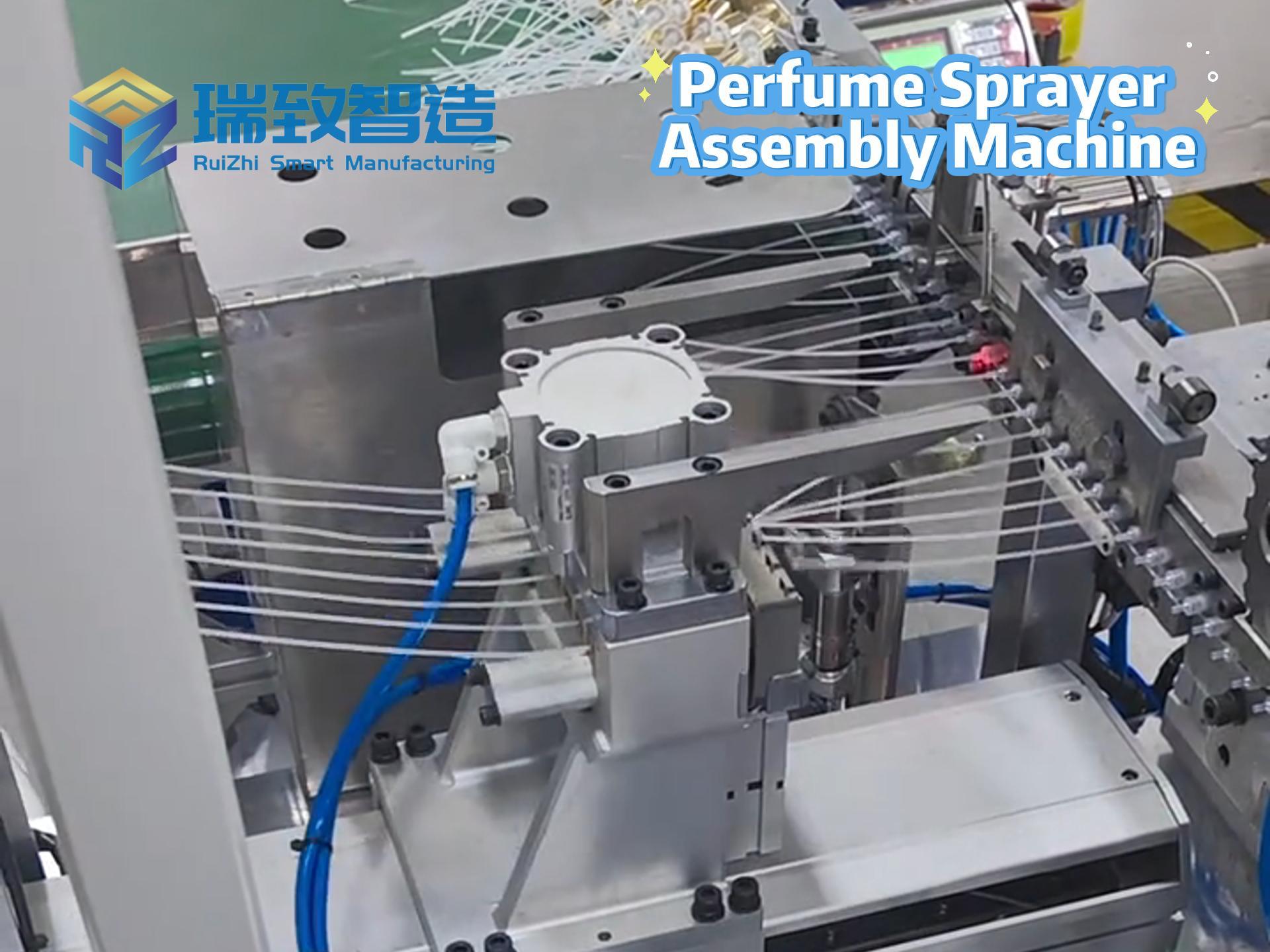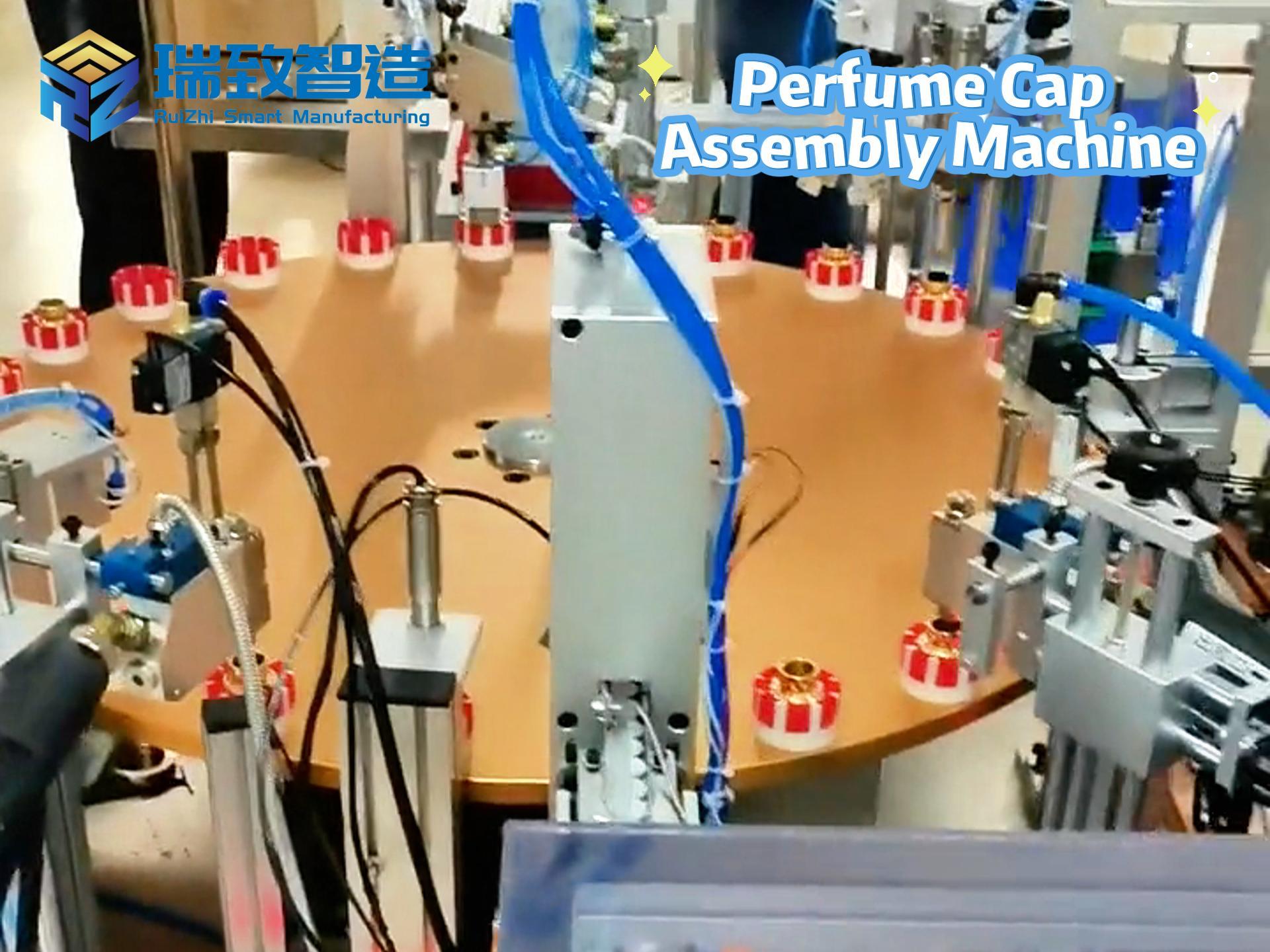
Industry 4.0-ready automatic assembly machine for medical dilators delivering ±0.01mm precision, AI‑powered quality inspection, and full regulatory compliance for ISO 13485, FDA QMSR, and EUDAMED.
The Global Demand for Medical Dilators Is Soaring — But Manual Assembly Can‘t Keep Up
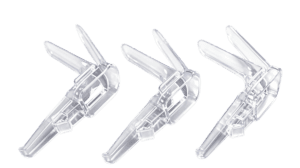
Medical devices represent one of the fastest-growing manufacturing sectors in recent memory.
The global medical device assembly automation equipment market alone is expected to grow from US 2.28 billion in 2025 to US 4.35 billion by 2032, at a compound annual growth rate (CAGR) of 9.7% .
Within this expanding market, medical dilators — covering urology, gynecology, gastroenterology, and respiratory care applications — have demonstrated even steeper growth.
The dilators market reached US 1.42 billion in 2025 ∗∗andisprojectedtoclimbto∗∗US 2.76 billion by 2033, growing at an 8.70% CAGR.
But market growth alone is not what keeps medical device manufacturers up at night. What truly matters is this: more volume must come with less risk.
2026: A Pivotal Year for Medical Device Compliance
2026 has brought two regulatory shifts that fundamentally change how medical dilators must be assembled.
In the United States, the FDA’s Quality Management System Regulation (QMSR) took effect on February 2, 2026, aligning 21 CFR Part 820 with ISO 13485:2016 for the first time. Across the Atlantic, EUDAMED becomes mandatory from May 28, 2026, requiring full product traceability and audit‑ready documentation for core modules.
What does this mean for dilator manufacturers, in plain terms? Process validation is no longer optional. Traceability is no longer a “nice‑to‑have.” And manual assembly — with its 10–15% defect rate and 4–8 hour changeover times — is now a regulatory liability, not a production strategy.
Industry 4.0 Driving the Transformation

Industry 4.0 technologies are fundamentally reshaping medical manufacturing.
Digital twins, AI‑powered vision systems, and IoT‑enabled real-time monitoring are no longer futuristic concepts — they are becoming the baseline for competitive medical device production.
AI-driven quality inspection, in particular, stands as one of the most significant manufacturing breakthroughs of the year.
Manufacturers that fail to adopt these technologies risk being left behind.
The Solution: RuiZhi‘s Automatic Assembly Machine for Medical Dilators
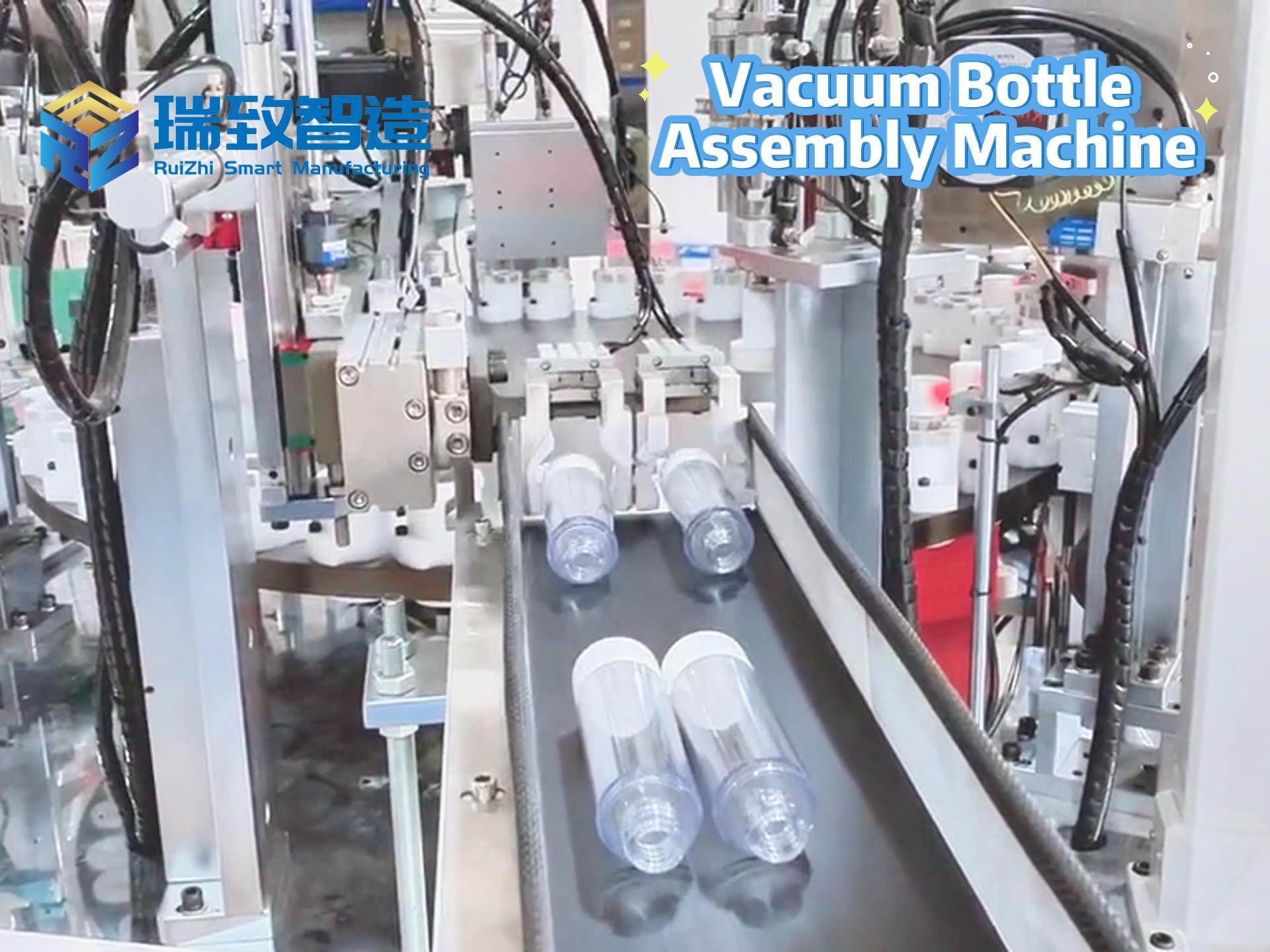
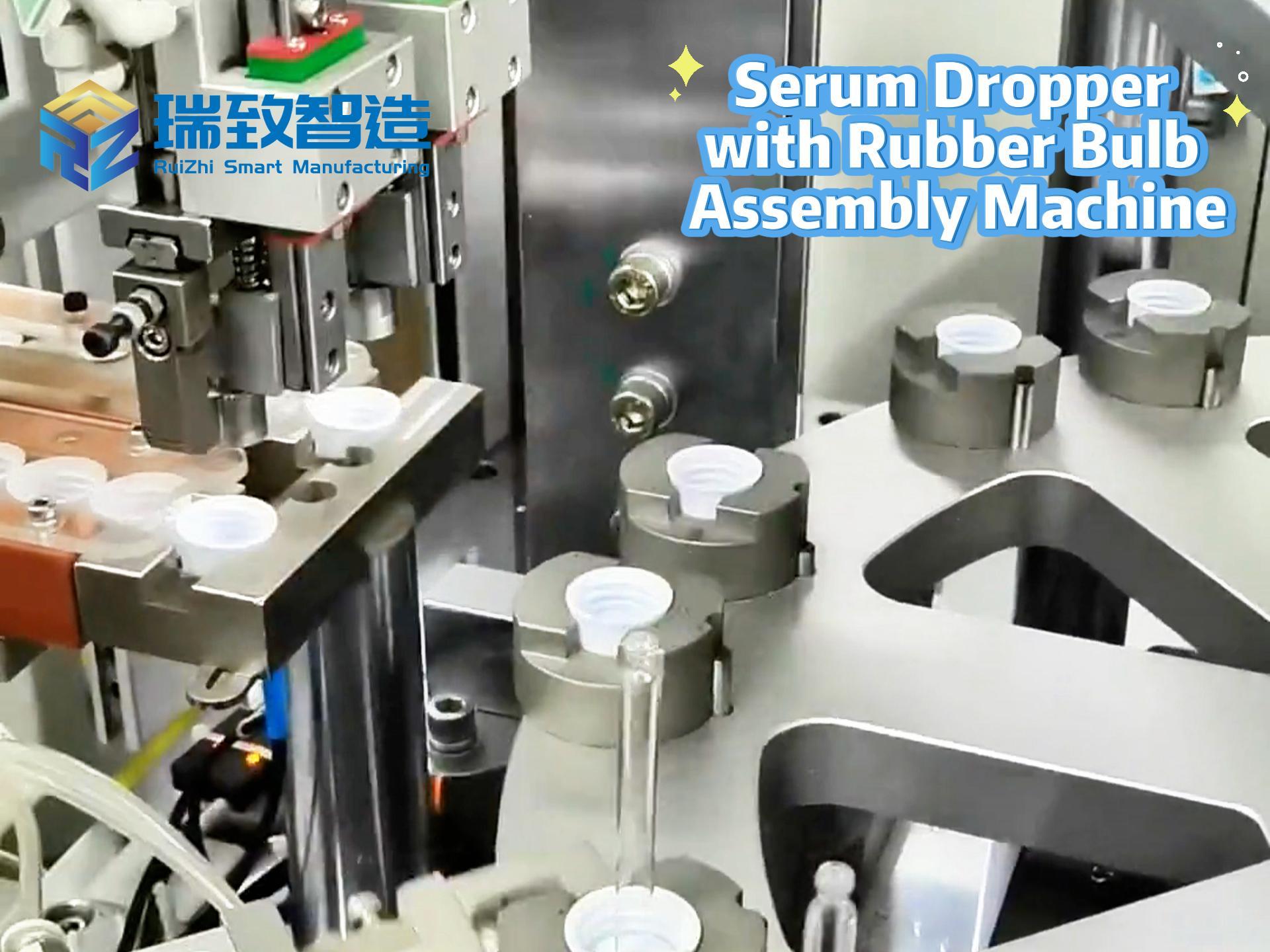
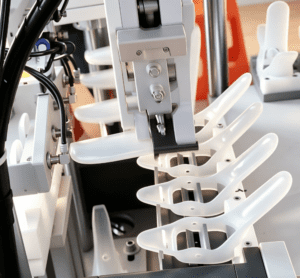
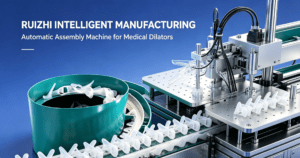
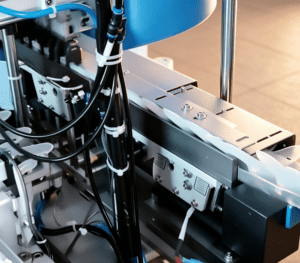
RuiZhi Intelligent Manufacturing delivers Industry 4.0‑ready assembly automation engineered specifically for this moment. Built on high‑precision servo control and advanced visual positioning technology, our automatic assembly machine automates every critical step: component feeding, precision placement, online force monitoring, and final output.
Key performance metrics:
| Parameter | Specification |
|---|---|
| Positioning accuracy | ±0.01mm |
| Production capacity | 2,000–3,000 pieces/hour |
| Assembly yield | >99.8% |
| Online detection pass rate | >99.8% |
| Labor reduction | 50–70% fewer operators |
| Payback period | 8–12 months |
What it delivers:
-
Product qualification consistently exceeding 99.8%
-
Batch‑level traceability with full MES integration
-
Compliance with ISO 13485, GMP, and 21 CFR Part 11
-
Real‑time process data that satisfies regulators and protects patients
Q&A: Answering Your Top Questions About Medical Dilator Assembly Automation
Q1: Can your machine handle different types of medical dilators (nasal, urethral, esophageal, vaginal)?
Yes. Dilator designs vary significantly — each with unique geometries and assembly requirements. RuiZhi‘s modular tooling supports rapid changeover between multiple SKUs in under 15 minutes. One line. Multiple products. Zero compromise.
Q2: Is the machine compliant with cleanroom and GMP standards?
Absolutely. Our machines are constructed with 316L stainless steel and food‑grade materials, meeting GMP standards for pharmaceutical‑grade cleanroom environments. Whether you manufacture cervical, urethral, esophageal, or nasal dilators — mechanical or balloon types, Class I or II devices — we build to your specifications.
Q3: How does your AI vision inspection work?
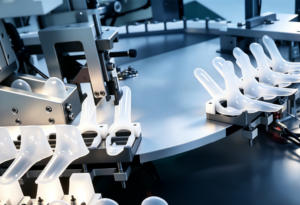
Our system integrates AI‑powered visual positioning and inline defect detection. Unlike traditional rule‑based systems, the AI detection module continuously learns from production data, identifying subtle defects — surface flaws, dimensional deviations, improper component seating — in real time. Faulty parts are rejected instantly, ensuring only defect‑free products move forward.
Q4: What is the actual ROI for a medium‑volume medical device factory?
Consider the numbers: A manual assembly line typically produces ~500 pieces per operator per day with a 3–5% defect rate, requiring 8–10 operators. RuiZhi‘s automated line produces 3,000 pieces per hour with a <0.2% defect rate, requiring just 2–3 operators. The payback period is 8–12 months for medium‑volume factories. After that, every shift saves money and reduces risk.
Q5: Can you custom‑build machines for my specific product line?
Yes. Since 2014, RuiZhi has delivered custom, non‑standard automatic assembly solutions for the global medical device industry. The company specializes in non‑standard automation equipment, helping factories transform chaotic manual assembly lines into lean, intelligent production cells.
Partner with RuiZhi Automation to Scale Your Medical Dilator Production
The medical dilator market is growing. Regulatory requirements are tightening. Patient safety depends on precision. Manual assembly lines with incomplete traceability and inconsistent quality won‘t survive the coming audits. The question isn’t whether to automate — it‘s when.
RuiZhi Intelligent Manufacturing — founded in 2014, headquartered in Xiamen — brings over a decade of expertise in customized automation solutions. Let us help you scale your production with precision you can trust and compliance you can prove.
Contact us today for a custom quote: Visit www.rzautoassembly.com
Five Trending Hashtags for Your Social Media Campaign
| Hashtag | Description |
|---|---|
| #MedicalDilatorAssemblyMachine | Product‑specific lead generation |
| #MedTechAutomation2026 | Industry trend alignment |
| #FDACompliantManufacturing | Regulatory trust signal |
| #SmartMedicalDeviceProduction | Industry 4.0 positioning |
| #Industry40Automation | Broader automation reach |