As 5G signals cover every corner of the city, IoT devices sense the pulse of streets and alleys, and AI algorithms accurately balance supply and demand, the construction of smart cities is transitioning from a technological concept to tangible reality. As a core component of this ecosystem, smart commerce and smart cities together form a symbiotic relationship characterized by “city as the foundation, commerce as the enabler”. Smart cities provide a digital infrastructure and application scenarios for smart commerce, while smart commerce, through innovative practices, feeds back to enhance urban governance efficiency, jointly depicting a brand-new blueprint for future urban life.
Four-Layer Tech Architecture: The Digital Foundation of Urban-Commercial Symbiosis
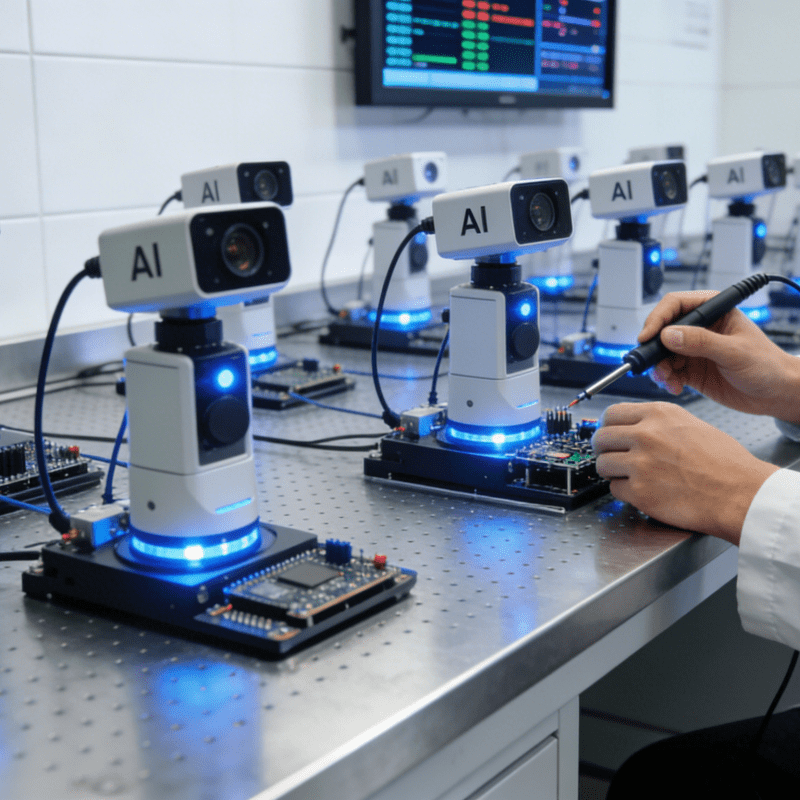
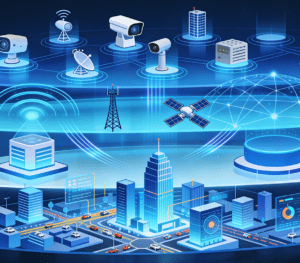
The core logic of smart cities lies in realizing the efficient allocation of urban resources and the iterative upgrading of governance capabilities through a four-layer technical architecture of “perception-transmission-cognition-application”. The perception layer, equipped with hundreds of millions of IoT devices, captures every data node of urban operation. The transmission layer, supported by a 5G+Beidou network, ensures the real-time circulation of data. The platform layer, built on an AI middle platform, completes data analysis and processing. The application layer, empowered by digital twins, achieves visual management and control of urban operations. The construction of this technological infrastructure provides crucial support for the vigorous development of smart commerce—the traffic flow, passenger flow, consumption preference and other data accumulated by the city brain have become core assets for precise commercial operations; the city-wide digital infrastructure has laid the groundwork for the implementation of new business formats such as unmanned retail, remote services and instant delivery. According to IDC data, the global smart city spending scale reached 1.2 trillion US dollars in 2025, with China accounting for 38%. Among all investment areas, the intelligent transformation of commercial scenarios has emerged as one of the major growth drivers.
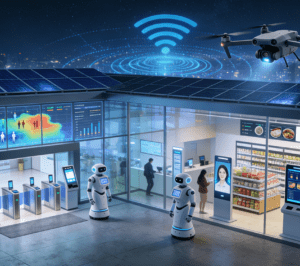
The rise of smart commerce is reshaping the consumption ecology and commercial logic of cities. The traditional “space leasing” model of commerce is shifting toward “value operation”, and the focus is upgrading from “traffic acquisition” to “experience cultivation”. None of these transformations would be possible without the in-depth empowerment of smart city technologies. In the retail sector, Qingdao’s “Taidong·Mangheli”, positioned as a “24-hour urban rest area”, has leveraged China Mobile’s “Mobile Smart Enterprise” one-stop solution. It ensures round-the-clock smooth transactions via 5G networks, achieves all-around night-time security through AI intelligent monitoring, accurately matches consumer demands with big data-based passenger flow analysis, and cuts energy consumption by more than 20% with an intelligent sensing and control system. This has perfectly addressed the pain points of traditional commercial complexes in 24-hour operations, making it a popular consumption landmark among young people. In the community commerce sector, 300 convenience stores in Hohhot have undergone intelligent upgrading through “cloud-attended” technology. The collaboration between terminal-layer smart devices, edge-layer data processing and cloud-based payment systems has not only reduced merchant labor costs by 40% but also solved the livelihood issue of “difficulty in shopping at night” for communities, serving as the “nerve endings” of smart city services.
Data-Driven Value Reconstruction: Two-Way Empowerment Between City and Commerce
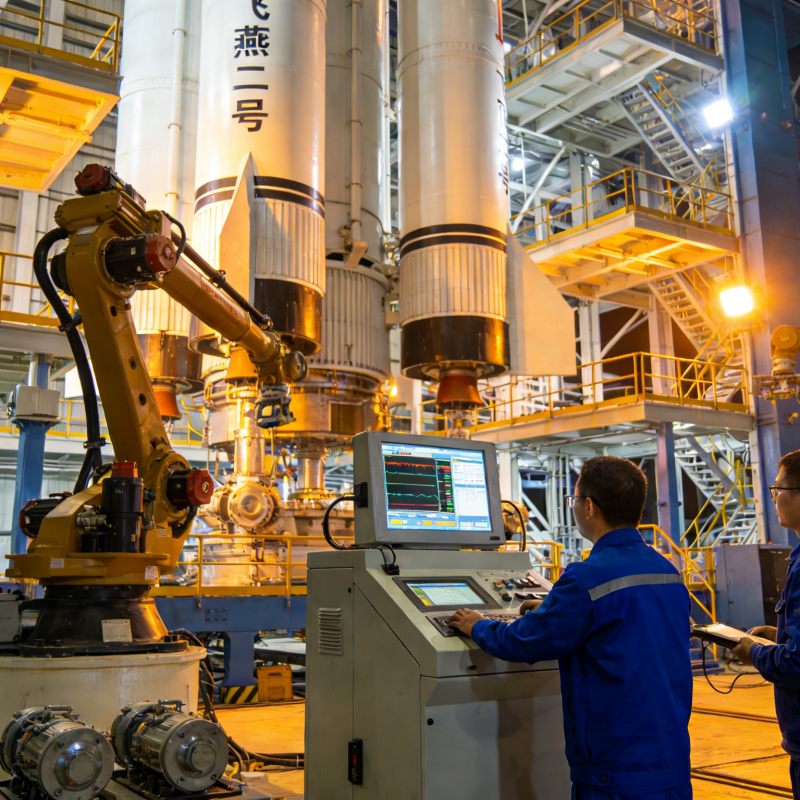
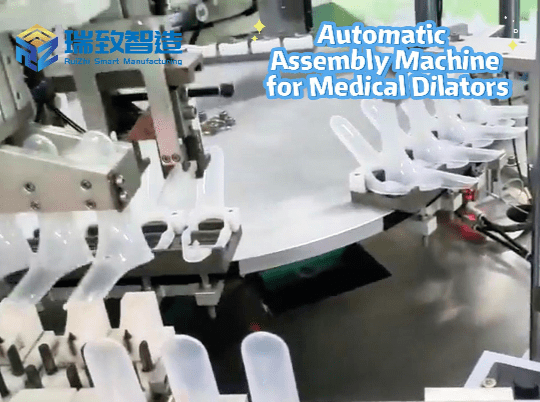
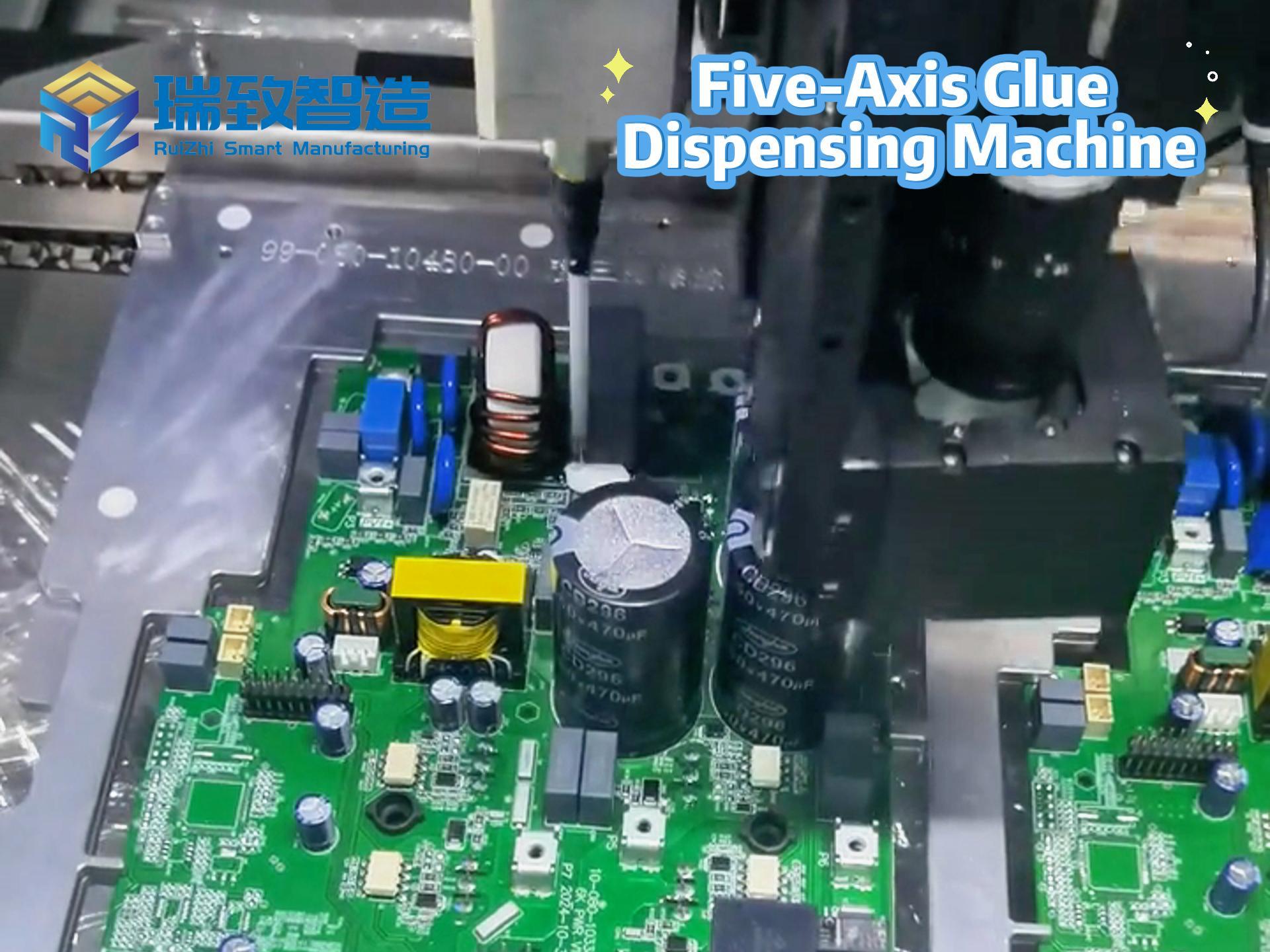
The integration of smart commerce and smart cities has further spawned a data-driven value reconstruction. As a new production factor, data maximizes its value through two-way flow between cities and commerce. On the industrial front, Douyin E-commerce’s transformation of the Nantong home textile industrial belt is a representative case. By collecting real-time consumer preference data from live-streaming rooms and pushing the algorithm-analyzed insights to the production end, it has driven enterprises to streamline SKUs and optimize supply chains, resulting in a 40% increase in inventory turnover rate and a 5.2 percentage point rise in profit margin. At Fangda Group’s Ganzhou Smart Base, 12,000 sensors collect production data, which is then optimized by AI algorithms—this has boosted material utilization rate by 15% and refined production cycles to the second level. Notably, intelligent production equipment such as the Automatic Circlip Feeding System has been widely applied in these smart manufacturing bases; by connecting to the urban industrial data platform, it realizes real-time monitoring of feeding accuracy and equipment operation status, further improving production stability and reducing defective rates. On the urban governance front, consumption data and operational data accumulated by smart commerce provide important references for urban planning: the “traffic flow data product” listed on the Shanghai Data Exchange has helped the government optimize traffic planning around business districts; Shenzhen has saved 3 billion yuan in redundant construction funds by integrating commercial and government data. This two-way data empowerment makes urban operations more precise and commercial development more efficient.
Challenges and Future Outlook: Toward Full-Domain Symbiosis of Smart Systems
However, the in-depth integration of the two still faces numerous challenges. The problem of data silos is particularly acute—the data interoperability rate between public security, transportation, commerce and other systems is less than 20%, restricting the exertion of collaborative efficiency. Risks related to data security and privacy protection are also expanding. In 2023, commercial losses caused by data leakage reached as high as 4.7 billion yuan. Issues such as inconsistent technical standards and unbalanced regional development also affect the quality of integrated development. To address these challenges, a multi-dimensional breakthrough is needed in terms of policies, technologies and mechanisms: we should establish a compliance system by improving laws and regulations such as the Data Security Law, break data barriers with technologies like blockchain and federated learning, alleviate financial investment pressure through the REITs model, and promote the balanced development of the smart commerce ecosystem.
Looking ahead, with the continuous iteration of technologies such as digital twins, quantum encryption and embodied intelligence, the integration of smart cities and smart commerce will move toward a deeper level of “full-domain symbiosis”. Urban operating systems will achieve seamless integration of commercial scenarios and government services; digital twins will be able to simulate the collaborative effects of commercial operations and urban governance; edge computing will further enhance the real-time response capability of commercial services. It is estimated that by 2030, the scale of China’s smart commerce market will exceed 6.5 trillion yuan, and the improved maturity of smart cities will provide sustained impetus for this growth. When people finishing late-night shifts open the door of a smart convenience store, when consumers enjoy immersive experiences in commercial complexes, and when enterprises realize flexible production through digital platforms, what we witness is not only the upgrading of commerce and the evolution of cities, but also a vivid practice of technology serving the people.
The integration of smart cities and smart commerce is essentially a process of technology for good. Cities thrive because of commerce, and commerce gains support from cities. Driven by digital and intelligent technologies, the two will continue to evolve, jointly building a more efficient, warmer and more resilient future urban ecosystem.