On December 12th, the 2025 Global Developers Pioneer Conference – Sub-forum on Two-Way Empowerment Between Open Source Projects and AI was successfully held at the Zhangjiang Science Hall in Shanghai. With the theme of “Symbiosis & Co-prosperity, Intelligent Innovation for the Future”, the forum brought together technical experts and numerous developers from the OpenAtom Foundation, Huawei, China Mobile, Shenkaihong, Tongming Zhiyun, as well as the openKylin Community and KWDB Community, to jointly explore new trends and opportunities for the collaborative development of open source technologies and artificial intelligence.
The topics covered key fields such as infrastructure, operating systems, intelligent terminals, robotics, quantum computing, and open source databases, presenting an in-depth exchange integrating trend insights, technical practices, and industrial applications.
Typical Practices of Collaborative Development Between Open Source Projects and AI Innovation
Building a New Type of Open Source Infrastructure to Support the Development of Artificial Intelligence
Li Shaohui, Director of the R&D Department at the OpenAtom Foundation, expounded on the importance of open source in the AI era, emphasizing that the developer growth path of “Usage-Interaction-Contribution” is the fundamental driving force for the sustained prosperity of the open source community. He focused on introducing the Foundation’s layout in the AI open source ecosystem, including the construction of the AtomGit platform that integrates codes, models, and environments, accelerating the adaptation of domestic computing power, the collaboration of intelligent agents, the integration of embodied intelligence and AIoT, and building an open AI infrastructure oriented to the future.
Practices and Plans of openEuler Intelligence BooM in the Field of Embodied Intelligence
Chen Xin, Senior Technical Expert of Huawei Embedded OS, introduced the overall strategy of openEuler Embedded in the direction of embodied intelligence. Through the “1+X+1” embedded framework, distributed soft bus, mixed criticality system, and cloud-edge-end collaboration capabilities, it has built a universal development platform for embodied intelligent robots. By improving the real-time performance of models and control, openEuler has constructed a runtime that combines the AI robot framework with the ROS ecosystem, and adapted to the hardware ecosystem of different computing power, promoting the development of the embodied intelligent robot industry.
Exploration and Practice of AI PCs Based on Open Source Operating Systems
Ma Fajun, Head of Ecosystem Cooperation at the openKylin Community and Professor-level Senior Engineer, reviewed the evolutionary trend of operating systems from resource management to intelligent collaboration, pointing out that AI will become the core engine driving the next round of explosive innovation in PCs. He introduced the exploration achievements of openKylin in the direction of AI PCs, including capabilities such as local high-efficiency inference, unified edge-cloud scheduling, and deep integration of AI frameworks, systematically demonstrating the intelligent operating system architecture built by openKylin for AI-native scenarios.
Research Achievements of the Five Mountains Era Quantum Artificial Intelligence
Wang Hanyi, Associate Senior Engineer of China Mobile, shared the breakthrough value of quantum computing in AI development, pointing out that the bottlenecks of traditional AI in computing power, data, and interpretability are accelerating the integration of “Quantum + AI” technologies. She presented the innovative achievements of the “Five Mountains Era” quantum platform in areas such as computing power networks, the quantum AI framework QuTorch, quantum large models, quantum-classical hybrid neural networks, speech recognition, and residual networks.
From Standalone to Collaboration: M-Robots OS Reconstructs the Innovation Paradigm of the Robotics and UAV Industry
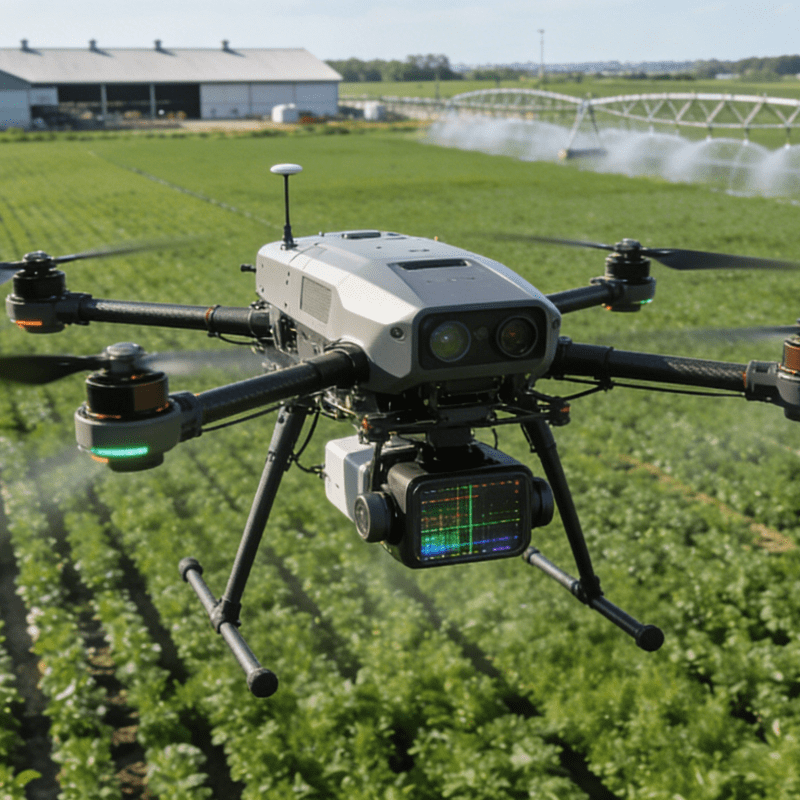
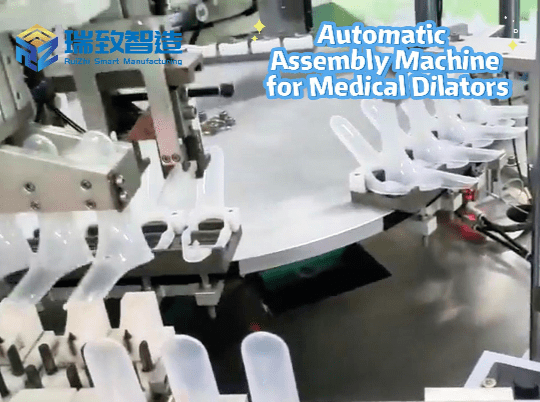
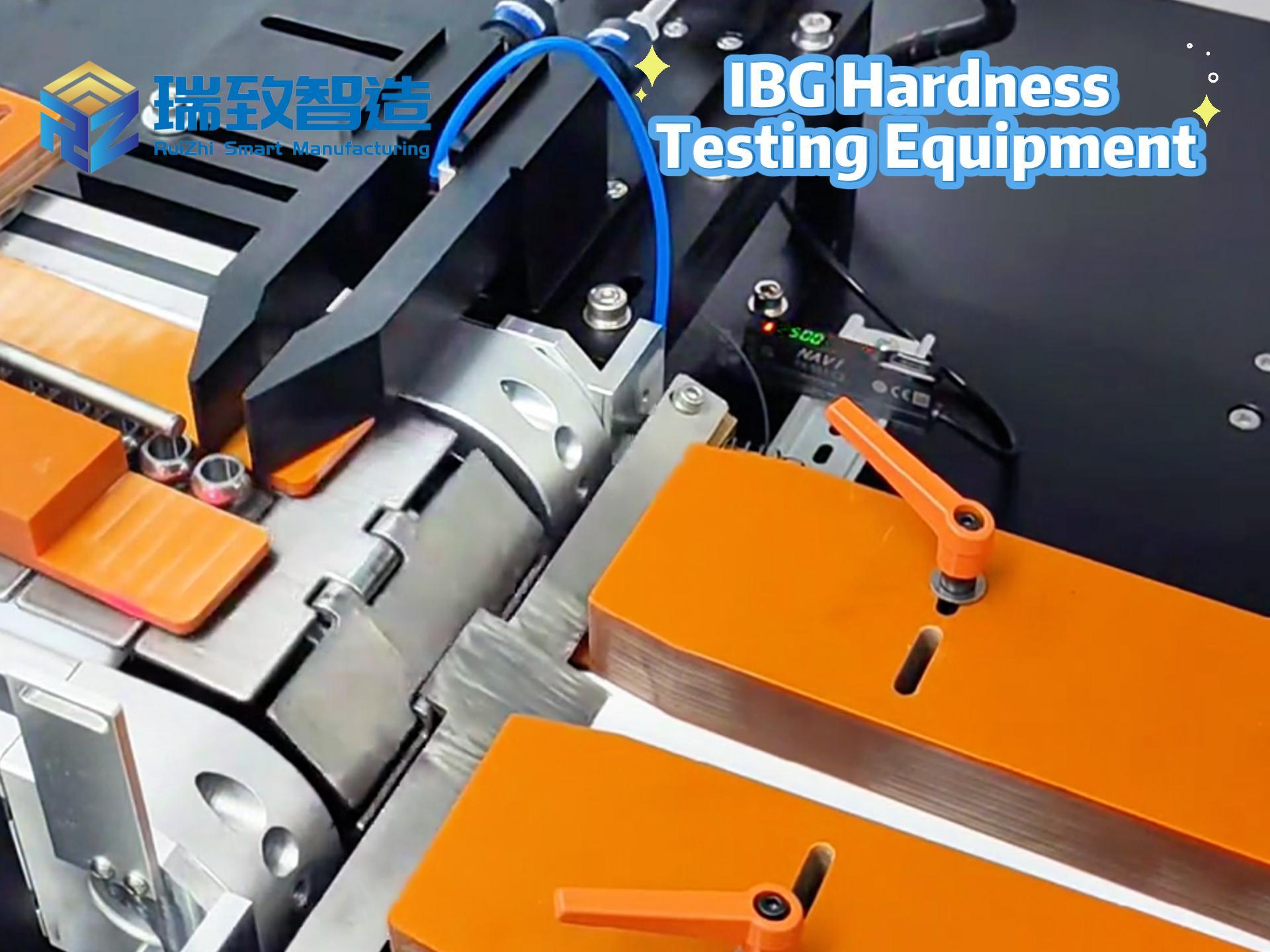
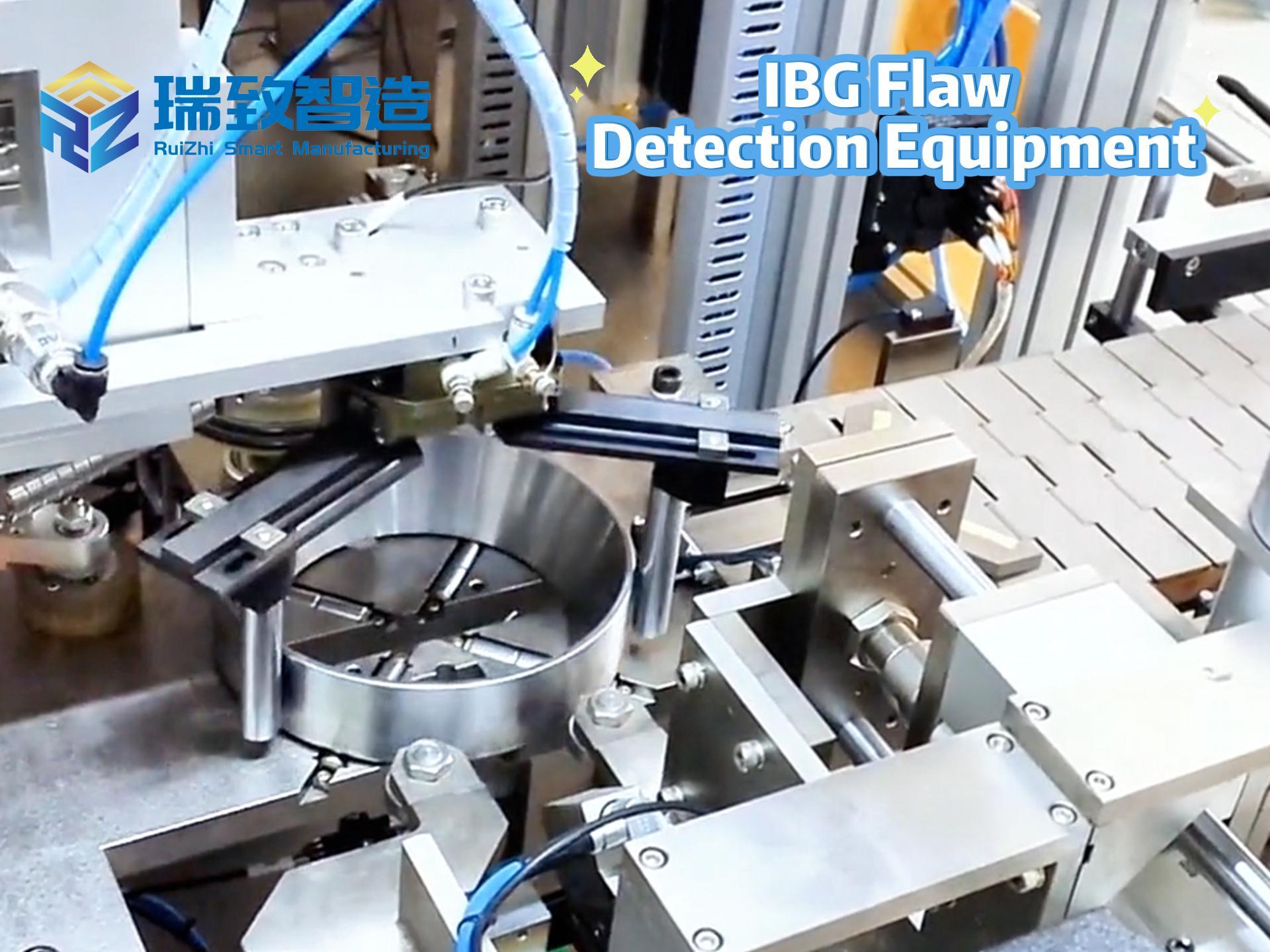
Nie Song, Head of Robotics Operating System at Shenkaihong, pointed out that the era of the Internet of Everything is accelerating the transformation of robots from individual intelligence to swarm intelligence, and a unified operating system has become the core of industrial evolution. Based on distributed soft bus, hybrid deployment, and real-time control capabilities, M-Robots OS realizes the interconnection and interoperation between cross-form robots, breaking through industrial pain points such as device heterogeneity and complex collaboration. Notably, this operating system has been successfully applied to Syringe Automatic Assembly Equipment in the medical device field, enabling intelligent monitoring of the entire assembly process, automatic adjustment of assembly parameters based on AI vision inspection, and a significant improvement in the precision and stability of syringe assembly—fully demonstrating the practical value of open source OS empowerment in high-precision medical equipment manufacturing. Its capabilities of “Unified OS + Unified Language + Distributed Collaboration” have also been applied in scenarios such as industrial robots, quadruped robots, and UAVs.
Intelligence-Driven, Multi-Modal Fusion: The Path of Digital-Intelligent Leapfrogging for KWDB 3.0
Guo Xudong, Open Source Expert of Inspur KaiwuDB and Head of KWDB Open Source, introduced the system upgrades of KWDB 3.0 in directions such as multi-modal data management. Through a unified cross-modal analysis architecture, stream computing, CDC data distribution, and cloud-edge-end collaboration, it has greatly improved the performance of writing, querying, and cross-modal analysis. He demonstrated the deep integration of AI capabilities in database operation and maintenance, such as the intelligent assistant KAT based on the MCP protocol, which can complete complex tasks including installation, operation and maintenance, analysis, and prediction. At present, KWDB has been widely applied in scenarios such as industrial Internet of Things, energy, and government affairs.
Token Quota Management Practice of OpenNJet
Wu Jingtao, Co-founder of Tongming Zhiyun, focused on the “last mile” challenge of AI application implementation, taking the lead in realizing the integration of LLM and MCP Proxy functions. He pointed out core challenges such as the coexistence of multiple models, high computing power costs, semantic routing, and service observability. He introduced OpenNJet’s AI gateway and Token quota management mechanism, which through semantic routing, Token-based refined quota allocation, and intelligent calculation of Token costs, ensures that every traffic flow runs in an orderly manner and every unit of computing power generates value.
Openness, Collaboration, Co-creation: The Two-Way Empowerment Between Open Source Projects and AI Is Accelerating
The open source ecosystem is becoming the core force driving AI innovation, and AI is in turn reshaping the production mode of open source projects. This sub-forum focused on presenting the latest achievements of open source projects and AI innovation, promoting in-depth exchanges among open source communities, industrial enterprises, and developers.
In the future, the OpenAtom Foundation will continue to join hands with industrial partners to build a unified open source infrastructure, promote high-quality governance of open source projects, facilitate the implementation of AI technologies in more industry scenarios, and enable the two-way empowerment between open source and AI to move towards a path of sustainable development.