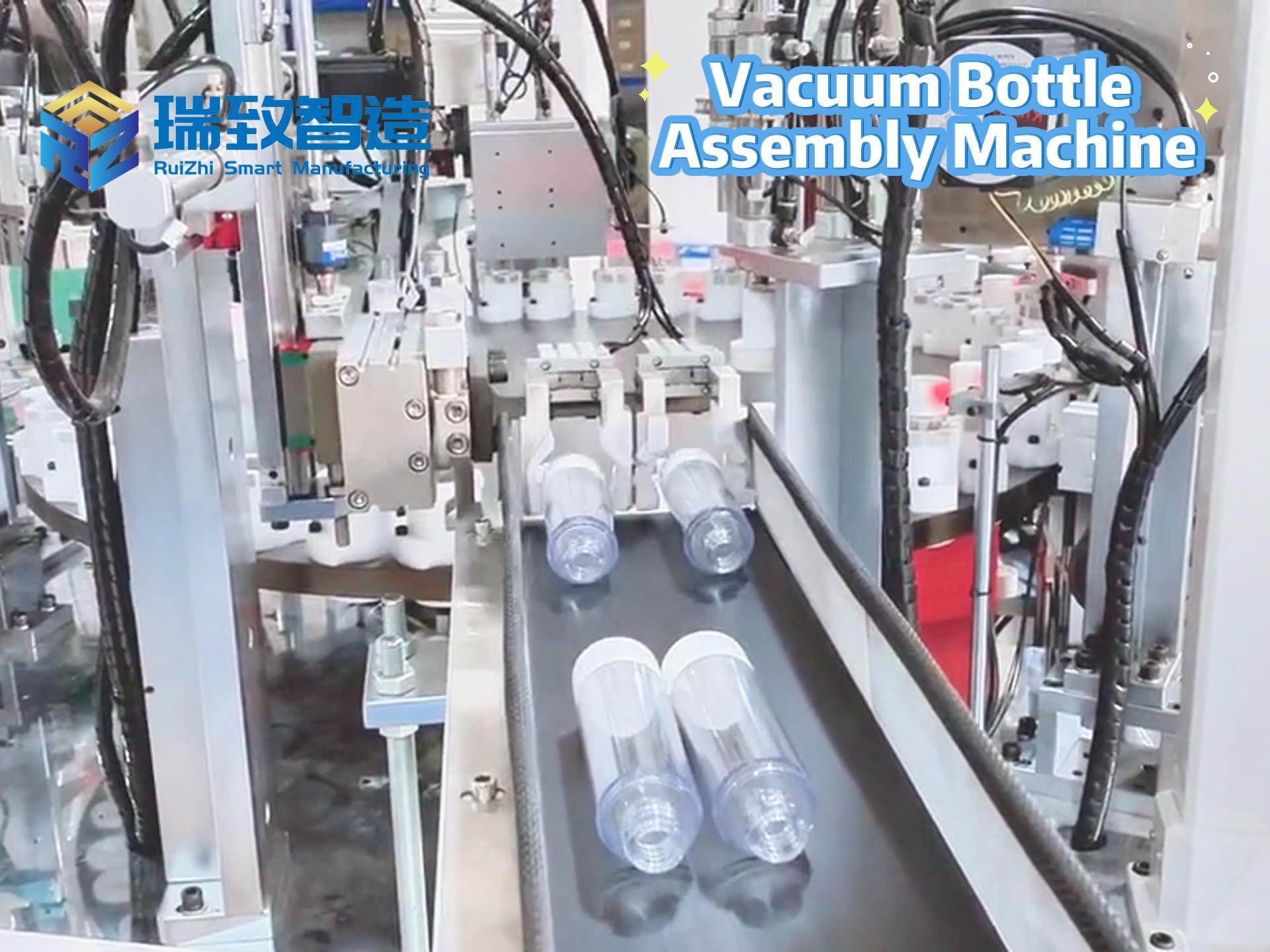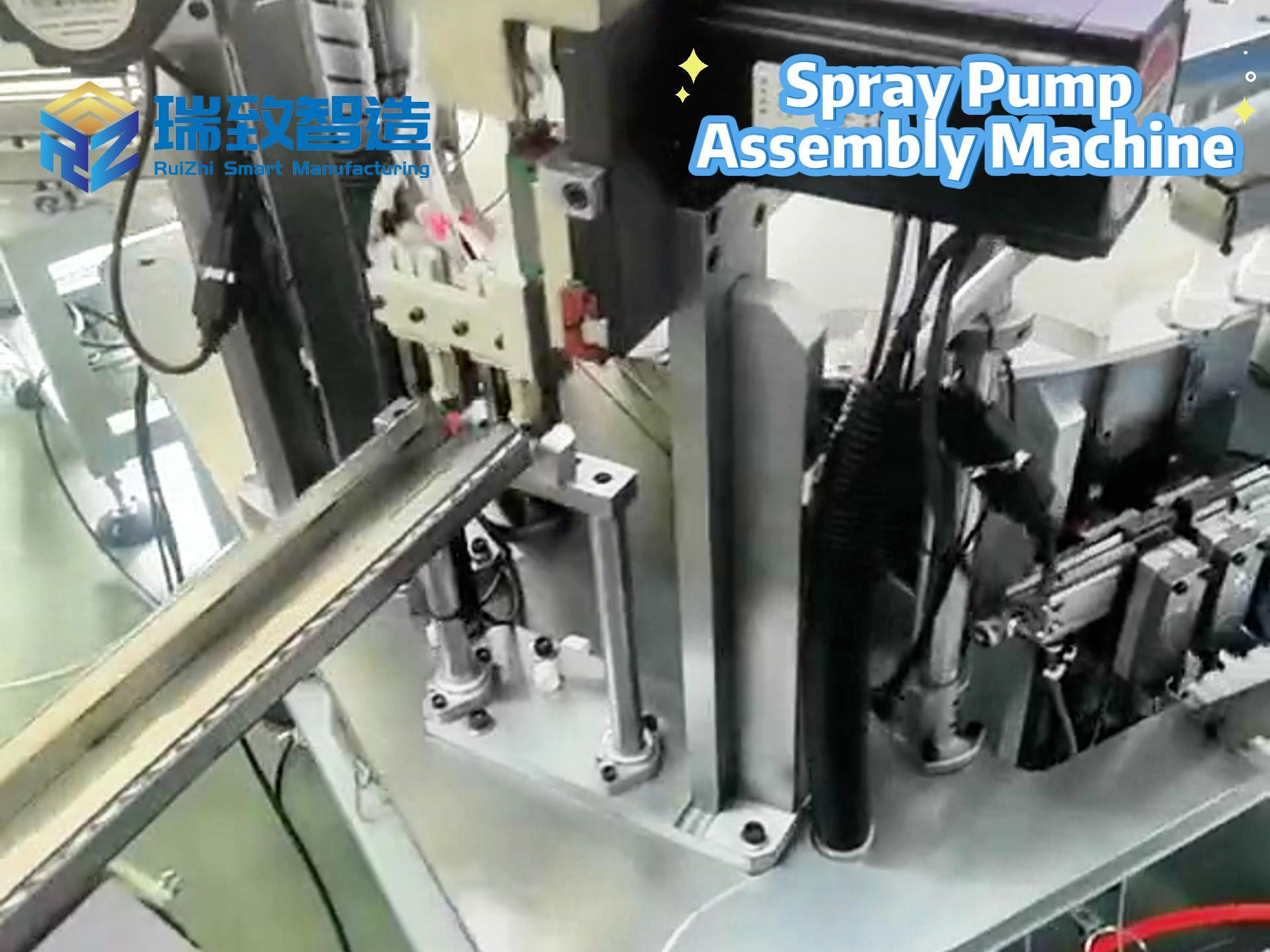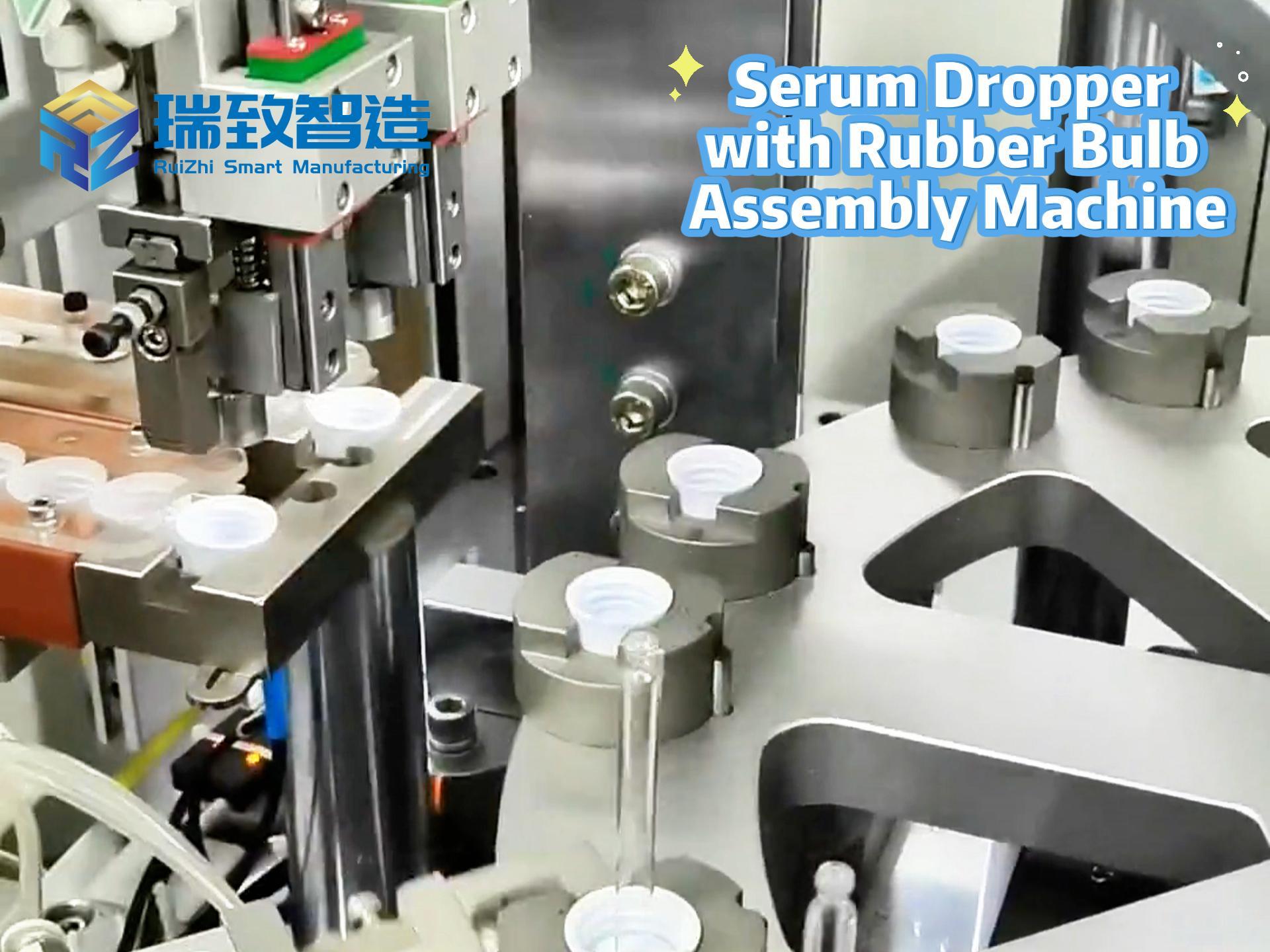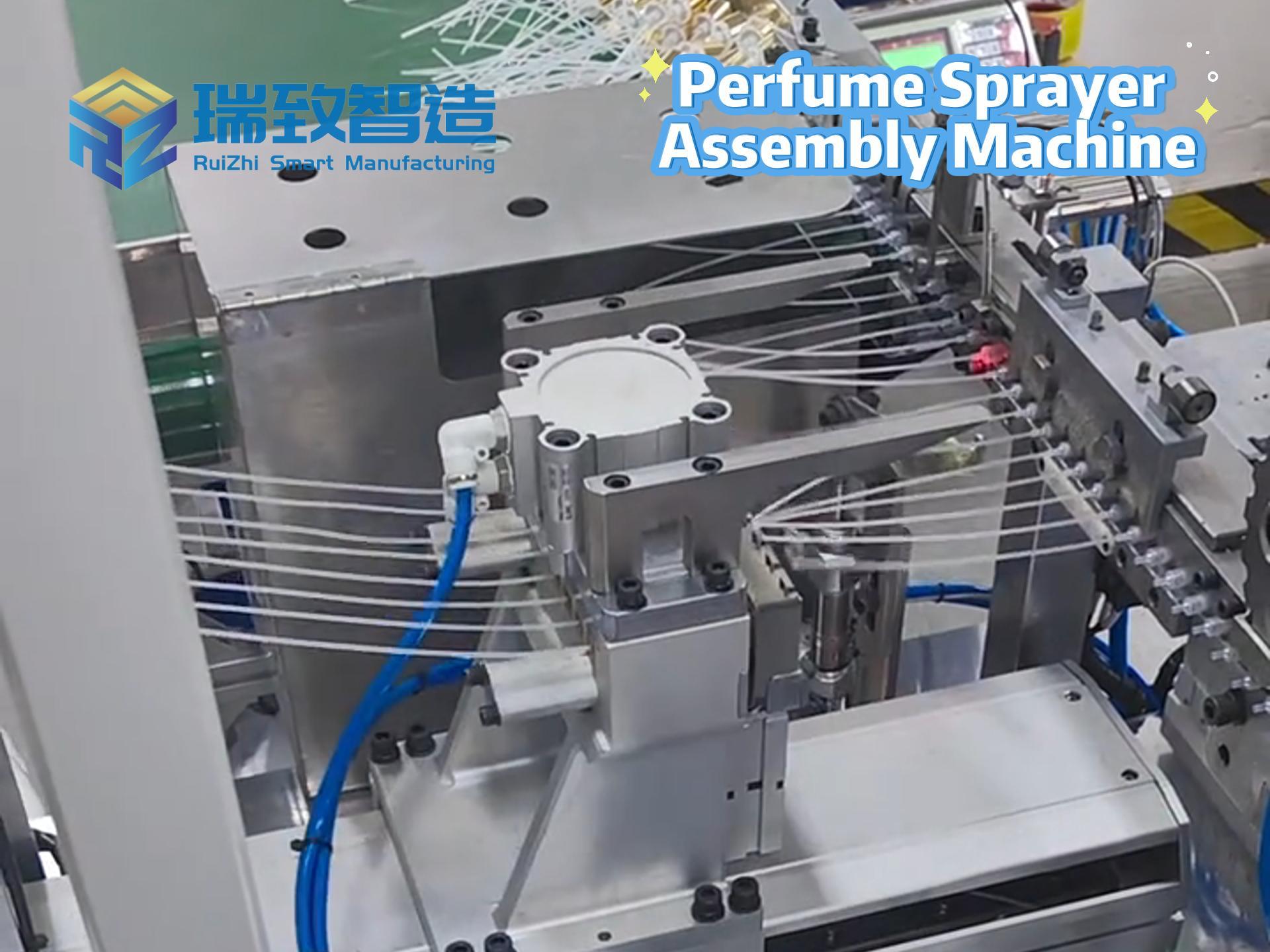
1. The Global Nebulizer Market Is Booming — But Can Your Assembly Line Keep Up?
The numbers tell a compelling story.
The global nebulizer market was valued at USD 976 million in 2025 and is projected to reach USD 1.67 billion by 2034, growing at a CAGR of 6.3%.
The medical-use nebulizer segment alone is expected to climb from USD 2.66 billion in 2025 to USD 4.65 billion by 2032.
Meanwhile, the global medical device assembly automation equipment market is expanding from USD 2.28 billion (2025) to USD 4.35 billion by 2032 at a remarkable CAGR of 9.7%.
That’s the opportunity. Here‘s the challenge: How do you scale nebulizer production to meet surging global demand while maintaining medical-grade quality, ISO 13485 compliance, and strict cost control — especially when FDA QMSR took full effect in February 2026 and EU MDR enforcement continues to tighten?
The answer is RuiZhi’s Nebulizer Assembly Machine.
2. Open‑Loop or Adaptive? Why 2026 Demands a Smarter Assembly Line
Let’s imagine two assembly lines — side by side.
On the left, a traditional manual line: eight to ten operators per shift produce roughly 800 to 1,200 units daily.
Defect rates hover around 3% to 5% caused by misaligned nozzles, poor seal integrity, or inconsistent electronic connections.
Every loose fitting is a compliance liability.
Every misaligned component is a patient risk. And with FDA QMSR now mandating risk‑based process control and electronic records, this line is not just inefficient — it’s a regulatory exposure.
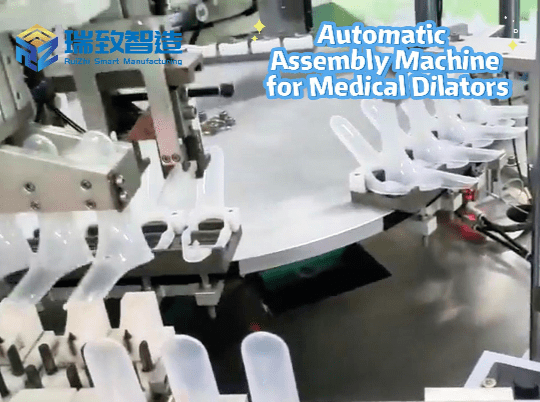
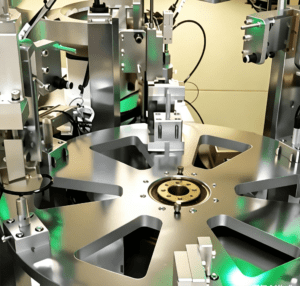
On the right, the RuiZhi Fully Automatic Nebulizer Assembly Line: just two skilled technicians operate the system, delivering 3,000 to 5,000+ units per shift — three to five times the output of a manual line. First-pass yield consistently exceeds 99%.
Material waste drops by 10% to 15%. Investment recovery typically occurs within 12 to 24 months, followed by years of lower unit costs.
| Metric | Manual Line | RuiZhi Automated Line |
|---|---|---|
| Operators per shift | 8–10 | 1–2 |
| Output per shift | 800–1,200 units | 3,000–5,000+ units |
| First‑pass yield | 95–97% | 99%+ |
| Defect rate | 3–5% | <1% |
| Material waste | Baseline | ↓10–15% |
| Model changeover | Hours | <5 minutes |
Manual assembly is no longer just inefficient — it is a regulatory liability. The choice isn‘t subtle.
3. Precision at the Micron Level — Engineered for Critical Respiratory Devices
Nebulizer performance hinges on tight tolerances.
Nozzle alignment (±0.1 mm matters), reservoir seal integrity, and proper electronic connections for mesh‑driven or vibrating‑membrane circuits.
Manual lines cannot maintain this consistency across shifts and operator fatigue cycles.
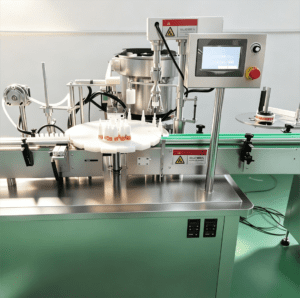
The RuiZhi machine uses high-response servo motors and smart sensors to achieve positioning accuracy of ±0.15 mm — and can be configured down to ±0.02 mm with real-time force control.
Key processes — nozzle installation, sealing ring placement, reservoir assembly, PCBA docking, and shell fitting — are fully automated and continuously monitored in a closed-loop adaptive system.
For a mesh nebulizer that depends on a membrane just 0.1 mm thick, this precision is not a luxury. It is a clinical requirement.
4. Smarter Quality Control: In‑Line, Adaptive, Audit‑Ready
Traditional end-of-line sampling catches defects only after material and labor are already invested.
By then, the cost of rework or scrap has already been incurred.
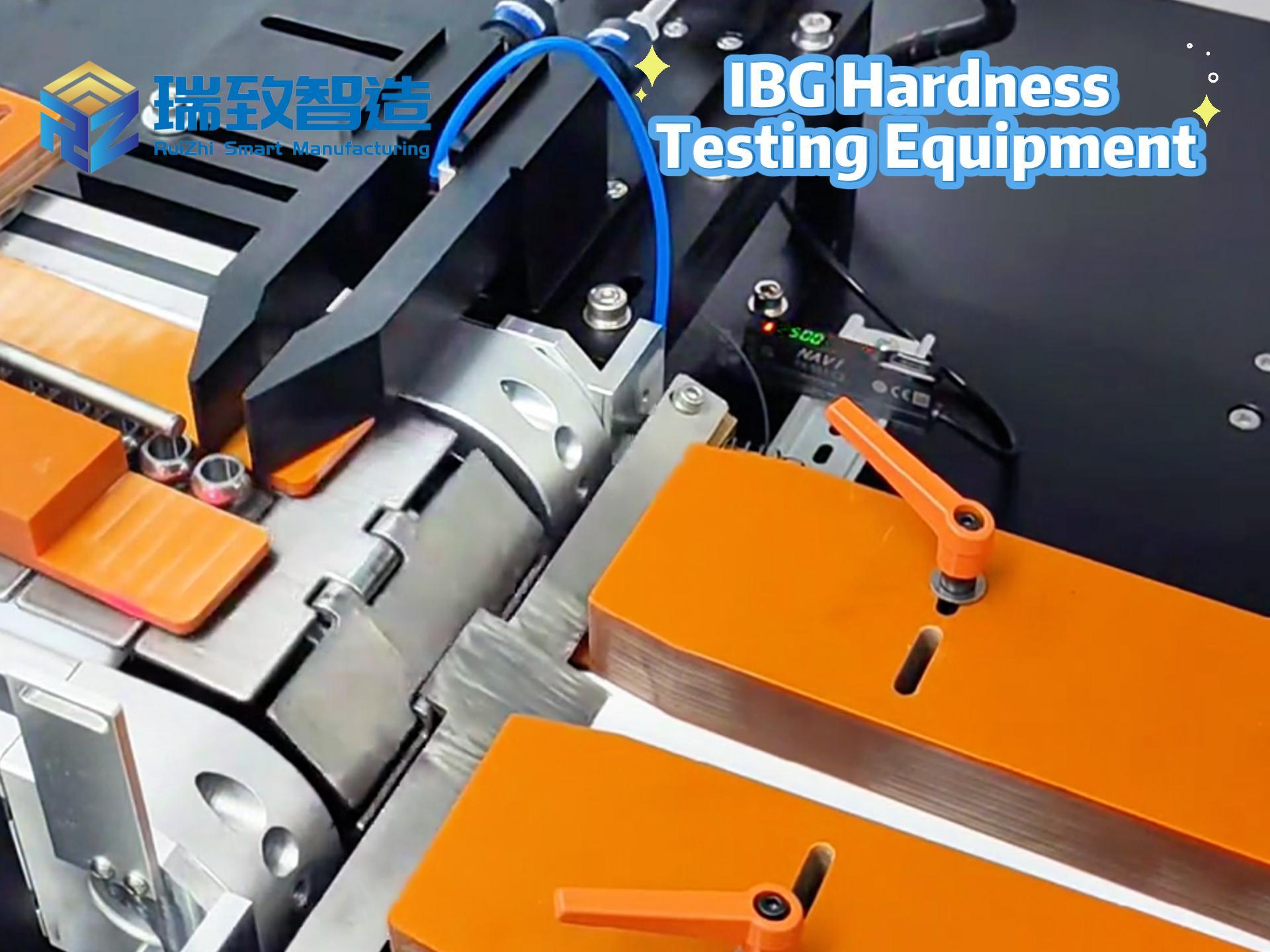
The RuiZhi system integrates adaptive quality control at every station — automatically performing air leak tests, electrical continuity checks, and assembly force verification in real time.
If a parameter drifts outside tolerance, the system immediately adjusts servo parameters or rejects the faulty component.
The result: an online pass rate consistently exceeding 99%.
For manufacturers subject to ISO 13485, FDA QMSR, and CE audits, this closed-loop control provides an audit‑ready digital trail that manual assembly simply cannot offer.
Every unit is traceable. Every parameter is recorded — not because regulation demands it, but because smart manufacturing makes it automatic.
5. Fast Changeover, Maximum Flexibility
Jet nebulizers, mesh nebulizers, ultrasonic models — each has its own structure and assembly sequence.
RuiZhi’s modular tooling and quick-change fixture systems let you switch between different SKUs in minutes, not hours. Customizable to fit your exact product specifications with minimal downtime.
6. Built for 24/7 Production — and Backed by a Decade of Excellence
Since 2014, Xiamen RuiZhi Intelligent Technology Co., Ltd. has specialized in non-standard automation equipment and industrial automation solutions.
Our equipment is engineered for uninterrupted 24-hour production, featuring robust frames, premium components, and intelligent fault self‑diagnosis.
ISO 13485, CE, and FDA compliance are embedded into every system’s design.
7. Are You Ready to Capture Your Share of the USD 1.67 Billion Nebulizer Market?
The window of opportunity in respiratory healthcare manufacturing is wide open — but it won’t stay that way forever.
Manufacturers who embrace automation now will capture market share.
Those who hesitate will be squeezed by rising labor costs, quality escapes, and compliance risk.
Don’t let your nebulizer line sit on a seven‑figure ROI.
Contact RuiZhi Intelligent Manufacturing today. Let ’s build your fully automated future together.
Top 5 Trending Topics
-
#FDA QMSR 2026— How the new Quality Management System Regulation is reshaping medical device assembly compliance -
#Industry 4.0 in MedTech— Integrating smart sensors, MES connectivity, and real‑time quality control into respiratory device manufacturing -
#Nebulizer Market Growth 2026— Rising asthma and COPD prevalence, aging populations, and home healthcare expansion driving demand -
#Microautomation for Medical Devices— Ultra‑compact robotics, sub‑0.05 mm precision, and AI‑driven inspection for miniature component assembly -
#Medical Device Assembly ROI— 12‑month payback, 70%+ labor reduction, and the business case for automation in respiratory care