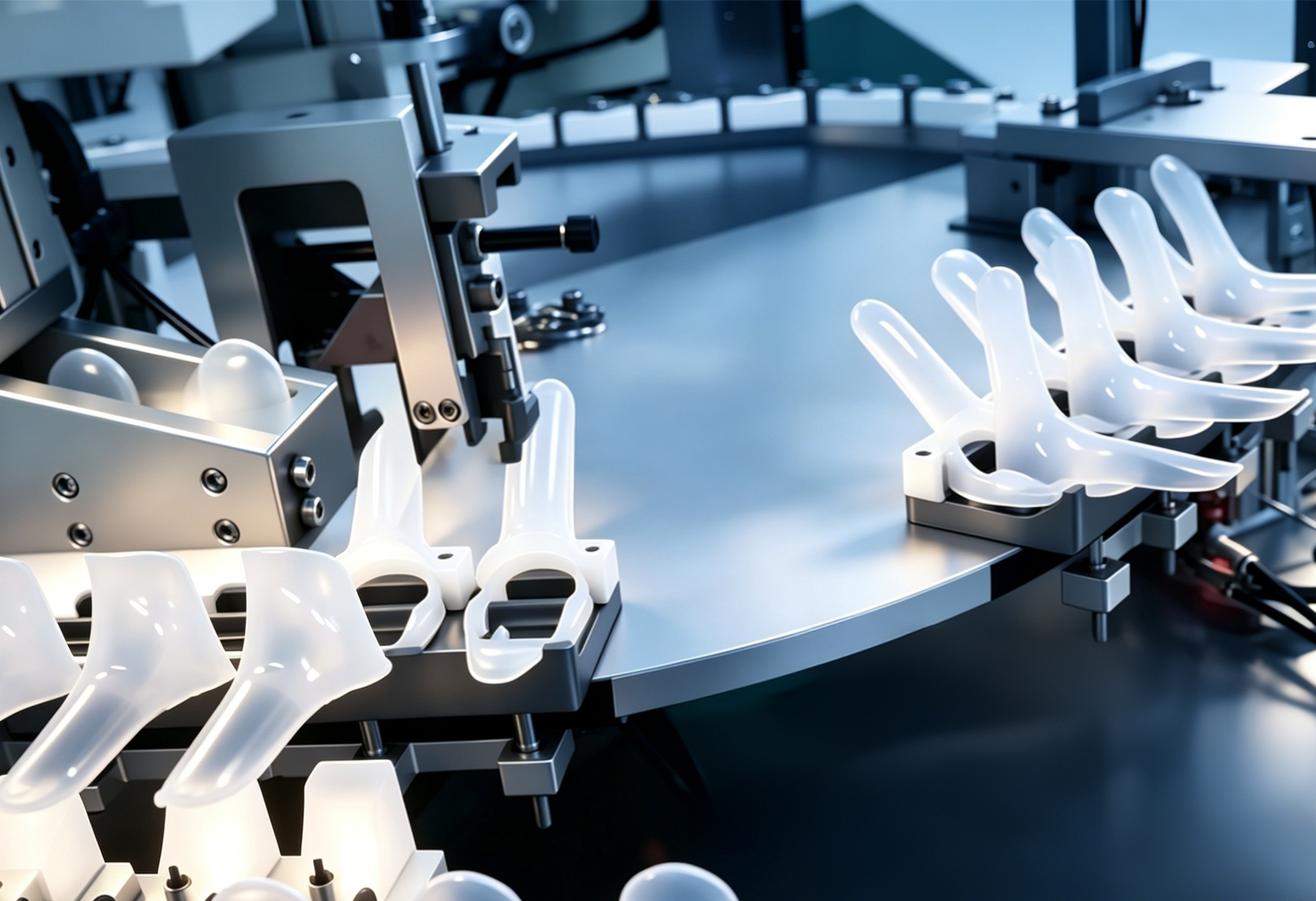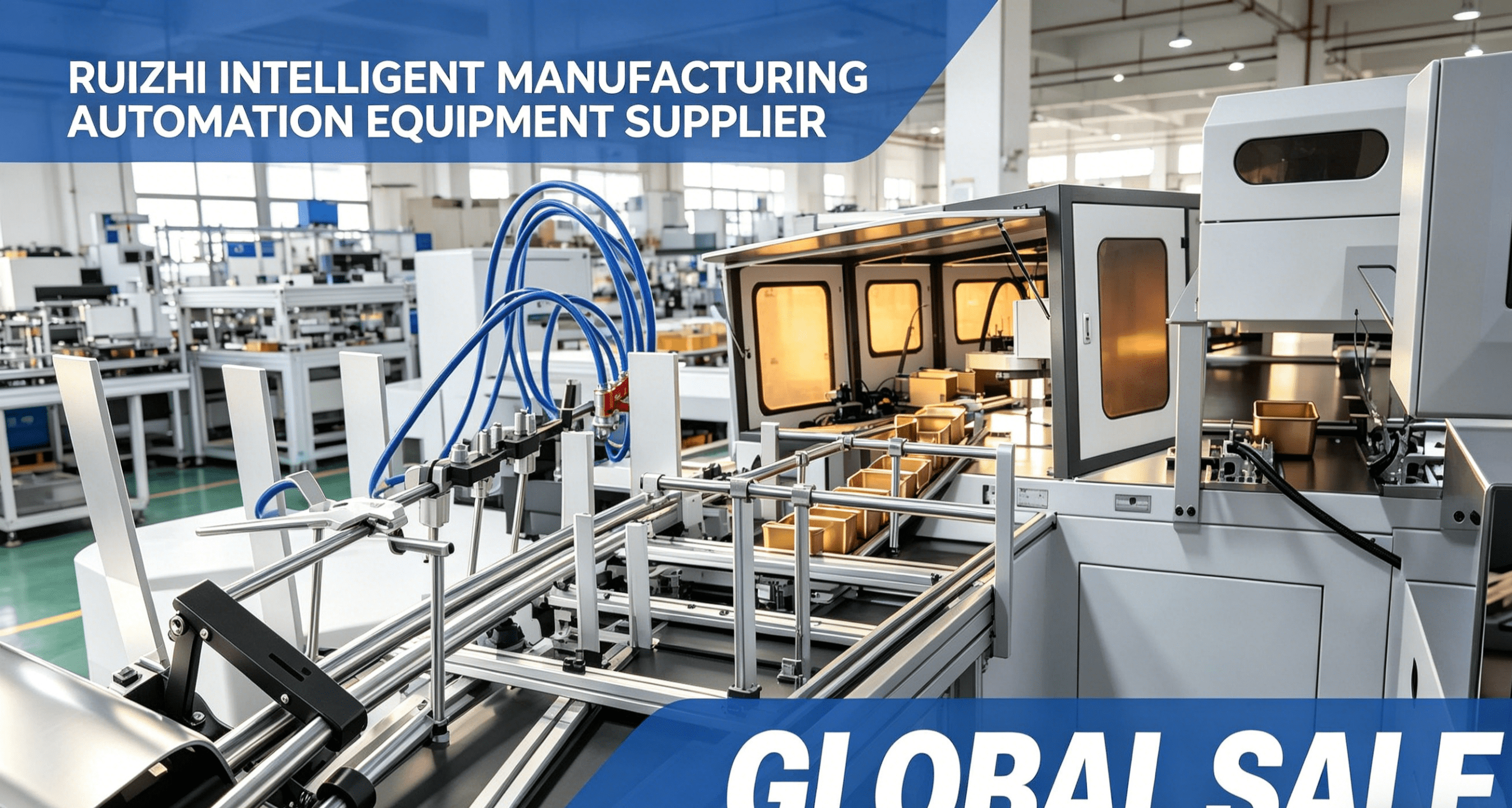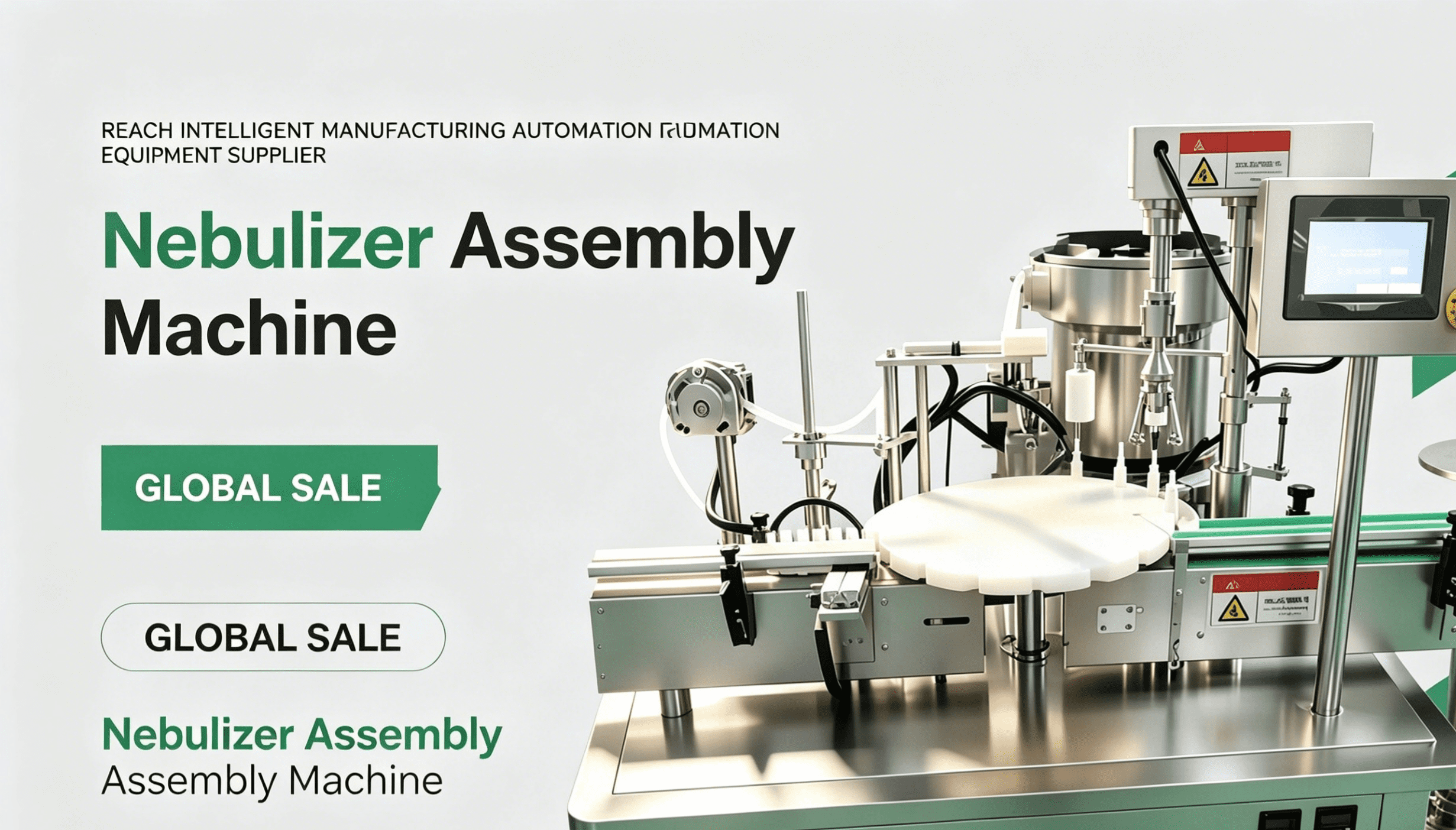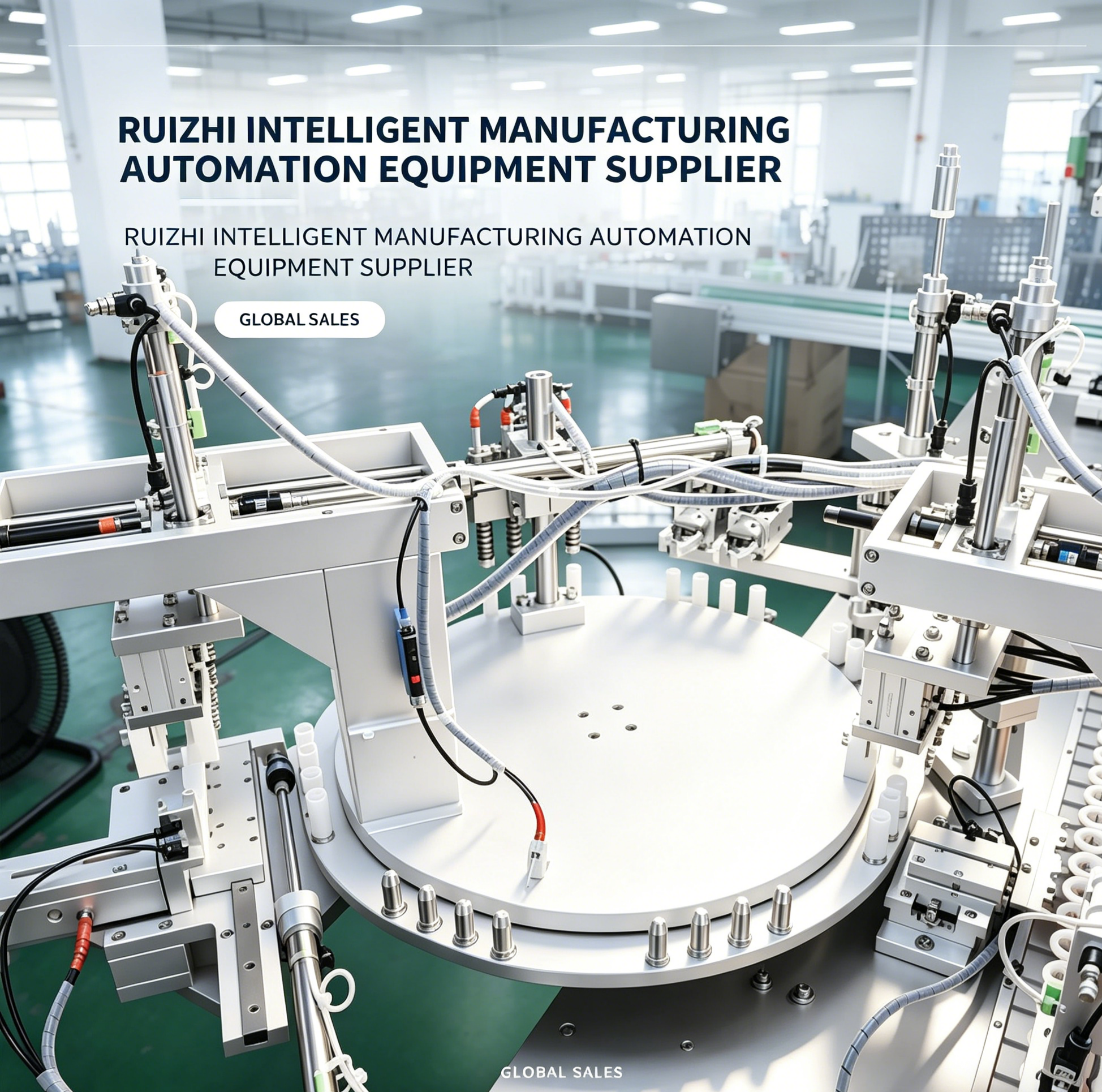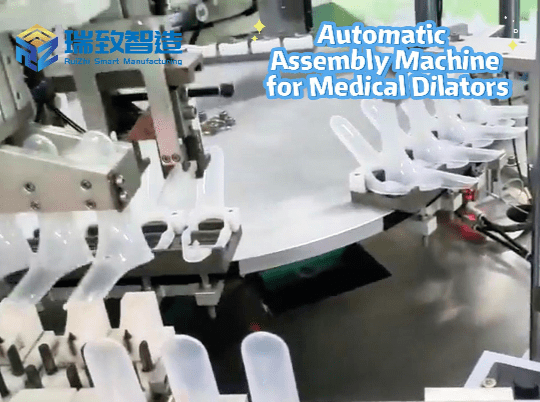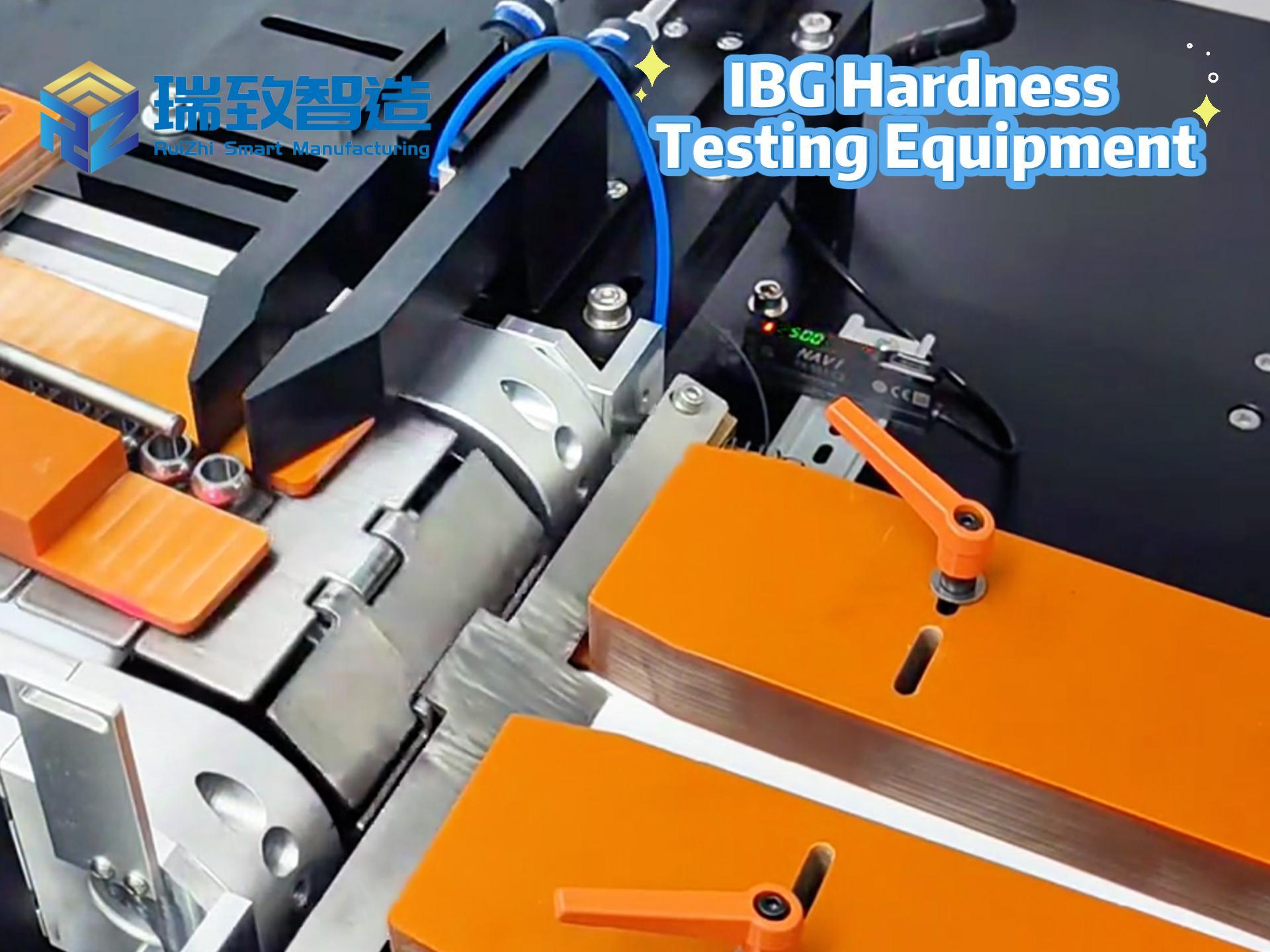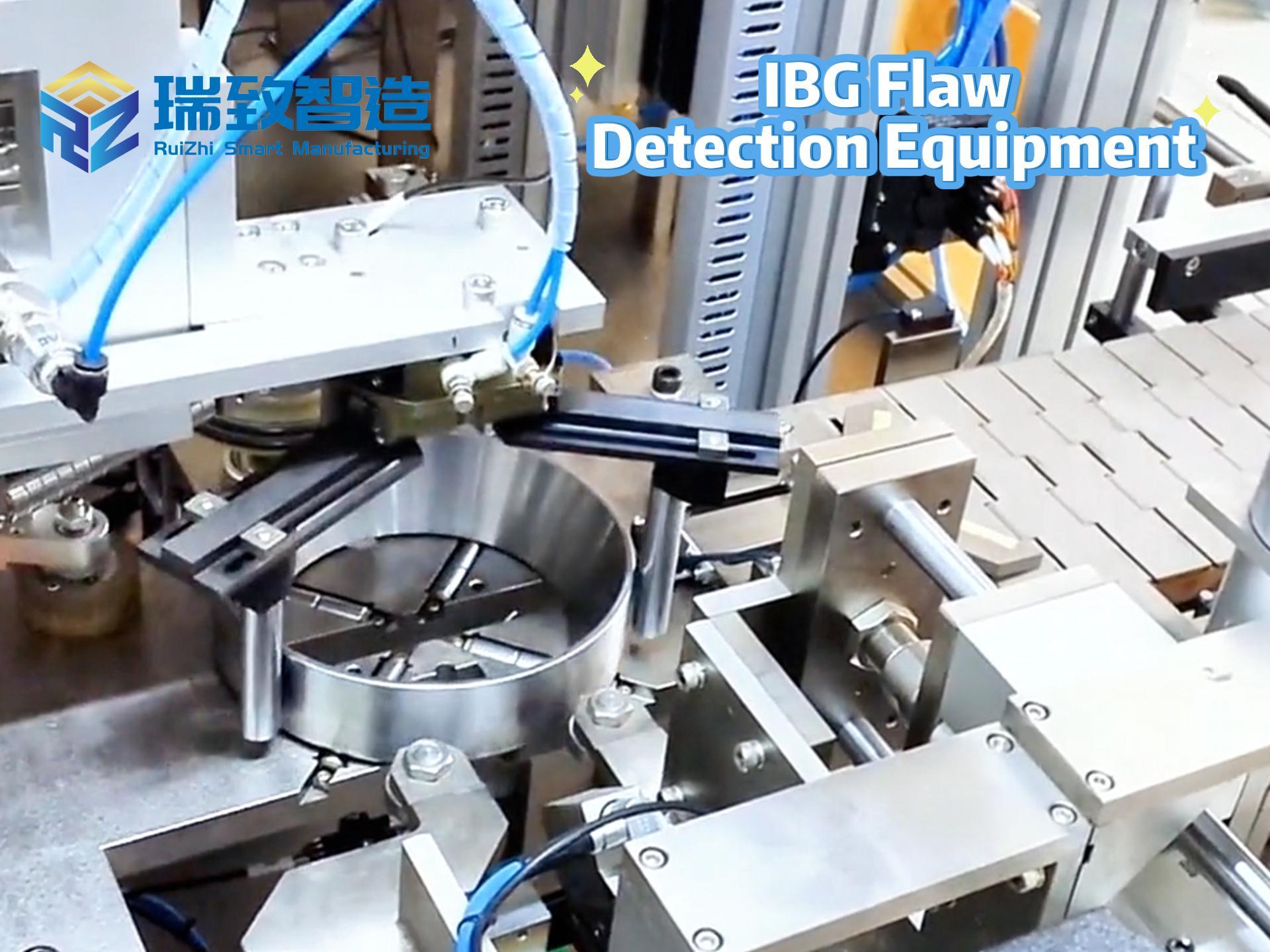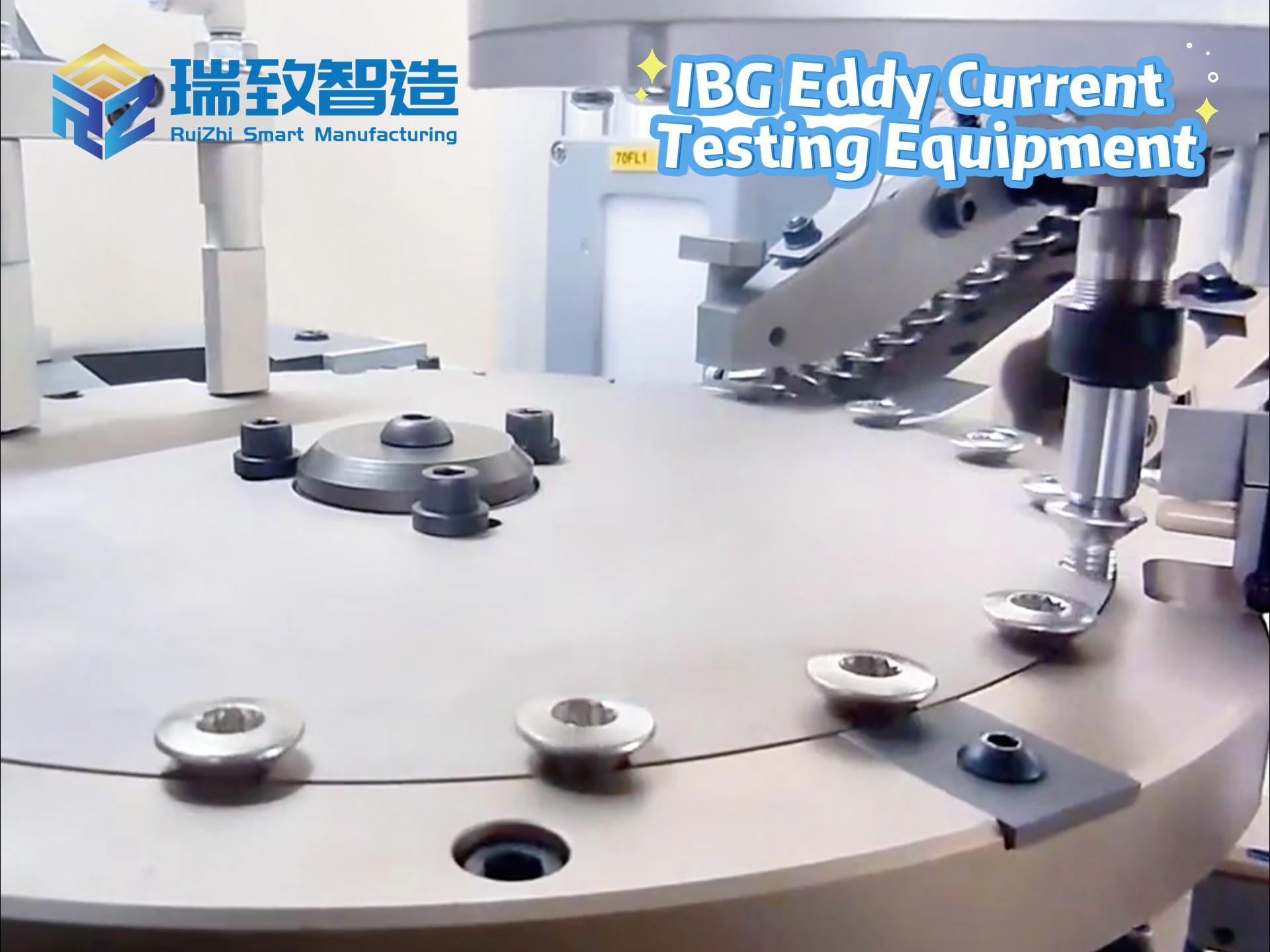
The medical device industry is changing — fast.
Global syringe demand is climbing across every segment. Vaccination programs continue to expand. Chronic diseases are on the rise. And the shift toward biologics and prefilled syringes has accelerated beyond what anyone predicted five years ago.
But for manufacturers trying to keep pace, a quiet crisis is unfolding on the production floor: manual assembly lines are failing.
Not dramatically. Not overnight. But slowly, steadily, and irreversibly.
The manual bottleneck
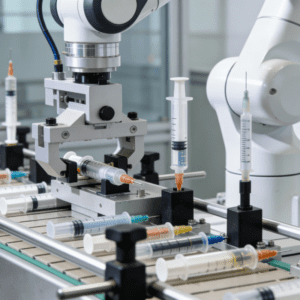
Walk into any traditional syringe assembly facility today. You will see rows of workers performing the same motions — feeding barrels, inserting plungers, seating gaskets, attaching needles, capping. Six to eight operators per shift, moving at the speed of human hands.
That speed is not fast enough anymore.
Meanwhile, the quality gap is widening. A 3% to 5% defect rate might have been acceptable a decade ago. Today, regulators expect better. Patients deserve better. And competitors with automated lines are delivering better — consistently.
What automation actually solves
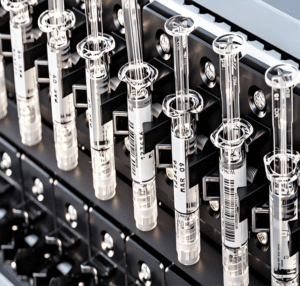
The case for syringe automation is not just about replacing people with machines. It is about three things that manual lines simply cannot do well.
First, consistency. A robotic system performs the exact same motion, with the exact same force, thousands of times without deviation. No tired hands. No off days. No variability between shifts.
Second, traceability. Manual assembly produces paper logs and handwritten notes — difficult to audit and even harder to trust. Modern automated equipment captures every assembly parameter in real time, creating a digital record that regulators recognize and respect.
Third, flexibility. Syringe designs are anything but uniform. Luer slip. Luer lock. Safety syringes. Auto-disable. Prefilled. Different sizes, different materials, different customer specifications. On a manual line, switching between these configurations takes hours — sometimes an entire shift. On a flexible automated system, changeover happens in minutes.
The compliance reality check
If you are a medical device manufacturer reading this, you already know what is coming. FDA QMSR is here. EU MDR is tightening. ISO 13485 expectations continue to rise.
Manual assembly lines struggle to meet these requirements. Spreadsheets and handwritten logs do not constitute compliance. When an auditor asks to see batch records, you cannot afford to scramble. You need data — instantly, verifiably, and audit-ready.
Automation is not just a productivity tool anymore. It is a compliance requirement.
Where the industry is headed
The numbers tell the story. The global syringe market was valued at over $10 billion in 2026 and continues to climb. Prefilled syringes — the fastest-growing category — are expanding even more rapidly.
But markets do not wait for manufacturers to catch up. The facilities that will win in this environment are not the ones with the most workers. They are the ones with the smartest systems — automated, integrated, and built for Industry 4.0.
The decision you make today
Upgrading to automated syringe assembly equipment is not a small decision. It requires investment, planning, and change.
But the alternative is smaller. It means accepting lower throughput, higher defect rates, and mounting regulatory risk. It means watching competitors pull further ahead.
The technology exists. The market demands it. The only question is whether you move now — or play catch-up later.
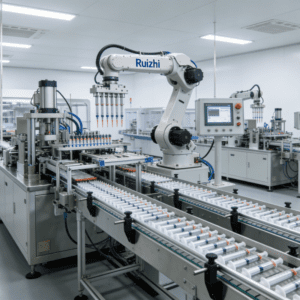
RuiZhi Intelligent Manufacturing has been building custom automation solutions for the medical device industry since 2014. Our syringe assembly equipment is designed to handle the full range of syringe types, integrate with MES for full traceability, and deliver the consistency that modern regulators expect.
➡️ Contact RuiZhi Automation today to discuss your production needs.
#SyringeAssemblyEquipment #MedicalDeviceAutomation #Industry40 #PrefilledSyringeProduction #FDACompliantManufacturing