
Food Packaging Automation Upgrades: End-to-End Innovation from “Productivity Efficiency” to “Safety Protection”

Food Packaging Automation Upgrades: End-to-End Innovation from “Productivity Efficiency” to “Safety Protection” Driven by the food industry’s characteristics of “high-frequency consumption and safety-first”, food packaging automation equipment is no longer just a tool to boost production capacity, but a core barrier building a safety line “from production line to dining table”. From beverage filling to snack sorting, cold chain packaging to ready-to-eat food sealing, automation technologies are 破解 the industry dilemma of “difficulty balancing efficiency and safety” through three breakthroughs: “high-speed precision + aseptic design + intelligent detection”, redefining food manufacturing’s “quality standards”. I. Technical Characteristics of Food Packaging Automation: Industry Adaptation in Three Dimensions Requirements for automation equipment in […]
Innovation in Medical Automation Equipment: Dual Breakthroughs in Compliance and Efficiency
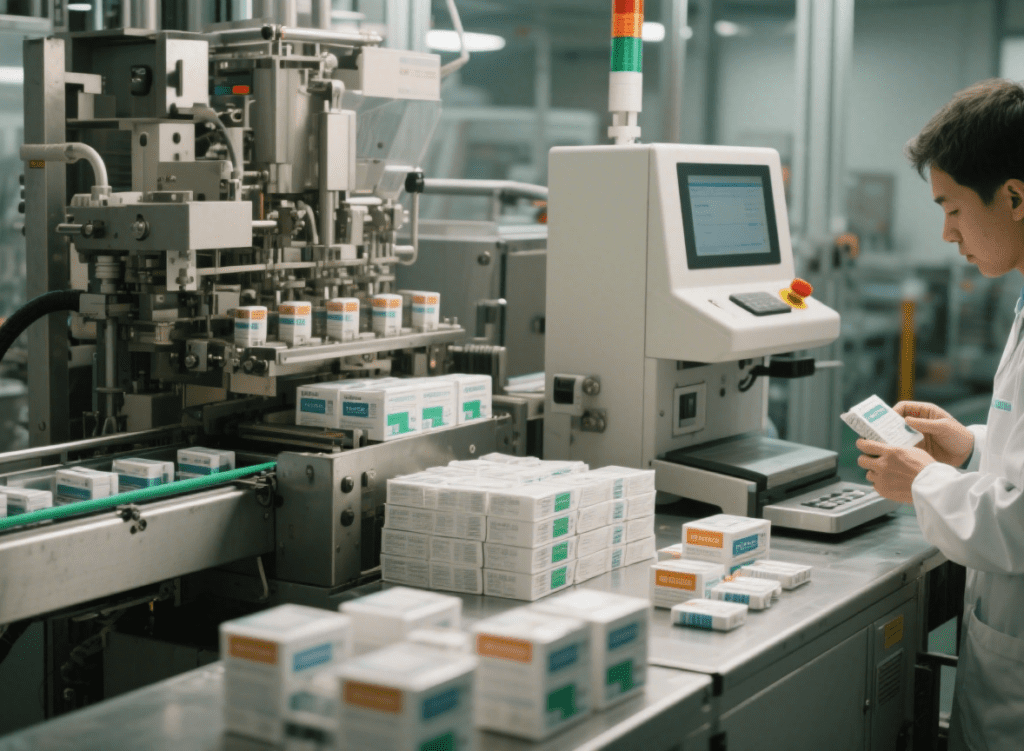
Innovation in Medical Automation Equipment: Dual Breakthroughs in Compliance and Efficiency Under the strict requirements of “high precision, high compliance, and high safety” in the medical industry, medical automation equipment is no longer just an “efficiency tool” but a core infrastructure critical to patient safety and enterprise compliance. From reagent filling to surgical instrument assembly, and from sterile packaging to in vitro diagnostics (IVD) production lines, automation technologies are 破解 the industry challenge of “difficulty in balancing efficiency and compliance” through “micron-level precision control + full-process traceability + aseptic design”. I. Technical Barriers of Medical Automation: Industry Specificity in Three Dimensions Requirements for automation equipment in medical scenarios far exceed […]
Flexible Automation Production Line Design: Cracking the Dilemma of Multi-Variety Production

Flexible Automation Production Line Design: Cracking the Dilemma of Multi-Variety Production In today’s manufacturing landscape where “multi-variety, small-batch” production has become the norm, the concept of “one production line = N products” is no longer a vision but a survival necessity. The core of a flexible automation production line lies in its “modular architecture + intelligent scheduling,” enabling the line to “transform”—efficiently producing single products, quickly switching between varieties, or even conducting mixed-flow production in the same period. From 3C electronics to automotive parts, medical devices to home goods, flexible lines are redefining the boundaries of “economies of scale.” I. Design Logic of Flexible Production Lines: Hardware “Detachable” + Software […]
Intelligent Visual Inspection System: Equipping Automation Equipment with “Smart Eyes”

Intelligent Visual Inspection System: Equipping Automation Equipment with “Smart Eyes” In automated production lines, “seeing accurately” is the prerequisite for “doing correctly”. The breakthrough of intelligent visual inspection systems has evolved equipment from “blind execution” to “precise perception”—through technologies like 3D structured light and AI defect recognition, it achieves millimeter-level precision inspection within milliseconds, even identifying subtle defects invisible to the human eye. From cracks in electronic chips to medical packaging seals, and from food foreign objects to new energy battery flaws, visual inspection is redefining the “quality defense line”. I. Technological Revolution: Dual Breakthroughs from “Seeing” to “Understanding” The core of intelligent visual inspection lies in the collaborative innovation […]
Industrial Robot Integration Applications: Unlocking the Code for Production Line Automation Upgrades
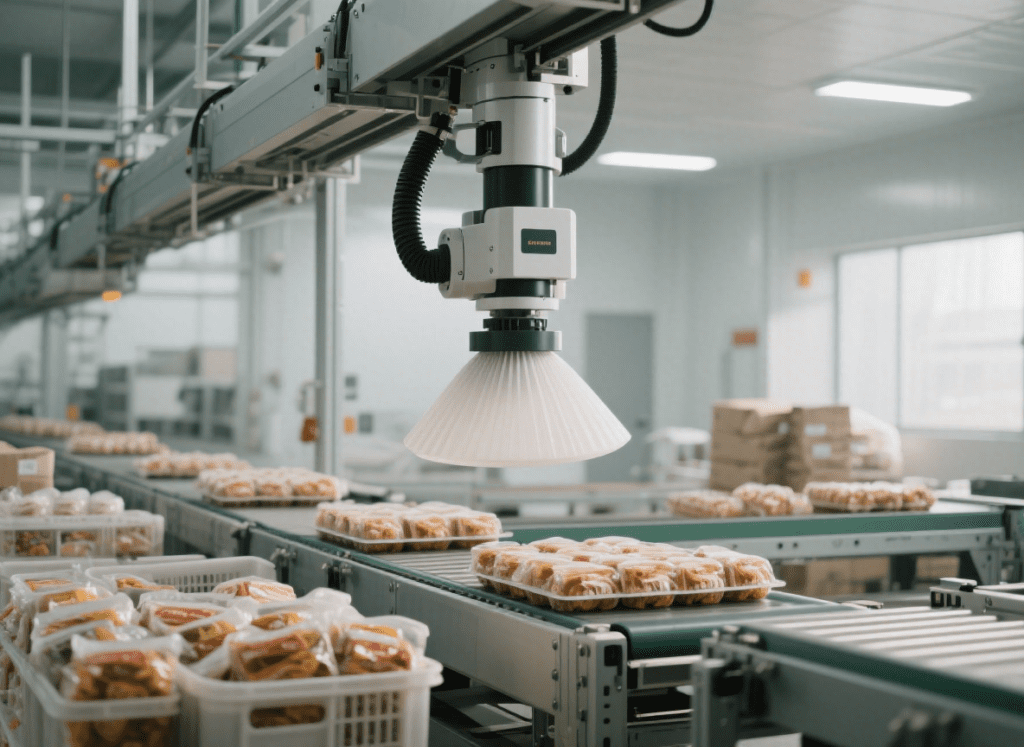
Industrial Robot Integration Applications: Unlocking the Code for Production Line Automation Upgrades In the new normal of “multi-variety, small-batch” manufacturing, upgrading production line automation is no longer just about “replacing humans with machines.” Instead, it achieves deep integration of hardware, software, and processes through industrial robot integration applications, constructing flexible and efficient production systems. From automotive parts to 3C electronics, and from injection molding to welding, robot integration is redefining the “evolution path” of production lines. I. Technical Architecture of Robot Integration: A Collaborative Revolution of Hardware, Software, and Processes Industrial robot integration is not a “solo operation” of robotic arms but a complex systems engineering: 1. Hardware Layer: Precise […]
The Embryonic Form of Future Factories: How Flexible Automatic Assembly Equipment Defines the Next-Generation Manufacturing Paradigm
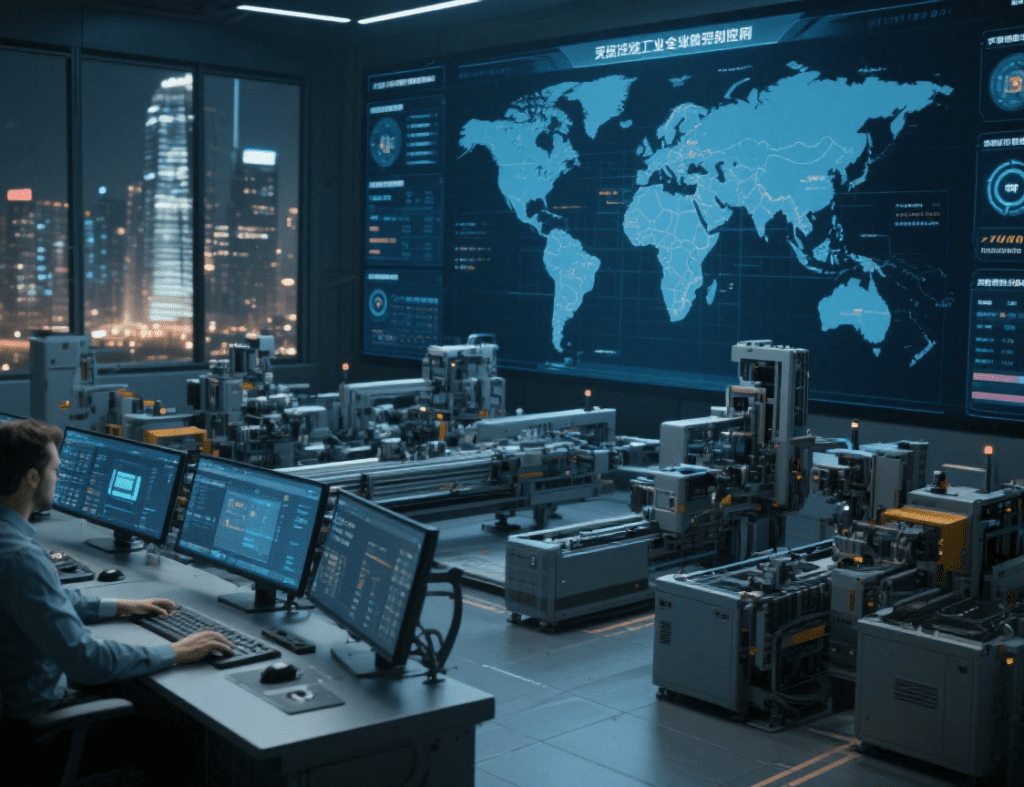
The Embryonic Form of Future Factories: How Flexible Automatic Assembly Equipment Defines the Next-Generation Manufacturing Paradigm Introduction As Tesla’s Giga Press die-casts 70 parts into a single vehicle body component, and Siemens’ AMAPOLA project achieves “zero-drawing” autonomous production, flexible automatic assembly equipment is breaking through its positioning as an “efficient execution tool” and evolving into the core engine defining the next-generation manufacturing paradigm. This article delves into the frontiers of technological testbeds, analyzes three disruptive directions—”autonomous decision-making systems,” “bio-manufacturing integration,” and “resilient manufacturing networks”—and combines cases such as Airbus’ “Future Factory” and Boston Dynamics’ robot clusters to reveal the manufacturing revolution from “flexible production” to “intelligent evolution”—the future factory is […]
The New Dimension of Sustainable Manufacturing: How Flexible Automatic Assembly Equipment Empowers Green Production
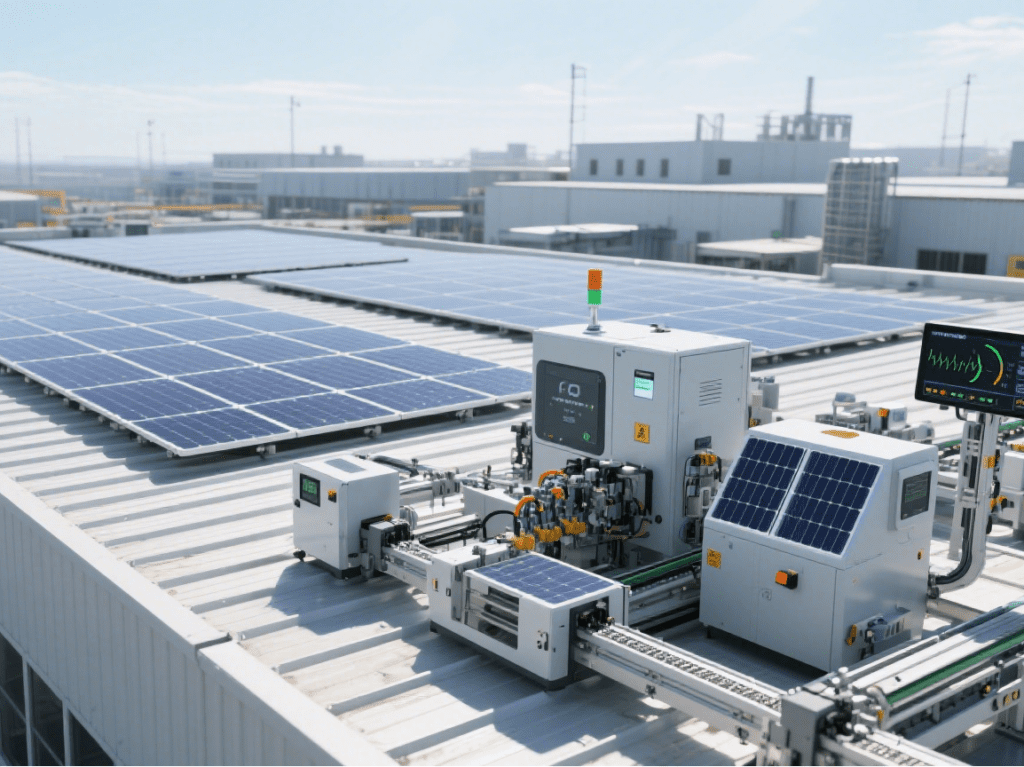
The New Dimension of Sustainable Manufacturing: How Flexible Automatic Assembly Equipment Empowers Green Production Introduction Against the backdrop of the “Double Carbon” goals and the rise of ESG (Environmental, Social, Governance) investment, manufacturing is shifting from “efficiency-first” to “dual-drive of green and efficiency.” With core advantages of “precise control, rapid model switching, and resource reuse,” flexible automatic assembly equipment has become a key solution to address traditional manufacturing pain points of “high energy consumption, excessive waste, and difficult recycling.” This article explores three dimensions—energy optimization, material saving, and circular production—combined with industry practices in photovoltaics, lithium batteries, and electronic recycling, revealing how flexible equipment transforms “green manufacturing” from a concept […]
The New Path of Human-Machine Skill Transfer: How Flexible Automatic Assembly Equipment Cultivates “Intelligent Industrial Workers”
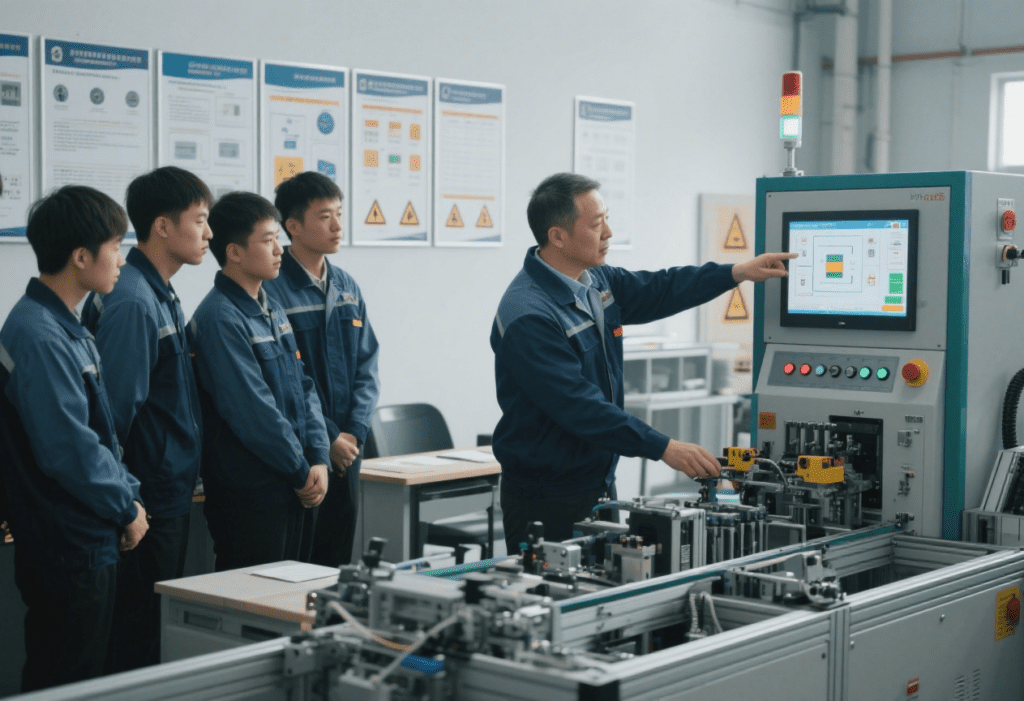
The New Path of Human-Machine Skill Transfer: How Flexible Automatic Assembly Equipment Cultivates “Intelligent Industrial Workers” Introduction In the process of flexible automatic assembly equipment accelerating the substitution of traditional workstations, “machine replacement” triggers not a labor crisis but a “skill reconstruction revolution”—industrial workers are transforming from “repetitive executors” to “human-machine collaborators.” This article analyzes three core mechanisms: AR immersive training, digital twin practical training, and skill data precipitation. Combining the upgrading of Germany’s dual-system education and China’s industry-education integration practices, it reveals how flexible equipment becomes a “bridge for skill transfer,” enabling workers to evolve from “afraid of machines” to “proficient in intelligence,” and ultimately constructing a new labor […]
The New Ecosystem of Supply Chain Collaboration: How Flexible Automatic Assembly Equipment Reconstructs Manufacturing Networks

The New Ecosystem of Supply Chain Collaboration: How Flexible Automatic Assembly Equipment Reconstructs Manufacturing Networks Introduction Under the dual pressures of “fragmented consumer demand” and “escalating supply chain uncertainties,” traditional “chain-type supply chains” are accelerating their evolution into “networked manufacturing ecosystems.” Flexible automatic assembly equipment is no longer confined to improving efficiency within enterprises; instead, it integrates into the industrial internet as an “intelligent node,” driving the manufacturing network’s shift from “plan-driven” to “demand-pull.” This article analyzes three models—distributed manufacturing, capacity sharing, and real-time collaboration—combined with platform practices like Haier COSMOPlat and Siemens MindSphere, revealing how flexible equipment reshapes the collaborative logic of industrial chains and makes “global collaborative production […]
Software-Defined Flexibility: How Industrial Software Reshapes the “Brain” of Automatic Assembly Equipment
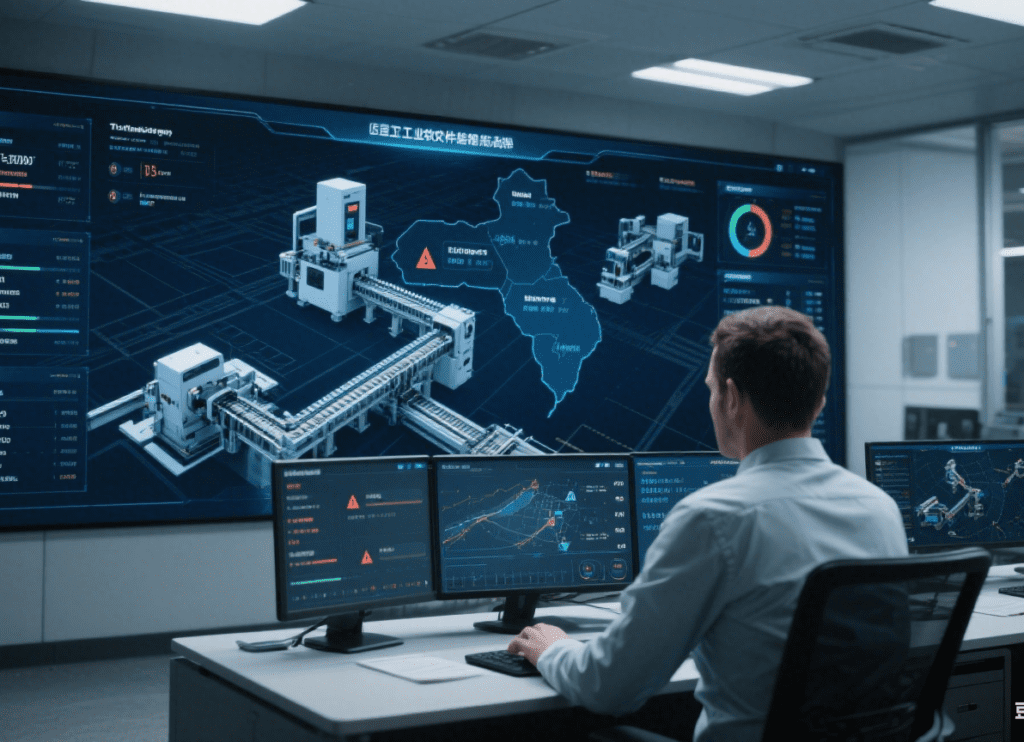
Software-Defined Flexibility: How Industrial Software Reshapes the “Brain” of Automatic Assembly Equipment Introduction As robotic arms break through micron-level precision and hardware modular design enables minute-level model switching, the ultimate bottleneck of flexible automatic assembly equipment has shifted from “hardware capability” to “software intelligence”—industrial software, as the “nerve center” of equipment, is evolving from a traditional “programming control tool” to an “autonomous decision-making system.” This article deeply analyzes core software technologies such as PLCopen motion control, digital twin debugging, and AI process optimization, revealing how software architectures from vendors like Siemens, Beckhoff, and Inovance upgrade equipment from “executing instructions” to “understanding requirements,” ultimately achieving the manufacturing revolution of “software-defined flexibility.” […]
The New Cost-Benefit Formula: ROI Calculation and Implementation Path of Flexible Automatic Assembly Equipment
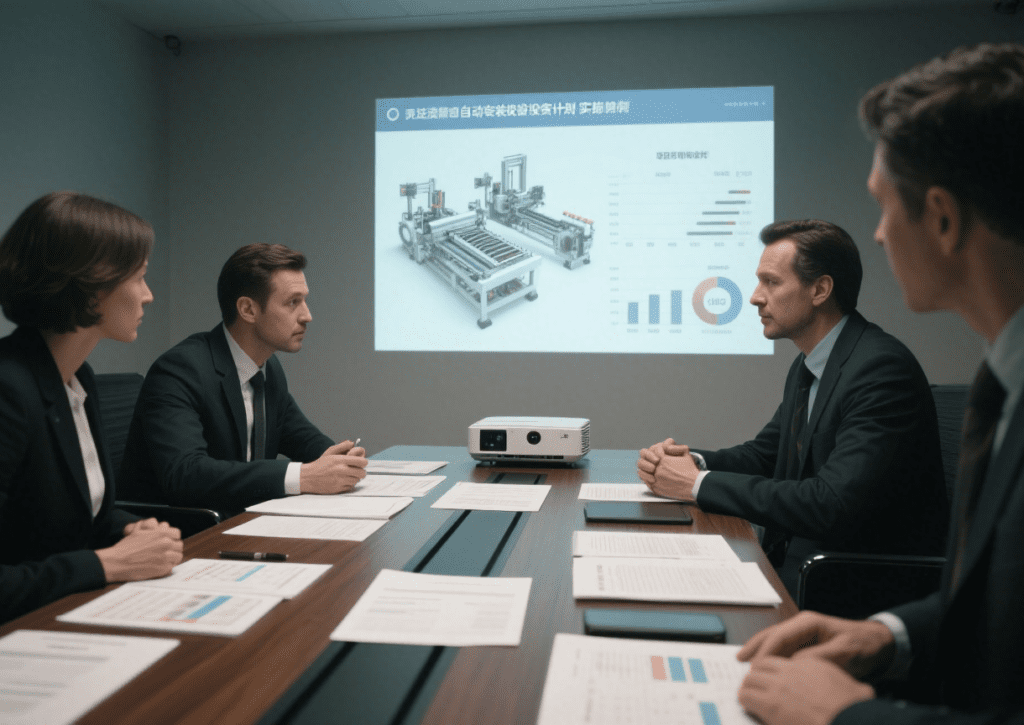
The New Cost-Benefit Formula: ROI Calculation and Implementation Path of Flexible Automatic Assembly Equipment Introduction Facing market pressures of “multi-variety, small-batch” production, SMEs commonly encounter three puzzles when introducing flexible automatic assembly equipment: “Can equipment investment be recouped within 3 years?” “How to quantify the implicit value of flexible production?” “How to avoid resource waste from blind investment?” This article constructs an ROI calculation model with 12 core indicators. Combining practical cases from automotive parts, 3C electronics, and medical device industries, it provides a full-process implementation guide from investment evaluation to continuous optimization, helping enterprises clarify the economic accounts of “flexible transformation.” I. Core ROI Calculation Model: Full-Dimensional Evaluation from […]
The New Frontier of Precision Manufacturing: How Flexible Automatic Assembly Equipment Breaks Through the Limits of Micro-Dimensional Assembly
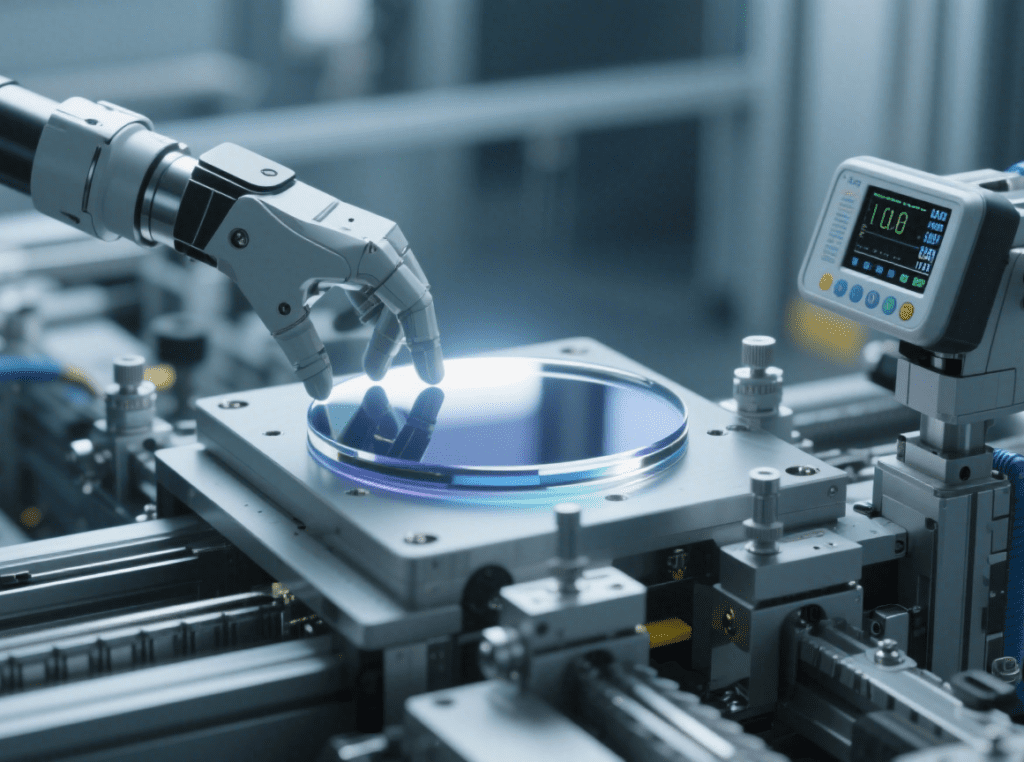
The New Frontier of Precision Manufacturing: How Flexible Automatic Assembly Equipment Breaks Through the Limits of Micro-Dimensional Assembly Introduction In precision fields such as watch movements, medical catheters, and MEMS sensors, assembly accuracy requirements have entered the “micron era” — the fit tolerance of watch gear shafts and holes ≤5μm (0.005mm), and the bonding offset of MEMS chips must be controlled within ±2μm. Traditional manual operations or rigid automated equipment can hardly meet such standards. Through the deep integration of vision technology, force control systems, and environmental control, flexible automatic assembly equipment is breaking through the precision limits of micro-dimensional assembly, making it possible for “millimeter-scale equipment to complete micron-scale […]