
フレキシブル組立機
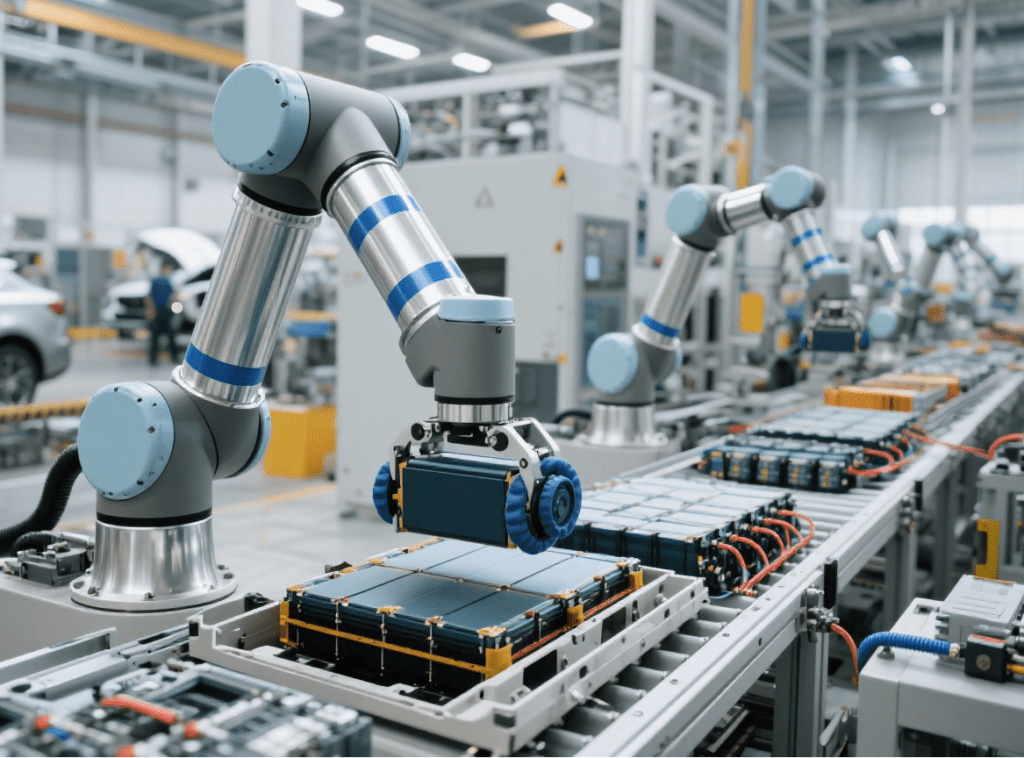
カスタマイズに対する消費者の需要が飛躍的に高まり、製品ライフサイクルが数年から数か月に短縮されている現代の製造業では、単なる生産速度よりも適応能力がより重要になっています。フレキシブル組立機械(FAM)は、この変化の最前線に立ち、自動化の精度と人間の職人技の適応性を融合させることで製品の組み立て方法を再定義しています。これらのシステムは単なるツールではなく、動的なエコシステムであり、製品バリアントの切り替え、生産の規模調整、新しいプロセスの統合が可能で、効率と品質を維持しています。この記事では、フレキシブル組立機械の中核、その技術的構成、実際のアプリケーション、そして製造業の未来を形作る役割について探ります。フレキシブル組立機械の定義:[…]
柔軟な自動化システム

消費者の需要が一夜にして変化し、グローバルサプライチェーンが複雑なパズルのようになるインダストリー4.0の時代において、製造業の最大の課題はもはや生産量を最大化することではなく、適応性を習得することです。フレキシブルオートメーションシステム(FAS)は、この新しい時代の要として登場し、工場を硬直した単一目的の機械から、カスタムスマートフォンからパーソナライズされた医療機器まで、あらゆるものを同等の効率で生産できるダイナミックなエコシステムへと変革しています。この記事では、FASがどのように産業の生産性を再定義しているか、その上昇を支えているテクノロジー、そしてそれが競争力のある製造業の礎となりつつある理由を探ります。フレキシブルオートメーションシステムの本質フレキシブルオートメーションシステムは、本質的には、ハードウェア、ソフトウェア、およびインテリジェントアルゴリズムの統合ネットワークであり、[…]
フレキシブルオートメーションシステム:製造業のパラダイムを再構築
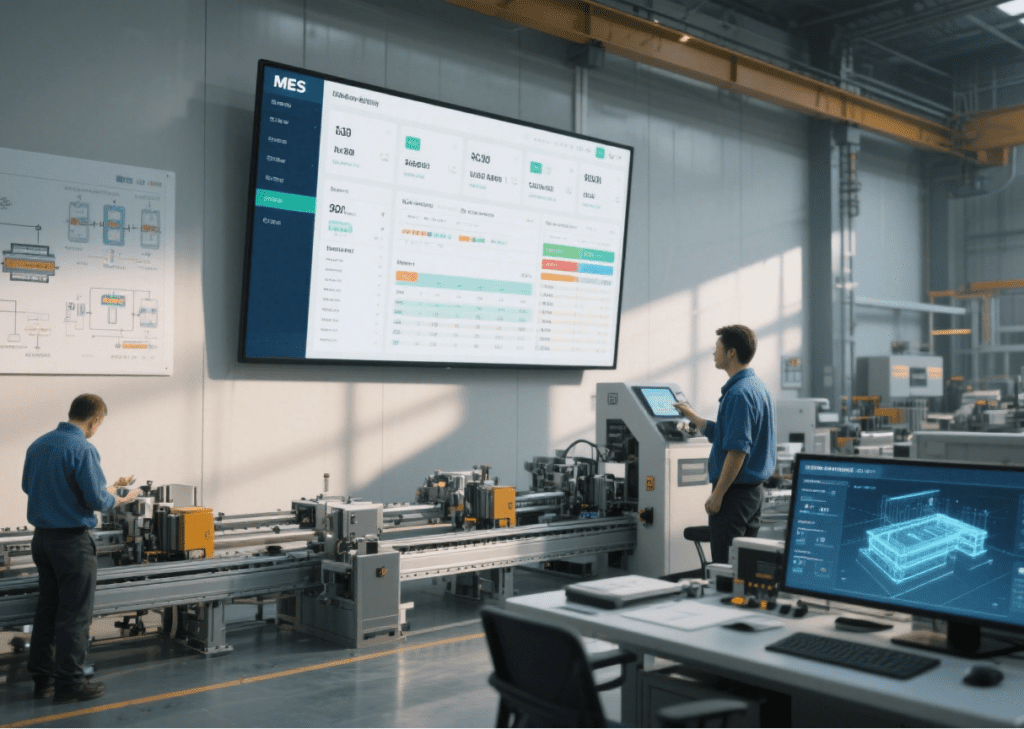
はじめに:製造業の「柔軟性革命」前夜 パーソナライズされた消費トレンドとサプライチェーンの不確実性という二重の力に牽引され、製造業は「大量複製」から「大量カスタマイズ」への根本的な変革を遂げつつあります。 フレキシブルオートメーションシステムは、「カスタマイズされた需要」と「効率的な生産」を結びつける中核エンジンとして、工業生産の根本的なロジックを再定義しています。それらは単なる技術システムではなく、複雑な将来の競争に対処するための製造業の「生存原則」です。 第1章:フレキシブルオートメーションシステム:定義とコア特性 1.1 定義:動的適応型生産システム フレキシブルオートメーションシステムは、インテリジェント制御、協働ロボット、スマートセンシング、デジタルソフトウェアを組み合わせた統合生産システムです。その中核となる機能は […]
Smart Home Automation Devices: Reconstructing Life from “Passive Response” to “Active Prediction”

At 6:30 a.m., the bedroom curtains slowly open at a speed of 0.5 meters per minute, and soft natural light fills the room — this is not a manual operation, but the smart home system calculating the optimal wake-up light intensity based on the previous night’s sleep monitoring data. Meanwhile, the smart coffee machine in the kitchen has finished brewing according to the preset concentration, and its built-in water quality sensor has automatically adjusted the water temperature to match today’s tap water hardness. The evolution of smart home automation devices is moving from the tool attribute of “executing on command” to the role of a “life partner that understands and […]
Agricultural Automation Equipment: A Paradigm Shift from “Weather-Dependent Farming” to “Data-Driven Cultivation”
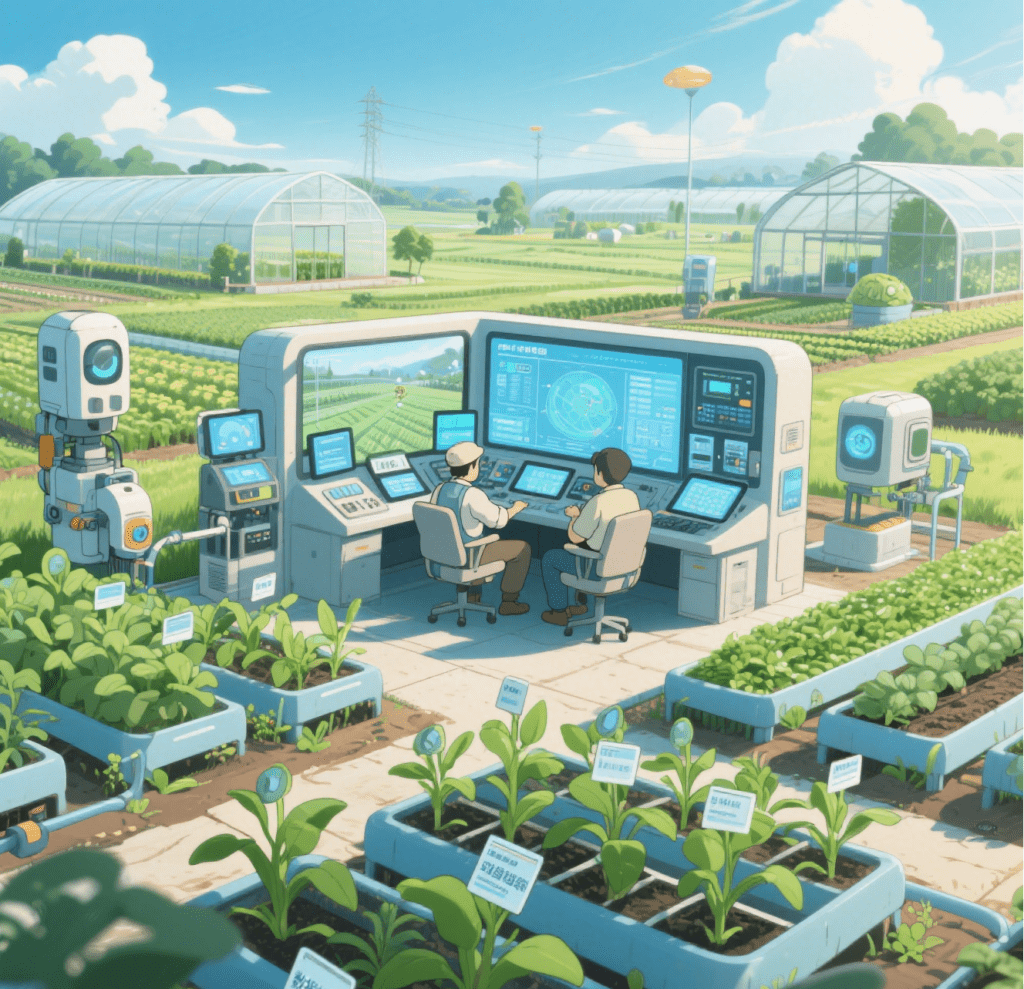
In the 10,000-mu (about 667 hectares) rice fields of Jiansanjiang Farm in Heilongjiang, unmanned transplanters move along the trajectory guided by BeiDou Navigation, with row spacing errors controlled within ±2 cm, completing 300 mu of transplanting work in a single day. Meanwhile, in the intelligent greenhouses of Shouguang, Shandong, sensors monitor soil EC (electrical conductivity) and air humidity in real time, and automated water-fertilizer systems perform precise drip irrigation based on the data, increasing tomato yield per mu by 25% — the popularization of agricultural automation equipment is transforming the traditional “weather-dependent” farming model into a new era of “data-driven” precision agriculture.
Medical Automation Equipment: Redefining the Boundaries of Diagnosis and Treatment Between Precision and Humanity
In the interventional operating room of a top-tier tertiary hospital in Beijing, a vascular interventional robot is precisely moving a catheter along a preset path. The repeat positioning accuracy of its mechanical arm reaches 0.05 millimeters, and the doctor perceives vascular resistance through the force feedback system of the console. The radiation exposure during the entire operation is 70% lower than that of traditional methods. In the adjacent laboratory, a fully automated biochemical testing line processes 1,800 samples per hour, with results transmitted in real time to the doctor’s workstation via the LIS system — the evolution of medical automation equipment is safeguarding life and health with technical precision while balancing medical efficiency with humanistic care.
Logistics Automation Equipment: An Efficiency Revolution from “Warehouse Sorting” to “Full-Link Intelligent Connection”

At 3 a.m., the automated sorting workshop of an e-commerce logistics center in Shanghai remains brightly lit: cross-belt sorters transport packages at a speed of 3 meters per second, the barcode recognition system completes information matching in 0.1 seconds, and the sorting accuracy remains stable at 99.98%; meanwhile, AGV robots independently plan paths through SLAM navigation technology, shuttling between dense shelves to accurately deliver goods to the review station — this scene vividly illustrates how logistics automation equipment is reshaping industry efficiency. Today’s logistics automation has long transcended the mechanical operations of a single link, forming an intelligent network covering the entire “inbound storage – storage – sorting – outbound – distribution” chain.
In-depth Penetration of Automation Equipment in the Energy Industry: A Leap from “Stable Supply” to “Intelligent Regulation”

In-depth Penetration of Automation Equipment in the Energy Industry: A Leap from “Stable Supply” to “Intelligent Regulation” At a large wind power base in Inner Mongolia, a group of inspection robots equipped with millimeter-wave radar are slowly climbing along the wind turbine tower. They can penetrate rain and fog to identify 0.2-millimeter cracks on the surface of the blades, and the data is transmitted in real time to the AI diagnostic system in the central control room. Meanwhile, hundreds of kilometers away in a photovoltaic power station, the automatic sun-tracking system adjusts the angle of the solar panels in real time according to the sun’s azimuth, increasing power generation by […]
Industrial Automation Equipment: The In-depth Evolution from “Single Machinery” to “Intelligent Ecosystem”

In the ultra-clean workshop of a semiconductor wafer factory in Shenzhen, an extremely precise automation scene is unfolding: a robotic arm grabs a 300mm-diameter silicon wafer with a repeat positioning accuracy of 0.001mm, and the pressure of the vacuum chuck is controlled at a critical value of 0.05 MPa to prevent damage to the wafer surface. All of this is carried out in an ISO Class 5 clean environment (where the number of particles with a diameter ≥ 0.1μm in each cubic meter of air is ≤ 100) — this is not a laboratory demonstration, but the daily operation of current industrial automation equipment in the field of precision manufacturing. […]
NHS’s Sustainability Revolution: Reimagining Healthcare for a Century to Come

NHS’s Sustainability Revolution: Reimagining Healthcare for a Century to Come As the backbone of Britain’s social fabric, the National Health Service (NHS) has long been a symbol of universal care—free at the point of need, rooted in equity. But today, this 75-year-old institution stands at a breaking point. Demand is soaring: an aging population, complex chronic illnesses, and post-pandemic backlogs have pushed waiting lists to record highs, while funding constraints and staffing crises threaten its ability to deliver on its promise. Lord Darzi’s 2024 investigation laid bare the urgency: the NHS is in “critical condition,” caught between outdated systems and a world that expects faster, more personalized, and more sustainable […]
Rockwell Automation: Harnessing AI to Forge a Sustainable Manufacturing Future

In the global race to tackle climate change, manufacturing stands at a critical crossroads. As one of the world’s most resource-intensive sectors—accounting for nearly a quarter of global energy consumption and 20% of carbon emissions—it faces immense pressure to reconcile production demands with planetary boundaries. Yet within this challenge lies opportunity: artificial intelligence (AI) is emerging as a transformative force, and Rockwell Automation is leading the charge to wield this technology for sustainable manufacturing. By integrating AI into industrial automation, the company is enabling factories worldwide to cut emissions, slash waste, and optimize resource use—proving that profitability and sustainability can thrive hand in hand.
Delta Hosts First “Industrial Automation Technology Conference” —— Driving Manufacturing Upgrading with Standardized Solutions
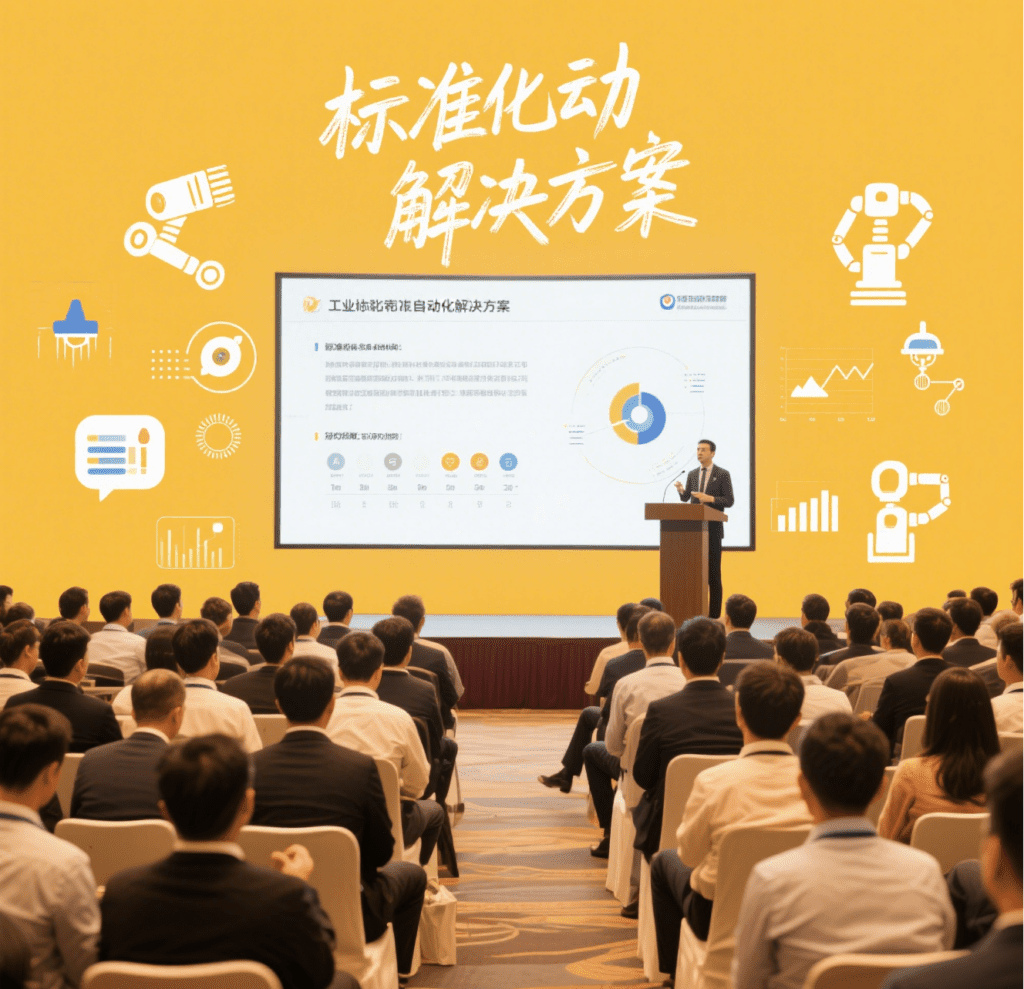
Delta Hosts First “Industrial Automation Technology Conference” —— Driving Manufacturing Upgrading with Standardized Solutions Currently, competition in the industrial market is intensifying, and the continuous upgrading of industries has brought many new opportunities. For industrial automation enterprises providing automation products and solutions, standing out in the new market competition requires not only rapid response but also comprehensive competition in technology and solutions. The recently launched “Delta Industrial Automation 2025 First Technology Conference” has given the answer. Technology-led growth will be the main direction for industrial automation enterprises in future competition, and solidifying technical solutions into standards and replicating them across industries will be the most effective way to use technology […]