The concept of sustainable development usually starts at the household level, and the application of Internet of Things (IoT) technology provides a new practical path for household energy management and resource conservation. With the help of sensors, automated control systems, and interconnected devices, key household processes such as heating, cooling, lighting, and water usage can be managed in a more refined and efficient way than traditional manual operations.
Intelligent Energy-Saving Practices
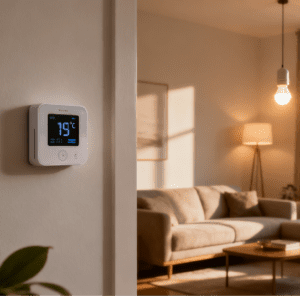
Smart thermostats, lighting systems, and various connected devices can monitor household energy usage in real time and automatically adjust operation strategies based on environmental changes and usage habits. For example, smart thermostats can learn the residents’ daily routines and preferences to realize dynamic temperature regulation; smart lighting systems can dim or automatically turn off when a room is unoccupied.
The synergy of these systems not only reduces unnecessary energy consumption but also effectively lowers long-term electricity costs, making household energy management more predictable and sustainable.
Data-Driven Optimization of Energy and Resources
IoT technology transforms the originally abstract and hard-to-quantify energy and water usage into visual and measurable data. Through sensors, smart meters, and automated platforms, households can accurately grasp real-time consumption levels and formulate reasonable energy or water conservation targets accordingly.
This data-driven approach makes resource management more transparent, enabling households to continuously monitor consumption trends and gradually reduce environmental impact in the long run.
Synergistic Effects of IoT in Different Scenarios
IoT technology serves scenarios of different scales such as households and enterprises simultaneously. In the commercial sector, interconnected HVAC (Heating, Ventilation, and Air Conditioning) systems and automated equipment can significantly reduce energy waste; the same type of technology is also applied in residential environments, achieving household-level emission and energy reduction through smart home appliances, water control, and energy optimization.
This cross-scenario consistency demonstrates that IoT technology, as an important driver of sustainable transformation, can generate measurable ecological and economic benefits regardless of the scale of application.
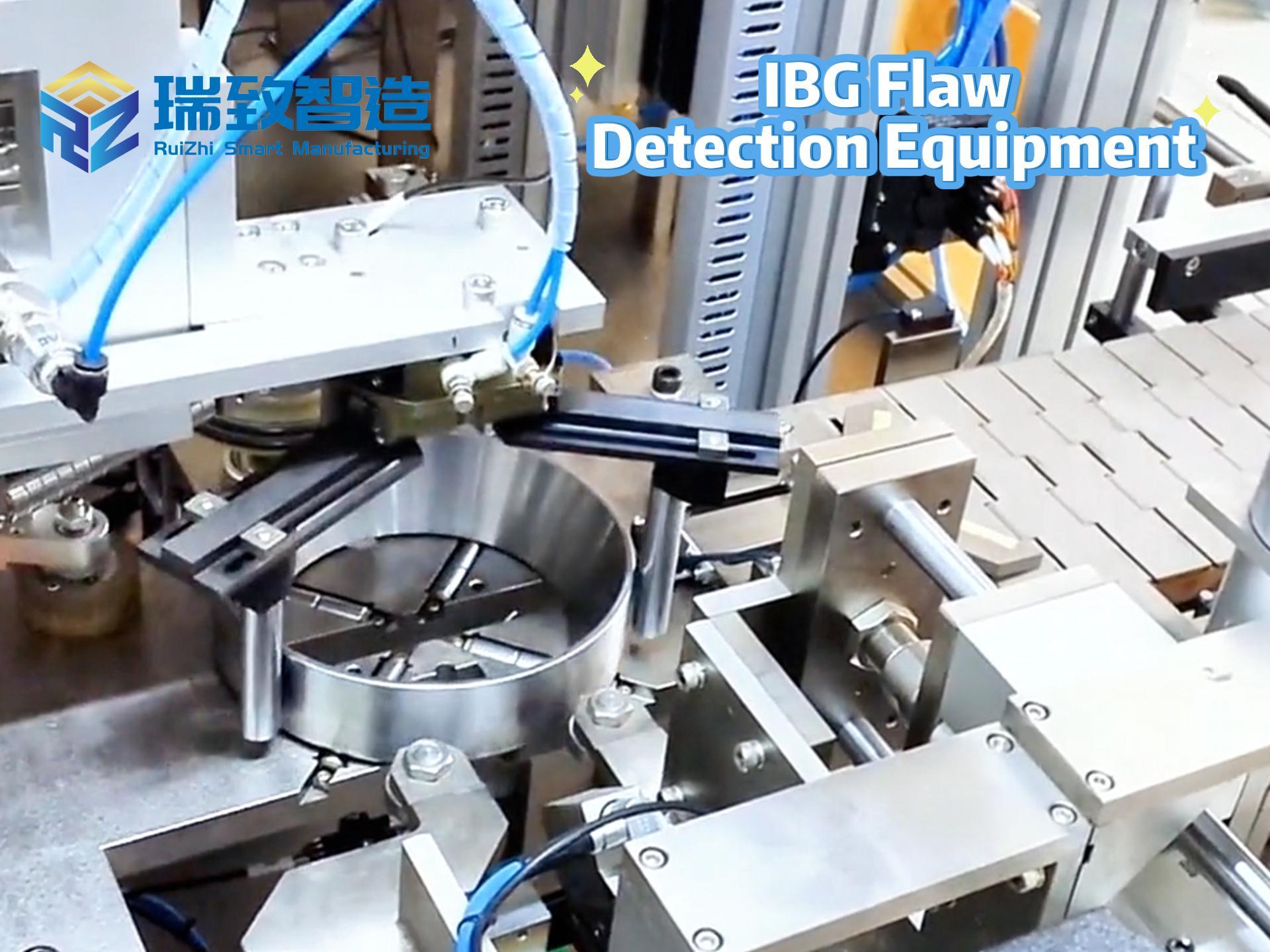
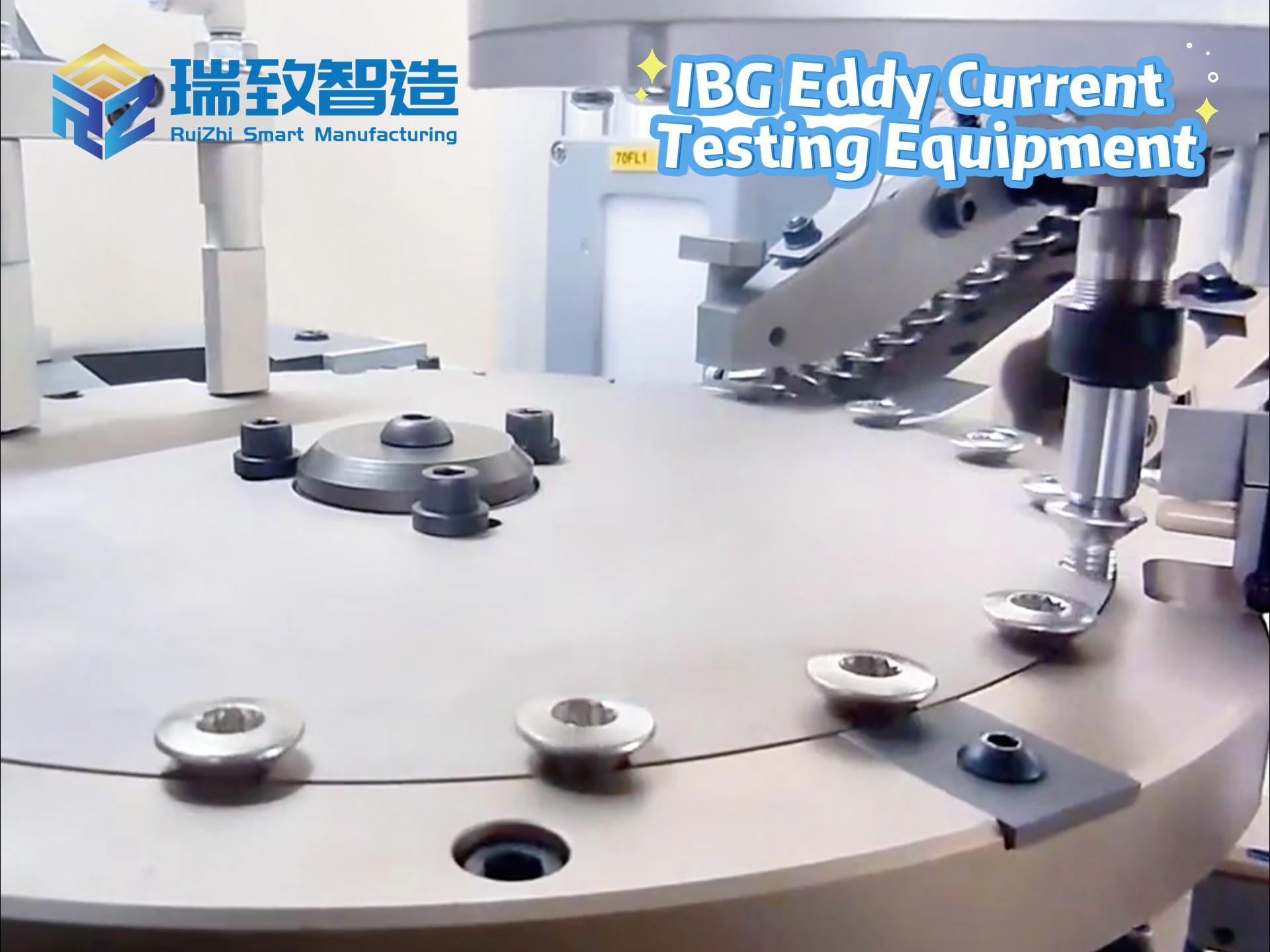
Notably, the reliable operation of these IoT-enabled systems relies on high-quality electrical components, and fuse assembly machines play a foundational role here—they produce precision fuses that protect smart home devices from electrical overloads or short circuits, preventing energy waste caused by equipment malfunctions and ensuring the stable, sustainable operation of the entire household automation ecosystem.
The Role of Solenoid Valves in Household Sustainable Systems
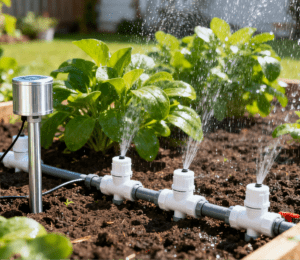
Low-power solenoid valves play a crucial role in household water resource allocation, irrigation management, and some renewable energy systems. Their high-precision control capability can reduce resource losses caused by leakage or improper use, extend the service life of facilities, and improve the overall efficiency of the system.
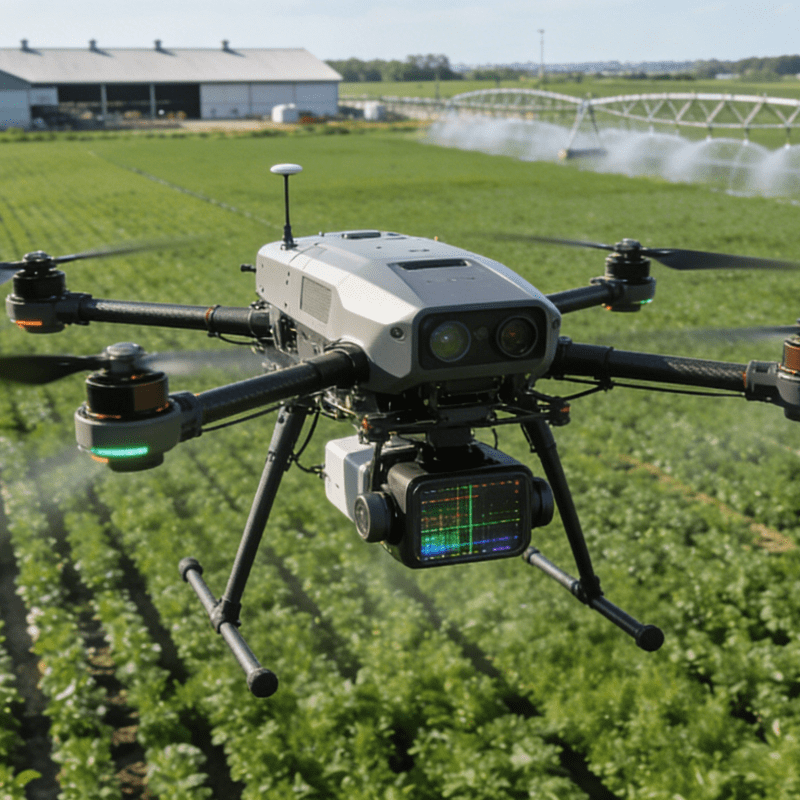
In smart irrigation systems, solenoid valves work in conjunction with soil moisture sensors to turn on water supply only when insufficient soil moisture is detected. Such systems effectively avoid over-irrigation and water waste while promoting a virtuous cycle of the ecological environment.
Future-Oriented Connected Home Framework
To meet higher sustainability standards in the future, households need to have scalable and updatable technical infrastructure. Continuous software updates and cloud support for IoT devices enable them to acquire new energy-saving functions without replacing hardware.
Through the interconnection and integration of devices, household heating systems, lighting equipment, and water resource management systems can form a synergistically operating whole, realizing cross-system optimal scheduling and resource sharing. This not only extends the service life of household infrastructure but also provides long-term support for the continuous reduction of environmental impact.
Conclusion
IoT technology provides households with a systematic and intelligent path for sustainable management, making energy use more efficient, water consumption more moderate, and household life more environmentally friendly.
From smart thermostats and lighting systems to solenoid valves and automated irrigation equipment, various IoT solutions integrate sustainability into daily practices, laying a solid technical foundation for building environmentally friendly living spaces. By continuously developing and applying these interconnected systems, households can achieve a better balance among comfort, economy, and ecological responsibility.
Assembly machines suitable for the assembly of various products