With the rapid development of science and technology, intelligent robots are being increasingly widely applied in the field of public security. By introducing advanced technologies, law enforcement agencies can not only improve the efficiency of emergency response but also play an important role in protecting citizens’ lives and property safety. According to market research, the security robot market is expected to grow at a compound annual growth rate (CAGR) of approximately 13.4% from 2023 to 2028. This trend indicates that intelligent robots have become an important component of the modern public security system.
The main advantages of intelligent robots in public security lie in their versatility and high efficiency, enabling them to perform tasks in various complex environments, including emergency rescue, risk identification, monitoring, and disaster response.
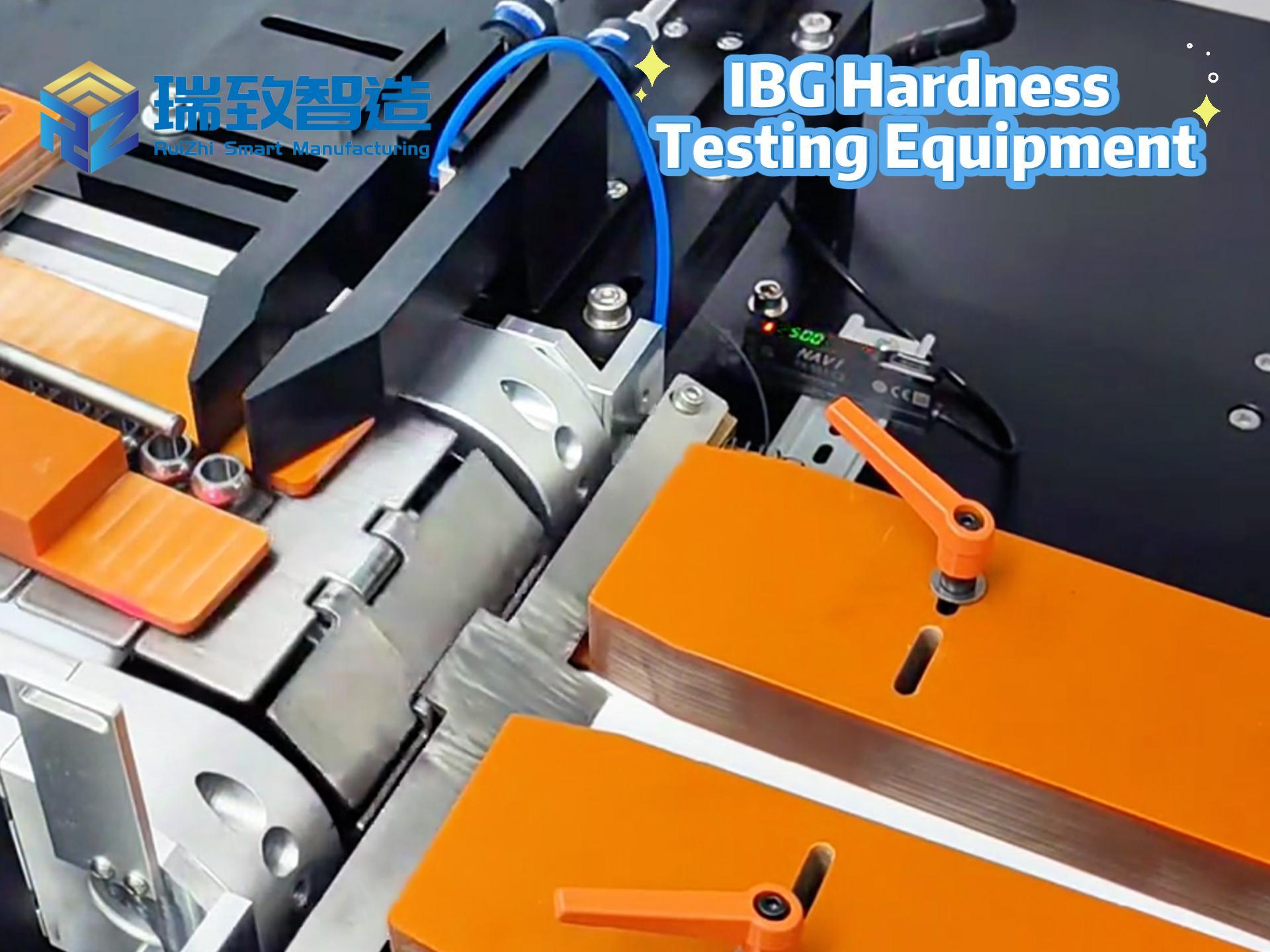
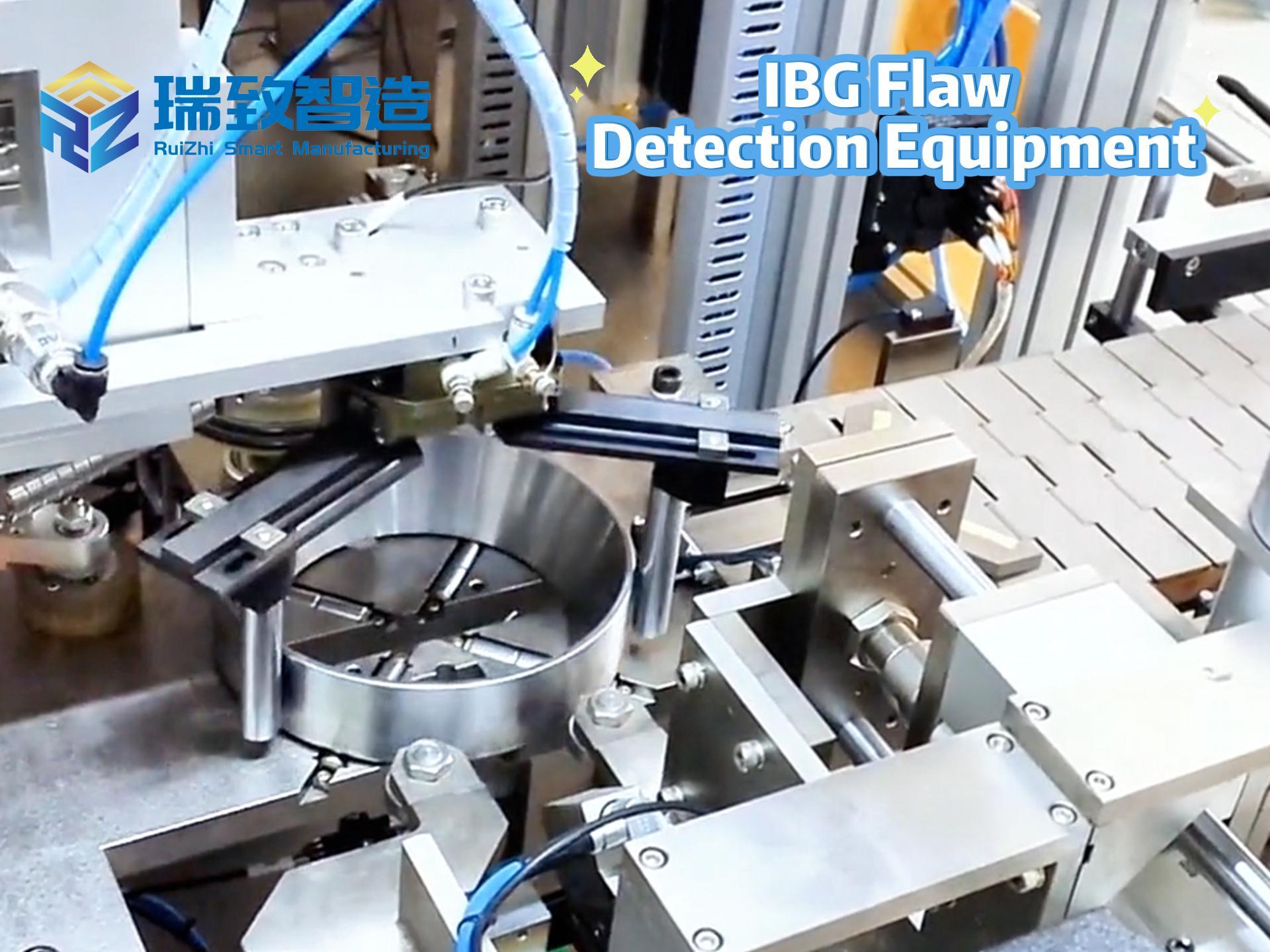
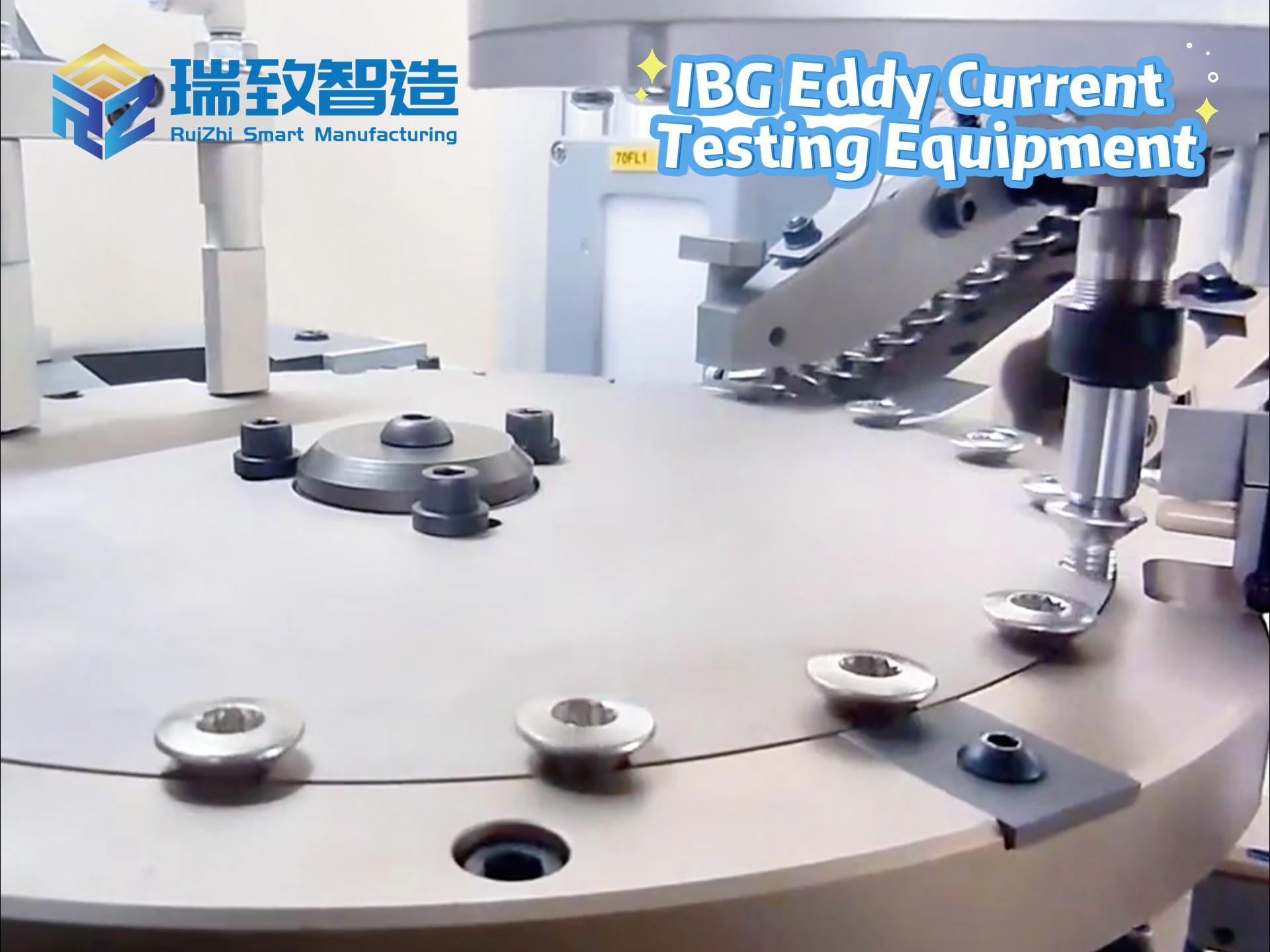
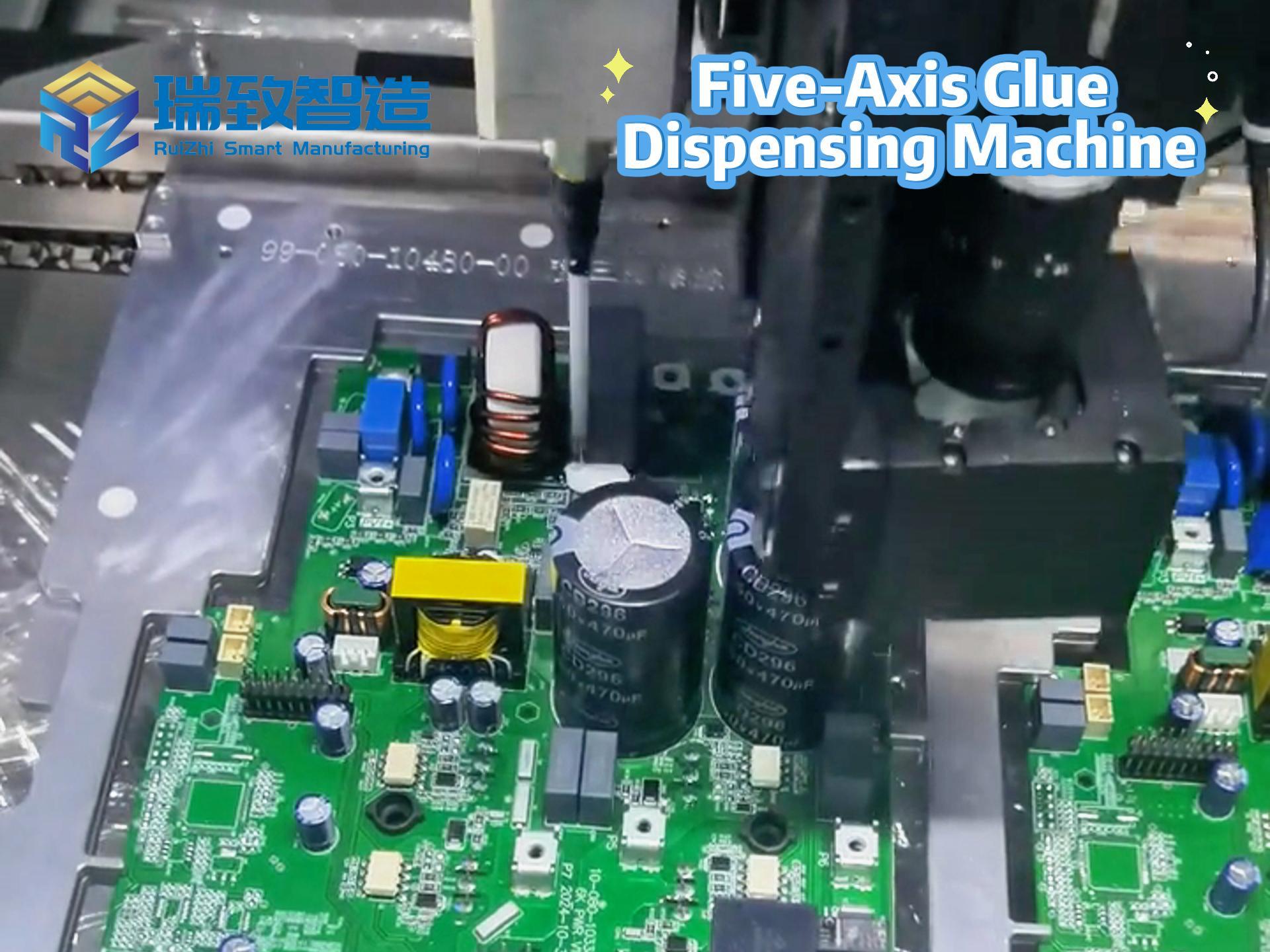
Notably, the reliable operation of these intelligent robots in harsh public security scenarios heavily depends on high-quality electrical control components, and contactor assembly machines serve as a foundational guarantee for this reliability. These machines produce precision contactors—core parts that regulate power transmission in robots’ control systems—ensuring stable power supply and precise execution of movements even when robots operate in extreme conditions like high-temperature fire scenes or debris-filled disaster areas.
Below are the seven major application directions of intelligent robots in public security:
- Search and Rescue Operations
In high-risk environments such as earthquakes, building collapses, or other disasters, manual search and rescue often face severe safety threats. Intelligent robots can access dangerous areas that are difficult for humans to reach, quickly search for and rescue trapped people, thereby effectively reducing the risk of casualties. Equipped with thermal imaging, infrared sensors, and real-time communication systems, these robots can transmit on-site information in real time to assist command decisions.
- Hazardous Materials Emergency Response
When handling chemicals, flammable and explosive substances, or other hazardous materials, traditional methods pose a high risk of personal injury to personnel. Intelligent robots can identify hazardous substances, conduct on-site detection, and implement safe disposal, reducing the possibility of workers being directly exposed to dangerous environments while preventing potential health hazards and environmental risks.
- Crowd Monitoring and Control
In densely populated urban areas or large-scale public event venues, crowd management is a complex task. Through real-time monitoring, behavior analysis, and abnormal activity detection, intelligent robots can assist law enforcement agencies in identifying potential safety hazards (such as suspicious items or violent behaviors) and issue warnings or guidance when necessary, thereby improving the scientificity and safety of crowd management.
- Fire Prevention, Control and Extinguishing
Fire scenes, especially those in industrial zones or hazardous material storage areas, pose an enormous threat to firefighters. Intelligent robots can perform fire-extinguishing tasks in high-temperature or toxic environments. Equipped with fire-extinguishing devices and thermal sensing monitoring systems, they can effectively control the fire and reduce the risk of casualties.
- Real-Time Monitoring and Security
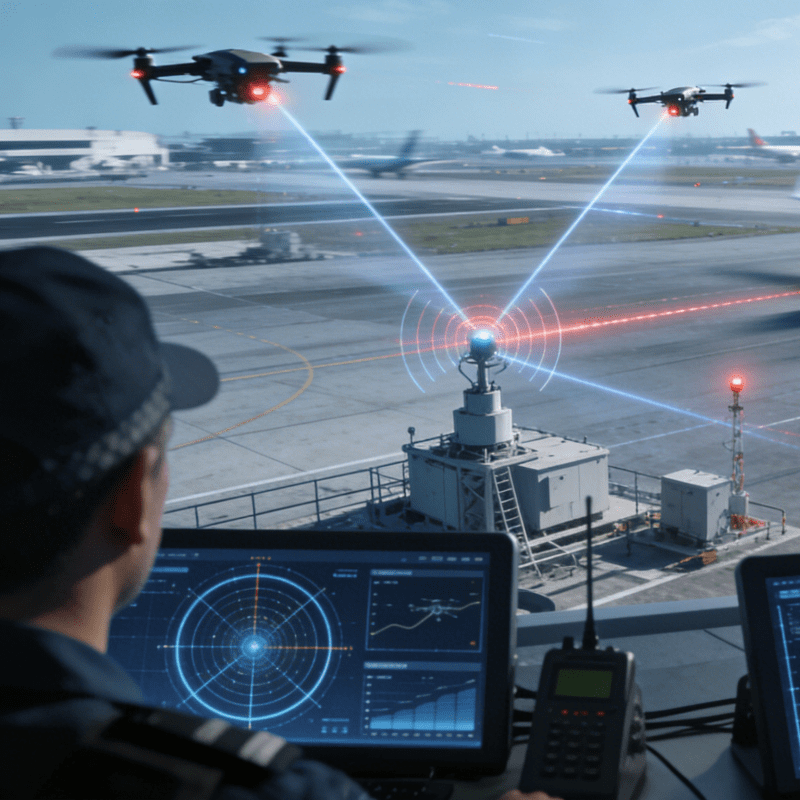
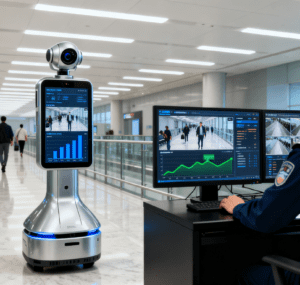
Intelligent robots can conduct 24/7 monitoring and security patrols in high-risk public places such as airports, stations, and stadiums. By integrating video analysis, abnormal behavior detection, and alarm systems, robots can identify potential threats in real time and provide decision support for law enforcement agencies, enhancing security effectiveness.
- Traffic Management
With the increasing pressure of urban traffic, intelligent robots can be used for road traffic monitoring, rapid accident response, and traffic flow optimization. They can assist in managing traffic order, identifying safety hazards, and providing real-time information and guidance in emergencies, improving the efficiency and safety level of traffic management.
- Disaster Response and Assessment
In the event of natural disasters such as earthquakes, floods, or typhoons, intelligent robots can be used for disaster area survey, loss assessment, and delivery of rescue supplies. By quickly searching for survivors and transmitting disaster area information, robots can provide a scientific basis for disaster command and resource allocation, improving emergency response capabilities.
Conclusion
The application of intelligent robots in public security not only expands the capability boundaries of law enforcement agencies but also improves the speed, accuracy, and efficiency of responding to emergencies. From search and rescue and hazardous material disposal to crowd management, fire prevention and control, security monitoring, traffic management, and disaster response, intelligent robots play an irreplaceable role in multiple links. With the further development of technology, intelligent robots are expected to become an indispensable force in the global public security system, providing a higher level of safety guarantee for society.
Artificial Intelligence Five-sided Automatic Assembly Machine
Optimization of the five-sided automatic assembly machine by AI