
The Number of Generative AI Users in China Surpasses 600 Million
Currently, Generative Artificial Intelligence (AIGC) is accelerating its integration into daily life and industrial production, emerging as a pivotal engine driving the digital and intelligent transformation of society.
Key Data from the 57th Internet Development Report
On February 5, 2026, the 57th Statistical Report on the Development of the Internet in China (hereinafter referred to as the Report) was officially released. The Report shows that as of December 2025, the scale of generative AI users in China has soared to 602 million, registering a staggering year-on-year growth of 141.7% compared with the end of 2024; its penetration rate has also reached 42.8%, a sharp jump of 25.2 percentage points year-on-year.
Core Value & Industrial Integration of Generative AI
The core of generative AI lies in its ability to independently create brand-new, original text, code, images, audio, video and even multimodal content by learning patterns from massive datasets. Unlike traditional AI, which is only capable of classification or prediction, generative AI possesses a certain degree of “creativity”, thus pushing human-computer interaction into a new phase of “collaborative creation” from simple “instruction execution”.
With the rapid expansion of user scale and the continuous deepening of application scenarios, generative AI is moving from the stage of technological exploration to a new cycle of large-scale, in-depth integration. Driven by both policy guidance and market demand, China’s generative AI ecosystem features distinct characteristics of diversified application scenarios, independent technology stacks, and coordinated governance mechanisms.

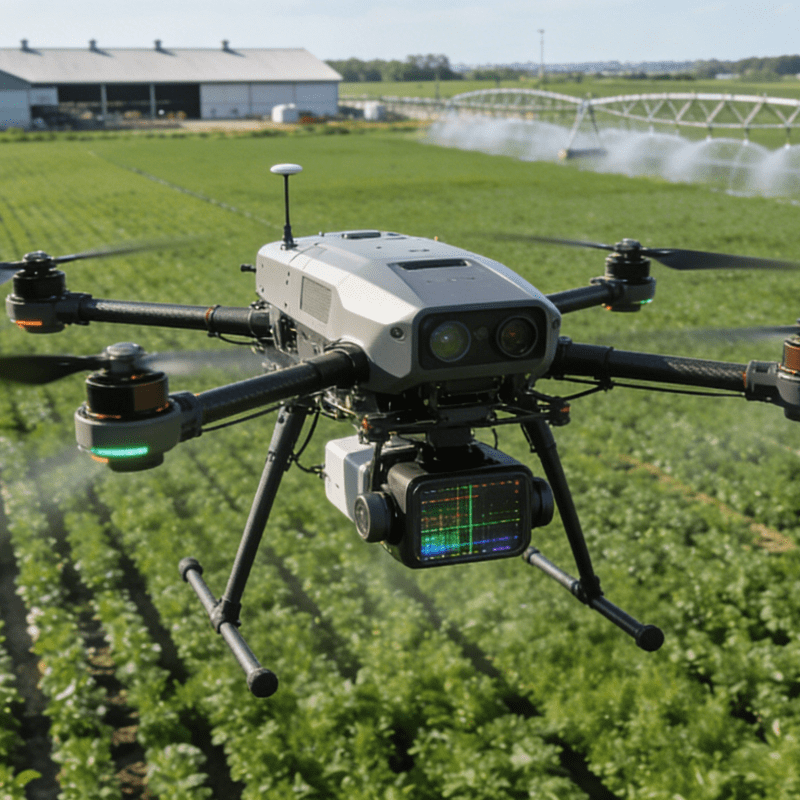
At the industrial application level, generative AI has penetrated into various key fields such as content creation, education and healthcare, scientific research assistance, industrial design, and financial services. In the manufacturing industry, simulation design based on generative AI has drastically shortened product R&D cycles; in the medical field, AI-generated auxiliary diagnostic suggestions and personalized treatment plans have improved the efficiency and precision of medical services. These practices have not only optimized traditional workflows but also spawned a new production paradigm of human-machine collaboration.
The pace of independent technological innovation is also accelerating in tandem. Domestic research institutions and enterprises are continuously increasing investment in underlying technologies such as large model algorithm training, high-performance AI chips, and open-source frameworks, driving the localization and controllability of generative AI technology stacks. Meanwhile, the construction of public datasets, computing power sharing platforms and evaluation benchmarks has gradually brought out industrial synergy effects, laying a solid foundation for technological inclusiveness and sustainable development.
Challenges, Governance and Future Outlook
However, the vigorous development is accompanied by challenges. Issues such as the authenticity of generated content, intellectual property ownership, data security and privacy protection, and algorithmic bias have gradually become prominent. In response, the Interim Measures for the Administration of Generative Artificial Intelligence Services has established the governance principle of “placing equal emphasis on development and security”, and promoted the establishment of a comprehensive governance system covering content review, security assessment, and ethical norms. Industry organizations and leading enterprises have also actively carried out self-regulatory practices, exploring the use of watermarking technology, source tracing and other means to ensure the credibility and controllability of generated content.
Looking to the future, generative AI will further integrate with technologies such as the Internet of Things (IoT), robotics, and virtual reality, driving the gradual integration of “intelligent agents” into the physical world and enabling them to play a creative role in more complex scenarios such as smart cities, personalized services, and scientific discovery. At the same time, deepening international cooperation and participating in global technological governance and standard-setting will be the key path for the healthy development of China’s generative AI ecosystem and the enhancement of its international competitiveness.
It is foreseeable that driven by the dual wheels of innovation and standardized guidance, generative AI will continue to reshape industrial forms and lifestyles, injecting lasting and profound impetus into the digital and intelligent transformation of society.
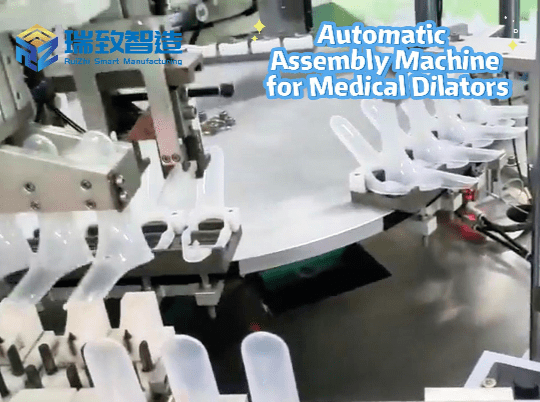
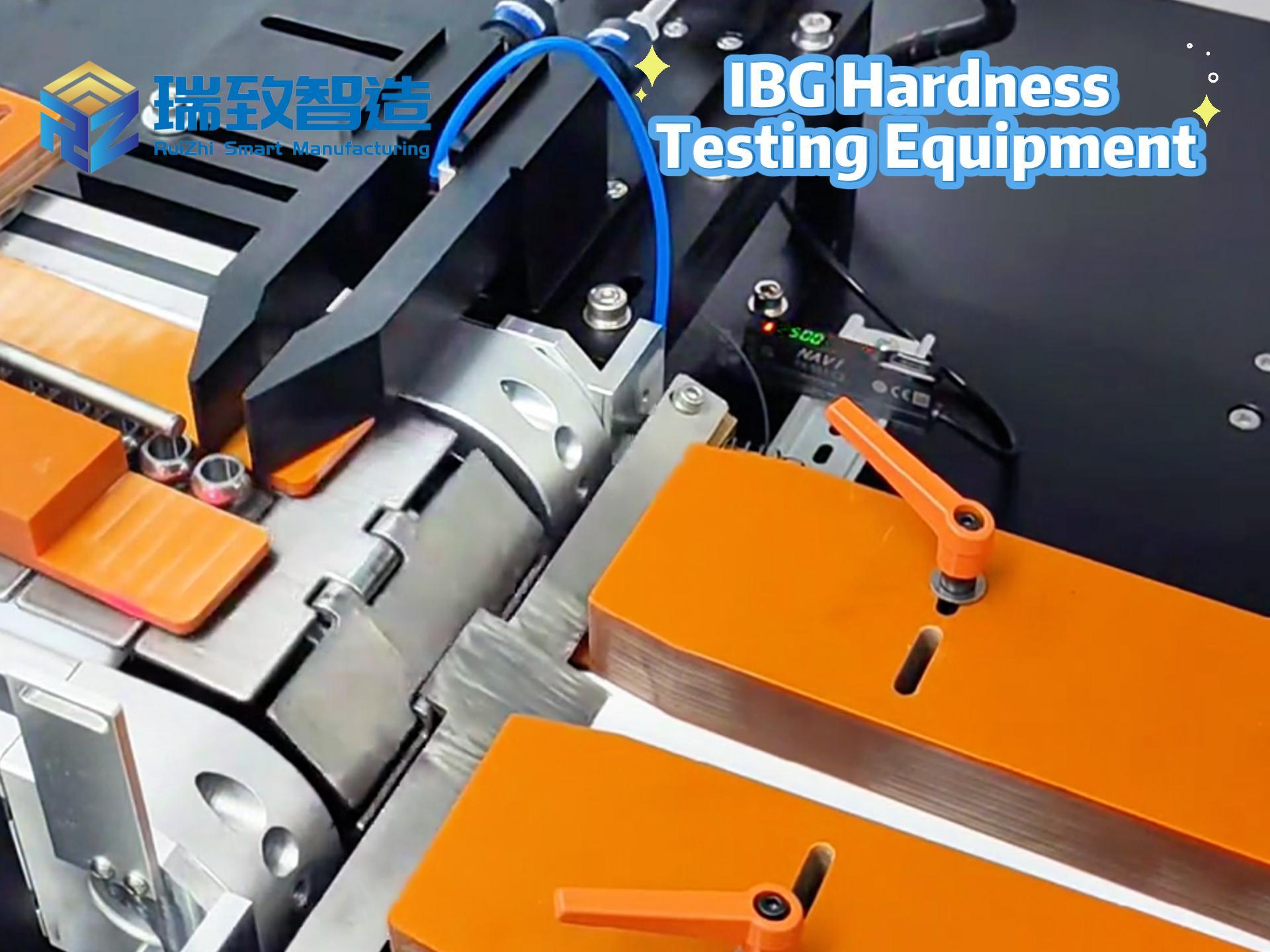
Automated assembly mechanical connection equipment
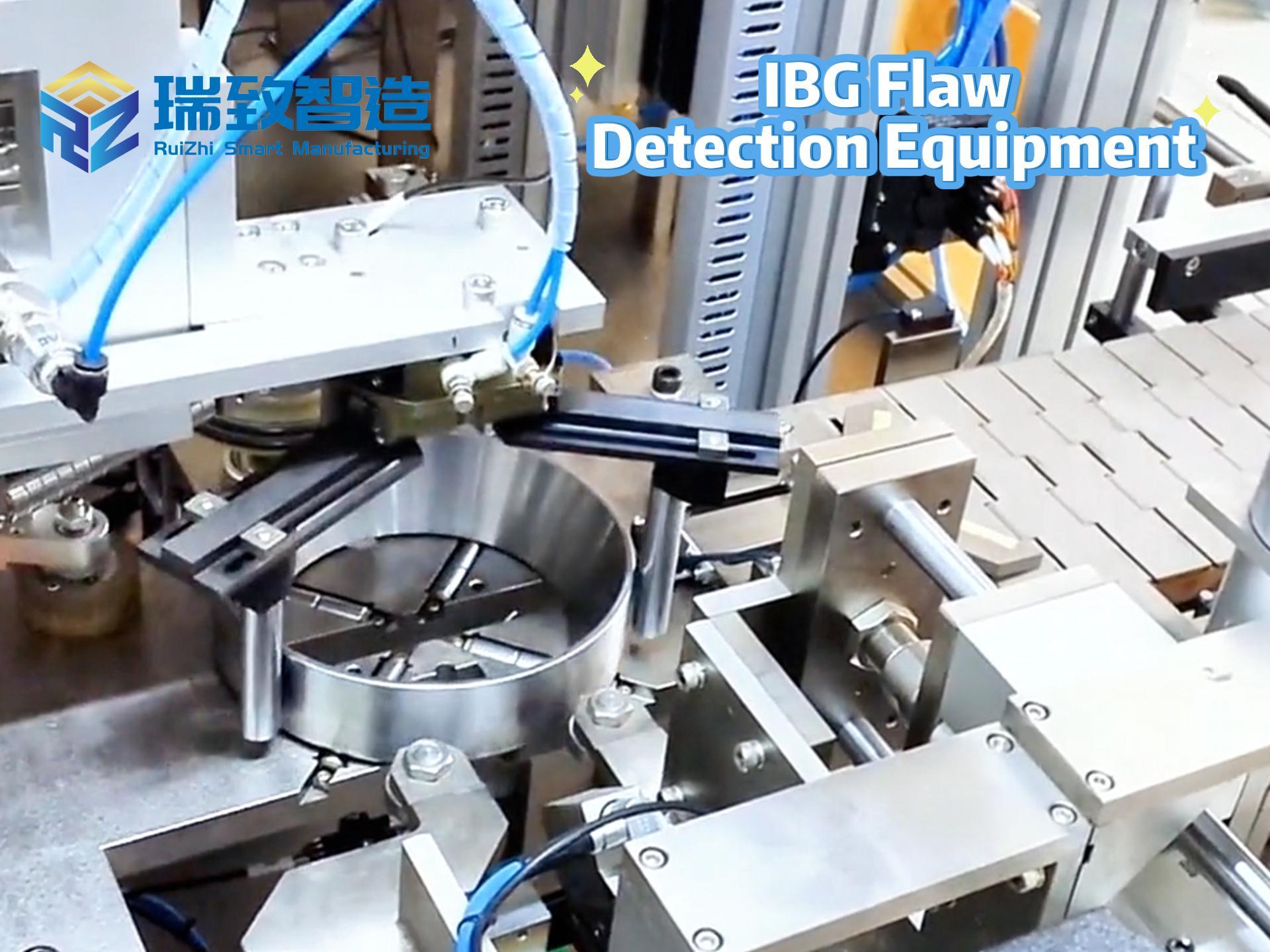
Artificial intelligence automated assembly mechanical connection robot