April 2026 — The numbers tell the story. Global installed industrial robot capacity is on track to reach 5.5 million units by year end, while the assembly automation market—valued at USD 3.51 billion in 2025—is projected to hit USD 6.31 billion by 2032 at a CAGR of 8.72%. But this isn‘t just a story about hardware. It’s about how manufacturers are rethinking their entire production philosophy.
Labor shortages have become the industry‘s most persistent headache. The U.S. faces a staggering gap of 425,000 workers in 2026 alone, while surveys show 86% of employers now view AI and robotics as the primary levers for business transformation. Meanwhile, trade policy has injected fresh uncertainty: pending Section 232 investigations into robotics and industrial machinery imports threaten to add new layers of tariff complexity, and 91% of manufacturing technology executives already report increased landed costs due to existing tariffs.
Against this backdrop, one question dominates boardroom conversations: how do we do more with less?
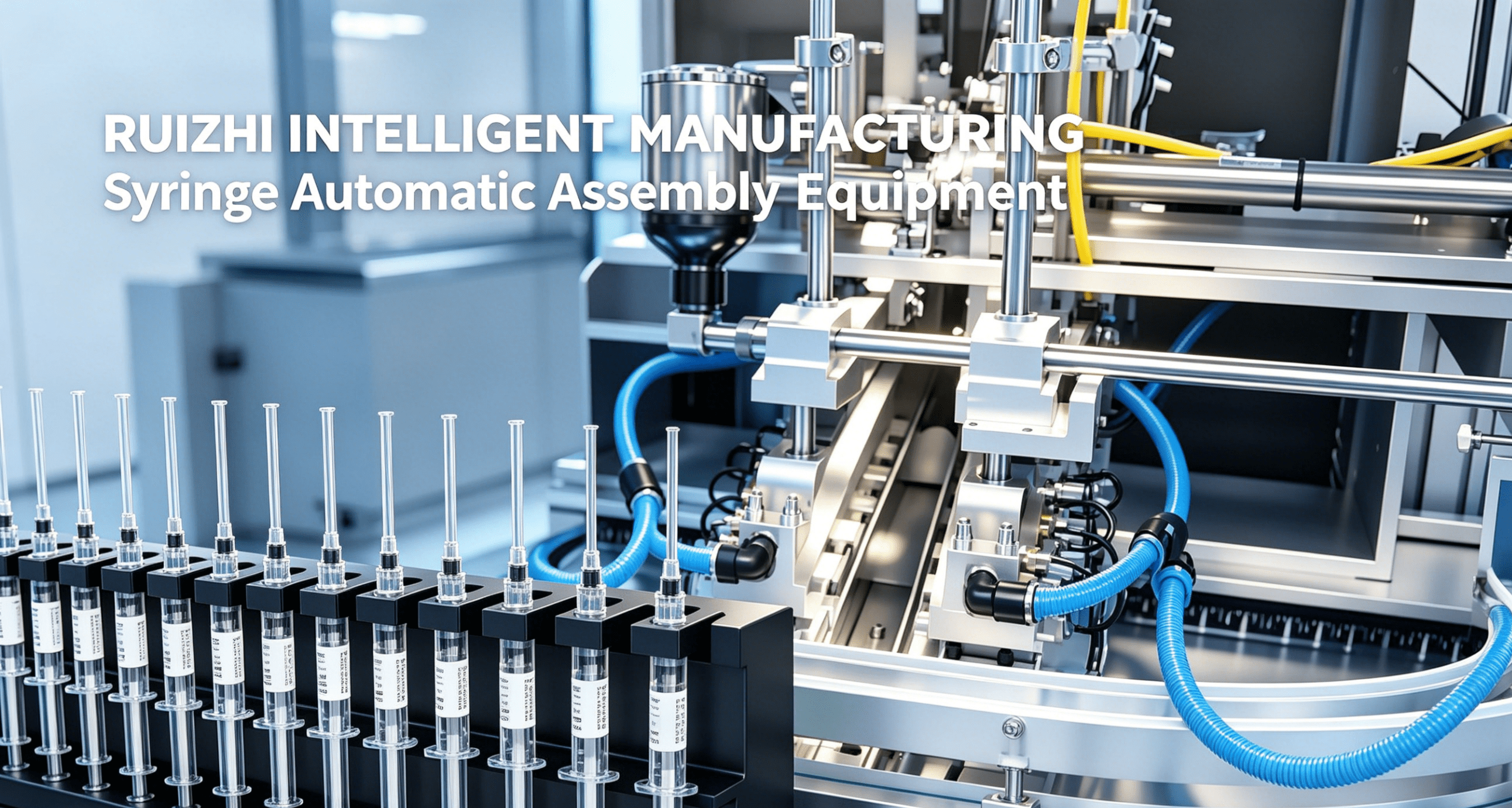
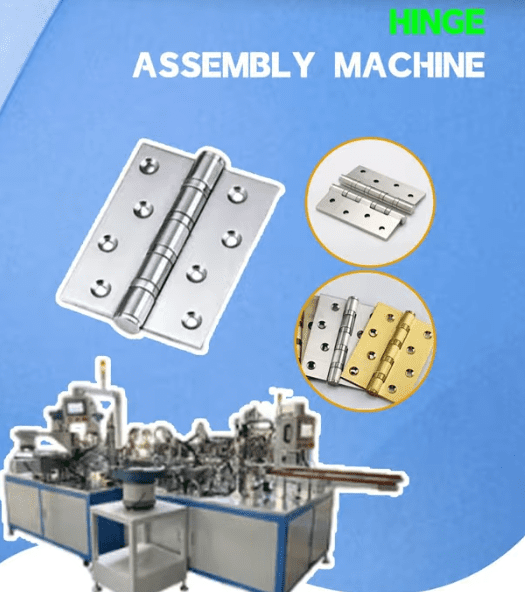
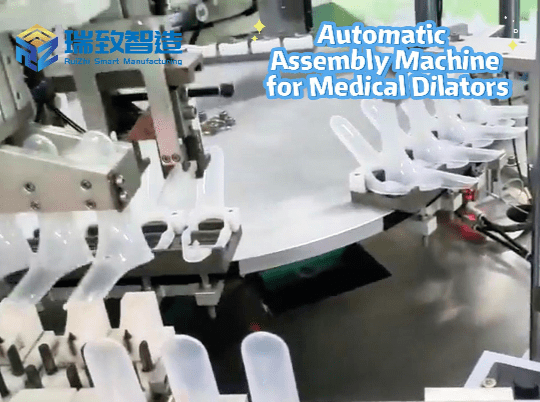
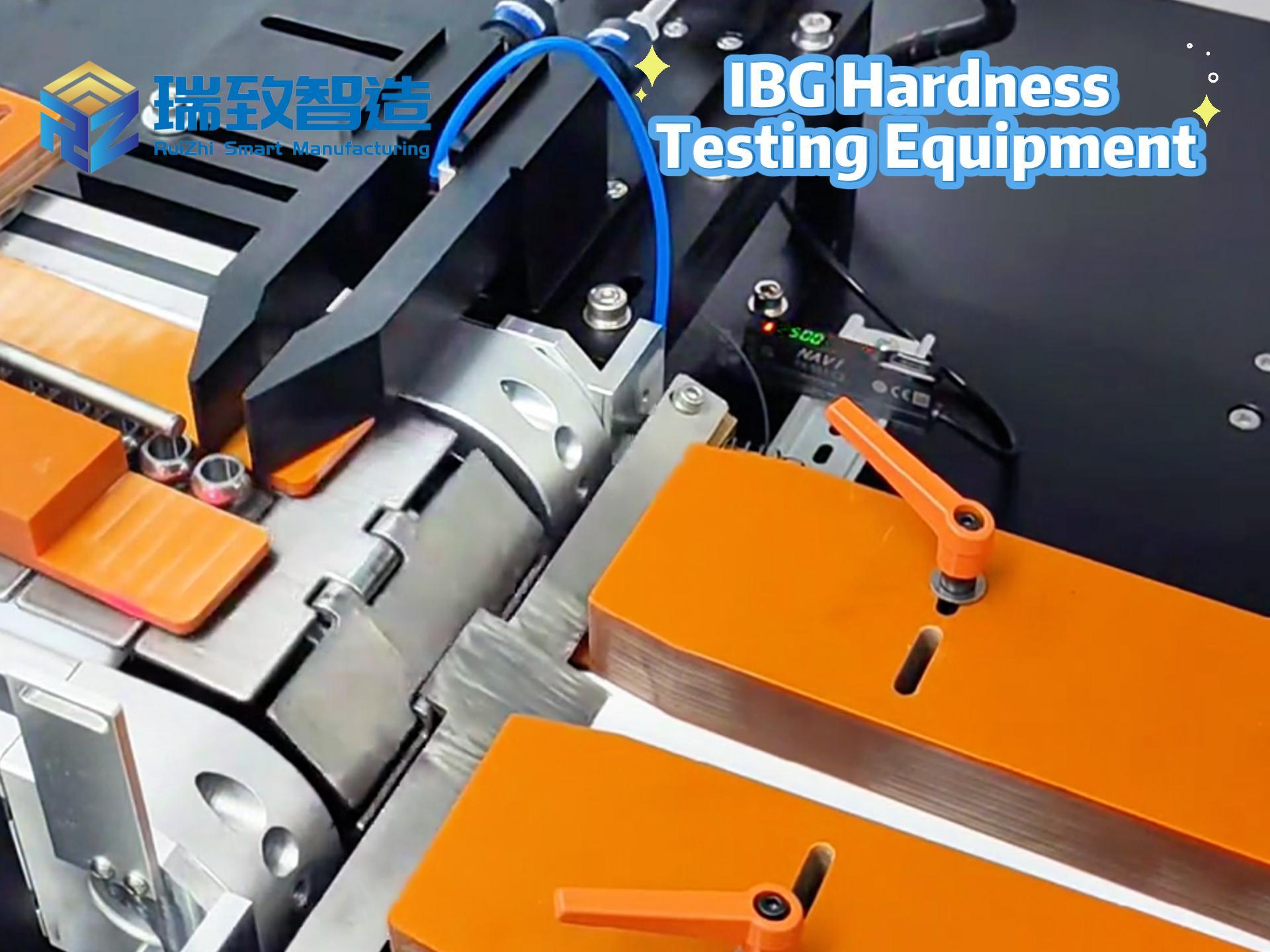
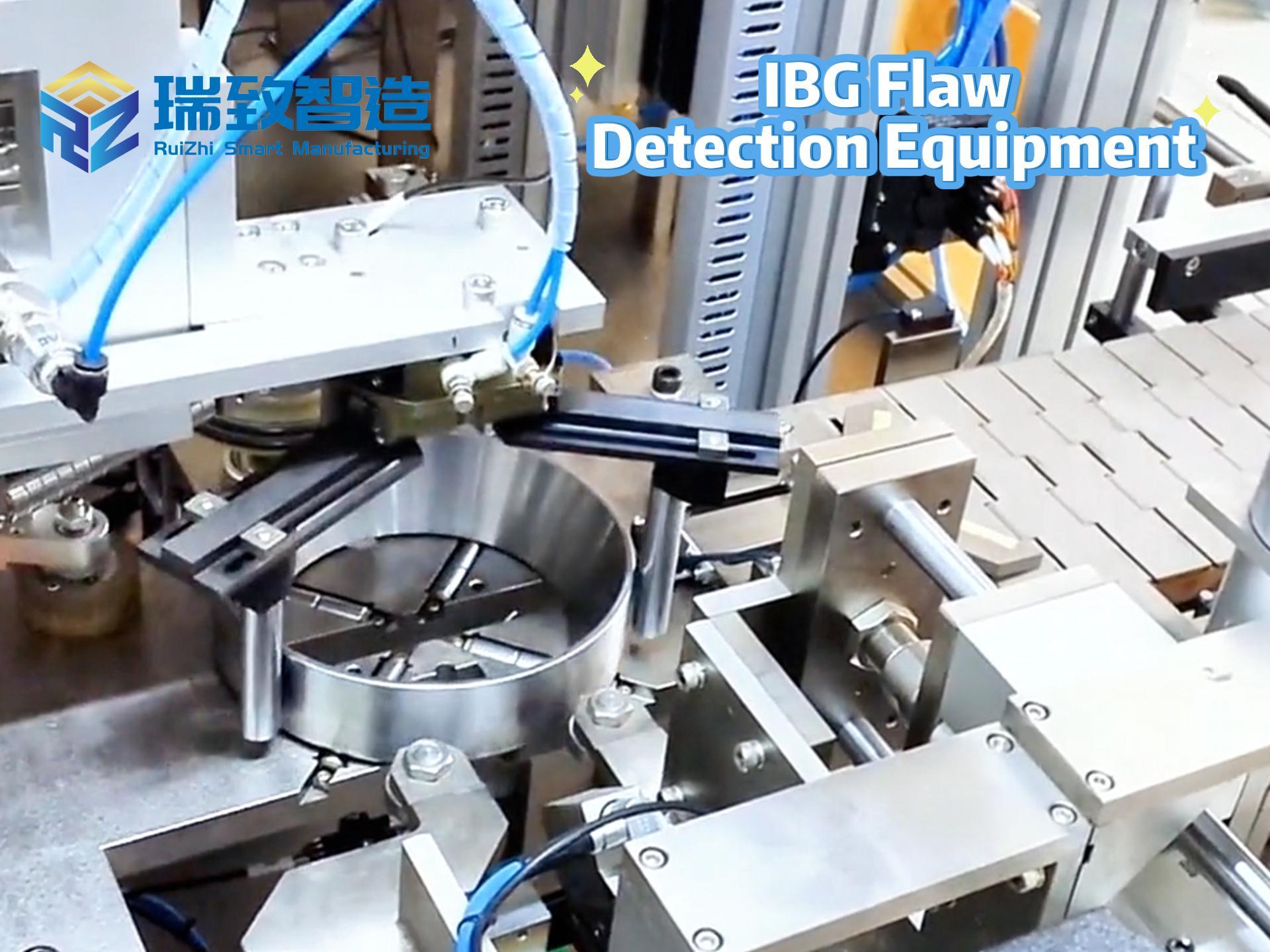
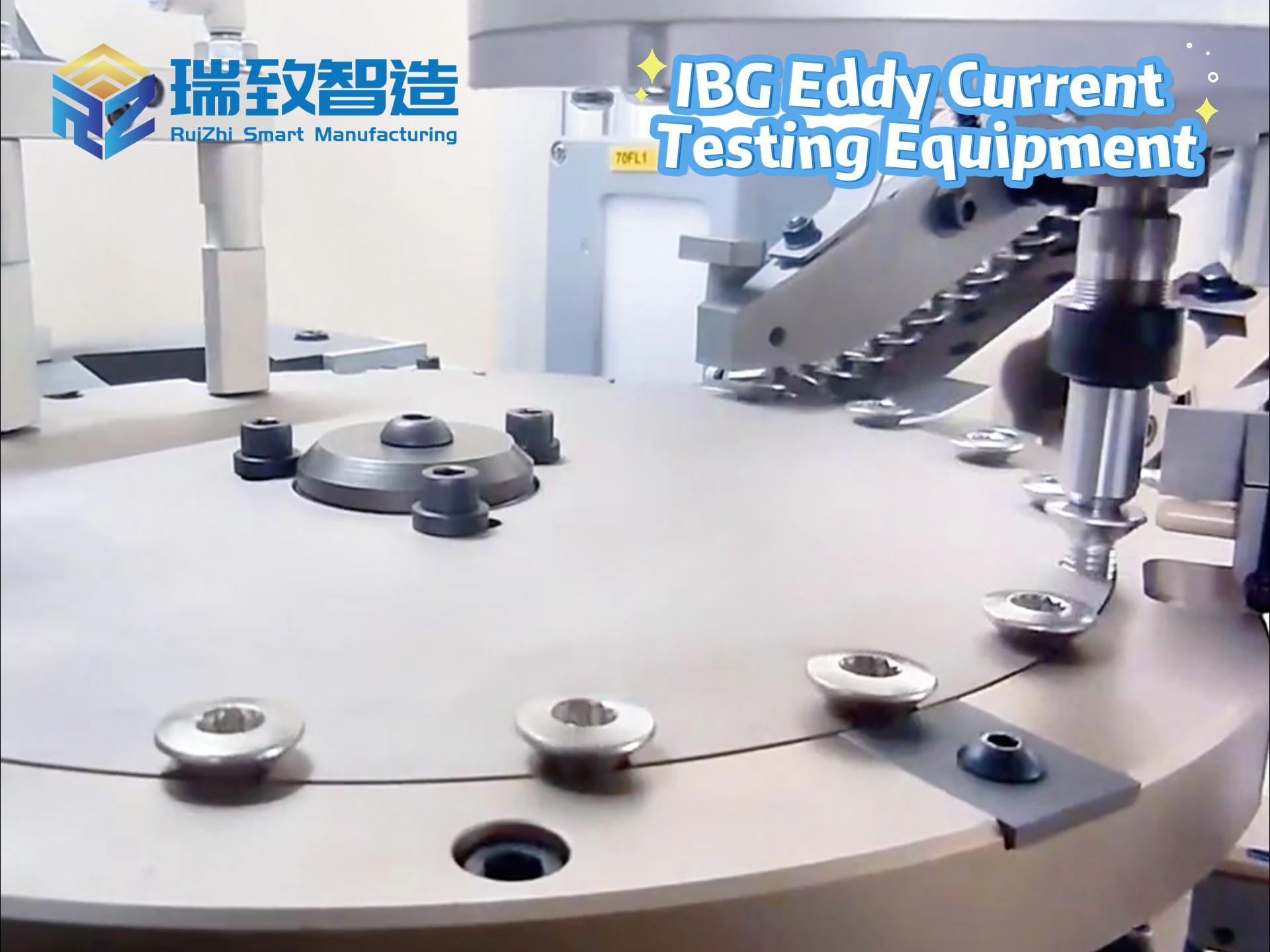
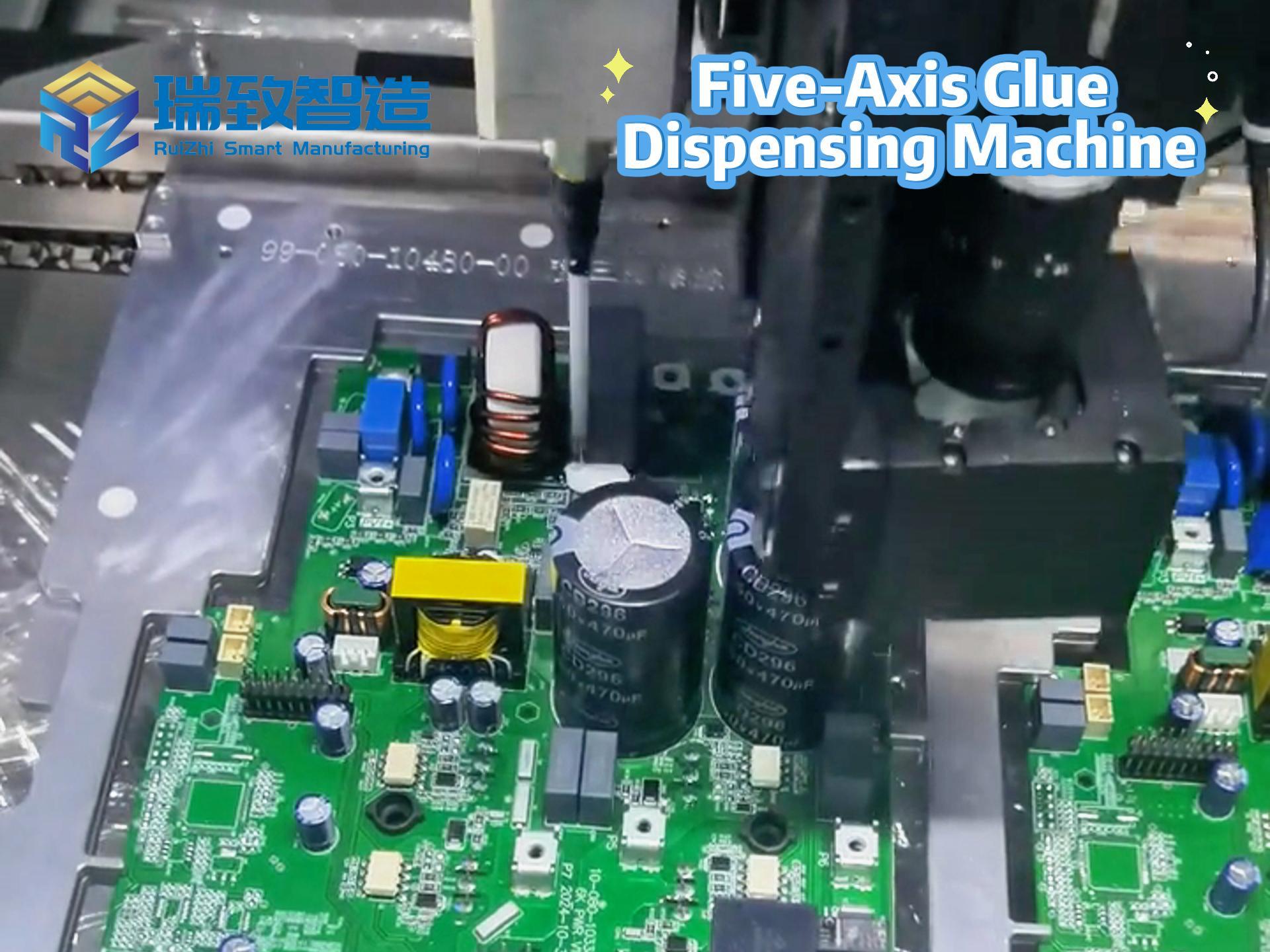
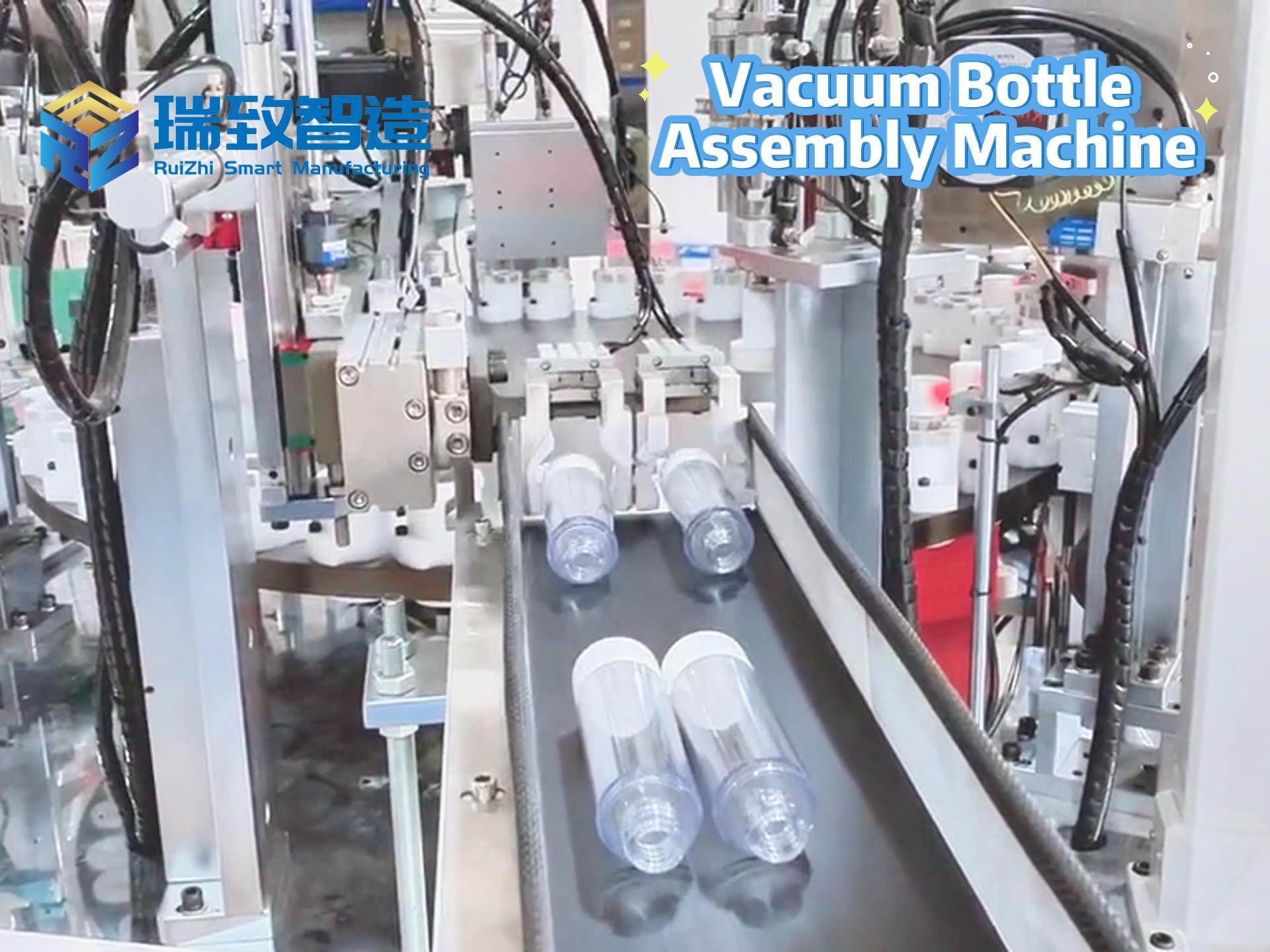
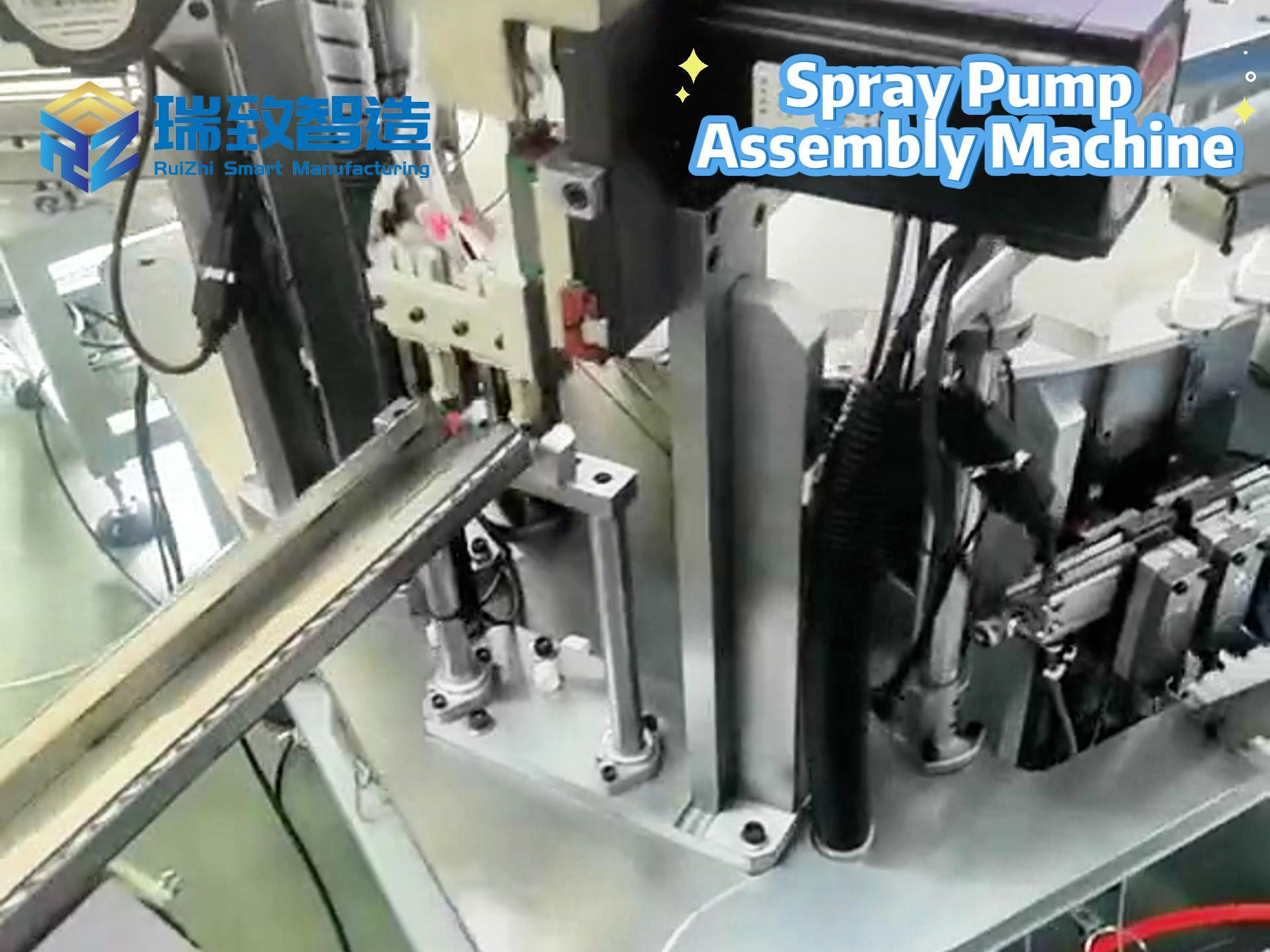
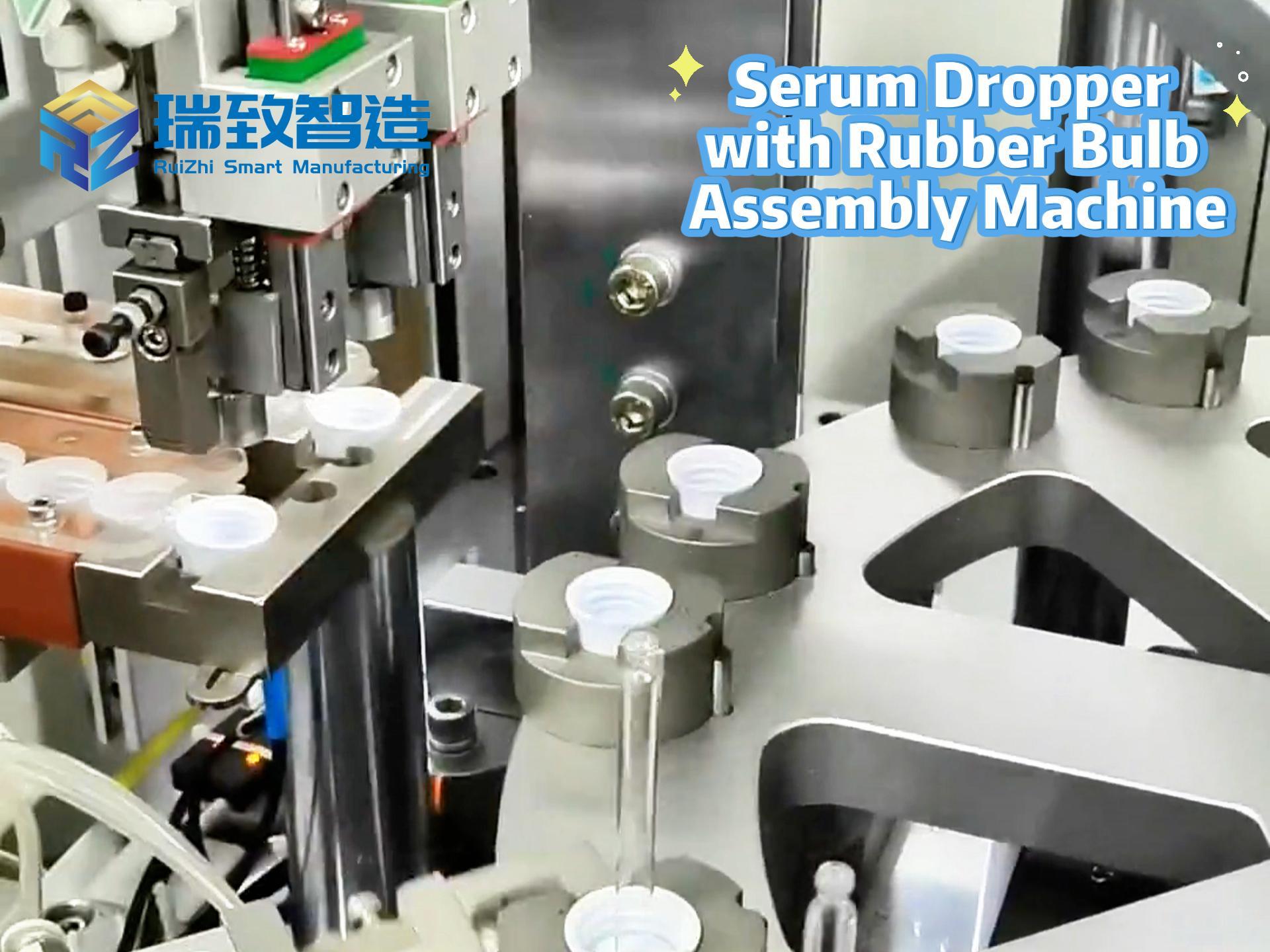
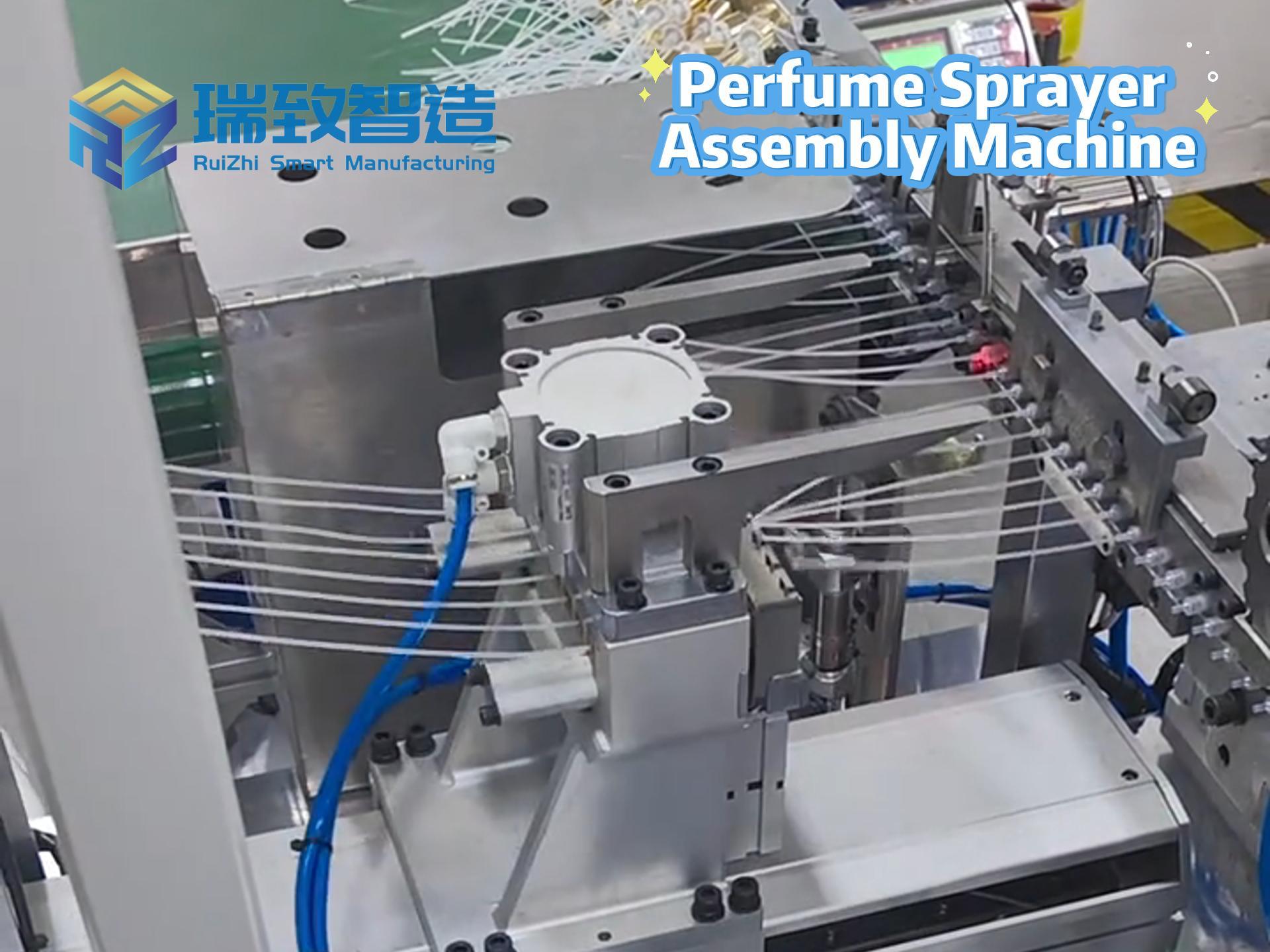
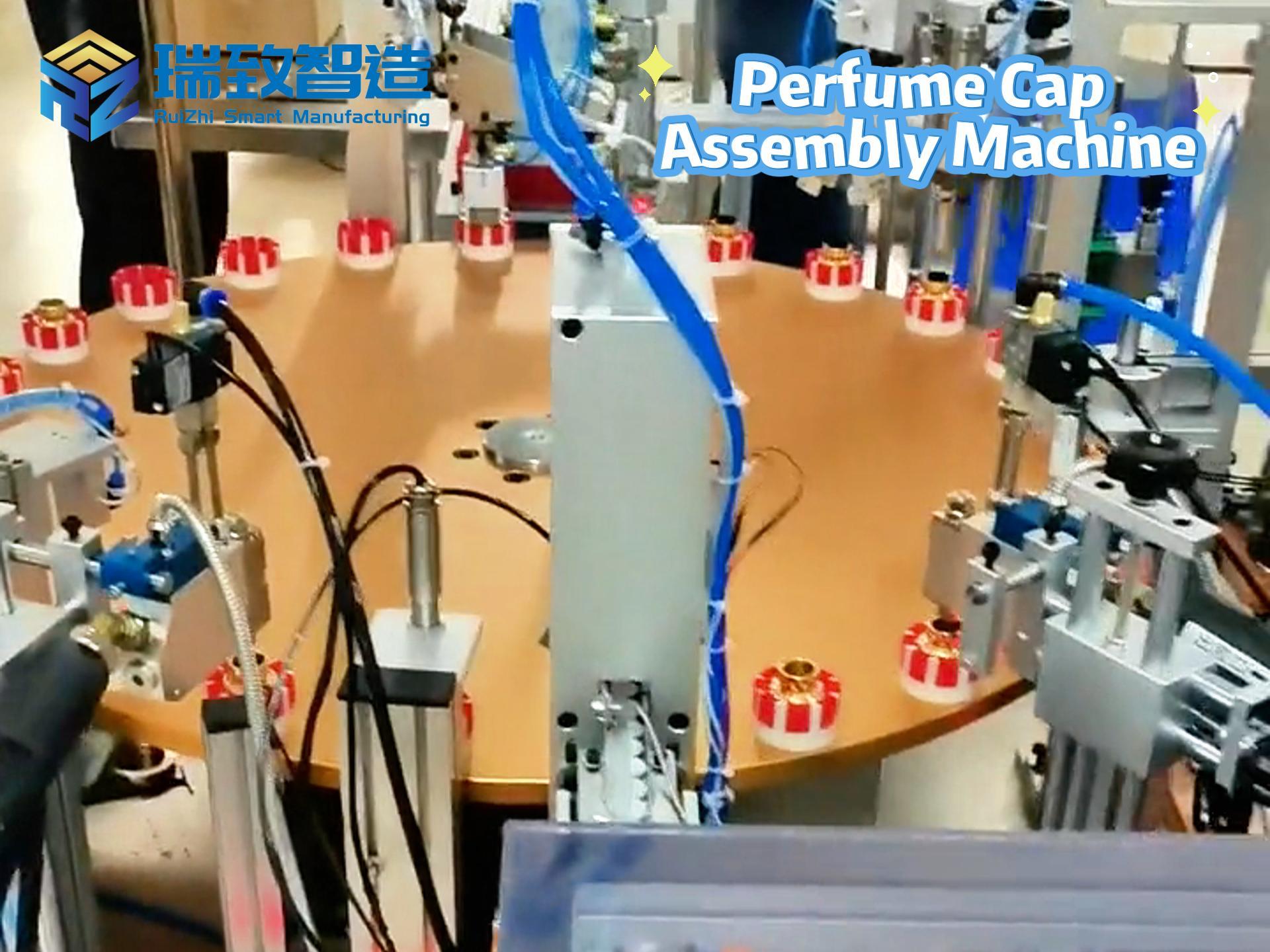
Enter RuiZhi Automation ,a Xiamen-based manufacturer that has spent over a decade building customized automated assembly solutions for the global market. Since its founding in 2014, the company has focused on non-standard automation equipment, helping factories transform chaotic manual assembly lines into lean, intelligent production cells. With applications spanning bathroom components, automotive parts, and medical devices, RuiZhi has carved out a distinctive position at the intersection of customization and industrial-grade reliability.
“The old automation paradigm—rigid, high-volume, single-purpose—is breaking down,” says a senior engineer from RuiZhi‘s R&D team. “Today’s manufacturers face constant product changeovers, shrinking batch sizes, and quality demands that traditional machinery simply can’t meet. That‘s where flexible assembly systems come in.”
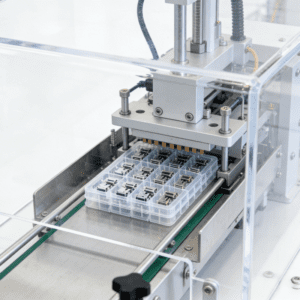
The industry trends agree. 2026 is witnessing a decisive shift away from “pipe dream technologies” toward pragmatic automation that delivers rapid, measurable ROI. Software-defined automation and the convergence of physical and digital systems are emerging as top priorities, enabling factories to adjust production logic on the fly without costly hardware overhauls.
RuiZhi‘s Universal Assembly System embodies this shift. Built on advanced robotics, adaptive tooling, and intelligent software, it allows manufacturers to assemble virtually any product with minimal setup time. For electronics, automotive, and medical device clients requiring high-mix, low-volume production, the system delivers precision placement, AI-driven visual inspection, and modular reconfigurability—all from a single platform.
The stakes are rising fast. Industry experts predict that before the end of 2026, the most competitive manufacturers will no longer simply “run“ factories—they will orchestrate autonomous, learning industrial systems. Manufacturers that hesitate risk getting caught between rising labor costs, tariff uncertainty, and flat productivity curves. The time to automate isn’t next quarter. It‘s now.
#SmartFactory2026 · #AssemblyAutomation · #SoftwareDefinedManufacturing · #Industry40 · #RuiZhiAutomation