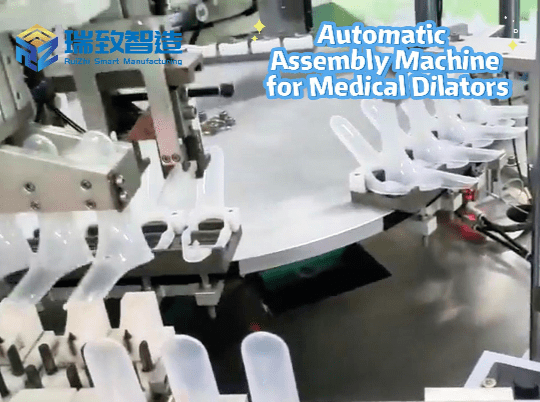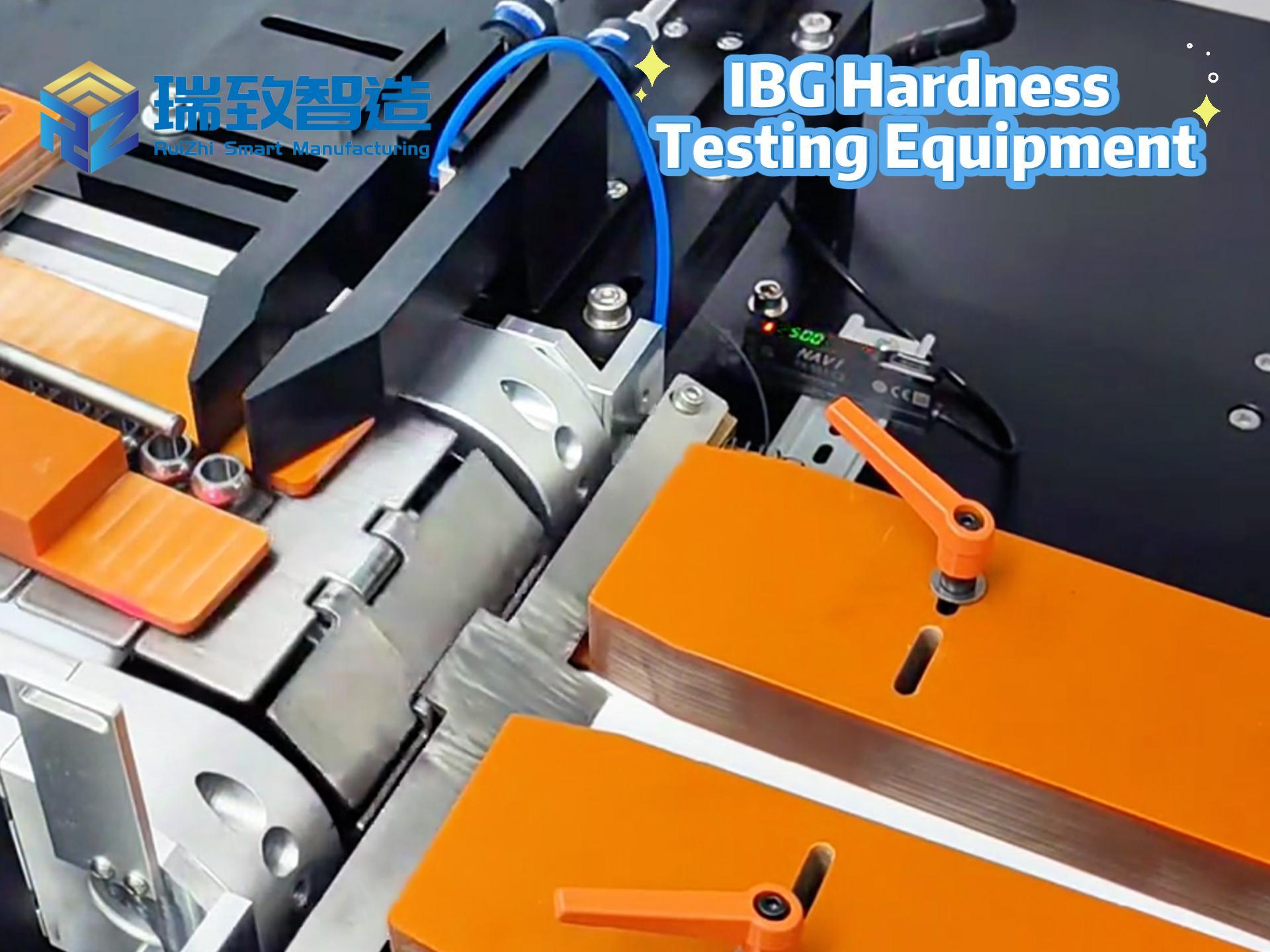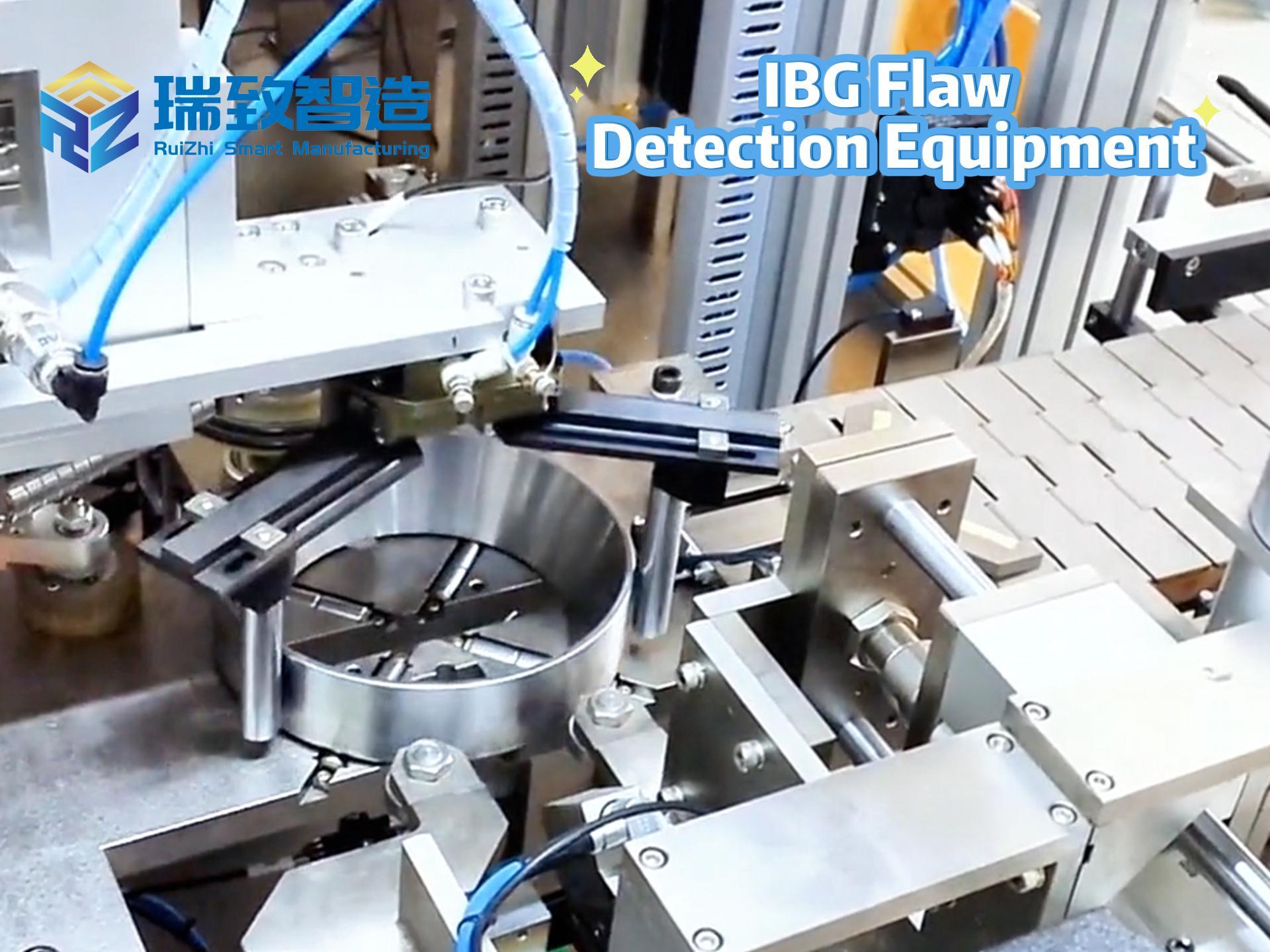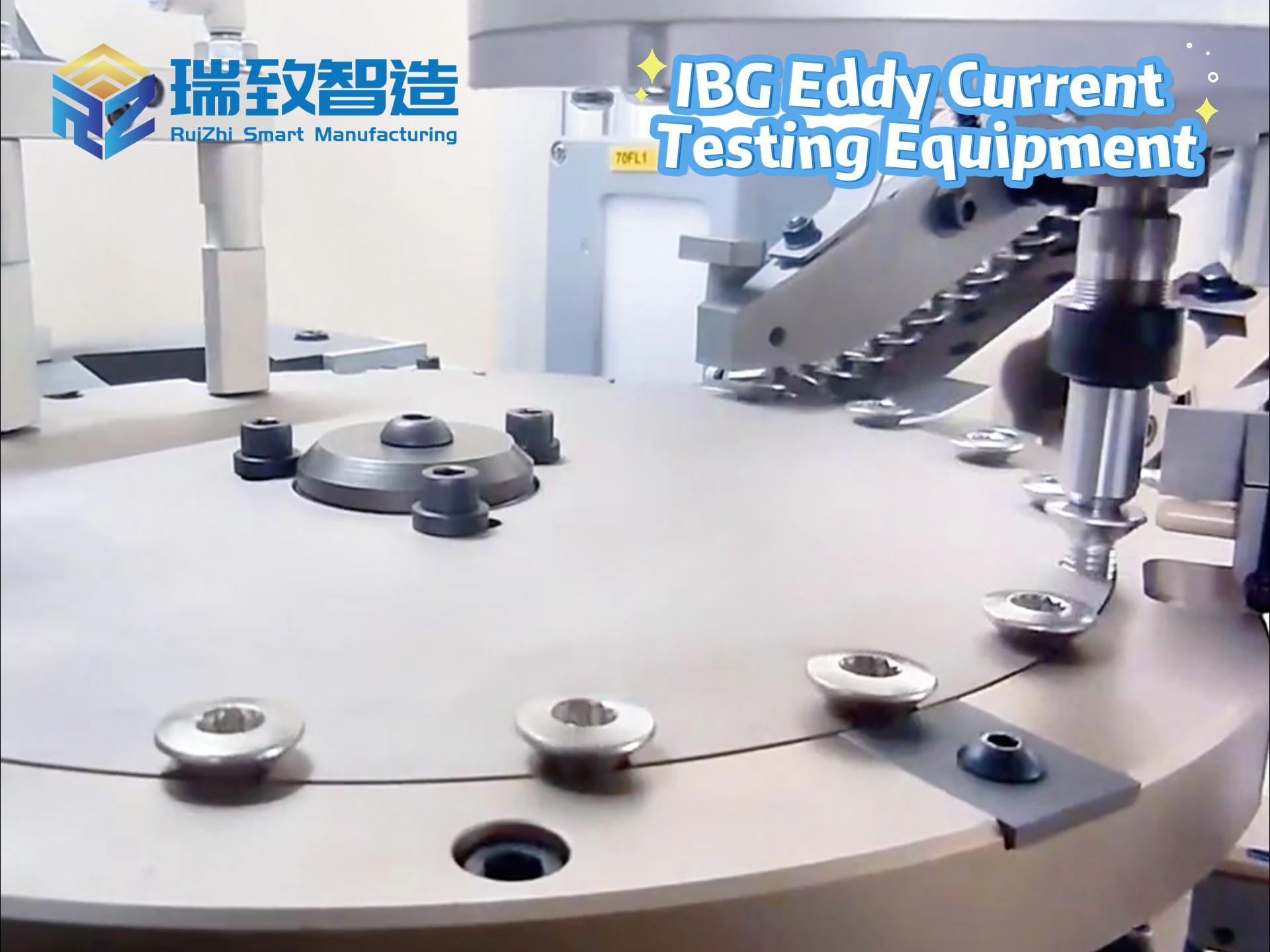
How one integrated line slashes leaks, cuts manual labor by 80%, and delivers 99.8% qualification rates—while global demand for baby bottles surges toward $7.08 billion
📊 Section 1: Market Reality Check — The Numbers Don’t Lie
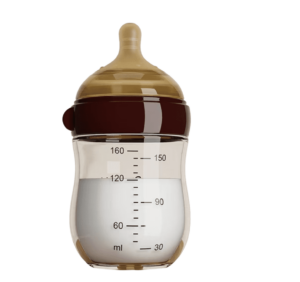
Let‘s start with facts.
The global baby bottle market was valued at USD 4.15 billion in 2025 and is projected to reach USD 7.08 billion by 2034, expanding at a CAGR of 6.11%. Over 65% of new parents now specifically seek BPA‑free bottles, and anti‑colic systems are preferred by nearly 58% of consumers. Demand is not just growing—it‘s accelerating.
But here’s the problem: Most manufacturers are still trying to meet this demand with manual assembly lines. Eight to ten workers per line, producing just 400–600 bottles per hour. Defect rates exceeding 5%. Contamination risks every time a human hand touches a component.
In an industry where hygiene, precision, and safety are non‑negotiable, manual assembly is no longer a viable option. It‘s a liability.
That’s where the Fully Automatic Baby Bottle Assembling Machine from RUIZHI Intelligent Manufacturing enters the picture.
⚙️ Section 2: Meet the Machine — From Bottle Body to Finished Product in One Continuous Line
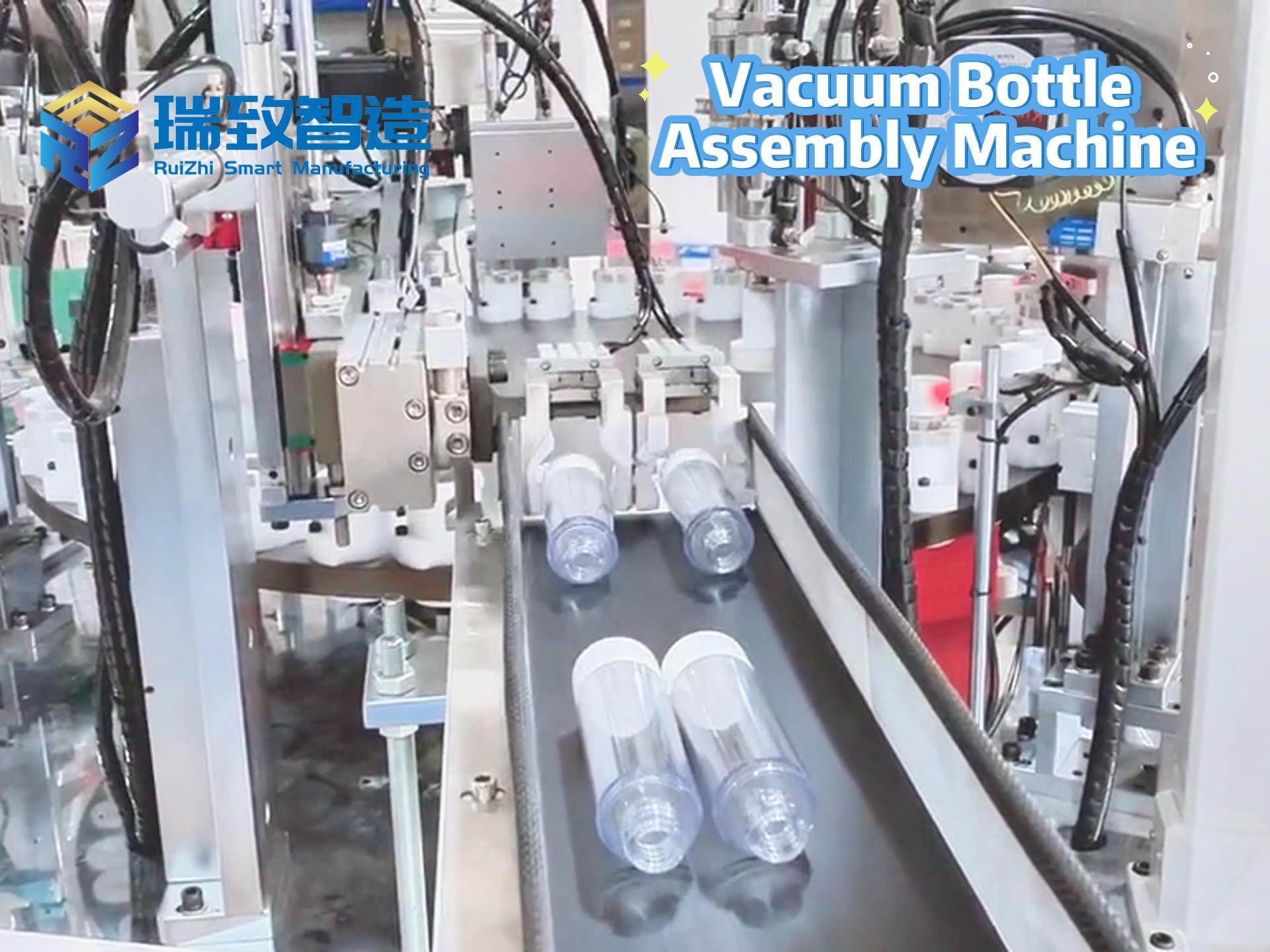
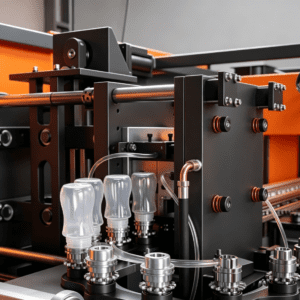
RUIZHI‘s fully automated system integrates every core process of baby bottle assembly into a single, seamless production line:
-
Bottle body feeding — automated loading with zero manual handling
-
Nipple installation — AI‑guided precision placement
-
Cap locking — torque‑controlled to prevent cross‑threading and leaks
-
Leak testing — high‑pressure detection for every single bottle
-
Finished product sorting — instant rejection of defective units
No manual transfers. No process gaps. No human contact with critical components.
The machine operates on a multi‑station continuous design, delivering a production capacity of 2,000–2,400 bottles per hour—a 6‑ to 8‑fold increase over manual assembly. With an output range of 90–120 bottles per minute (5,400–7,200 per hour), manufacturers can finally accept larger orders and deliver on time.
And the labor impact? One operator for overall supervision versus eight to ten on a manual line—a reduction of over 80% in direct labor costs.
🔬 Section 3: Precision, Safety, and Traceability — Built for the Most Demanding Markets
🎯 Micron‑Level Accuracy
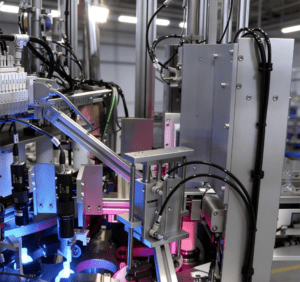
Equipped with an advanced PLC control system et AI visual positioning technology, the machine achieves assembly precision within ±0.03mm. This ensures a perfect tight fit between nipple and bottle body, eliminating the microscopic gaps that cause leaks.
🧪 100% In‑Line Leak Detection
Every finished bottle passes through an automatic leak testing unit that applies high pressure to detect compromised seals or loose caps. Defective units are rejected instantly—no sampling, no guesswork.
The result: finished product qualification rate exceeding 99.8% et first‑pass yield above 99.5%.
🧼 Food‑Grade Materials & Global Compliance
The machine‘s core components are constructed from 304/316L stainless steel and food‑grade materials, ensuring corrosion resistance, easy cleaning, and full compliance with infant‑industry hygiene standards. It meets FDA, CE, and GMP requirements right out of the box—essential for brands exporting to regulated markets.
📊 Full Traceability via MES Integration
For manufacturers serving FDA‑regulated or EU markets, traceability is not optional. RUIZHI‘s machine supports seamless integration with Manufacturing Execution Systems (MES) , enabling complete documentation of every batch—from raw material to finished bottle.
📈 Section 4: The Business Case — ROI in Under 14 Months
Let’s talk about what really matters: the bottom line.
| Metric | Manual Assembly | RUIZHI Fully Automatic Machine |
|---|---|---|
| Output per hour | 400–600 bottles | 5,400–7,200 bottles |
| Qualification rate | <95% | >99.8% |
| Labor required | 8–10 operators | 1–2 operators |
| Defect-related losses | High | Minimal |
| Changeover time | Hours | <5 minutes |
Manufacturers who have made the switch report labor costs cut by over 80%, defect rates slashed from >5% to <0.5%, and return on investment realized within just 10–14 months.
One manufacturer, previously losing over $200,000 annually to leak‑related warranty claims and rejected shipments, reduced operator count from twelve to two and saw complete payback by month eleven.
“My only regret is not buying the machine two years earlier.” — Verified customer case study
🔮 Section 5: Aligning with the 2026 Industry Shifts — Why “Smart” Is No Longer Optional
The manufacturing landscape has fundamentally changed.
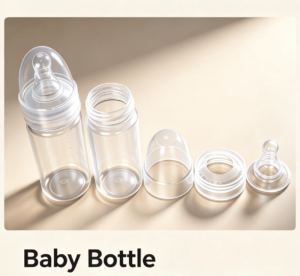
According to the International Federation of Robotics (IFR), AI‑supported autonomy, IT/OT integration, humanoid flexibility, security architectures, and responses to labor shortages are the technology fields industrial companies must invest in now.
The global assembly automation market is projected to grow from USD 3.51 billion in 2025 to USD 6.31 billion by 2032 at a CAGR of 8.72%. The smart assembly line automation market alone is expected to expand from USD 18.4 billion in 2026 to USD 68.6 billion by 2034—a CAGR of 17.8%.
What does this mean for baby bottle manufacturers? Artificial intelligence is no longer just a buzzword. On today‘s factory floors, AI‑powered machines are reshaping day‑to‑day operations—optimizing processes, empowering workers, and unlocking operational efficiencies that static automation simply cannot deliver.
RUIZHI’s machine is purpose‑built for this new reality:
-
AI‑driven visual inspection ensures zero defective units reach customers
-
PLC‑based intelligence enables real‑time monitoring of output, rejection rates, and line efficiency
-
Edge AI capabilities push decision‑making directly to the machine layer, reducing latency and improving responsiveness
🧩 Section 6: The New Style — A Letter from Our Lead Automation Engineer
Dear Manufacturing Leader,
I‘ve spent over a decade designing non‑standard automation solutions for factories across three continents. I‘ve stood on production floors where workers manually assemble nipples and caps—eight people per line, rotating in and out, contamination risks high, defect rates higher.
I‘ve also watched those same factories transform overnight.
When a baby bottle assembly machine clicks into place—bottle body feeding continuously, nipples seated with ±0.03mm accuracy, leak testers rejecting the 0.2% that don‘t pass—something shifts. The anxiety around quality control disappears. The math on labor costs changes completely. And suddenly, your factory is ready for contracts you would have turned down six months ago.
This isn‘t about replacing people. It‘s about redeploying them to higher‑value roles—quality oversight, line optimization, production planning. The ten operators we remove from manual assembly don‘t get laid off; they get promoted.
If you‘re ready to discuss what this machine could do for your specific bottle design, I‘d welcome the conversation.
— Zhuoran Li, Lead Automation Engineer, RUIZHI Intelligent Manufacturing
🌱 Section 7: Beyond Production — Sustainability, Agility, and the Green Factory Imperative
Sustainability is no longer a differentiator—it‘s a requirement.
Sustainable packaging remains a major focus across the infant feeding industry, with manufacturers prioritizing designs that support circular economies. RUIZHI‘s machine supports lightweight bottle production and minimizes material waste through precision assembly.
The Green Factory model shows how AI, automation, and intelligent sensing can cut waste, reduce emissions, and align business growth with long‑term environmental responsibility. By integrating smart sensors and data‑driven manufacturing, our machine helps manufacturers reduce scrap, lower energy consumption per unit, and achieve the production transparency that modern regulators and consumers demand.
🧠 Section 8: Beyond the Brochure — Five Questions Every Bottle Manufacturer Must Ask in 2026
Before you scroll past this article, ask yourself:
-
Can your current defect rate survive the next customer audit?
If it‘s above 0.5%, probably not. -
Are you priced out of contracts your competitors in Southeast Asia are winning?
Their unit costs are already 20% lower—and dropping. -
When was the last time a manual assembly line passed a surprise hygiene inspection?
Exactly. -
Do you know your real cost per bottle—including rejects, rework, and warranty claims?
Most manufacturers don‘t. The number is higher than you think. -
What happens when a European retailer asks for MES traceability on every batch?
If your machine can‘t deliver it, you won‘t get the contract.
📌 Final Takeaway
The baby bottle market is growing. Consumer expectations are rising. Regulatory scrutiny is tightening. And manufacturers still running manual lines are losing ground every single day.
RUIZHI‘s Fully Automatic Baby Bottle Assembling Machine isn‘t just an equipment purchase—it‘s a strategic move into smart manufacturing, Industry 4.0, and the future of infant feeding production.
With proven ROI, global compliance, and a decade of expertise in non‑standard automation, we‘re ready to help you build the line that scales.
#BabyBottleAssembly #Industry40 #SmartFactory #IndustrialAutomation #SustainableManufacturing
📧 Ready to automate? Contact RUIZHI Intelligent Manufacturing.