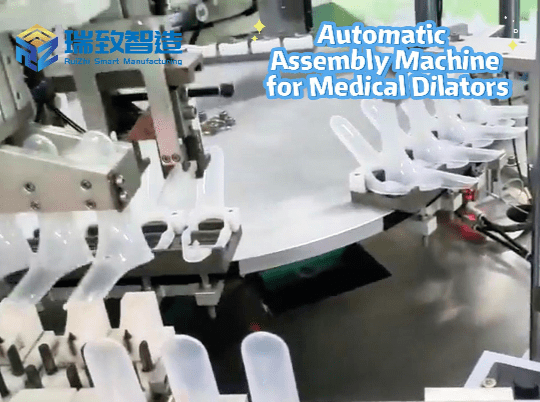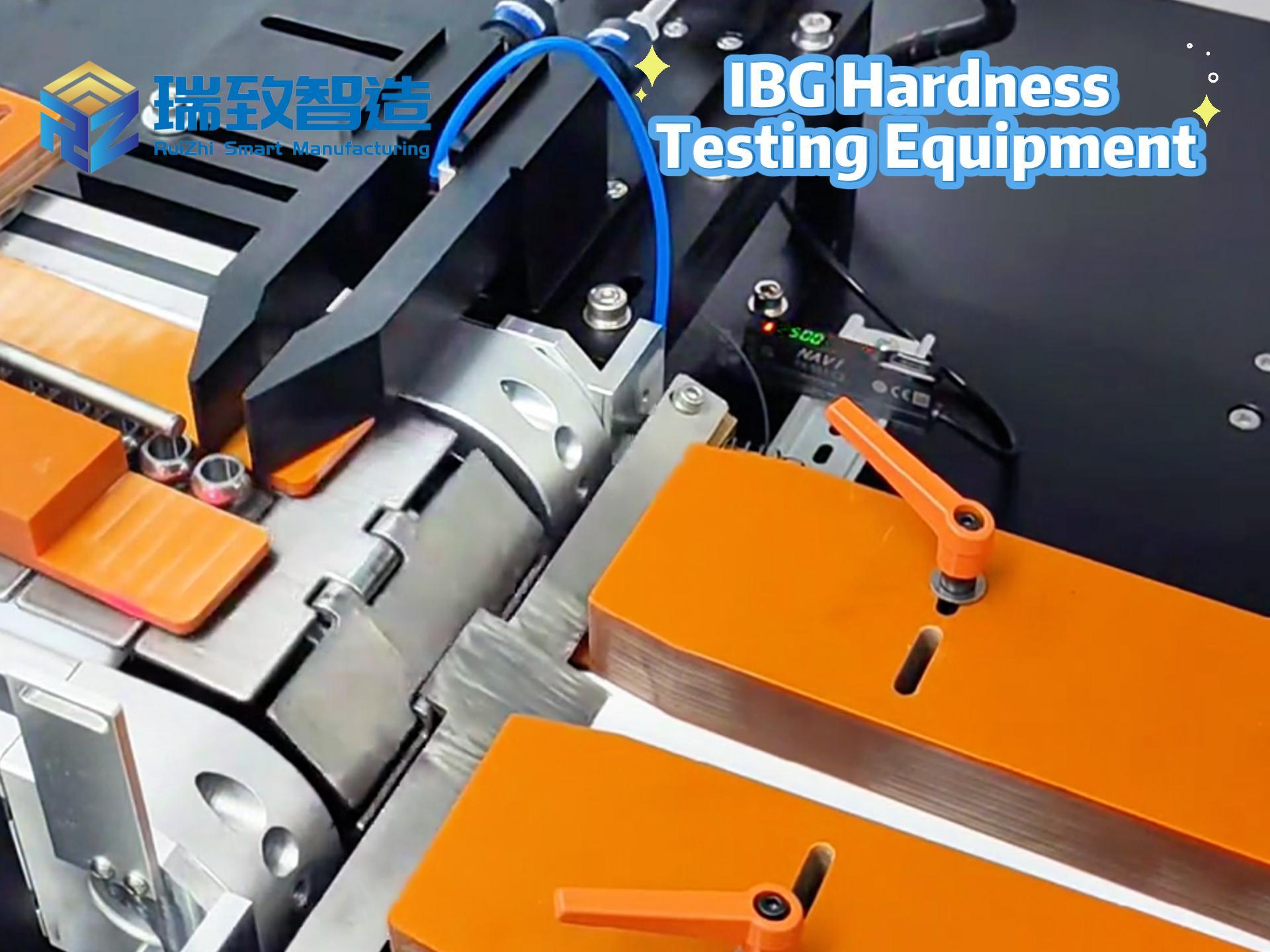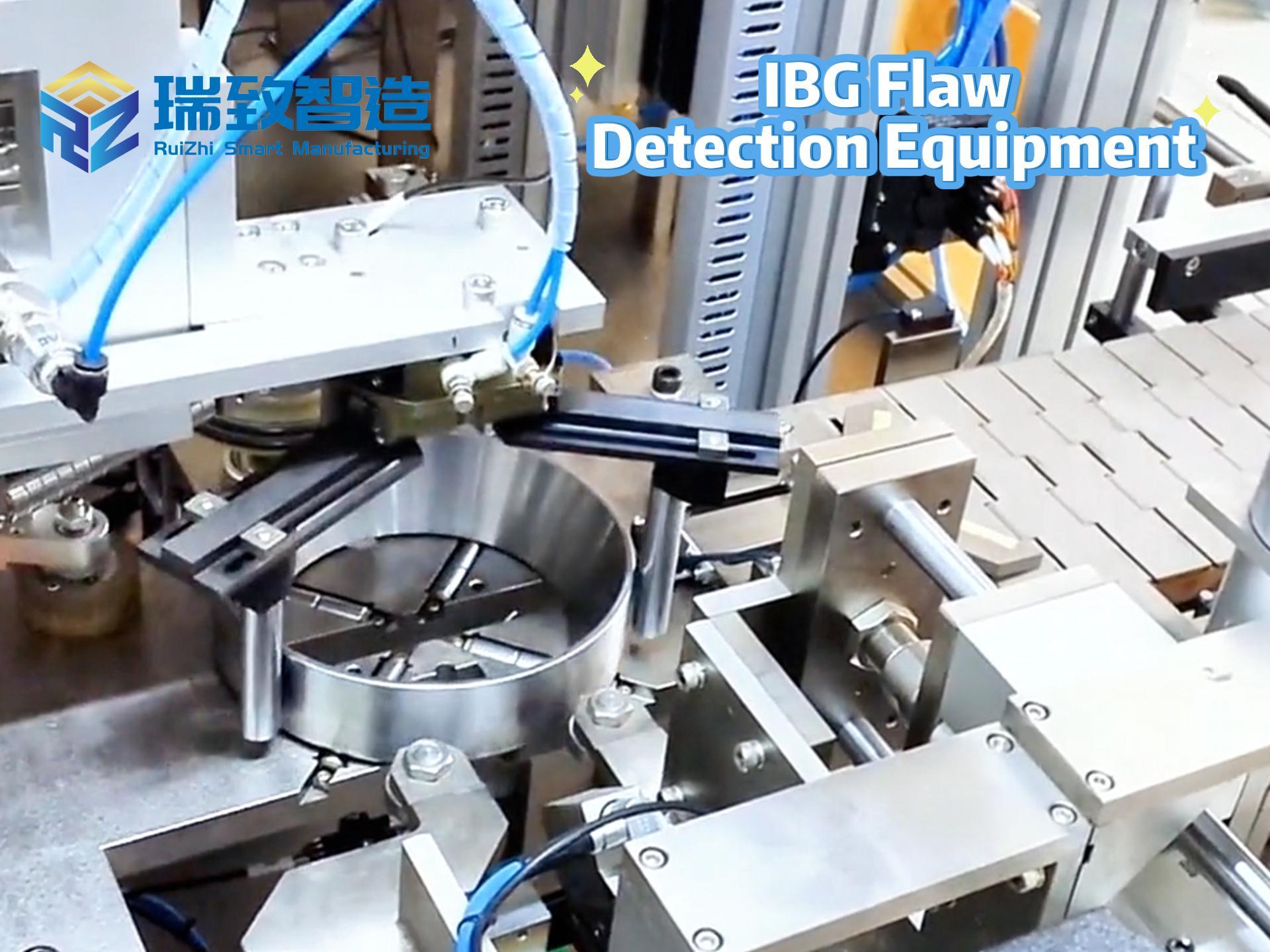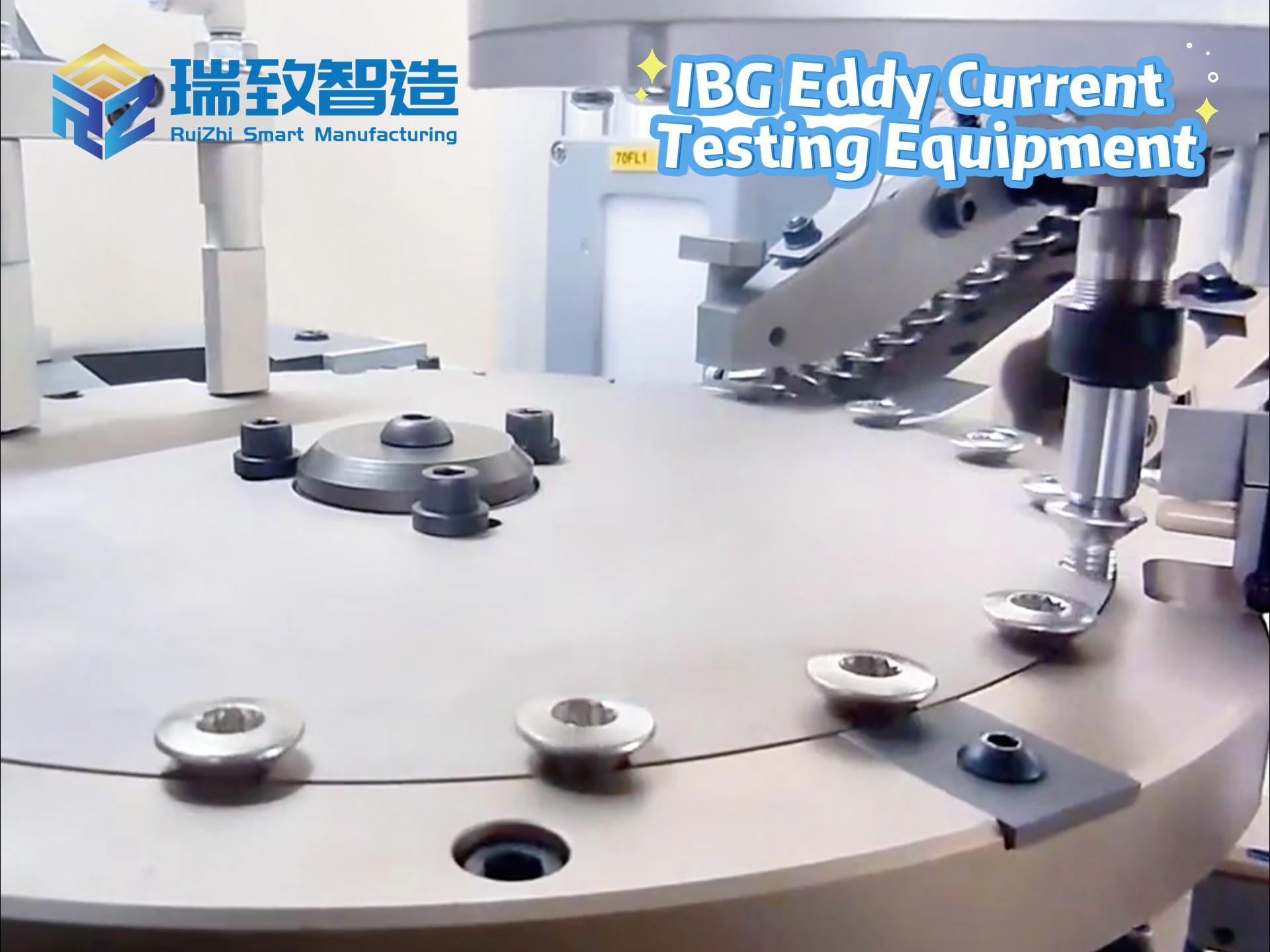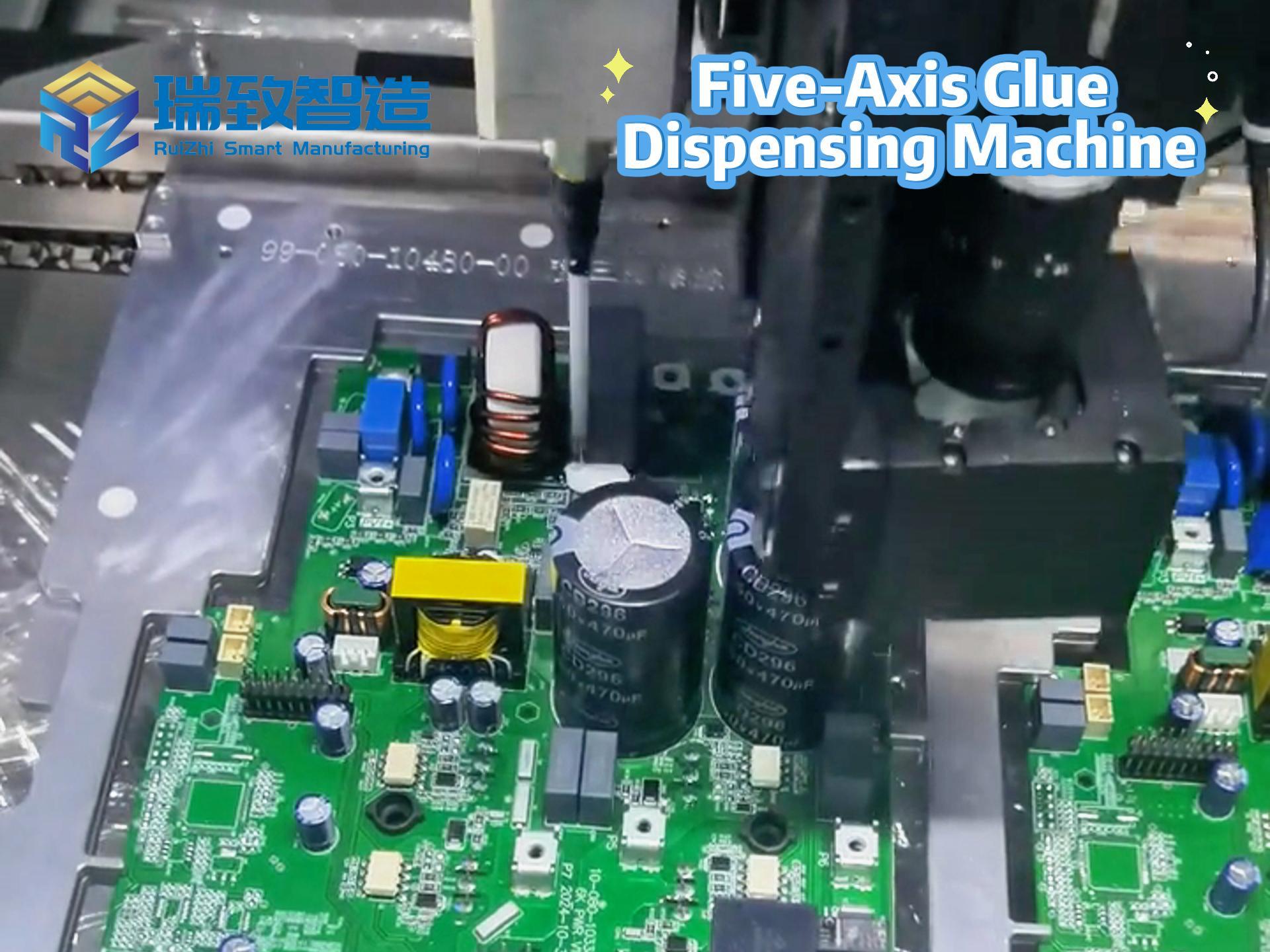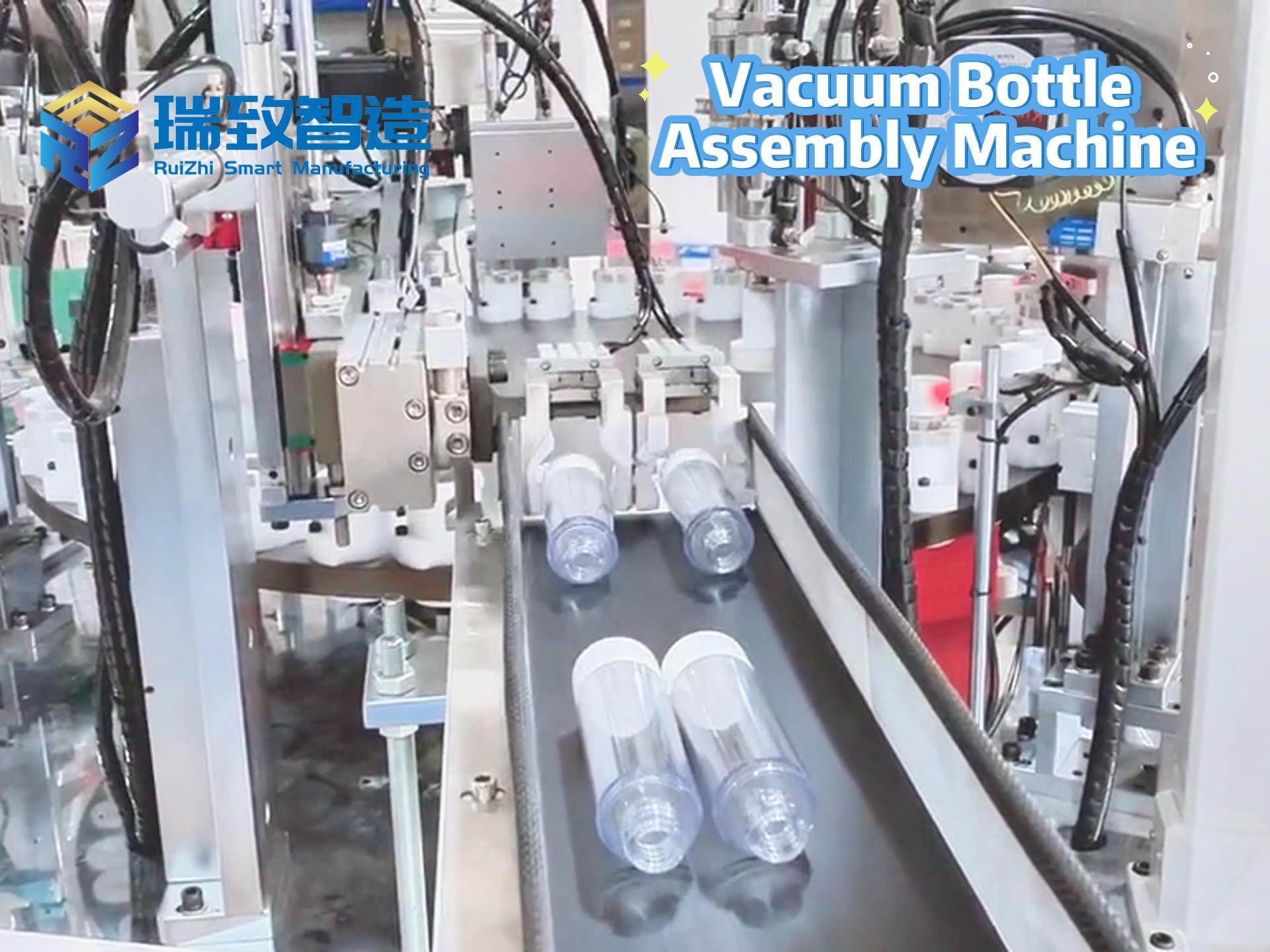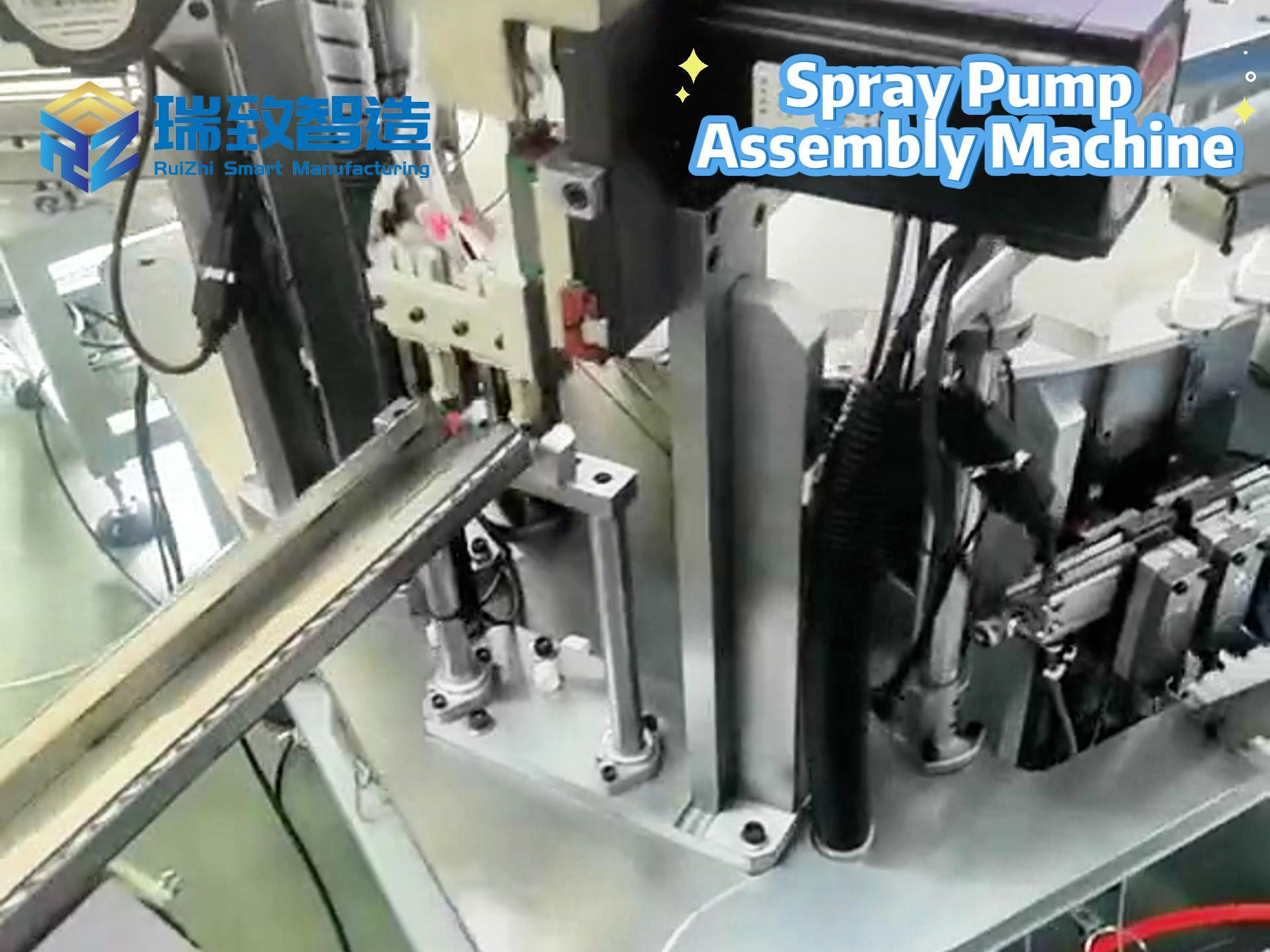
Efficiency meets medical-grade precision. 24/7 production. Audit-ready compliance.
The 1.67 Billion Dollar Question in Respiratory Healthcare
The global nebulizer market is accelerating. Valued at $976 million in 2025, it is projected to reach $1.67 billion by 2034 — driven by rising asthma and COPD prevalence, an aging population, and the expansion of home healthcare. Every day, more than 1 billion people worldwide rely on nebulizers to convert liquid medication into breathable aerosol particles.
But there is a critical bottleneck that manufacturers can no longer ignore:
How do you assemble medical-grade devices at commercial scale without compromising patient safety?
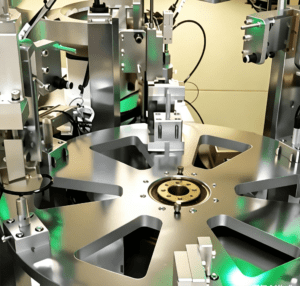
Manual assembly lines are struggling. Eight to ten operators per shift produce roughly 800 to 1,200 units — with defect rates of 3% to 5% caused by misaligned nozzles, poor seal integrity, or inconsistent electronic connections. Every loose fitting is a compliance liability. Every misaligned component is a patient risk.
The industry standard is shifting. The FDA‘s QMSR took full effect in February 2026, and EU MDR enforcement is tightening. Manual processes are no longer just inefficient — they are a regulatory exposure.
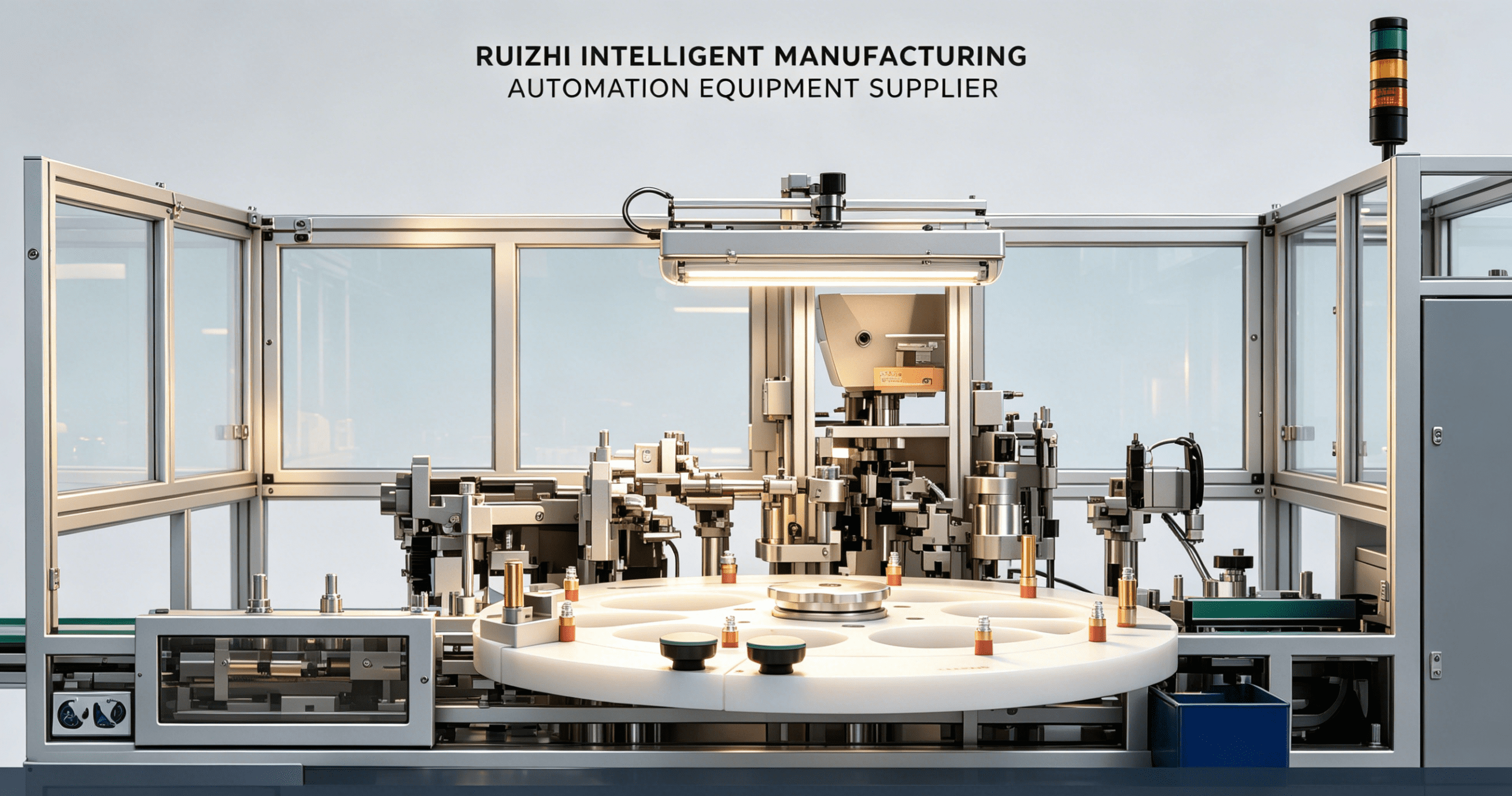
This is why RuiZhi Intelligent Manufacturing built the High-Precision Fully Automatic Nebulizer Assembly Machine.
One Machine. Three Strategic Wins.
With just two skilled technicians, the RuiZhi nebulizer assembly line delivers 3,000 to 5,000+ units per shift — three to five times the output of a manual line. First-pass yield consistently exceeds 99%. Material waste drops by 10–15%. Investment recovery typically occurs within 12 to 24 months, followed by years of lower unit costs.
| Metric | Manual Line | RuiZhi Automated Line |
|---|---|---|
| Operators | 8–10 | 1–2 |
| Output per shift | 800–1,200 units | 3,000–5,000+ units |
| First-pass yield | 95–97% | 99%+ |
| Defect rate | 3–5% | <1% |
| Material waste | Baseline | ↓10–15% |
| Model changeover | Hours | <5 minutes |
A single RuiZhi machine replaces 8–10 manual operators. Labor costs drop by over 70%. Production scales without hiring, training, or managing more people. That is the strategic advantage of automation.
Precision That Matters — At the Micron Level
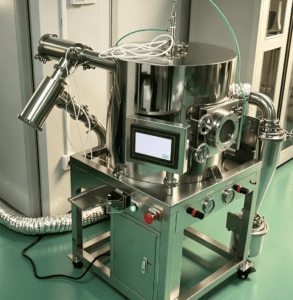
Nebulizer performance hinges on tight tolerances. Nozzle alignment (±0.1 mm matters). Reservoir seal integrity. Proper electronic connections for mesh-driven circuits. Manual lines cannot maintain that consistency across shifts and operator fatigue cycles.
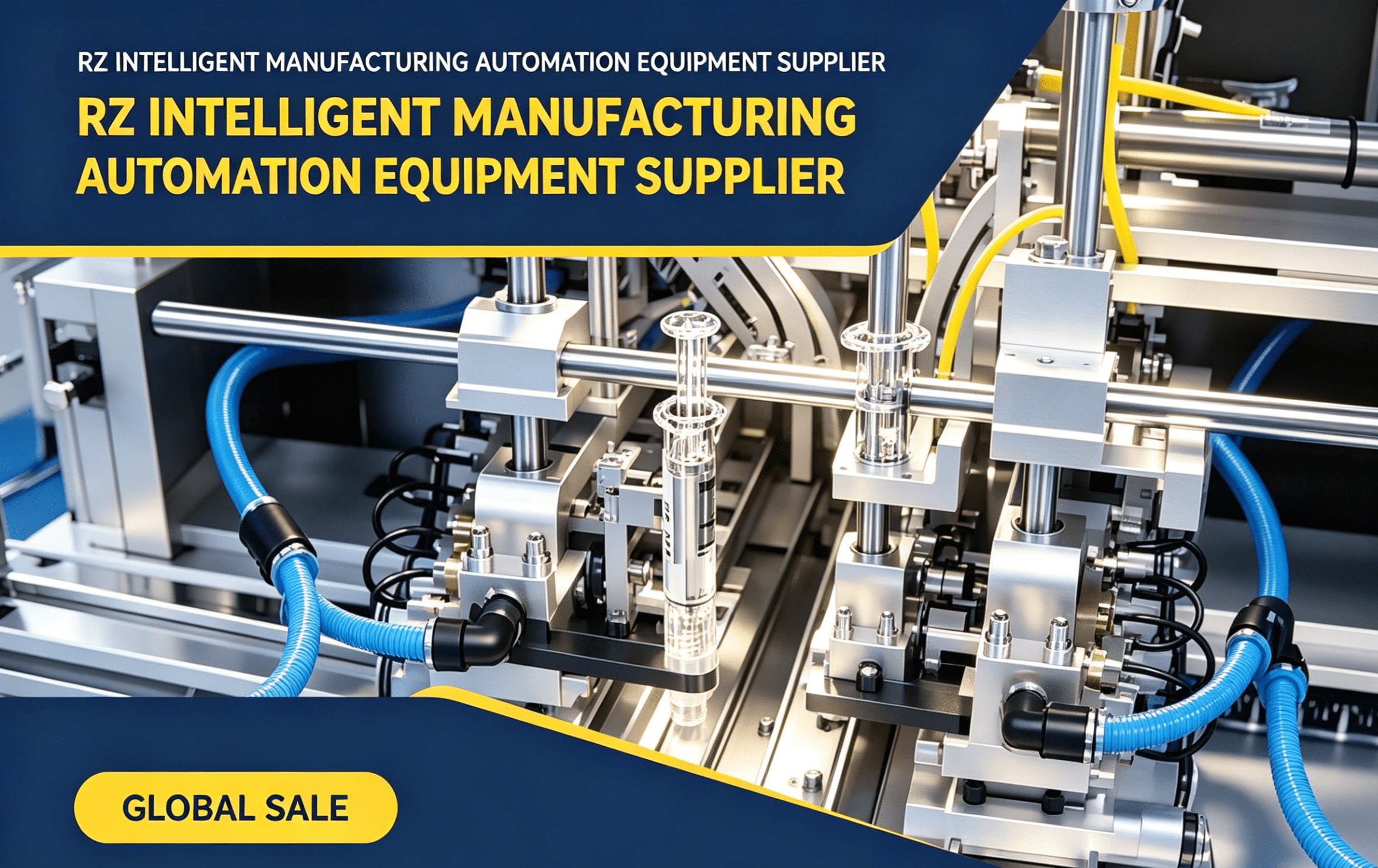
The RuiZhi machine uses high-response servo motors and smart sensors to achieve positioning accuracy of ±0.15 mm (and down to ±0.02 mm with real-time force control). Key processes — nozzle installation, sealing ring placement, PCBA docking, and shell fitting — are fully automated and continuously monitored.
For a mesh nebulizer that depends on a membrane just 0.1 mm thick, this precision is not a luxury. It is a clinical requirement.
±0.02 mm positioning accuracy is not just a specification. It is the difference between a device that delivers life-saving medication and one that fails in the field.
In-Line Quality. Audit-Ready.
Traditional end-of-line sampling catches defects only after material and labor are already spent. The RuiZhi system integrates adaptive quality control at every station — automatically performing air leak tests, electrical continuity checks, and assembly force verification. Online pass rate consistently exceeds 99%.
For manufacturers subject to ISO 13485, FDA QMSR, and CE audits, this closed-loop control provides an audit-ready digital trail that manual assembly simply cannot offer.
The integration of AI‑powered visual inspection and real‑time analytics is rapidly reshaping medical device manufacturing. In 2026, the goal is not just to detect defects, but to catch them before they occur. The RuiZhi machine delivers exactly that — a quality management system, not just a conveyor belt.
One Line, Multiple Models. Flexible Manufacturing for a Dynamic Market.
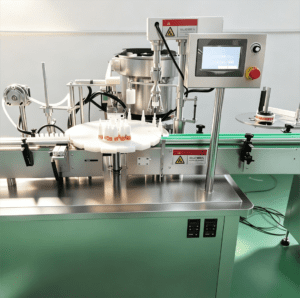
The nebulizer market is not monolithic. Jet nebulizers. Mesh nebulizers. Ultrasonic models. Each has its own structure, components, and assembly sequence.
RuiZhi‘s modular tooling and quick-change fixture systems let manufacturers switch between different SKUs in less than five minutes. Whether you are scaling up a standard jet nebulizer or launching a next‑generation portable mesh device, the same line adapts. This flexibility is essential for manufacturers responding to rapid market shifts, seasonal demand, and limited‑edition product drops.
Customizable to fit exact product specifications, with minimal downtime. One line. Dozens of variants. No expensive retooling.
This flexibility is why leading medical device manufacturers choose RuiZhi for non‑standard automation solutions — equipment built for your product, not adapted from someone else‘s.
Built for GMP, Cleanroom, and 24/7 Production
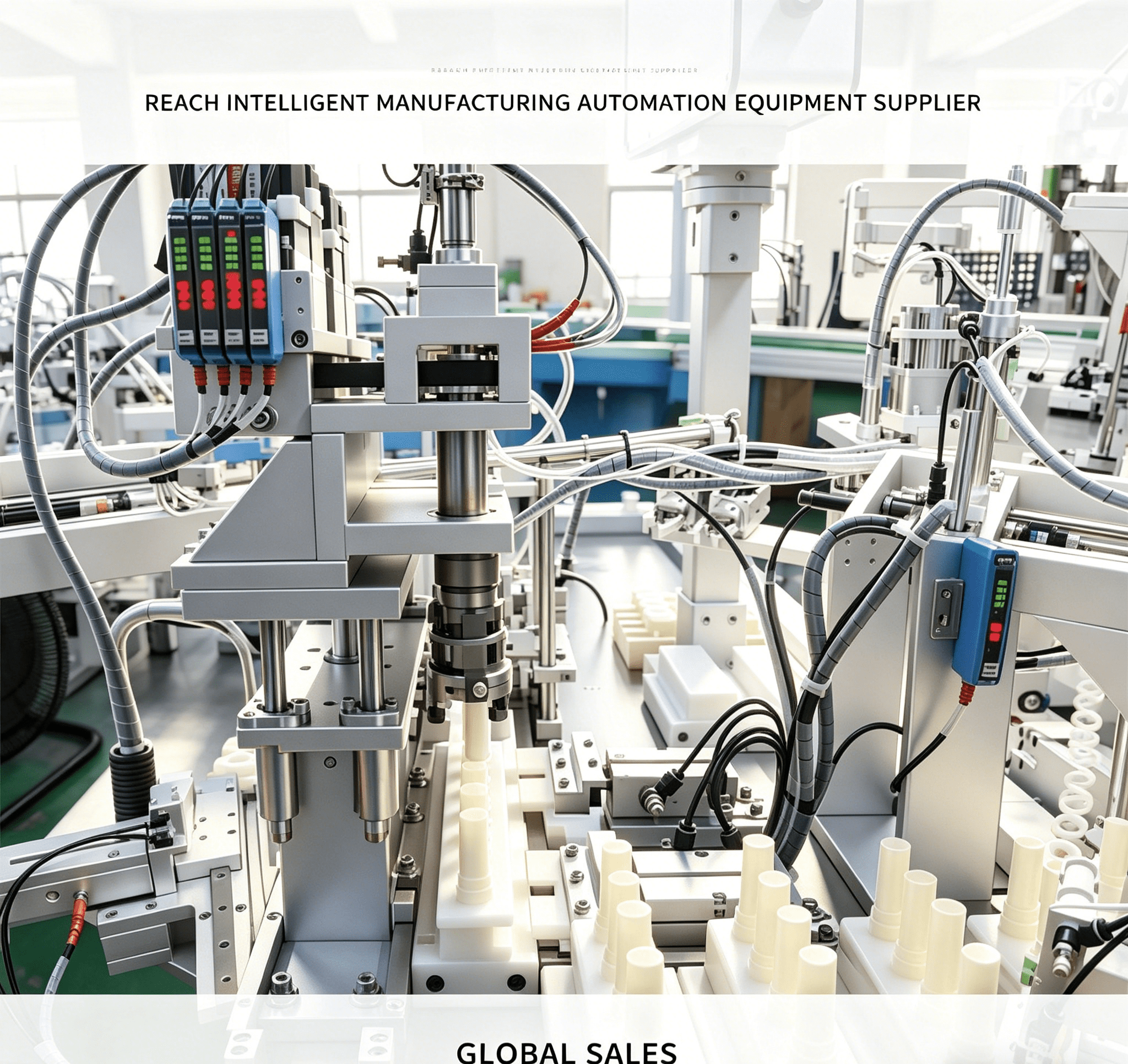
In medical device manufacturing, uptime is everything. RuiZhi’s nebulizer assembly machine integrates automatic feeding, precise assembly, online inspection, leak testing, and finished product sorting into one continuous flow. The robust frame, premium components, and intelligent fault self-diagnosis system ensure low failure rates and easy maintenance.
The machine supports 24‑hour uninterrupted production, with cleanroom-ready design and compliance with GMP standards. Data recording and traceability are built in — helping customers meet the rigorous audit requirements of ISO 13485, CE, and FDA.
When your competitors‘ manual lines are changing shifts, your RuiZhi line is still running. That is the power of Industry 4.0 in respiratory device manufacturing.
Why 2026 Is the Year to Automate — Before Your Competitors Do
The manufacturing landscape has fundamentally shifted. Over 60% of manufacturers are increasing planned investment in automation and robotics. 86% of employers now view AI, machine vision, and collaborative robotics as the primary levers for business transformation.
Yet while 98% of manufacturers are exploring AI-driven automation, only 20% say they feel fully prepared to use it at scale. The technology is not waiting. And neither are your competitors.
The U.S. faces a staggering labor gap of 425,000 workers. By 2033, manufacturers may need as many as 3.8 million new workers — with nearly half of those jobs projected to remain unfilled. The workforce challenge is not cyclical. It is structural. Automation is the only scalable answer.
At the same time, regulatory pressure is mounting. The FDA‘s QMSR took full effect in February 2026, aligning U.S. quality system requirements with ISO 13485 for the first time. In the EU, EUDAMED becomes mandatory from May 2026, demanding end-to-end traceability.
The message is clear: disconnected manual systems are no longer just inefficient — they are a compliance liability.
Trusted by Global Medical Device Manufacturers — Ready for You
Since 2014, RuiZhi Intelligent Manufacturing has delivered custom, non‑standard automatic assembly solutions to the global medical device industry. Our high-precision nebulizer assembly machine combines micron-level accuracy, flexible customization, and industrial efficiency — designed for manufacturers who refuse to compromise between speed and safety.
➡️ Contact RuiZhi Automation today to request a quote or schedule a virtual demo.
#NebulizerAssemblyMachine #MedicalDeviceManufacturing #Industry40 #FDAQMSR #SmartFactory