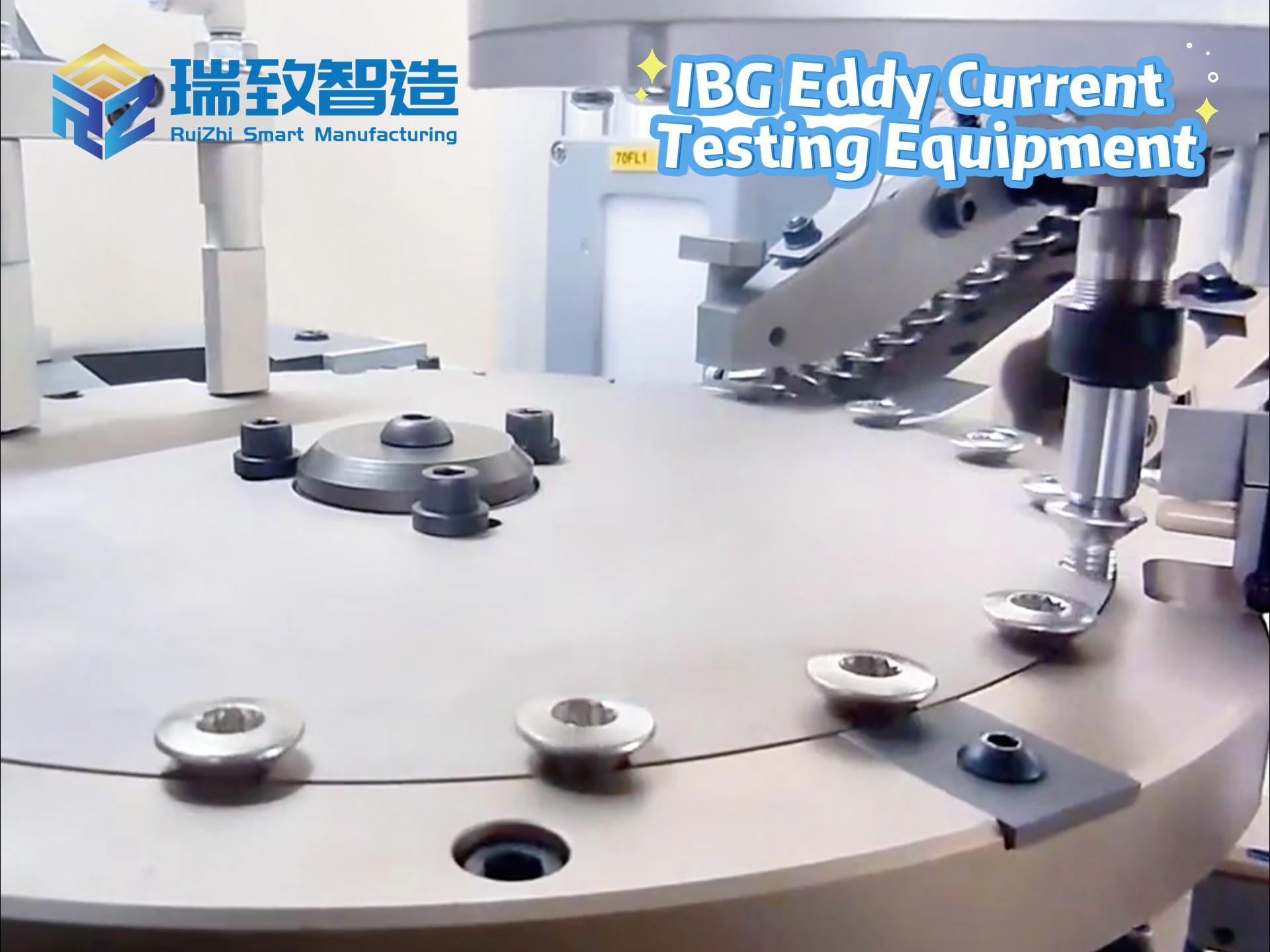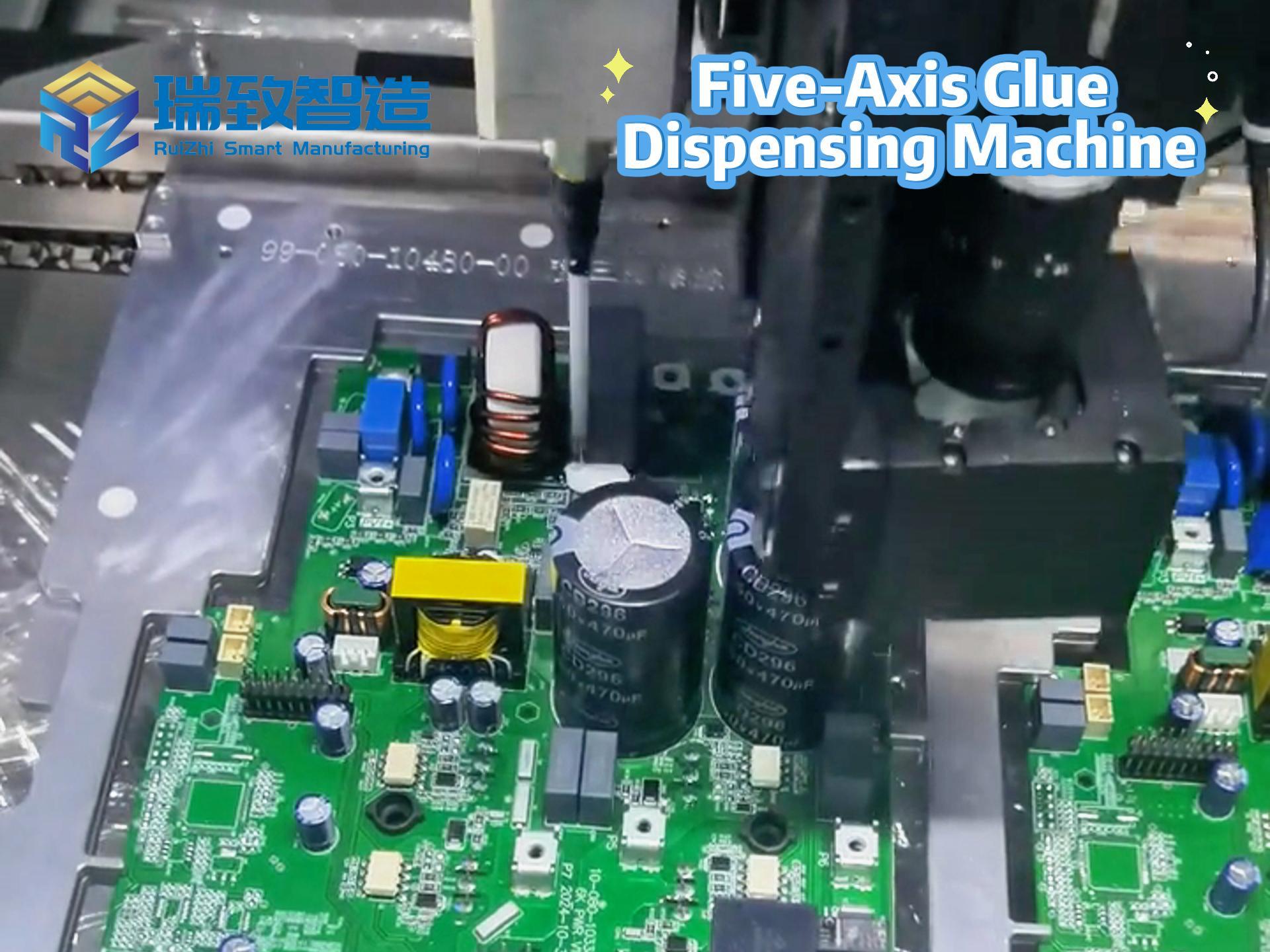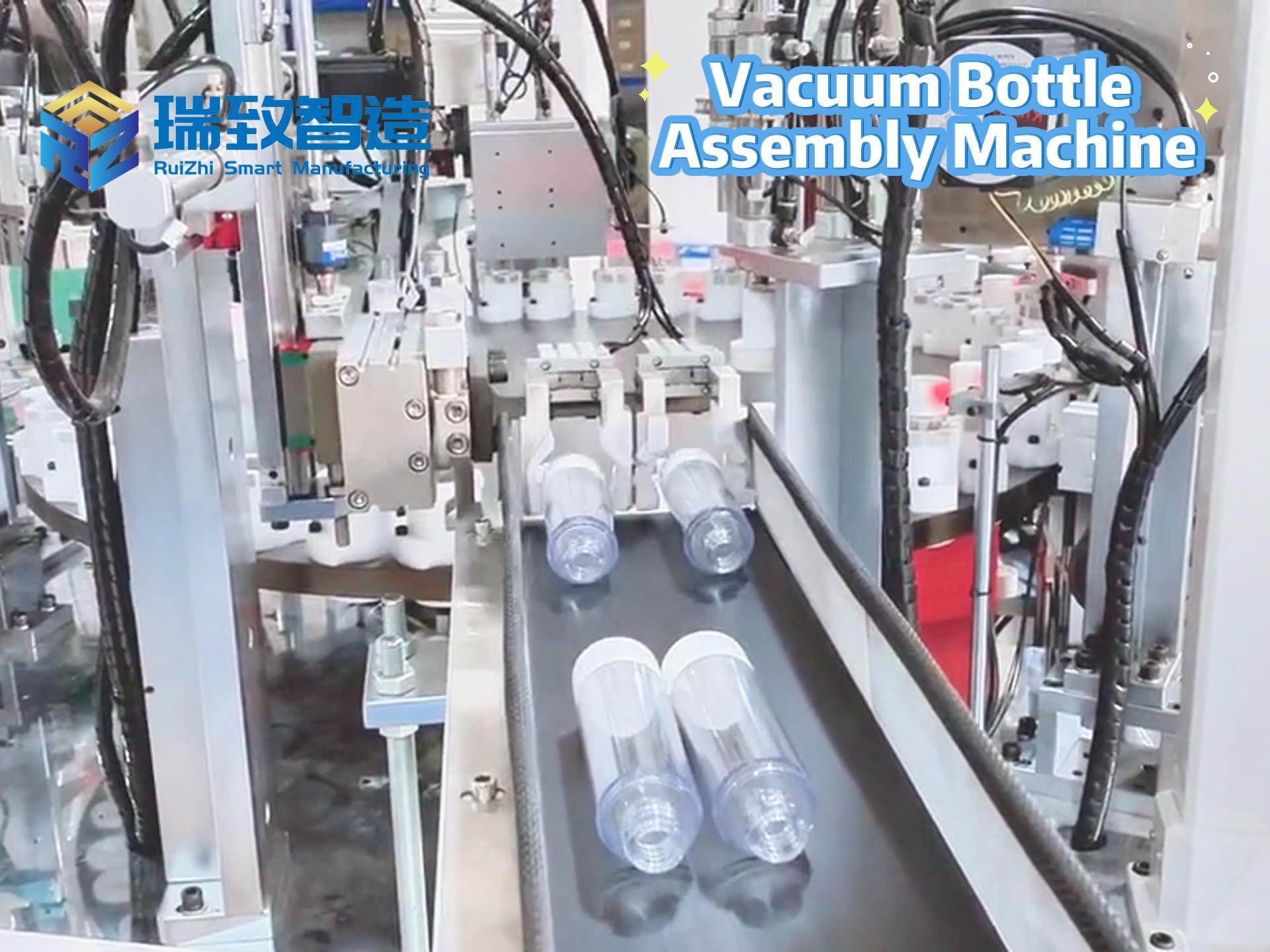

In modern manufacturing, the dimensional accuracy of precision part machining directly determines product performance and quality. From precision electronic components to core components of large-scale equipment, high-precision parts are the key to ensuring the normal operation of products. Especially in fields such as laser sheet metal processing and sheet metal chassis manufacturing, the requirements for dimensional accuracy are extremely stringent. Below, let’s explore the crucial dimensional accuracy control strategies in precision part machining.
Application of Advanced Machining Equipment
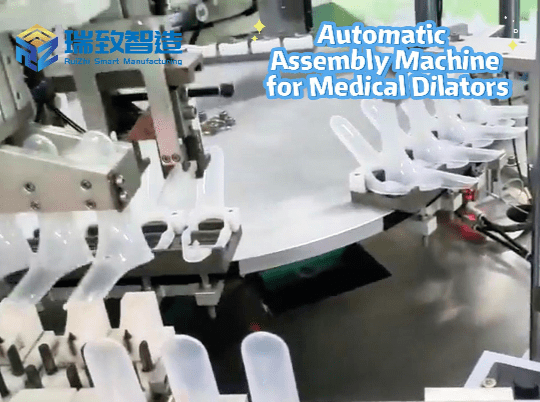
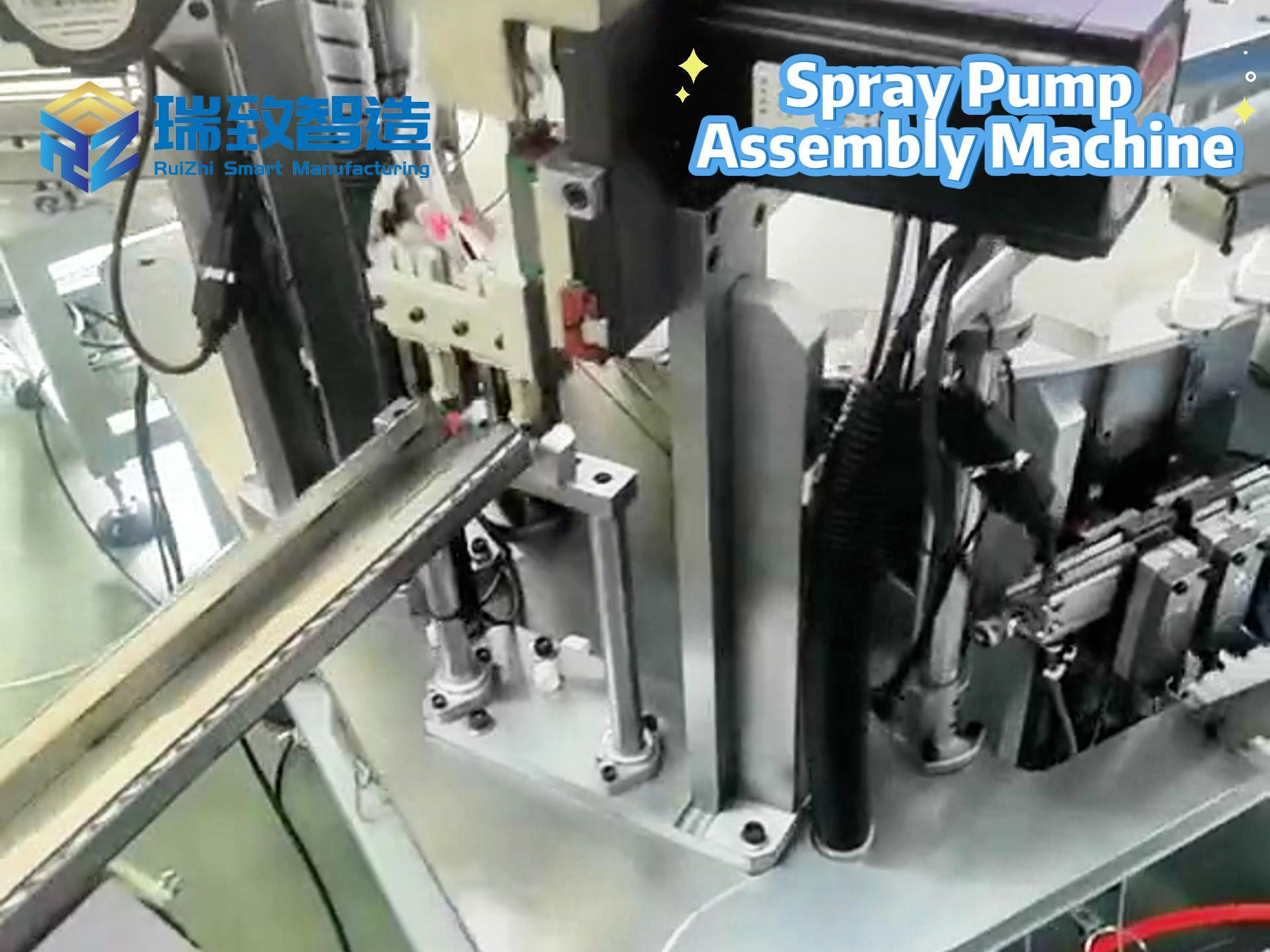
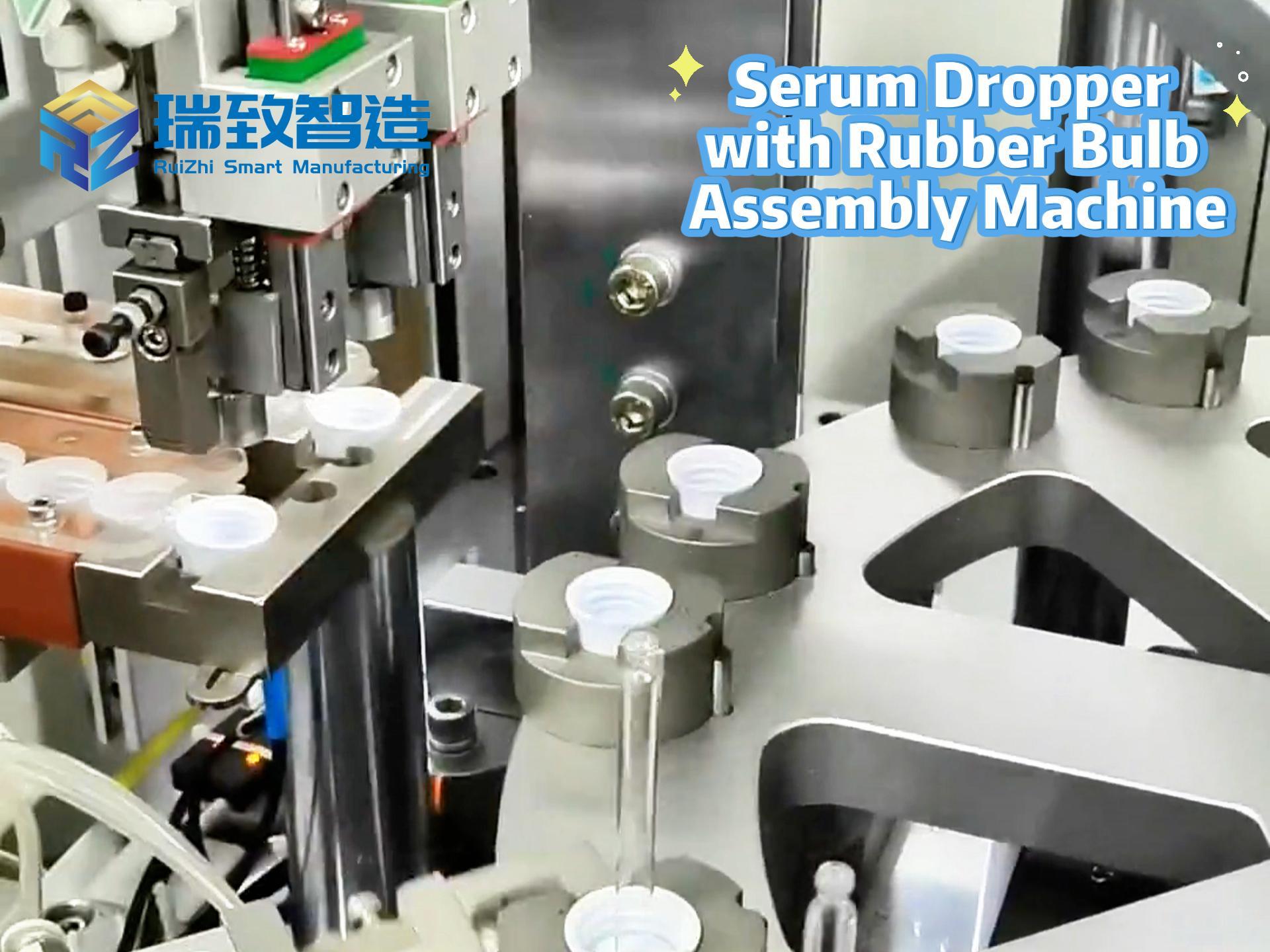
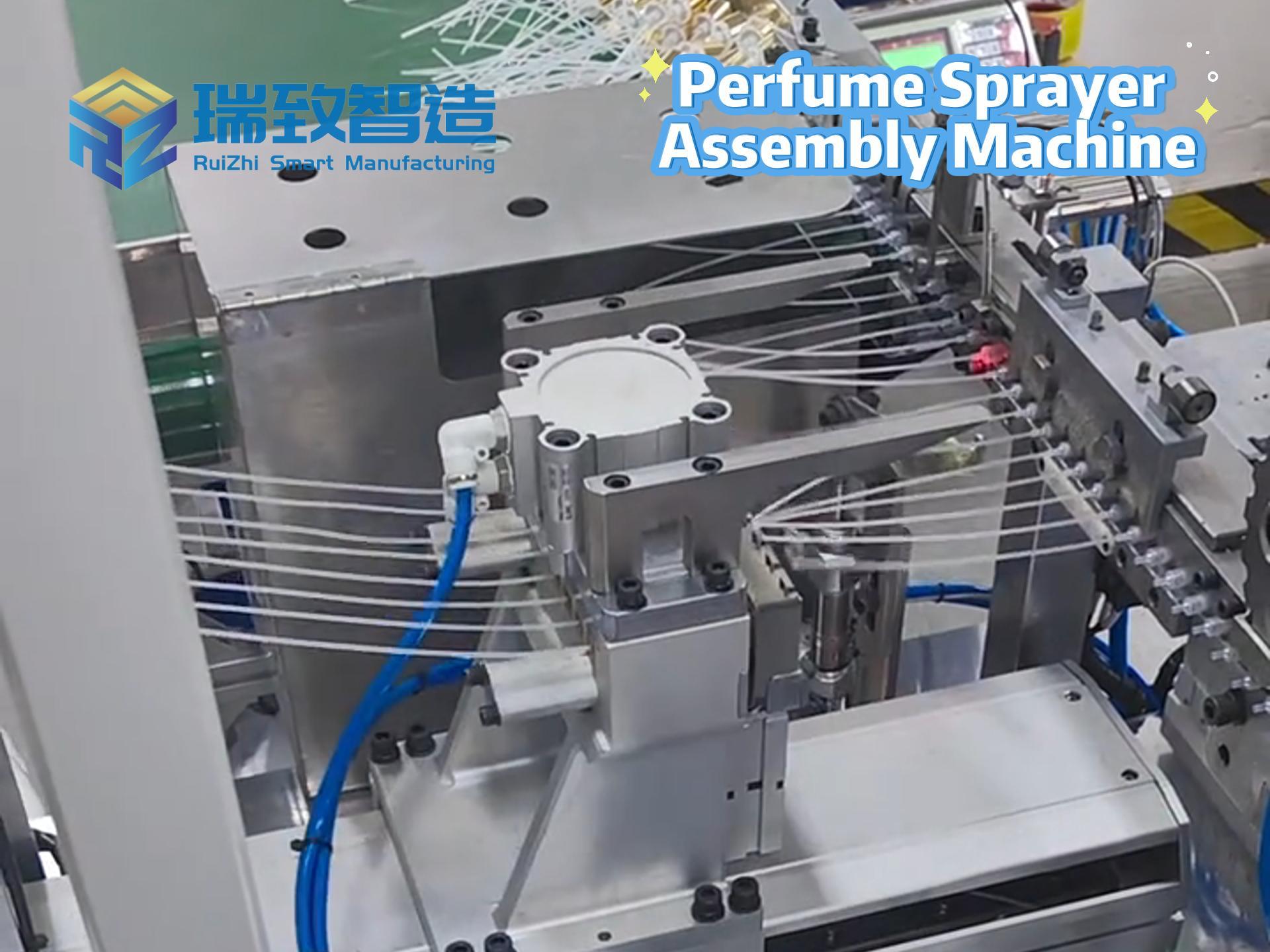
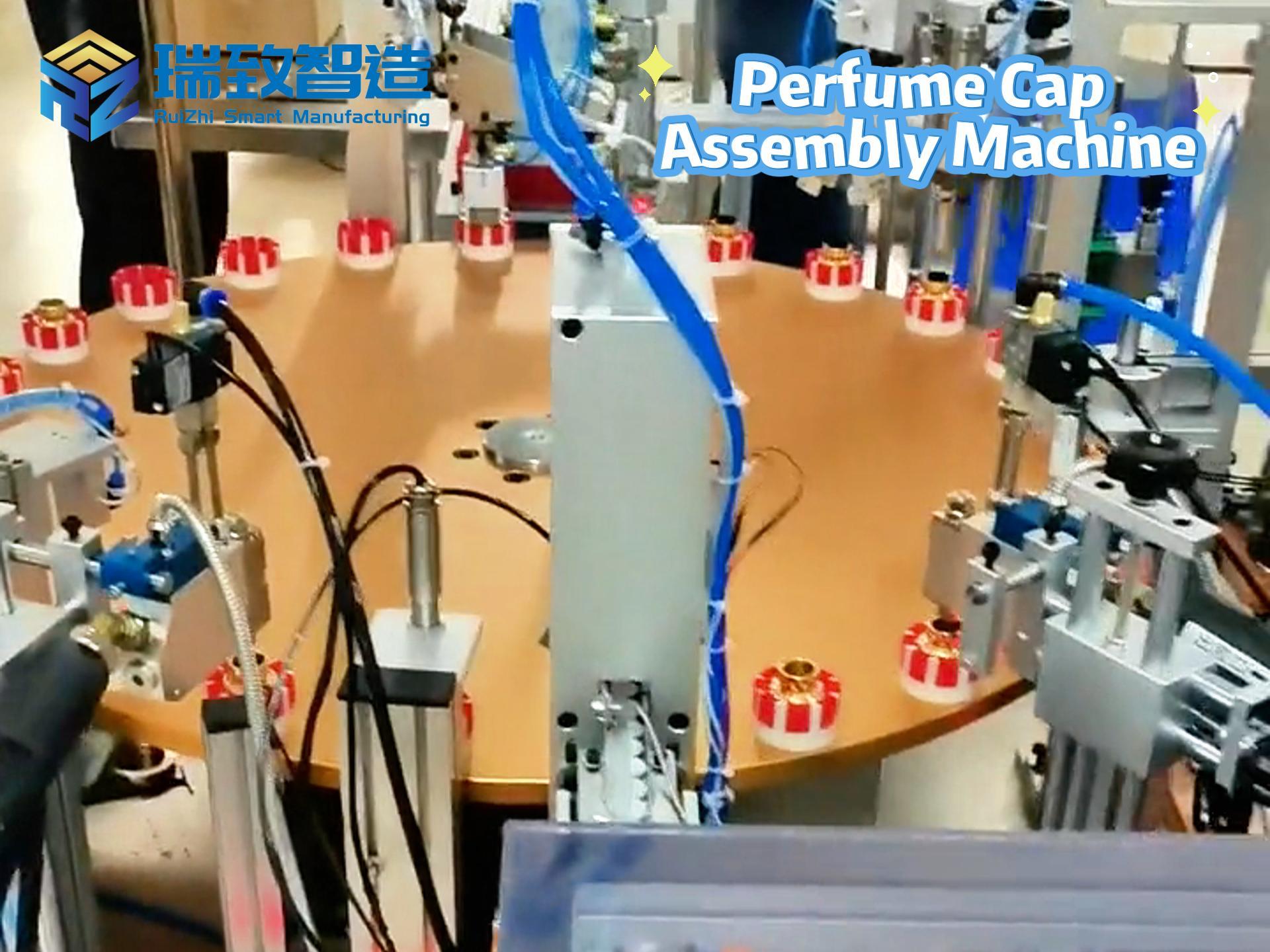
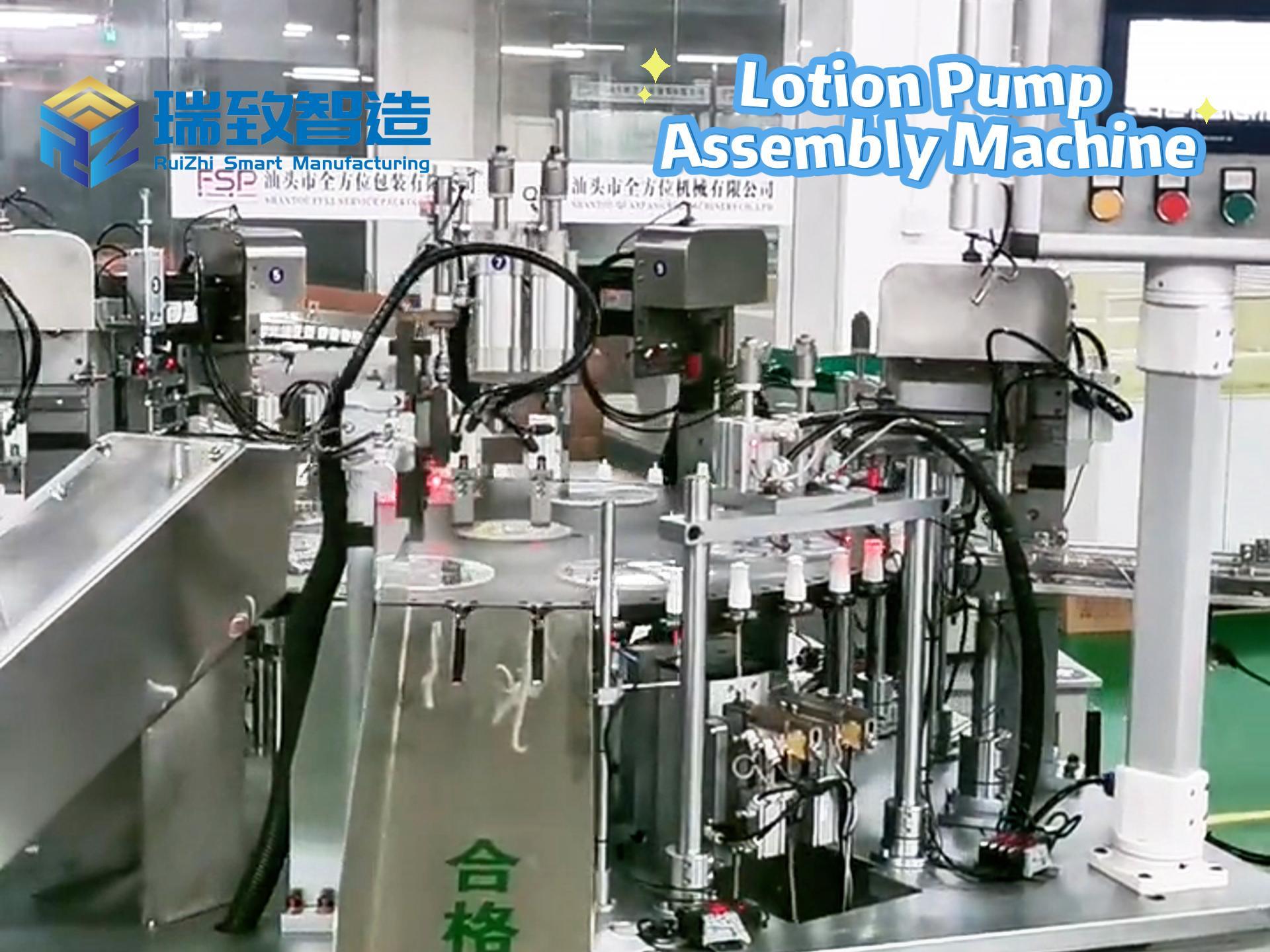
High-precision machining equipment is the foundation of ensuring dimensional accuracy. In laser sheet metal processing, advanced laser cutting machines are equipped with high-precision CNC systems, which can accurately control the path and energy of laser beams. For example, when processing precision parts such as inkjet printer housings, laser cutting machines can minimize cutting errors, ensuring that every hole and edge of the housing conforms to the designed dimensions. For precision electronic components such as fuses, specialized Fuse Assembly Machines are also indispensable for dimensional accuracy control—equipped with high-precision positioning modules and automated calibration systems, these machines can achieve precise alignment and assembly of fuse internal components (such as electrodes and fuse elements), strictly controlling key dimensional parameters like electrode spacing and fuse body fit clearance within micron-level tolerances. This avoids dimensional deviations caused by manual assembly and ensures the stable performance of fuses. High-precision machining centers are also indispensable; their high rotational speed, high rigidity, and precision positioning systems can maintain dimensional accuracy at the micron level during the milling, drilling, and other processing procedures of complex parts.
Optimization of Machining Processes
Reasonable machining processes are the core of accuracy control. In sheet metal processing, it is necessary to select appropriate processing parameters for plates of different thicknesses and materials. For instance, in the bending process, accurately calculating the bending angle and springback of the plate is critical. Determining the optimal parameters such as bending pressure and speed through multiple tests and data analysis can effectively reduce dimensional deviations caused by the bending process. Meanwhile, adopting advanced machining processes such as electrical discharge machining (EDM) enables the processing of precision parts without generating mechanical cutting forces, avoiding part deformation induced by cutting forces and thus ensuring dimensional accuracy.
Strict Quality Inspection
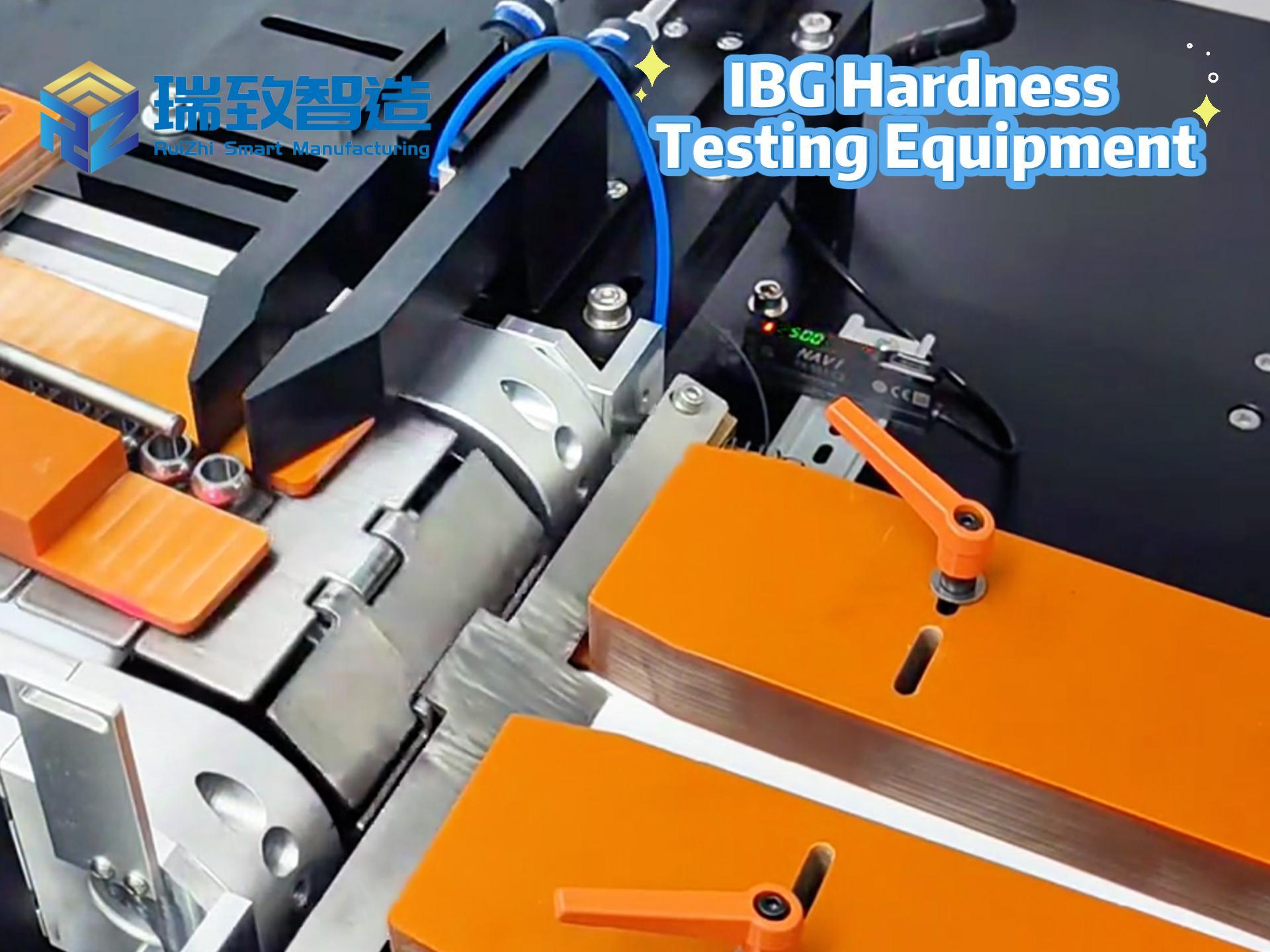
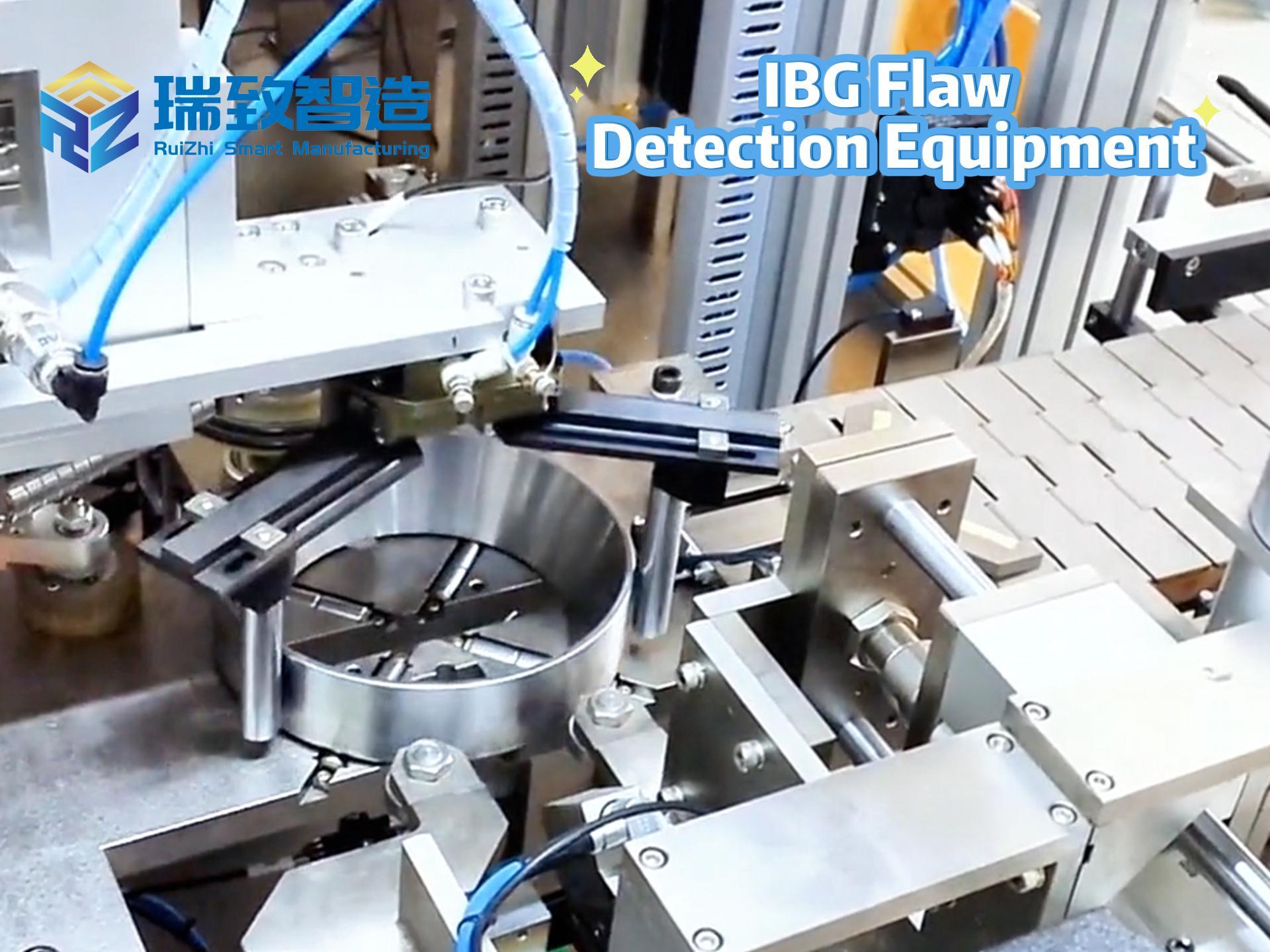
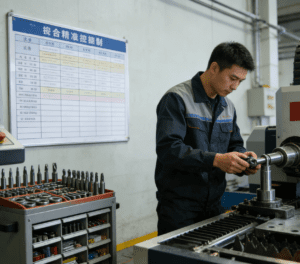
Quality inspection is an important guarantee for dimensional accuracy control. Multiple inspection procedures are required during the machining of precision parts. First is the first article inspection: before mass production, a comprehensive inspection is conducted on the first finished part to confirm that its dimensional accuracy meets the requirements before proceeding with batch production. In the production process, random sampling inspections are also carried out, using precision testing equipment such as coordinate measuring machines (CMMs) to measure the key dimensions of parts. For example, in sheet metal chassis processing, CMMs can accurately measure dimensions such as the length, width, height of the chassis and the positions of each mounting hole. Once dimensional deviations exceeding the allowable range are detected, processing parameters are adjusted in a timely manner to ensure the dimensional accuracy of subsequent products.
Operator Skills and Management
The skill level of operators and workshop management also affect dimensional accuracy. Skilled technicians can better operate machining equipment and flexibly adjust processing parameters according to actual conditions. At the same time, a sound workshop management system, including regular maintenance of equipment and timely replacement of cutting tools, can ensure that machining equipment is always in good operating condition, providing stable hardware support for dimensional accuracy control.
Dimensional accuracy control in precision part machining is a systematic project that needs to be carried out from multiple aspects including equipment, processes, inspection, and personnel management. Whether it is laser sheet metal processing, sheet metal chassis processing, or the production of inkjet printer housings, only by comprehensively applying these strategies can we ensure the dimensional accuracy of precision parts and meet the demand for high-precision parts in modern manufacturing. If you want to learn more about precision part machining, feel free to ask questions at any time.