As an integrated technology application, digital twins are being further implemented across various industries, evolving from visualization to intelligent agents and advancing from local pilots to full-domain collaborative development.On December 4, 2025, the 2nd Digital Twin Technology and Industry Development Conference, together with the Scenario Cultivation and Open Innovation Conference, was held in Suzhou. At the conference, Mu Chunbo, Deputy Director of the Institute of Industry and Planning of the China Academy of Information and Communications Technology (CAICT), officially released and interpreted the “Top 10 Keywords for Digital Twins in 2025”. The ten keywords are: Digital Twin Low-Altitude Economy, Digital Twin Resilient City, Digital Twin Smart Factory, Digital Twin Green and Low-Carbon, Digital Twins Empowered by Intelligent Agents, Spatiotemporal Intelligence, High-Performance Simulation and Rendering, Multimodal Data Fusion, Circulation of Digital Twin Entities, and Generative Model Data Supply. Overall, technical capabilities are becoming more intelligent, data resources are trending toward integration and circulation, and driven by the combined effect of capabilities and data, application scenarios are prominent in hot fields such as low-altitude operations, resilience, factories, and green development.
Digital Twin Low-Altitude Economy
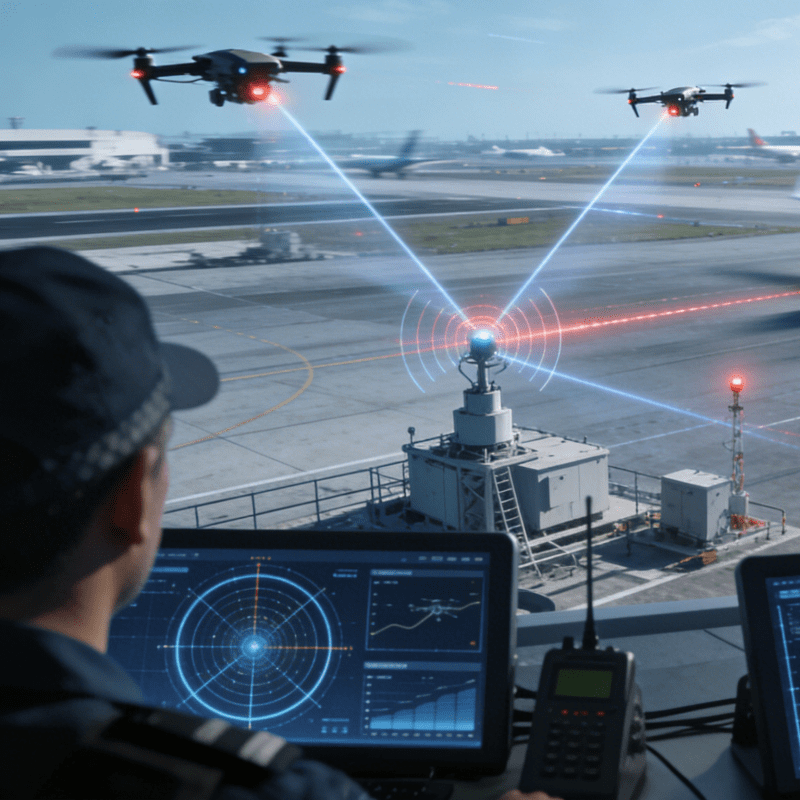
The low-altitude economy is an economic form developed based on three-dimensional space. A digital twin system for low-altitude airspace enables visualization, computability, and analyzability of low-altitude airspace, serving as a crucial foundation for low-altitude airspace management and scenario applications. On one hand, the central and local governments are accelerating policy layout to fully stimulate the demand for the low-altitude economy. Key meetings including the Central Economic Work Conference, the Government Work Report, the 3rd Plenary Session and the 4th Plenary Session of the 20th Central Committee of the Communist Party of China have all explicitly emphasized the requirement to boost the development of the low-altitude economy. Regions such as Jiangsu, Zhejiang and Guangdong have taken the lead in exploring the construction of digital low-altitude systems, regarding digital twins as a key technology to promote the high-quality development of the low-altitude economy. On the other hand, enterprises in related industries are scrambling to seize the new blue ocean of “digital twins + low-altitude economy”. Technology service providers and scenario operators in fields such as low-altitude aircraft, digital twins, spatiotemporal information and meteorology are accelerating their layout by virtue of their technological and market advantages. Looking ahead, the integrated development of digital twins with satellite internet, spatiotemporal big data, artificial intelligence and other technologies will expand digital twin cities toward the “integration of sky, space, ground and sea”, facilitating the construction of a full-space unmanned system.
Digital Twin Resilient City
Digital twin resilient cities are also a hot application area in urban development and risk response this year. Cities are facing the grim reality of intensified climate change and frequent disasters. This year, the average number of rainstorm days in China was 32% more than the same period of normal years, and the number of major global climate disaster events increased by 18% year-on-year. The state attaches great importance to strengthening top-level design. The CPC Central Committee and the State Council jointly issued guidelines on urban renewal and resilient cities, aiming to systematically reduce urban vulnerability and improve the level of urban resilience and safety. Through simulation and deduction, digital twins can effectively support the whole-process management of resilient cities. Various regions have developed many effective application scenarios, such as subway station passenger flow simulation and evacuation, refined early warning based on urban waterlogging risk models, and rapid deployment of emergency responses. In the future, digital twins combined with AI will not only passively respond to shocks, but also form “active immunity”, continuously supporting the resilient and safe development of cities.
Digital Twin Smart Factory
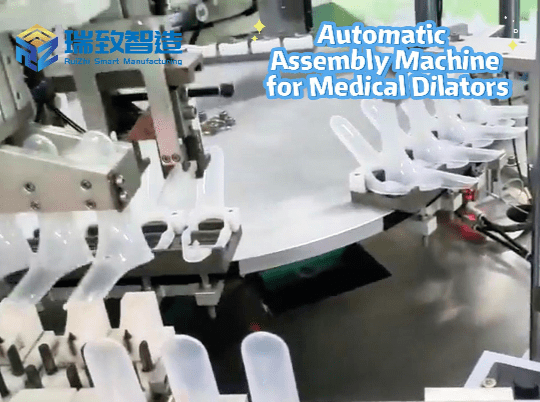
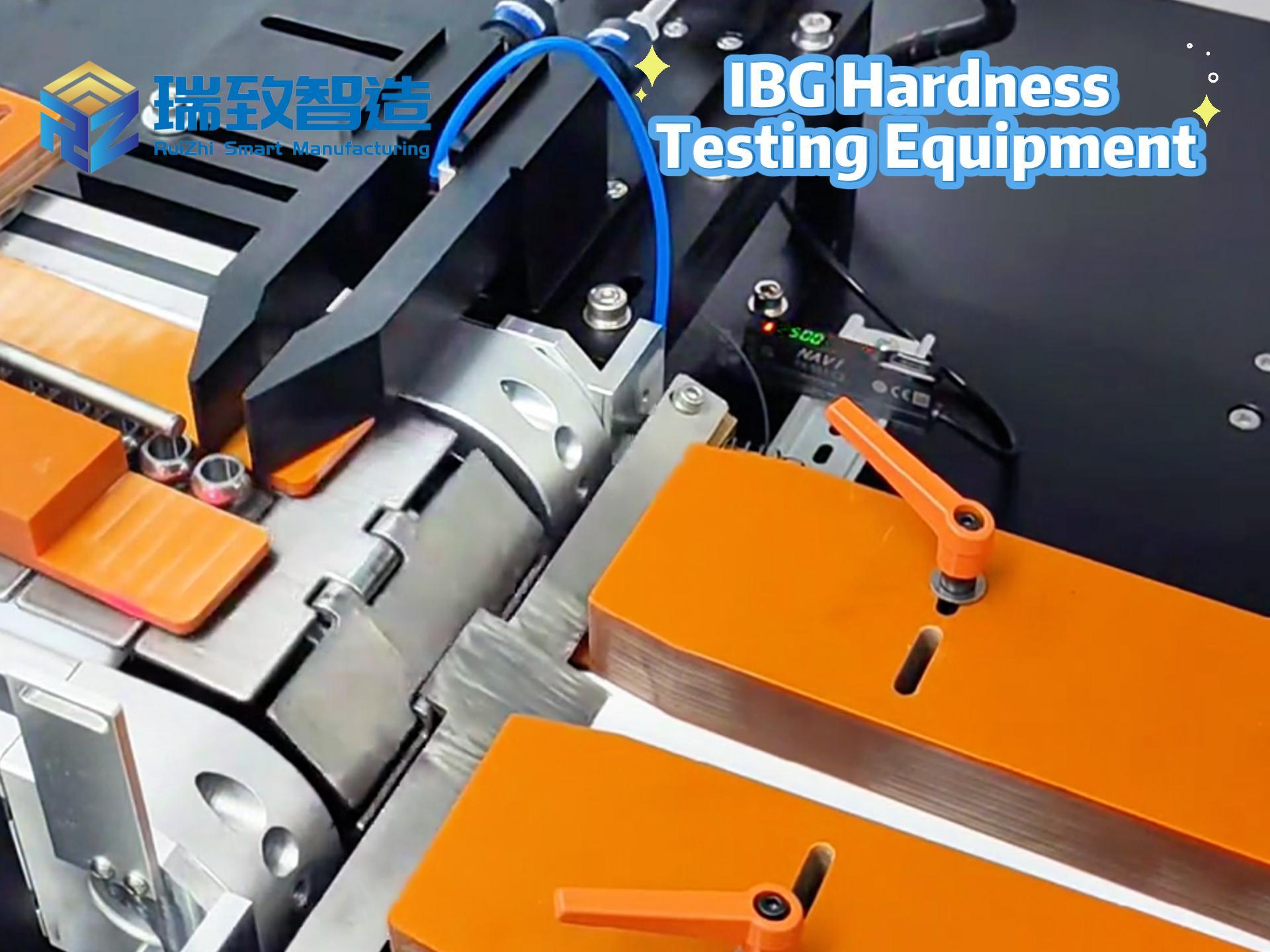
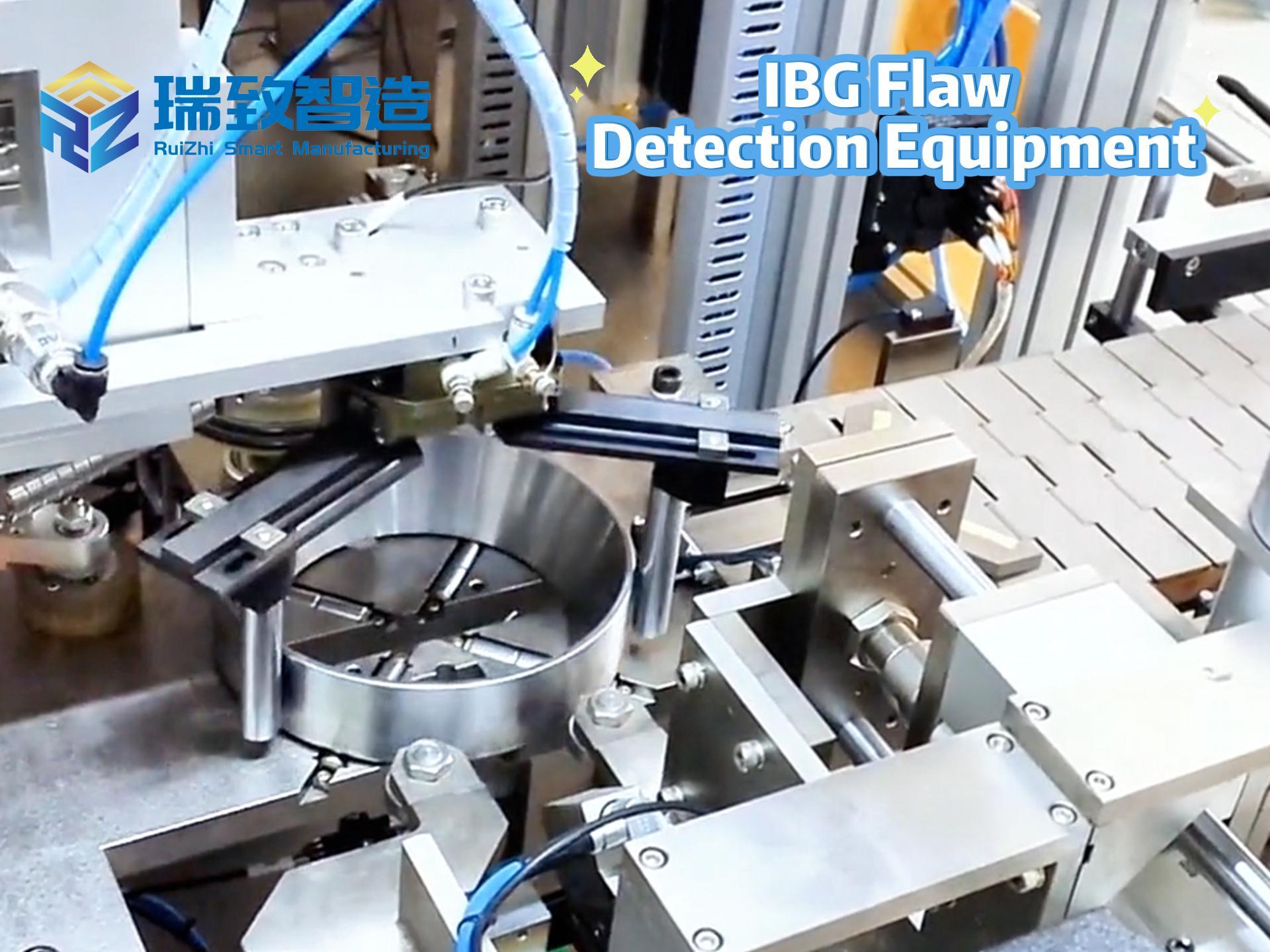
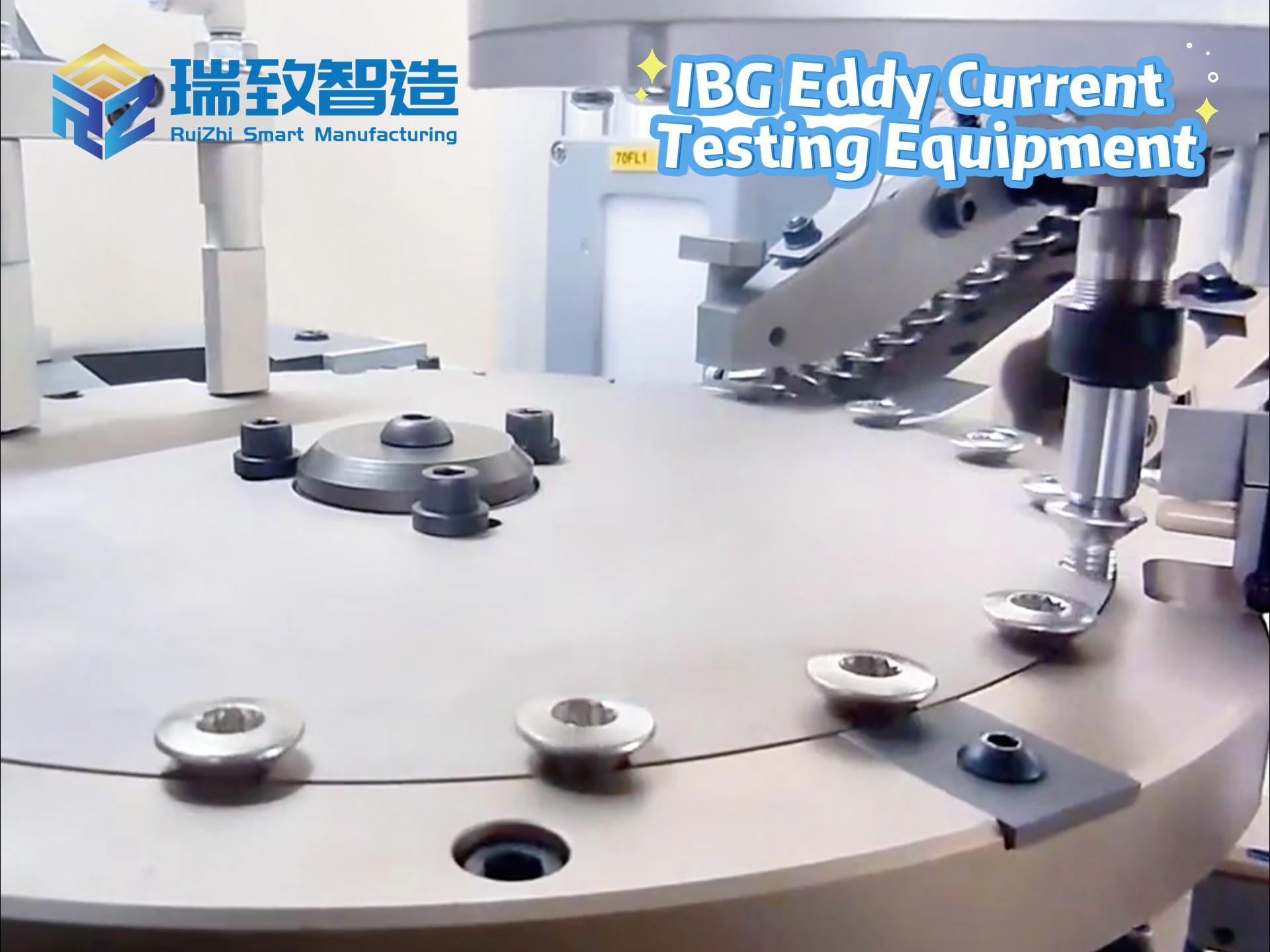
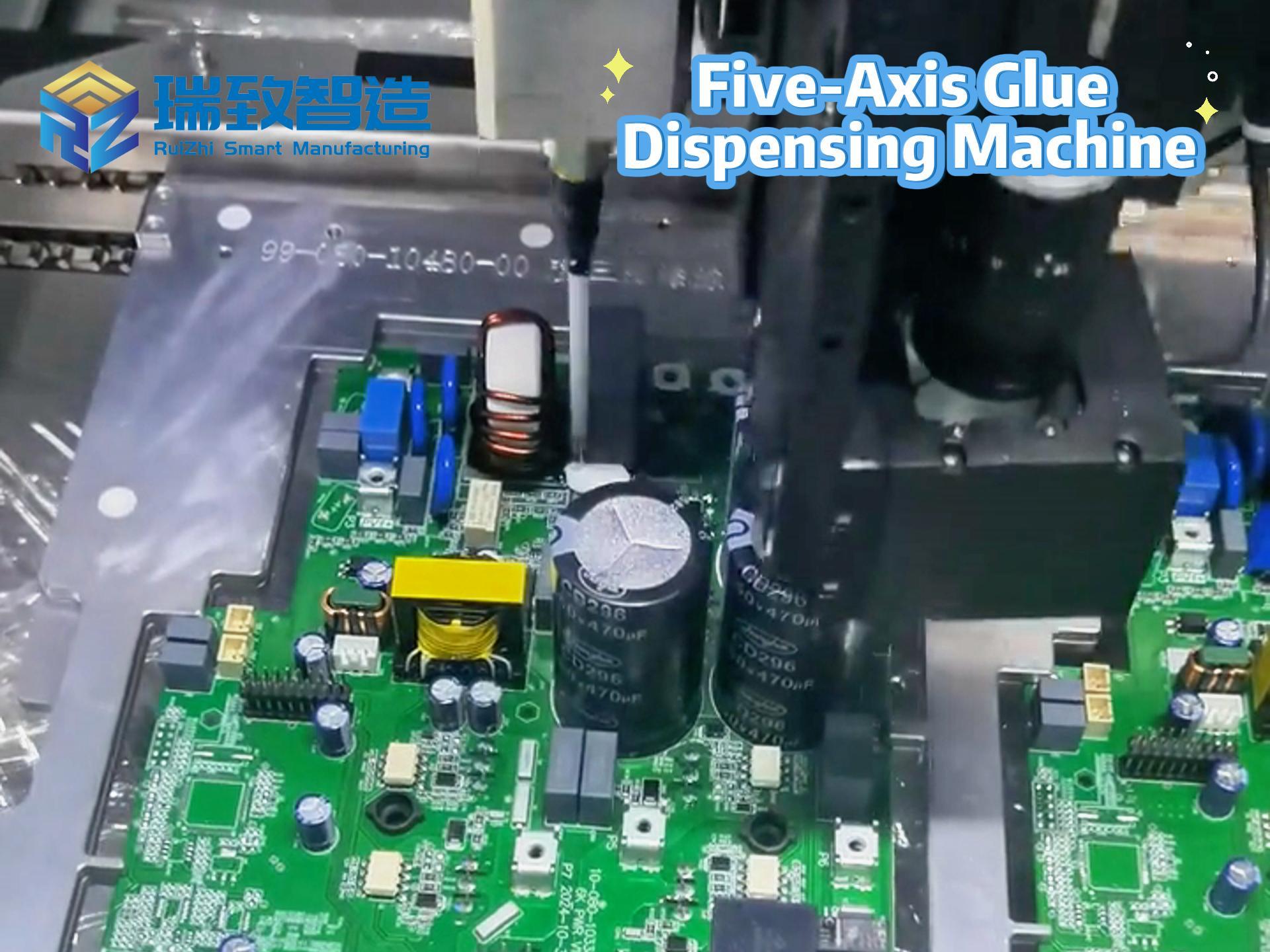
A “Digital Twin Smart Factory” achieves precise insight into factory status, optimizes production processes, accelerates the transformation of factories toward autonomous intelligence, and realizes efficient and intelligent production operations through real-time mapping and AI intelligent interaction. It is mainly reflected in three aspects: first, driven by policies, technologies and business, the state vigorously promotes factory digital twin systems, AI and industrial metaverse technologies are deeply applied in factories, and digital twins are widely used in lighthouse factories to improve quality and efficiency. Second, breakthroughs continue to be made in cutting-edge scenarios. Applications such as generative production line layout and industrial humanoid robot simulation training are accelerating the construction of digital twin smart factories. Notably, in the field of medical equipment manufacturing, digital twin technology has been successfully applied to the R&D and production of high-precision Nebulizer Assembly Machines. By building a full-life-cycle digital twin model of the assembly line, enterprises can realize real-time monitoring of assembly precision, dynamic optimization of production parameters, and predictive maintenance of key components, which reduces the product defect rate by over 30% and shortens the new product launch cycle by 25%, setting a benchmark for the intelligent transformation of medical device manufacturing. Third, the practical results of well-known enterprises are remarkable. Cases such as BMW’s “zero-prototype” construction and Haier’s rapid production switching have gradually demonstrated the great potential of digital twin smart factories in reducing costs and increasing efficiency. Looking ahead, digital twin smart factories will evolve into the underlying “operating system” of factories, supporting the operation of all businesses.
Digital Twin Green and Low-Carbon
With the accelerated process of energy structure optimization, industrial carbon reduction and building greening, digital twins are evolving from auxiliary monitoring tools to a core base supporting the entire process of carbon reduction management, realizing the evolution from “carbon visibility” to “carbon controllability and carbon optimization”. First, at the national level, policies and requirements on digital carbon reduction have been continuously introduced, effectively stimulating the application of digital twin technology. Second, relying on capabilities such as multi-source data fusion, mechanism models and intelligent simulation, digital twins can effectively meet key needs such as carbon analysis and carbon deduction. Third, digital twins are playing an intelligent carbon reduction role in important fields such as energy, industry and zero-carbon buildings, transforming carbon reduction from experience-driven to model-driven and intelligent decision-making. For example, reducing the workload of energy device operation, lowering the energy consumption of smart terminal applications in factories, and building zero-carbon buildings. In the future, digital twin green and low-carbon will be deeply integrated with artificial intelligence, the internet of things and the energy internet, building a cross-industry, full-process and full-chain autonomous green energy-carbon system, accelerating the transition to a new stage of efficient, safe and verifiable “zero-carbon operation”.
Digital Twins Empowered by Intelligent Agents
Digital twins empowered by intelligent agents act as “agents” for various entities in twin scenarios, simulating interaction logic and behavior patterns in complex urban scenarios. On one hand, the state has clearly proposed to increase the popularization rate of intelligent agent applications and build a smart society. Meanwhile, digital twin entities generally lack thinking and feedback capabilities. Driven by multiple demands, twin entities are gradually equipped with the ability to think and evolve independently. On the other hand, intelligent agents empower twin entities, further releasing the capabilities of simulation deduction and intelligent decision-making. Finally, 2025 is regarded by the industry as the “first year of intelligent agents”. Domestic and foreign enterprises such as NVIDIA, AsiaInfo and UINO have launched mature applications of intelligent agents empowering twin entities, promoting digital twins from single-point intelligence to cross-domain collaboration. In the future, digital twin entities will evolve toward autonomous operation and virtual-real symbiosis, realizing synchronous and parallel operation of the physical world and the digital world.
Spatiotemporal Intelligence
Spatiotemporal intelligence, with a unified high-precision spatiotemporal benchmark as the core, integrates multi-source data and AI algorithms, achieving significant progress in time precision, spatial granularity, fusion breadth and intelligence depth, and realizing the upgrade from “description and interpretation” to “prediction and decision-making” in the physical world. First, the evolution of technologies such as Beidou, spatiotemporal large models, and space-air-ground-sea perception has fully empowered traditional spatiotemporal technologies. Second, this year, Academician Li Deren systematically expounded the theory of “spatiotemporal intelligence”, marking the gradual maturity of the spatiotemporal intelligence industry. Centering on spatiotemporal intelligence large models, there is a high degree of collaborative linkage among industry, academia, research and application. Third, capabilities such as microsecond-level, millimeter-level, dynamic prediction and environmental perception have released new application vitality in fields such as transportation, low-altitude operations, commerce and ecology, reshaping traditional application scenarios. Looking ahead, spatiotemporal intelligence will continue to upgrade in cloud-edge collaboration and intelligent prediction, promoting more accurate and precise integration of the virtual and real worlds.
High-Performance Simulation and Rendering
“High-Performance Simulation and Rendering” is a core capability to realize virtual-real interaction and precise mapping, serving as a “visual bridge” connecting the physical world and digital space. It can accurately simulate the operation laws and future states of the real world in the virtual space. In the past two years, this technology has received extensive attention. First, the rapid development of new technologies such as 3D Gaussian Splatting and deep learning sampling has driven the development of high-performance simulation and rendering, improving rendering efficiency by dozens of times and greatly enhancing simulation confidence. Second, the industry has actively responded and accelerated transformation. Leading manufacturers in fields such as industrial simulation, autonomous driving and robotics have integrated high-performance simulation and rendering technology products. Third, high-value demands such as usability and complex condition scenarios continue to drive the development of high-performance simulation and rendering. In the future, high-performance simulation and rendering technology will push digital twins beyond the “visualization” level toward “virtual-real symbiosis”.
Multimodal Data Fusion
Multimodal data fusion refers to integrating multi-source heterogeneous data such as text, images, audio, video and sensors to form a full-reality digital space in a twin space with unified semantics. Multimodal data fusion comprehensively promotes the formation of a full-reality world with richer semantics. On one hand, high-complexity scenarios put forward high requirements for multimodal data fusion, requiring full-dimensional, quasi-real-time and interactive data models. On the other hand, the development of multimodal data fusion benefits from breakthroughs in core technologies. Many breakthroughs have been made in core technologies such as cross-modal data alignment, dynamic feature extraction and real-time fusion decision-making. Finally, major enterprises in the industry are embracing AI large models to innovatively launch multimodal data fusion products, striving to improve data fusion efficiency. For example, enterprises such as NVIDIA and Feidu Technology have launched multimodal data fusion products. In the future, with the development of AI large models and edge real-time computing technology, it will effectively improve the semantic correlation understanding ability of multimodal data and the timeliness of data fusion processing.
Circulation of Digital Twin Entities
A digital twin entity is a virtual copy of a physical entity, as well as a comprehensive carrier and dynamic mapping of the full-life-cycle and full-dimensional data of the entity. The “circulation and utilization of digital twin entities” can realize the interoperability, trusted exchange and value flow of digital twin entities between different systems and different subjects, activating the value potential of data elements. It is mainly manifested in three aspects: first, the state has intensively deployed policies and standards related to data circulation, accelerating the process of data productization, capitalization and servitization; second, twin entity assets such as SimReady, world models and real-world assets have been successively launched, and twin entities, as data assets, effectively support the circulation of data elements; third, various regions and industries have explored the path of monetizing digital twin entity data assets initially through asset listing. In the future, digital twin entity assets will become an important support for the circulation and valorization of data elements.
Generative Model Data Supply
Generative model data supply uses deep learning technologies such as NeRF to generate visualized model data with real characteristics, significantly lowering the threshold of professional data production, greatly enriching the data supply for digital twin scenarios, and initially forming a new scenario design and production model centered on content creation. It is mainly reflected in three aspects: first, generative technologies have activated the productivity of 3D models, and technologies such as NeRF and world models have become hot topics in recent years. Second, generative model data has huge value space for the high precision and high credibility of digital twins, as well as the high freedom and high entertainment of digital natives. Third, generative modeling will form a market space of tens of billions of yuan, favored by various industries, especially the game industry. Looking ahead, generative models will accelerate integration with manually collected data to increase value density, and at the same time, form a new digital twin application market with the participation of all people in innovation.
Looking forward to 2026, the development of digital twins is no longer limited to the upgrading of single-point applications, but shows a systematic leap toward “full space, full elements and full life cycle”. From low-altitude economy to “integration of sky, space, ground and sea”, from resilient cities to urban systems with “active immunity”, from smart factories to the “operating system” of industrial operation, and to green and low-carbon entering the “verifiable autonomous stage”, digital twins are becoming an important form of new-type infrastructure. Meanwhile, the maturity of spatiotemporal intelligence, high-performance simulation and multimodal fusion is driving the continuous blurring of the boundaries between virtual and real worlds; the cross-domain circulation and capitalization of twin entities, as well as the data supply revolution of generative models, are reshaping the production methods and value structure of data elements. Driven by the synergy of application scenarios, data resources and technical capabilities, digital twins in 2026 will present a more intelligent, inclusive and large-scale value development trend, and continue to be an important carrier of new-quality productive forces.