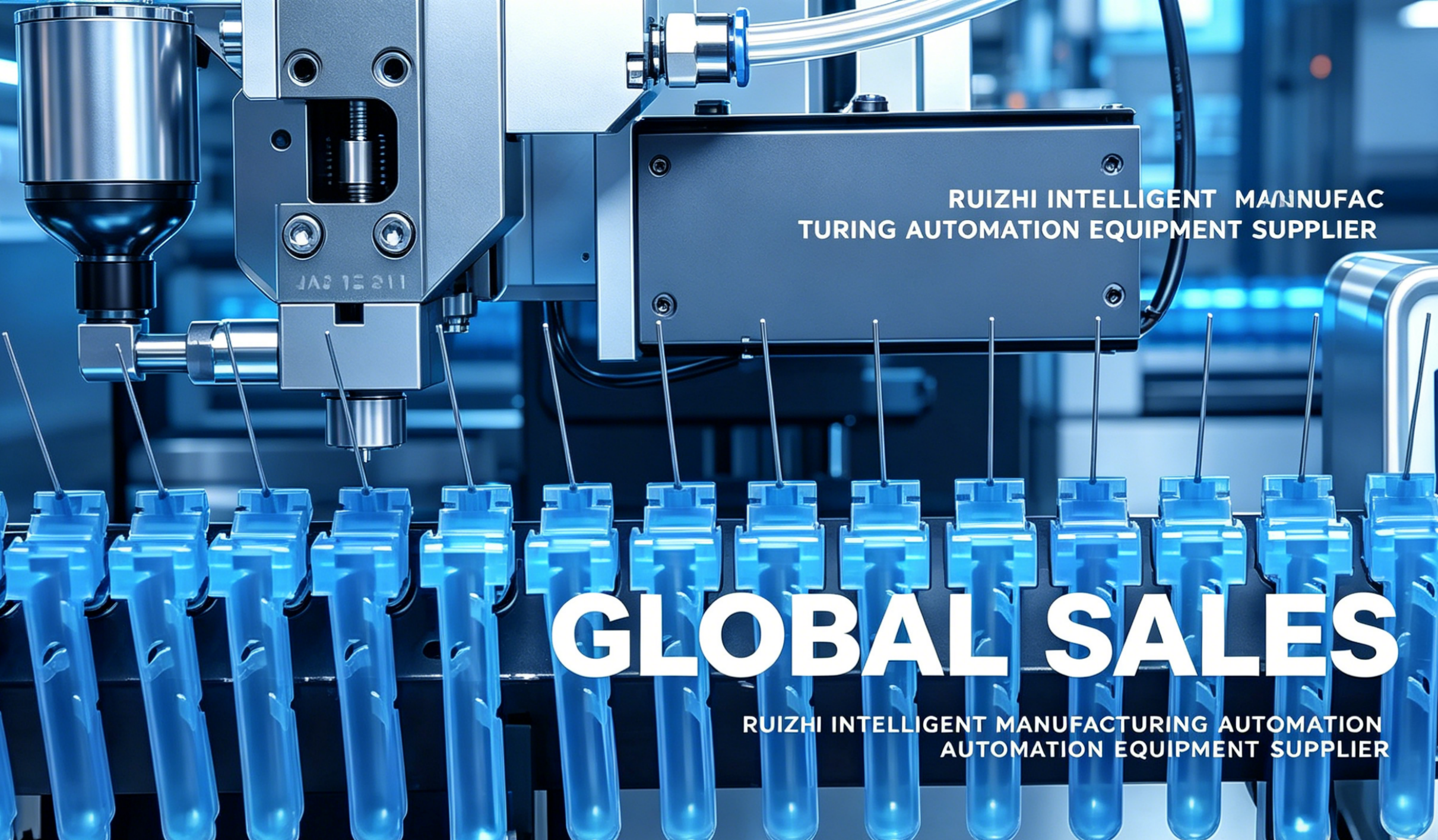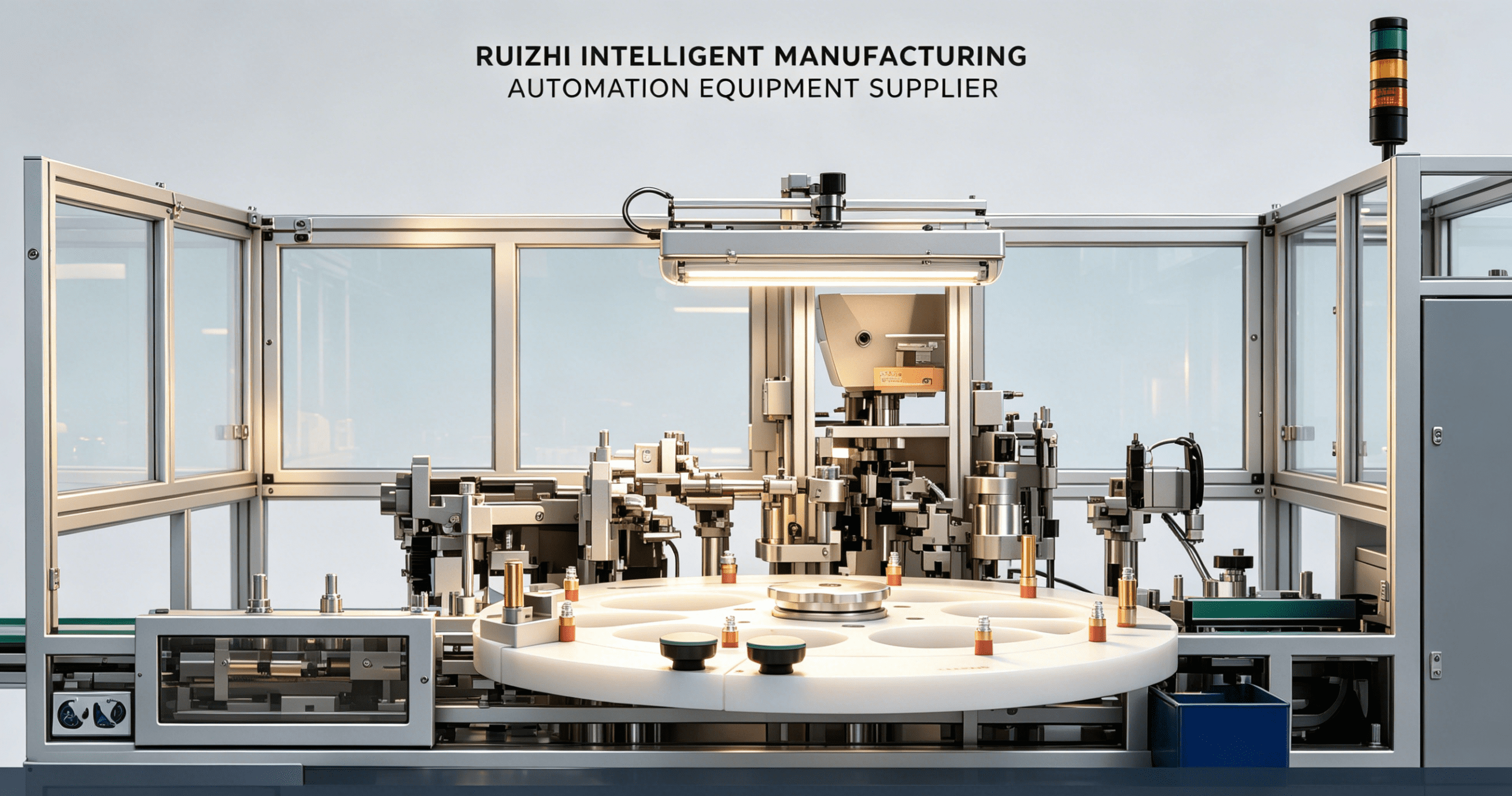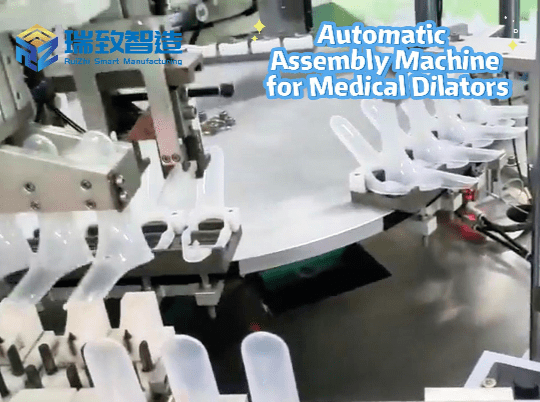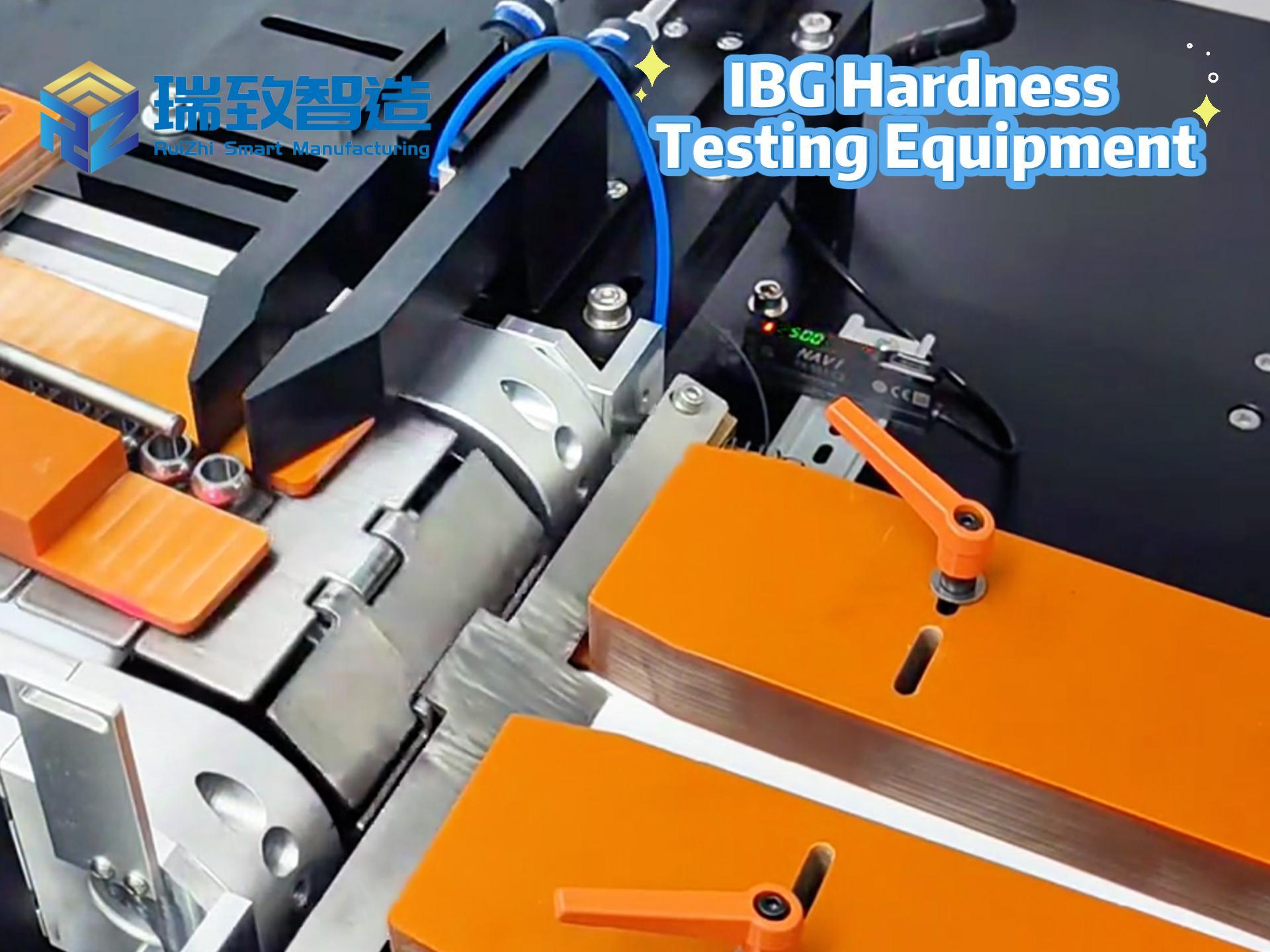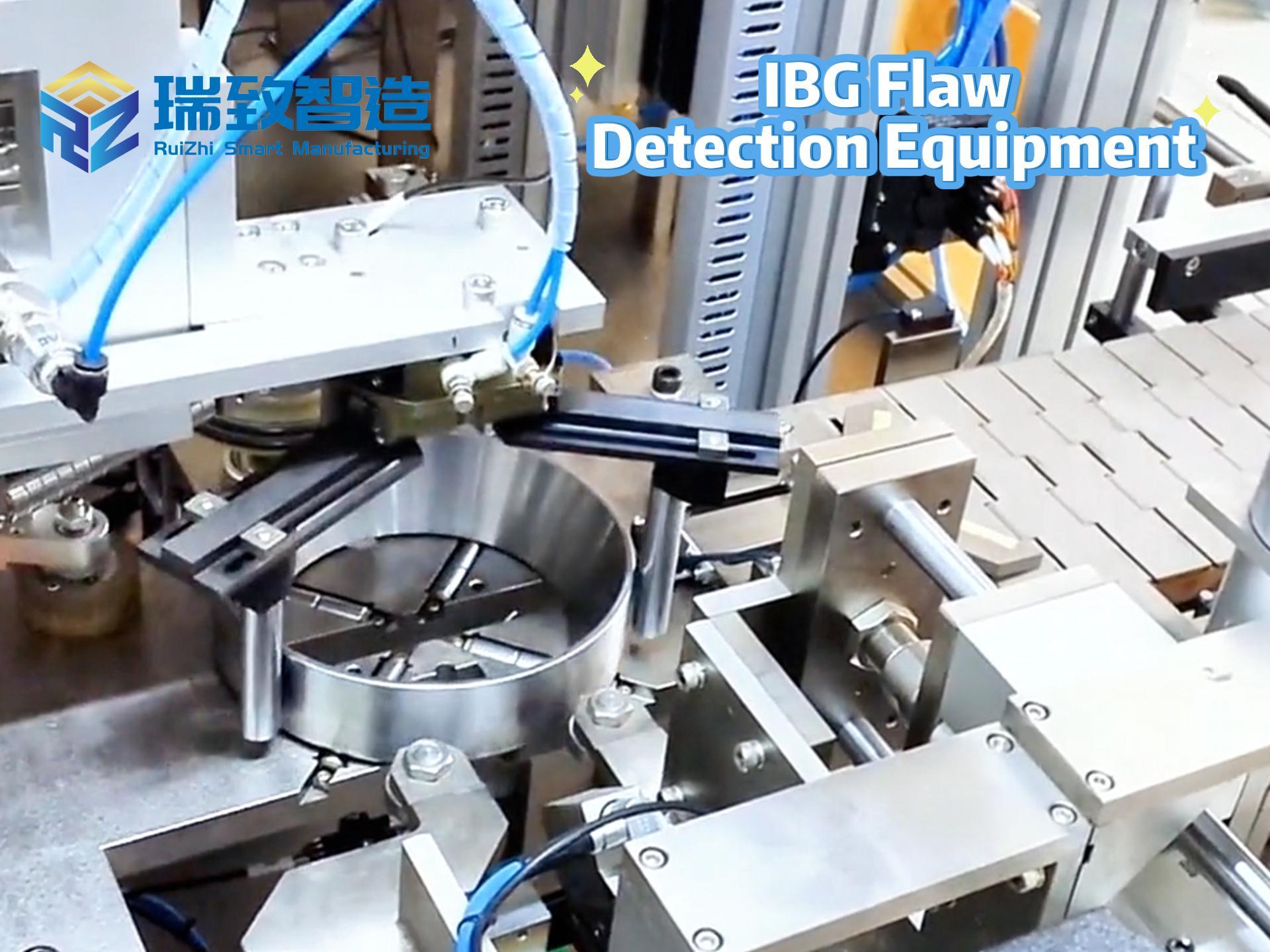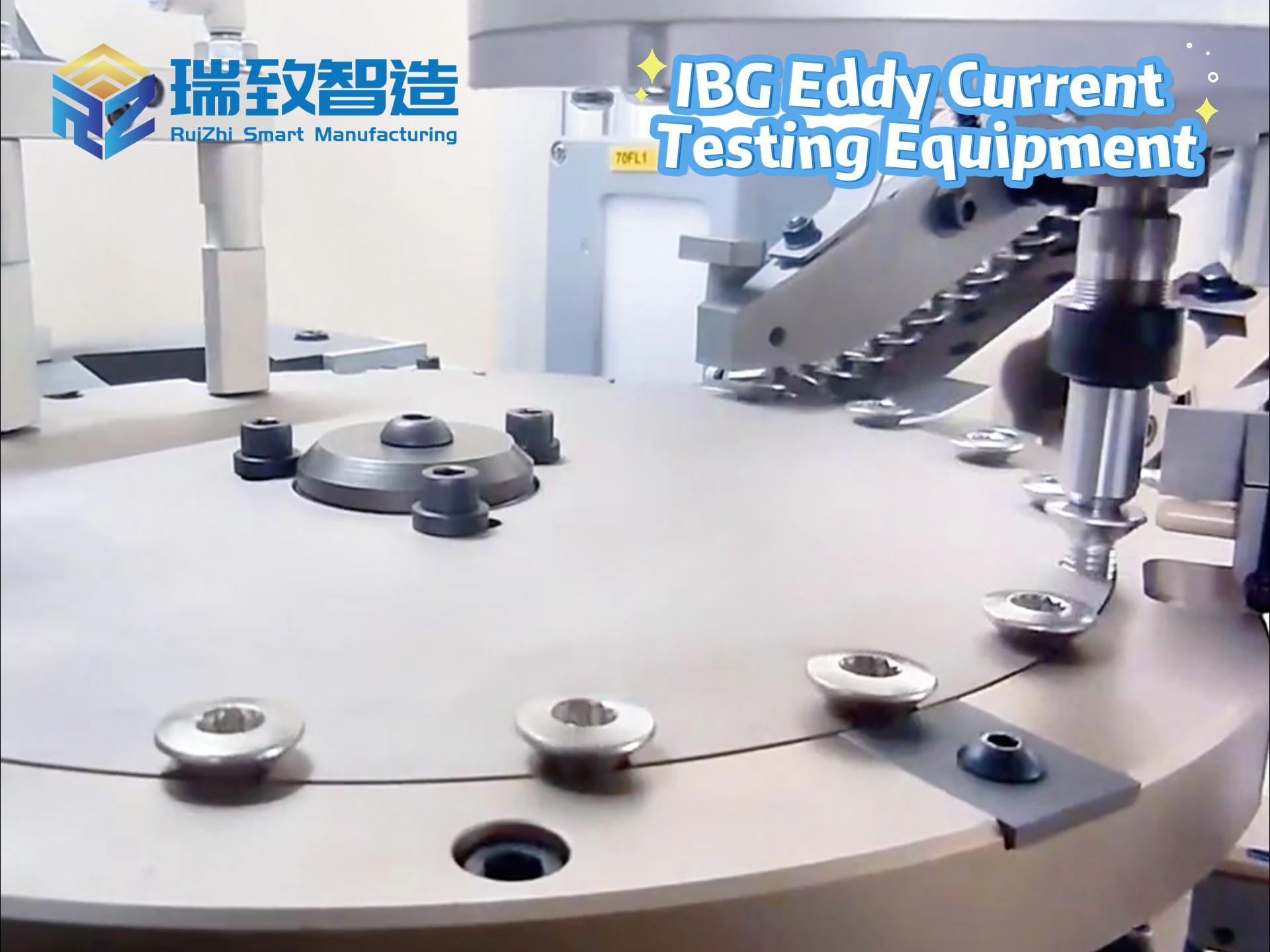
One machine. 3,000 units/hour. Zero compromises on patient safety.
The $2.76 Billion Market Hiding a Manufacturing Crisis
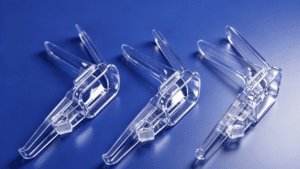
The global dilators market is expanding at an 8.70% CAGR, from $1.42 billion in 2025 to a projected $2.76 billion by 2033 [11†L15-L17]. Driven by rising demand for minimally invasive procedures across urology, gastroenterology, gynecology, and vascular interventions, dilators have become essential tools in modern medicine.
But behind this growth lies a quiet crisis that regulators are beginning to expose.
A poorly assembled dilator is not merely a manufacturing defect—it is a patient safety event. Leaks, misaligned connections, surface imperfections, or improper component seating can lead to device failure during a procedure, with serious clinical consequences. And the manual assembly methods that still dominate the industry—eight to ten operators per shift, struggling to maintain consistency—are no longer acceptable.
The world changed on February 2, 2026. That is the day the FDA’s new Quality Management System Regulation (QMSR) took full effect, aligning 21 CFR Part 820 with ISO 13485:2016 for the first time [12†L4-L10]. Inspections are no longer just about documenting procedures—they require affirmative evidence of a robust, self-correcting quality culture [13†L48-L50].
And in the European Union, May 28, 2026, marks the mandatory use of four core EUDAMED modules, demanding end‑to‑end product traceability and audit‑ready documentation for every device placed on the EU market [14†L4-L14].
Manual assembly lines with inconsistent quality and incomplete traceability are no longer just inefficient. They are a regulatory liability.
Enter RuiZhi’s Automatic Assembly Machine for Medical Dilators.
From Manual Risk to Automated Certainty
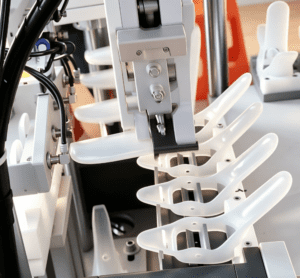
RuiZhi’s fully automated system takes raw components—sleeves, cores, gaskets, and connectors—and delivers finished, inspected, audit‑ready dilators at the other end. The entire workflow is integrated: automatic feeding → precision positioning → servo‑driven assembly → online defect detection → finished product output.
Built on high‑precision servo control and advanced visual positioning technology, the machine delivers positioning accuracy down to ±0.01 mm—a tolerance level that manual operators simply cannot sustain across shifts and fatigue cycles.
| Metric | Manual Line | RuiZhi Automated Line |
|---|---|---|
| Operators | 8–10 | 1–2 |
| Output per hour | ~500 units | 2,000–3,000+ units |
| Positioning accuracy | ±0.1–0.3 mm | ±0.01 mm |
| First‑pass yield | 95–97% | 99.8%+ |
| Defect rate | 3–5% | <1.5% |
| Model changeover | Hours | <5 minutes |
±0.01 mm positioning accuracy is not a specification—it is the difference between a dilator that performs flawlessly in a delicate procedure and one that fails at the worst possible moment.
QMSR-Ready. MES-Integrated. Audit-Proof.

Regulators are no longer satisfied with static checklists. The FDA’s new Compliance Program (CP 7382.850) expects manufacturers to demonstrate not just that their products are safe, but that their production processes are reproducible, traceable, and auditable [19†L27-L32]. Inspectors are looking for evidence of a quality culture embedded in every operational decision.
RuiZhi’s assembly machine is engineered with these requirements at its foundation:
-
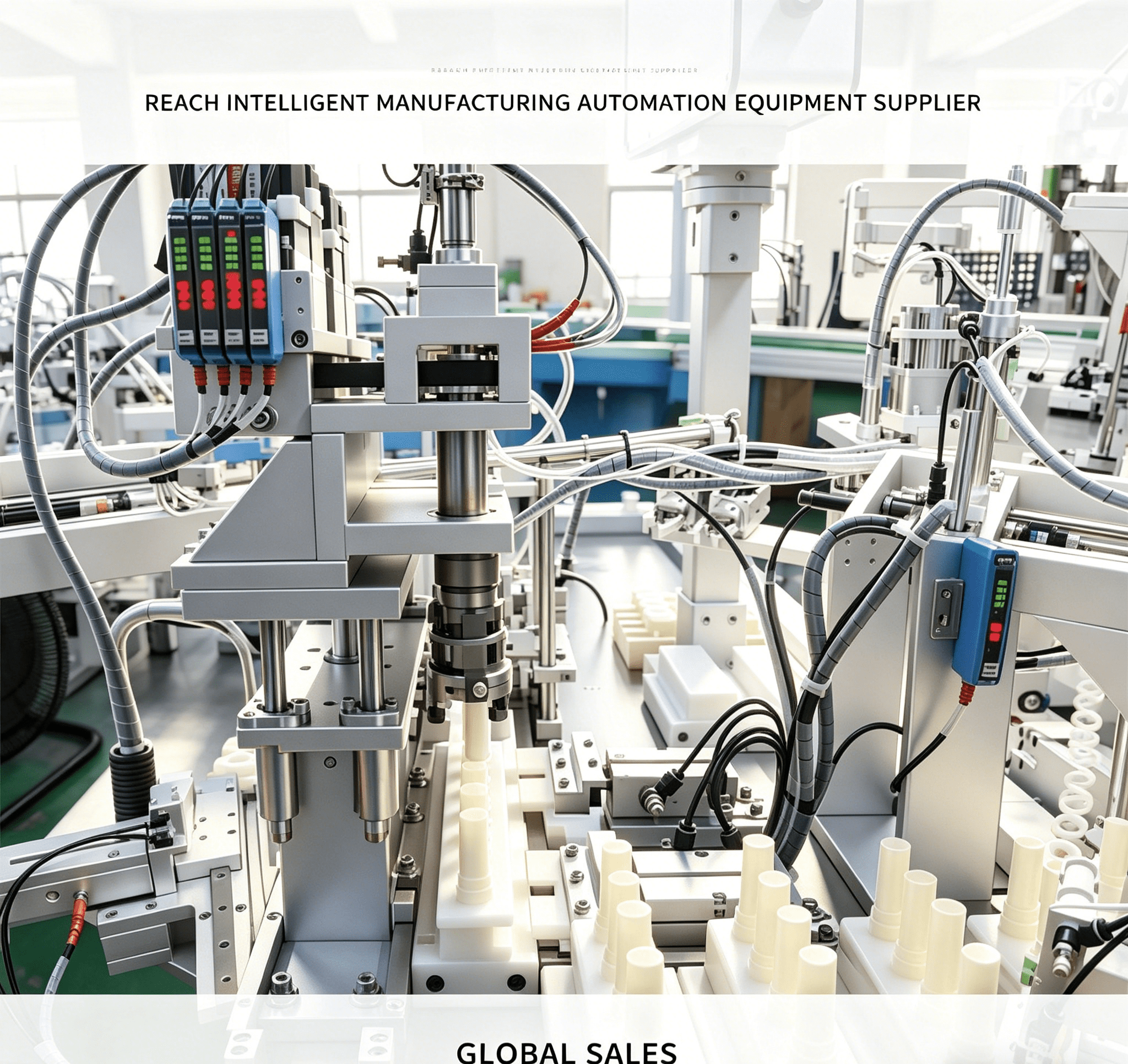
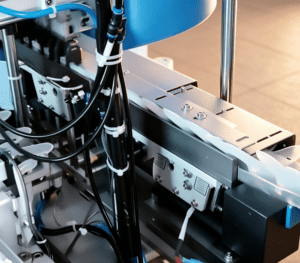
Inline quality control at every station – Visual inspection systems detect surface defects and dimensional deviations in real time. Force monitoring ensures proper component seating. Automated rejection mechanisms remove non‑conforming units before they reach packaging.
-
تكامل MES – Full batch‑level traceability connects your production data to your quality management system. Every unit is recorded, traceable, and audit‑ready.
-
ISO 13485 and GMP compliance – The machine is built with cleanroom‑ready design and materials that meet stringent hygiene standards.
For manufacturers subject to FDA, EU MDR, and global regulatory frameworks, this is not optional. This is the baseline for staying in business in 2026 and beyond.
Built for AI-Powered Quality Assurance
Artificial intelligence is no longer a future concept in medical device manufacturing—it is a present reality. At MD&M West 2026, AI and vision-based automation took center stage, with AI systems detecting minute defects that standard rule-based vision might miss and advancing far beyond inspection to boost manufacturing speed and precision [16†L53-L56][17†L25-L30].
RuiZhi’s machine integrates AI-powered visual inspection as an optional upgrade—multi‑station inspection modules monitor insertion depth, surface integrity, seal quality, and component alignment in real time. Any deviation triggers automatic rejection, ensuring that only flawless dilators move forward.
AI also enables predictive maintenance through IoT sensors embedded in the machine, alerting operators before a component fails and minimizing unplanned downtime [19†L50-L53]. In a 24/7 production environment, this capability directly translates to higher OEE and lower total cost of ownership.
The Workforce Reality: Automate Before Your Competitors Do
The labor challenge facing medical device manufacturing is not cyclical—it is structural. Over 60% of manufacturers are increasing planned investment in automation and robotics. Yet while 98% of manufacturers are exploring AI-driven automation, only 20% say they feel fully prepared to use it at scale.
The gap between early adopters and laggards is widening. And in medical device manufacturing, falling behind on automation means falling behind on compliance, quality, and the ability to win contracts.
RuiZhi’s machine replaces 8–10 manual operators per shift. Labor costs drop by 50–70%. Production scales without hiring, training, or managing more people. The machine’s rapid mold change capability—under five minutes—allows manufacturers to run multiple SKUs on a single line without costly downtime. Whether you produce high‑volume standard dilators or low‑volume specialty devices, the same line adapts [19†L43-L49].
Real ROI, Real Fast
The business case for automation has never been clearer:
-
Labor reduction: 50–70% fewer operators on the line
-
Compliance costs: Reduce by 35%—fewer recalls, better documentation
-
Output: 3,000+ units per hour vs. ~500 units manual
-
Waste reduction: Significant drop in material scrap
-
Payback: Typically 8–12 months for medium‑volume medical device factories [18†L30-L33]
For contract manufacturers serving the $131 billion medical device outsourcing market—growing at 14.6% CAGR—automation is not a cost. It is the only way to stay competitive [20†L5-L7].
Built for the Industry 4.0 Factory
The medical device factory of 2026 is intelligent, connected, and data‑driven. RuiZhi’s assembly machine is Industry 4.0 ready from the ground up:
-
IoT sensors enable predictive maintenance and real‑time performance monitoring
-
تكامل MES provides full production traceability and regulatory reporting
-
Real‑time analytics help you optimize throughput and quality continuously [19†L50-L53]
The machine supports 24‑hour uninterrupted production, with cleanroom‑ready design and compliance with ISO 13485, GMP, and 21 CFR Part 11 [18†L21-L28]. When your competitors’ manual lines are changing shifts, your RuiZhi line is still running.
Trusted by Medical Device Manufacturers — Ready for You
Since 2014, RuiZhi Intelligent Manufacturing has delivered custom, non‑standard automatic assembly solutions to the global medical device industry. Our Automatic Assembly Machine for Medical Dilators combines micron‑level precision (±0.01 mm), flexible modular tooling, AI‑powered vision inspection, and تكامل MES—designed for manufacturers who refuse to compromise between speed and safety.
➡️ Contact RuiZhi Automation today to request a quote or schedule a virtual demo.
#MedicalDilatorAssemblyMachine #MedicalDeviceAutomation #FDAQMSR #Industry40 #EUDAMED2026