Standard System Improvement: New Institutions and Strategic Cooperation Launched
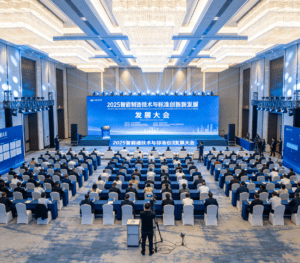
On December 9, the 2025 (Chengdu) Conference on Robotics and Intelligent Manufacturing Technology and Standard Innovation & Development, also known as the 2nd Conference on Intelligent Manufacturing Technology and Industrial Innovation & Development, kicked off in Chengdu Hi-Tech Zone with the theme of “Standards Lay the Foundation for a New Industrial Era, Intelligence Opens Up New Prospects for Manufacturing”. Industry experts and scholars from across the country gathered in Chengdu to jointly research high-quality standards featuring foresight, scientificity and practicality, and discuss strategies for the high-quality development of China’s intelligent manufacturing and robotics industries.
At the opening ceremony, two sub-committees under the National Technical Committee for Robotics Standardization were officially inaugurated—the Sub-Technical Committee on Robotics Common Structure and Theory and the Sub-Technical Committee on Robotics Testing. In addition, the Working Group on Robotics Computing Power System Standards of the National Technical Committee for Robotics Standardization was established and settled in Chengdu Hi-Tech Zone. This working group will be committed to formulating technical standards for robotics computing power systems, promoting the unification of industrial technology routes, which is conducive to reducing R&D costs and enhancing product compatibility and interoperability.
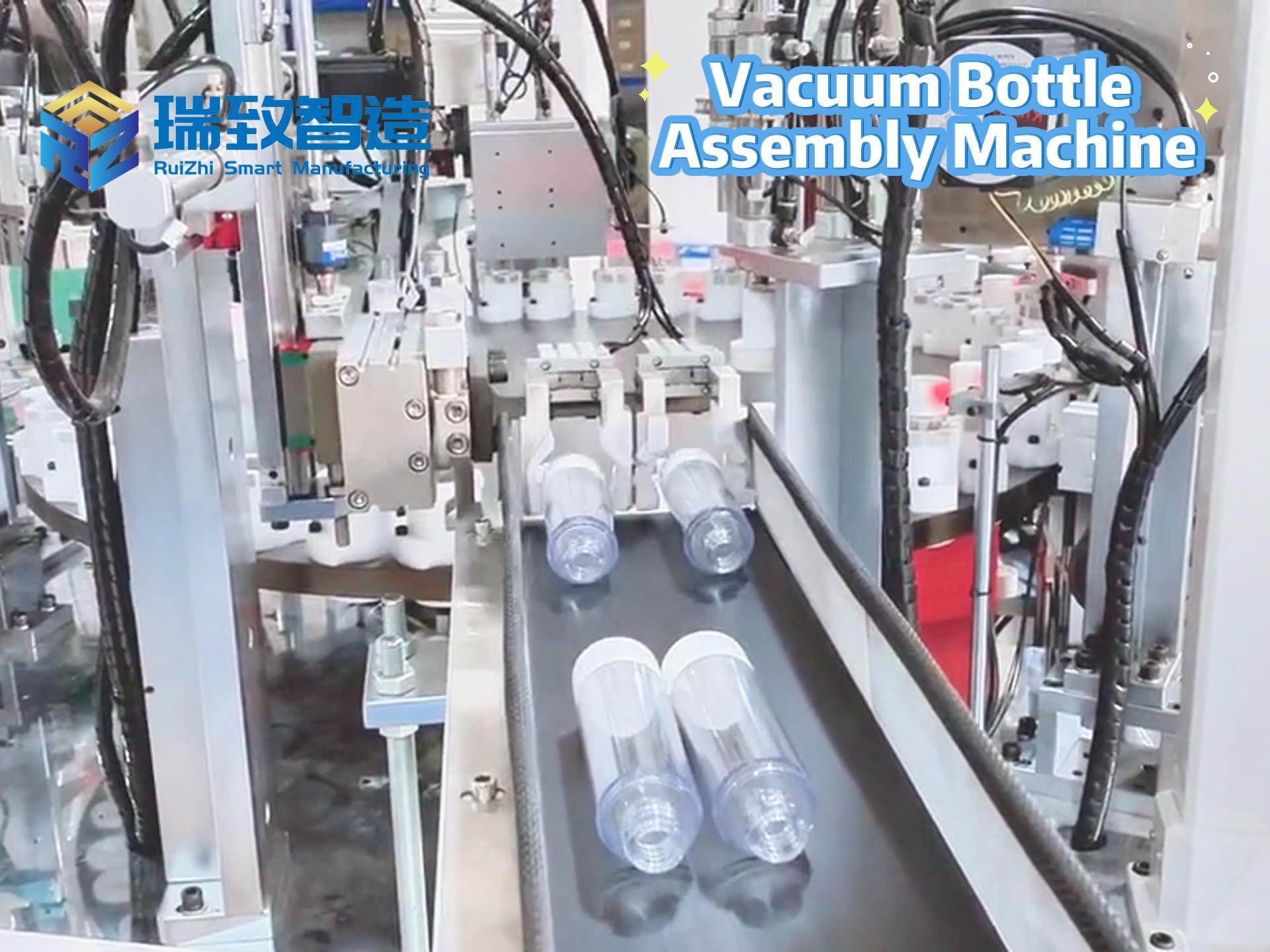
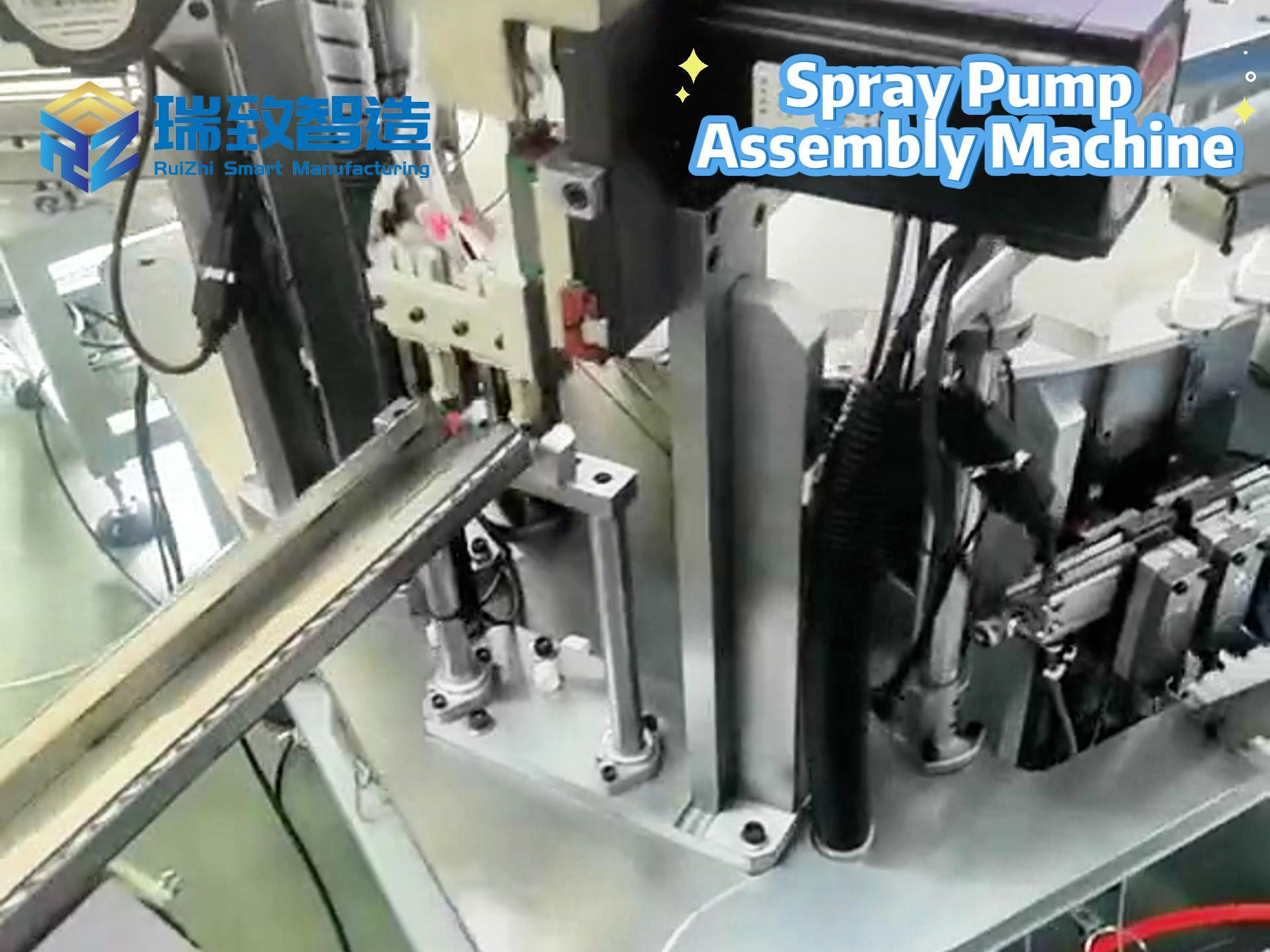
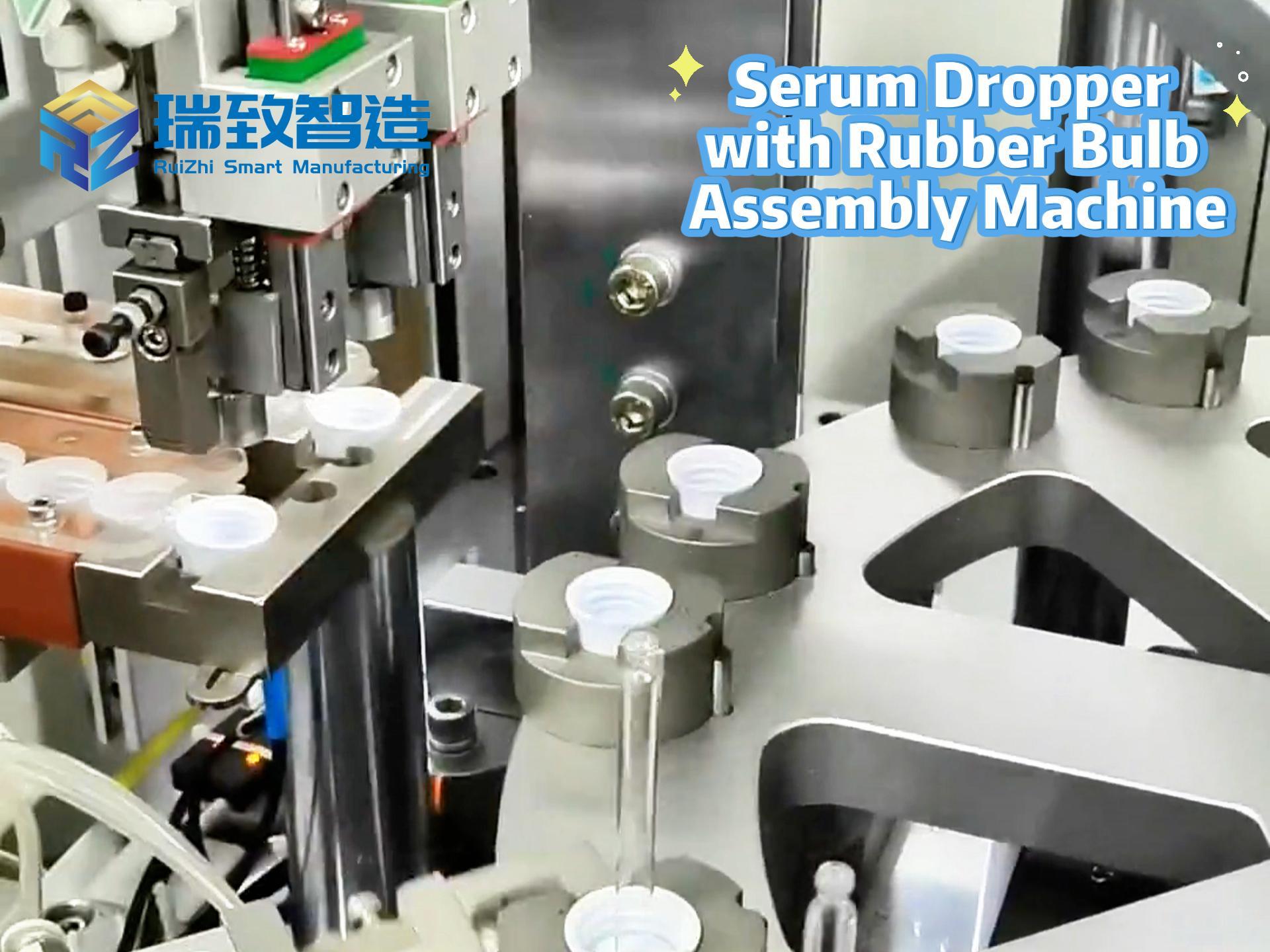
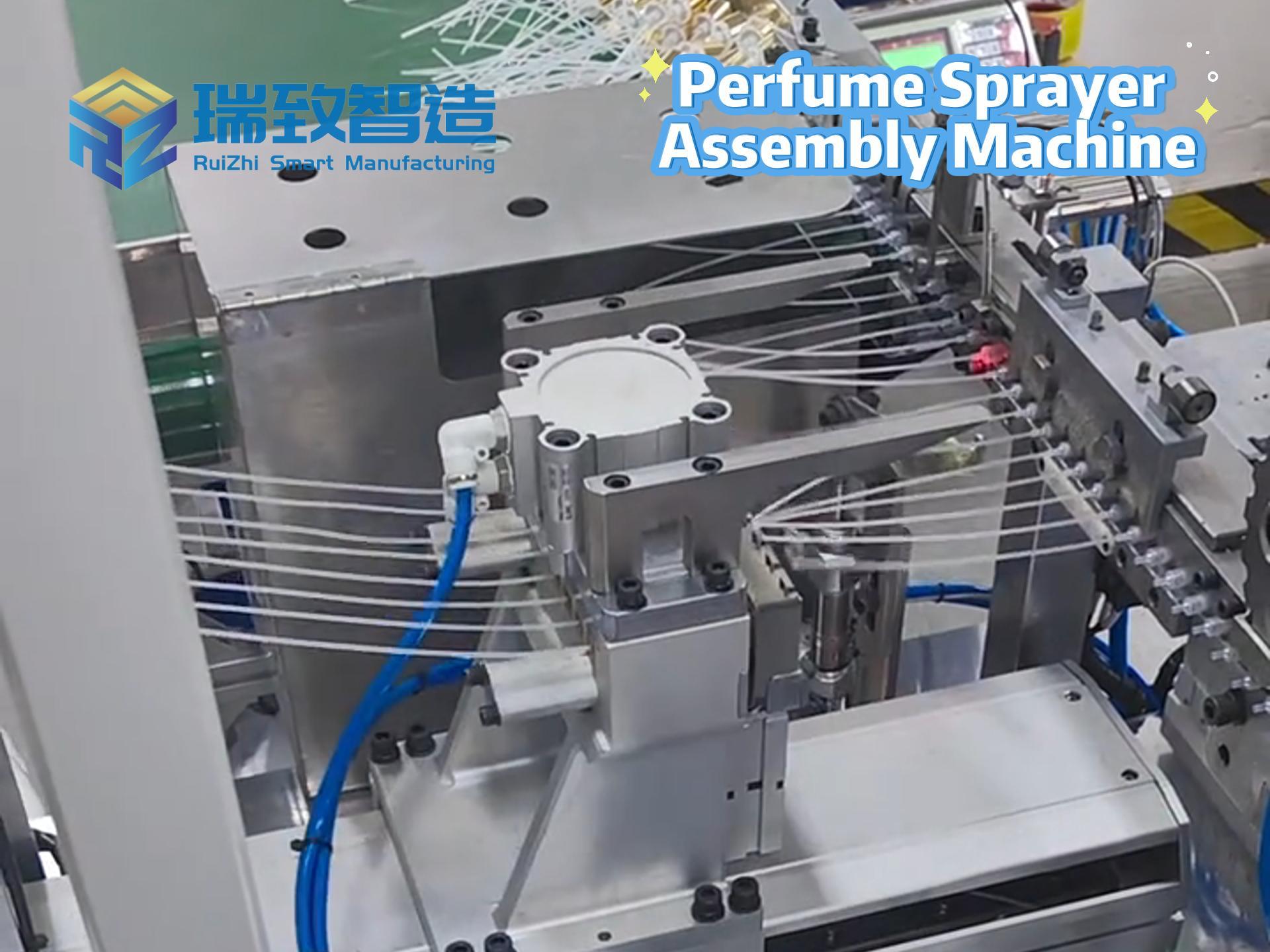
On the event site, the Administrative Committee of Chengdu Hi-Tech Zone and the Chengdu Administration for Market Regulation, together with the International Technical Committee for Bionics Standardization, the National Technical Committee for Robotics Standardization, the National Technical Committee for Automation Systems and Integration Standardization, and the National Technical Committee for Bionics Standardization, signed the Strategic Cooperation Framework Agreement on Standardization for the Innovative Development of Chengdu’s Robotics Industry. According to the agreement, all parties will carry out in-depth cooperation in eight key areas, including standard formulation and revision, standard promotion and implementation, standard resource sharing, standard internationalization, and standard talent exchange. Notably, the formulation of unified technical standards for core automation components such as the Flexible Vibratory Feeder has been included in the cooperation agenda—this equipment, widely used in precision feeding of small parts in robot assembly and intelligent production lines, will benefit from standardized specifications for vibration frequency adaptation, material compatibility, and integration interfaces, which will effectively resolve compatibility issues between feeders and different types of intelligent equipment, reduce enterprise transformation costs, and boost the efficiency of automated production lines.
Representatives from market supervision bureaus and enterprises of 8 regions including Chengdu Hi-Tech Zone, Beijing, Shanghai, Guangzhou, Shenzhen, Suzhou, Hangzhou and Jinan also launched the Initiative on the Standard Ecosystem Construction of Humanoid Robot Training Ground Datasets (Chengdu). They jointly called on the entire industry to comply with the national standards for dataset series, break data barriers, and promote the sharing, circulation and interoperability of high-quality datasets.
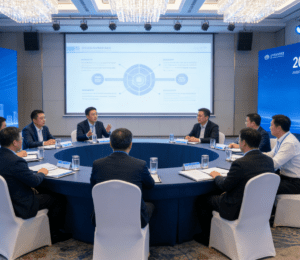
Training Platform Inauguration: Building a Full-Chain Support System for Industrial Application
The opening ceremony of the Sichuan Provincial Large Model Training Ground & Sichuan Provincial Humanoid Robot Training Ground was also held on site. Both training grounds are located in Chengdu Hi-Tech Zone, which will jointly build a full-chain support system covering technological R&D to industrial application.
Keynote Speeches: Insights into Cutting-Edge Technology and Future Development Trends
In the keynote speech session, Ding Han, Academician of the Chinese Academy of Sciences, shared his insights on “Outlook for the Future Technology of Robotics”; Yu Haibin, Academician of the Chinese Academy of Engineering, discussed with the participants the “Paradigm of Embodied Intelligence Leading the Intelligent Development of Equipment”; Zhang Xiaogang, Former Chairman of the International Organization for Standardization (ISO), conducted an in-depth analysis of “International Standardization Development Trends and the High-Quality Development of Intelligent Manufacturing”. In addition, scholars from universities such as Harbin Institute of Technology, Southwest Jiaotong University and Beihang University, as well as technical leaders from leading enterprises including Huawei and TransROBOT, also delivered in-depth speeches focusing on hot topics such as industrial software, bionic materials, industrial intelligent agents and independently innovative computing power.