Stop guessing. Start assembling.
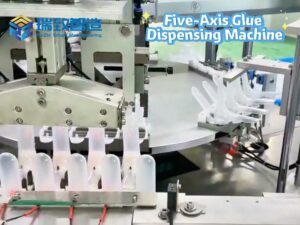
Medical dilators are essential tools across urology, gynecology, gastroenterology, and interventional radiology. And the market is growing fast. The global dilators market was valued at USD 1.42 billion in 2025 and is expected to reach USD 2.76 billion by 2033, at a CAGR of 8.70% [12†L15-L17]. Minimally invasive procedures are fueling demand. But here is the problem many manufacturers face: assembly.
Most dilators are still assembled by hand. Operators insert sleeves, seat gaskets, align cores — repetitive work that demands steady hands and unwavering focus. Human error is inevitable. Contamination risks are constant. And maintaining ±0.01mm precision manually? Impossible.
The real cost of manual assembly
-
Output per worker: ~500 PCS per day
-
Defect rates: 3%–5% or higher
-
Rework: Hours lost every shift
-
Compliance: Spotty traceability at best
For medical device manufacturers subject to FDA 21 CFR Part 11, EU MDR, or GMP, inconsistent manual assembly is not just inefficient — it is a regulatory liability. Regulators want audit-ready data. Manual lines cannot provide it.
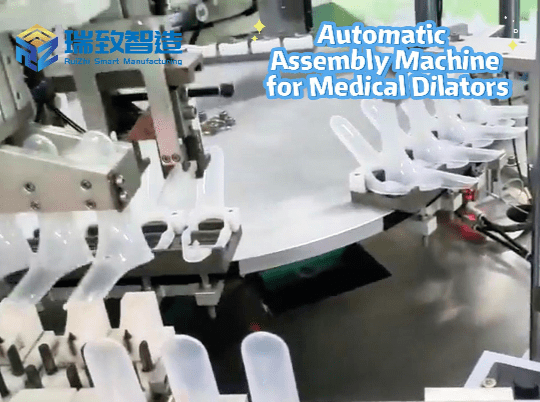
Enter the fully automatic medical dilator assembly machine
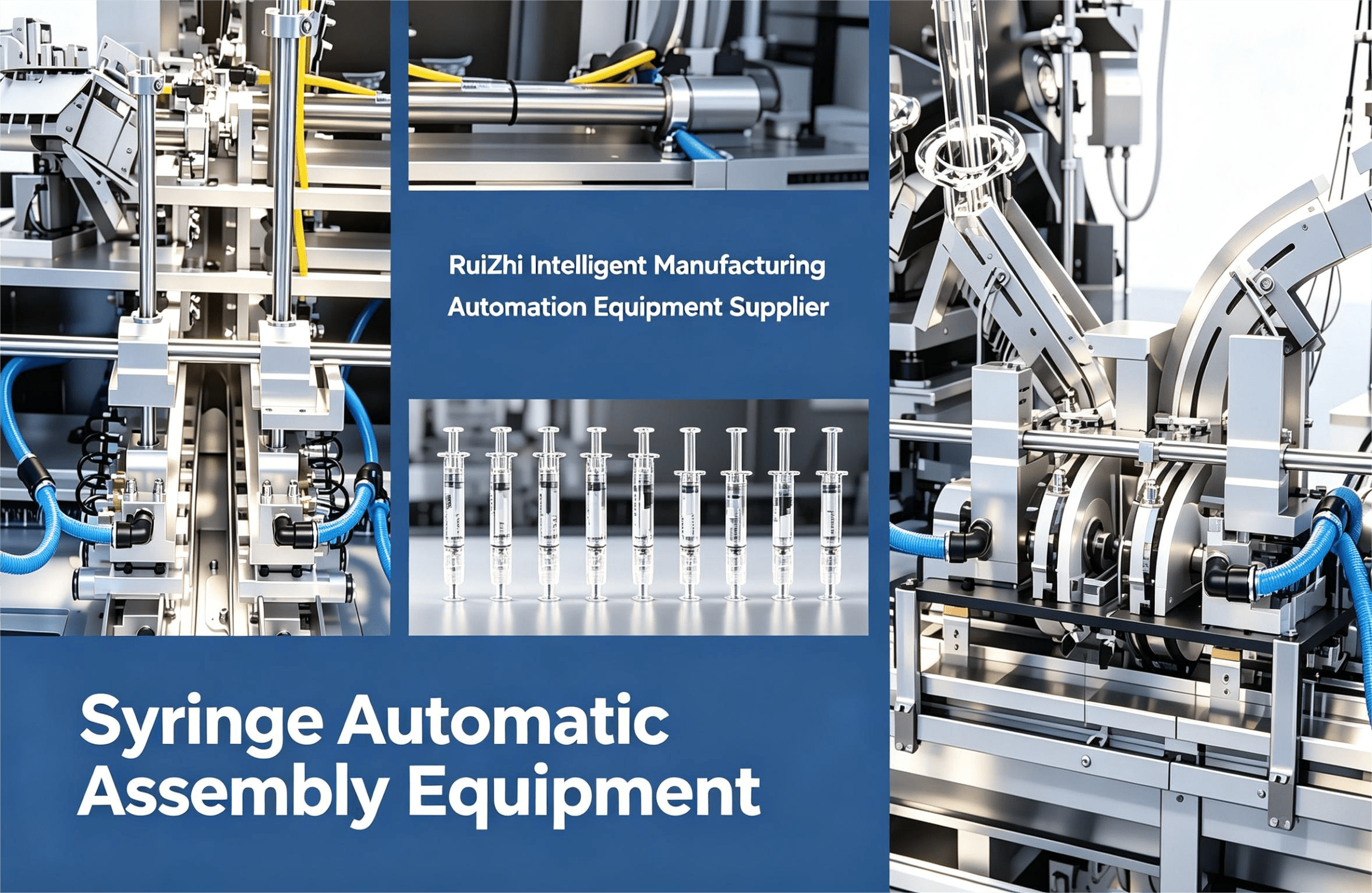
The RuiZhi Automatic Assembly Machine for Medical Dilators automates the entire process from feeding to blanking — sleeves, cores, gaskets, and all [7†L14-L15]. It integrates high-precision servo control with a visual positioning system to achieve ±0.01mm positioning accuracy — the tolerance window medical dilators demand [7†L15-L16].
Here is what that looks like on your production floor:
-
Output: 2,000 – 3,000 PCS per hour [7†L17-L18]
-
Assembly yield: 99.8%+ [7†L18-L19]
-
Pass rate after online detection: >99.8% [7†L19]
-
Labor reduction: 50%–70% fewer operators on the line [7†L29-L30]
-
Compliance cost reduction: Up to 35% [7†L30]
Built for Industry 4.0. Ready for regulators.
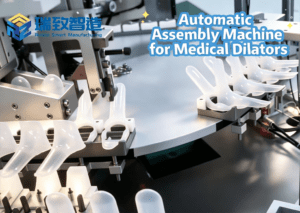
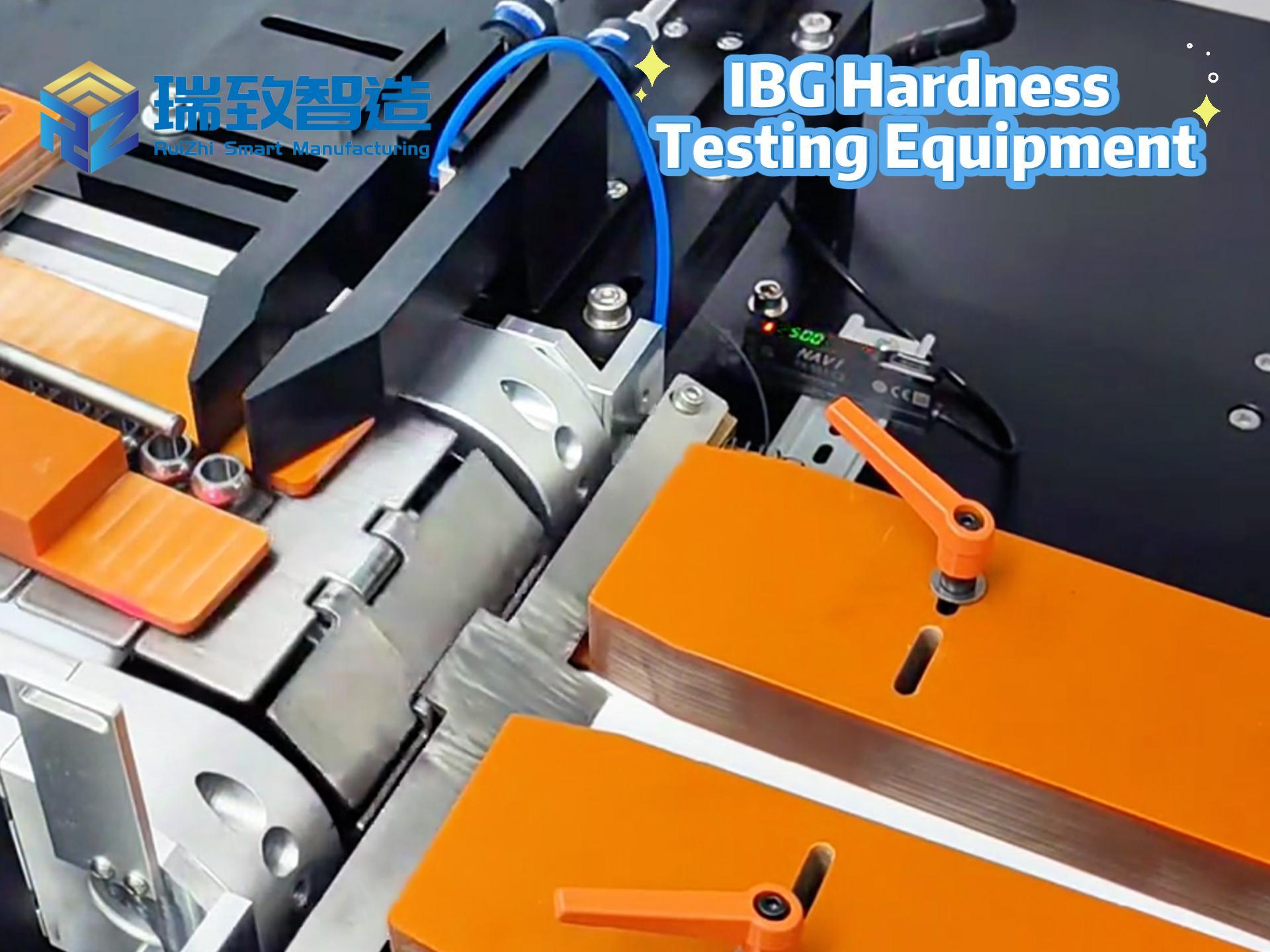
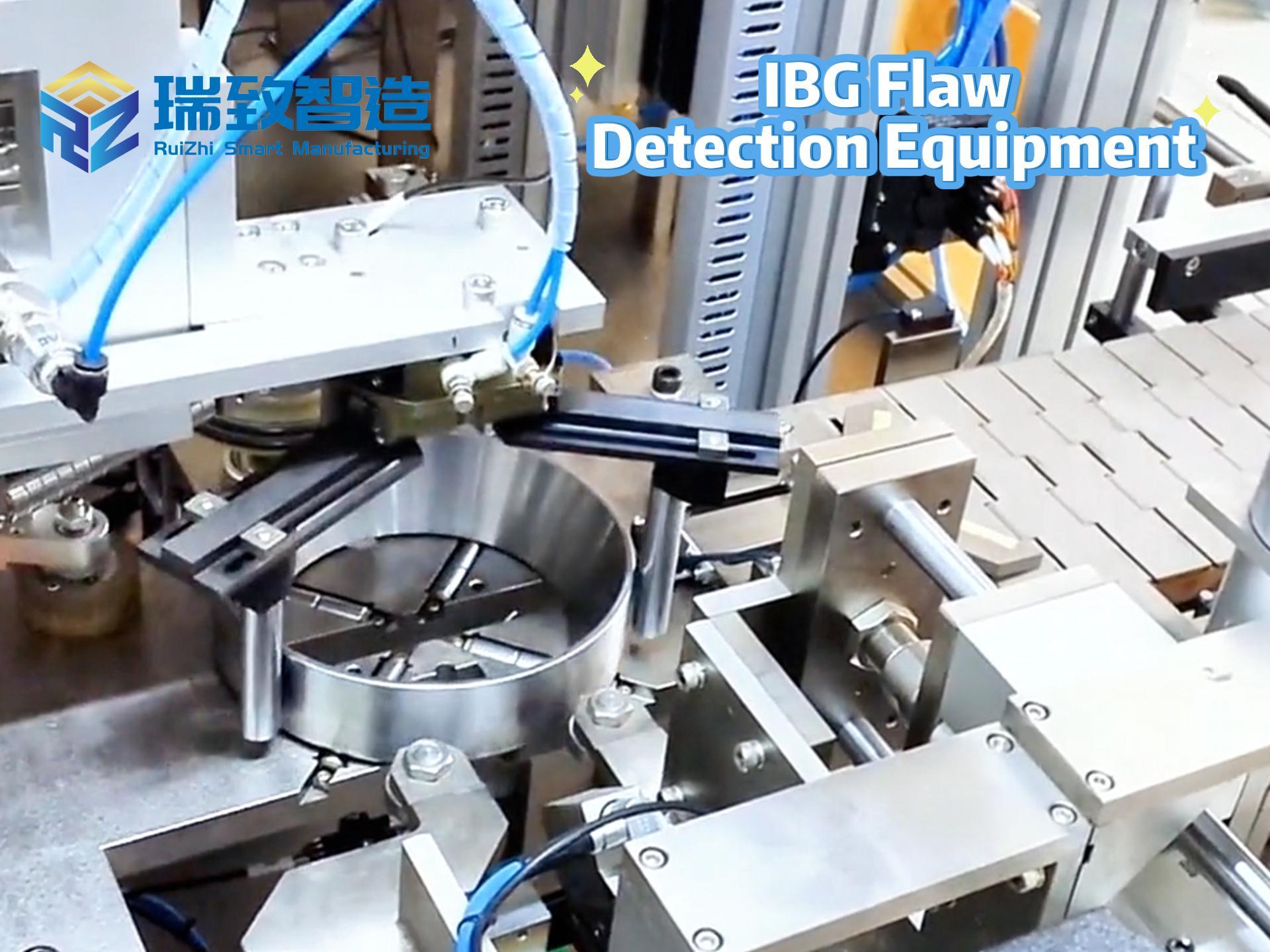
The machine features online defect detection that rejects faulty parts in real time, ensuring only defect-free products move forward [7†L22-L23]. It supports multi-spec rapid mold change — switching between different dilator sizes takes minutes, not hours [7†L23-L24]. And it is MES-integrated, providing full traceability and production control for regulatory compliance [7†L24-L25].
ROI that makes sense
Investing in automation is not an expense. It is a calculation.
Manual line: ~500 PCS/h, 3–5% defect rate, eight to ten operators.
Automated line: 3,000 PCS/h, <0.2% defect rate, two to three operators.
Payback period: 8–12 months for medium-volume medical device factories [7†L31-L32]. After that, you are saving money and reducing risk with every shift.
Why RuiZhi Intelligent Manufacturing
Since 2014, RuiZhi has delivered custom automatic assembly solutions for the global medical device industry. We do not sell off-the-shelf machines. We engineer solutions that match your specific dilator specifications — whether you manufacture cervical, urethral, esophageal, or nasal dilators; mechanical or balloon types; Class I or II devices.
Our machines are built with 316L stainless steel and food-grade materials, meeting GMP standards. We support on-site installation, debugging, training, and mass production follow-up with a one-year warranty and lifetime maintenance service [7†L41-L44].
Ready to move from manual to automated? Contact RuiZhi Intelligent Manufacturing today.
#MedicalDilatorAssembly
#MedicalDeviceAutomation
#Industry40Manufacturing
#FDACompliance
#SmartFactory