We‘ve all been there. You twist open a brand-new lip gloss, bring the wand to your lips, and … the applicator wobbles. The flocking feels uneven. Or worse, the brush head detaches mid-application. The gloss itself might be perfect — the color, the shine, the formula — but the moment the applicator fails, the entire product feels cheap. And in the world of beauty, that single moment can cost you a customer for life.
For cosmetic brands, the applicator is not just a tool. It is the handshake between your product and your consumer. A shaky, misaligned, or poorly assembled lip gloss applicator ruins the user experience instantly. The problem is that traditional manual assembly — where workers insert brush heads into rods by hand, apply glue, and cure them — is inherently inconsistent. One operator might apply too much glue, causing overflow and a sticky mess. Another might insert the brush at a slight angle, leading to that dreaded wobble. And because labor costs keep rising, many manufacturers are forced to choose between speed and quality.
That compromise is no longer acceptable.
The Hidden Cost of Manual Applicator Assembly
Let‘s talk numbers. A manual assembly line for lip gloss applicators typically requires six to eight workers per shift, each performing repetitive tasks at a rate of roughly 250 to 350 pieces per hour. At that pace, a full day‘s output might reach 2,500 to 3,000 units — but the defect rate often sits between 3% and 5%, meaning dozens of unusable applicators end up in the trash every hour. Rejected batches mean rework, delays, and frustrated clients. Meanwhile, labor costs continue to climb, with wages in key manufacturing regions rising by 4% to 6% annually.
But the real hidden cost is brand reputation. A single bad review on social media — “the wand fell apart after two uses” — can go viral in hours. For an independent beauty brand, that kind of damage is hard to recover from. For established names, it erodes trust that took years to build.
How Automation Changes the Game
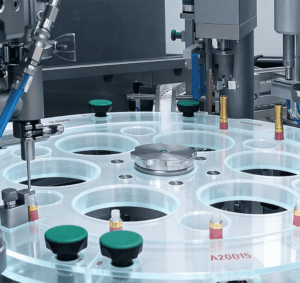
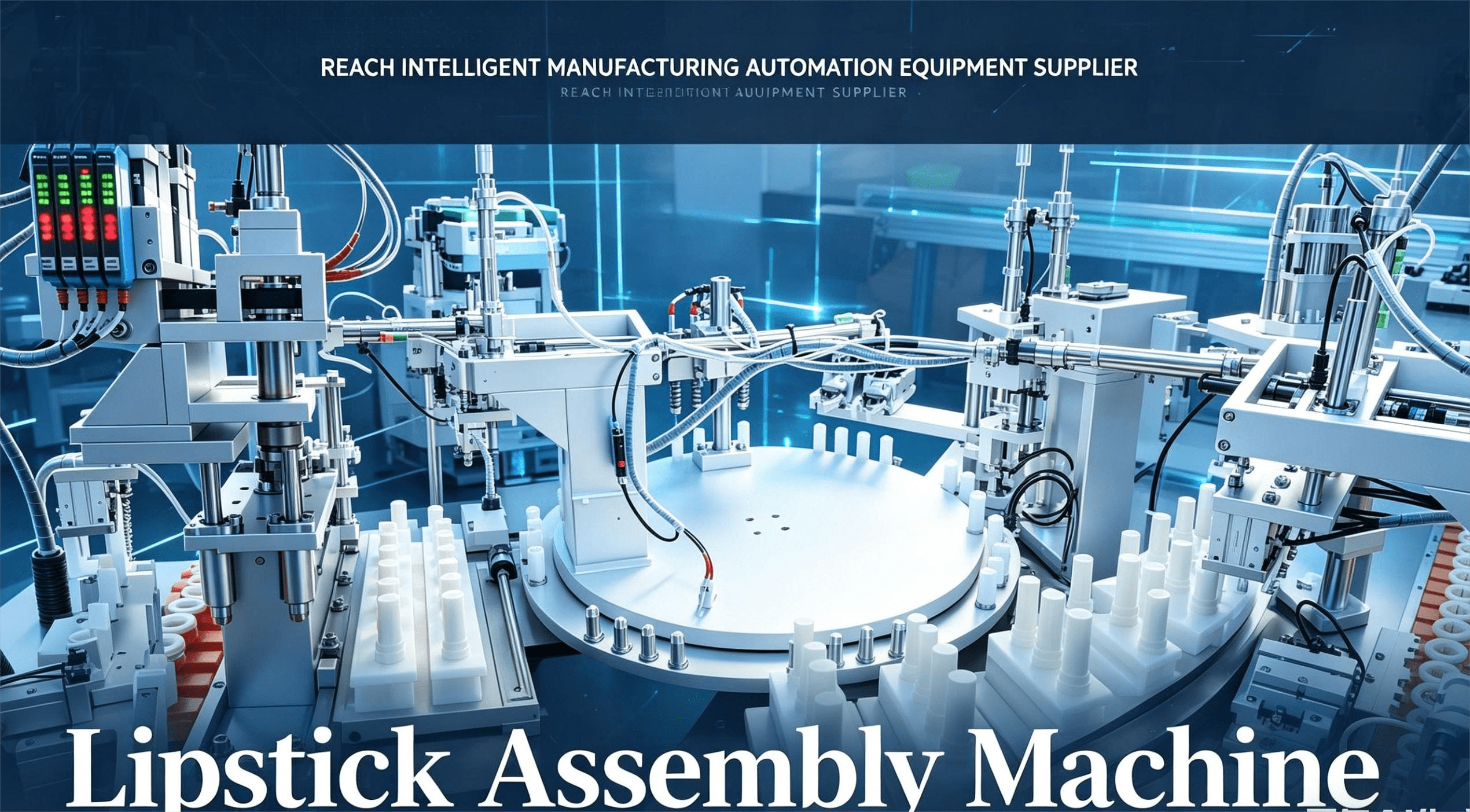
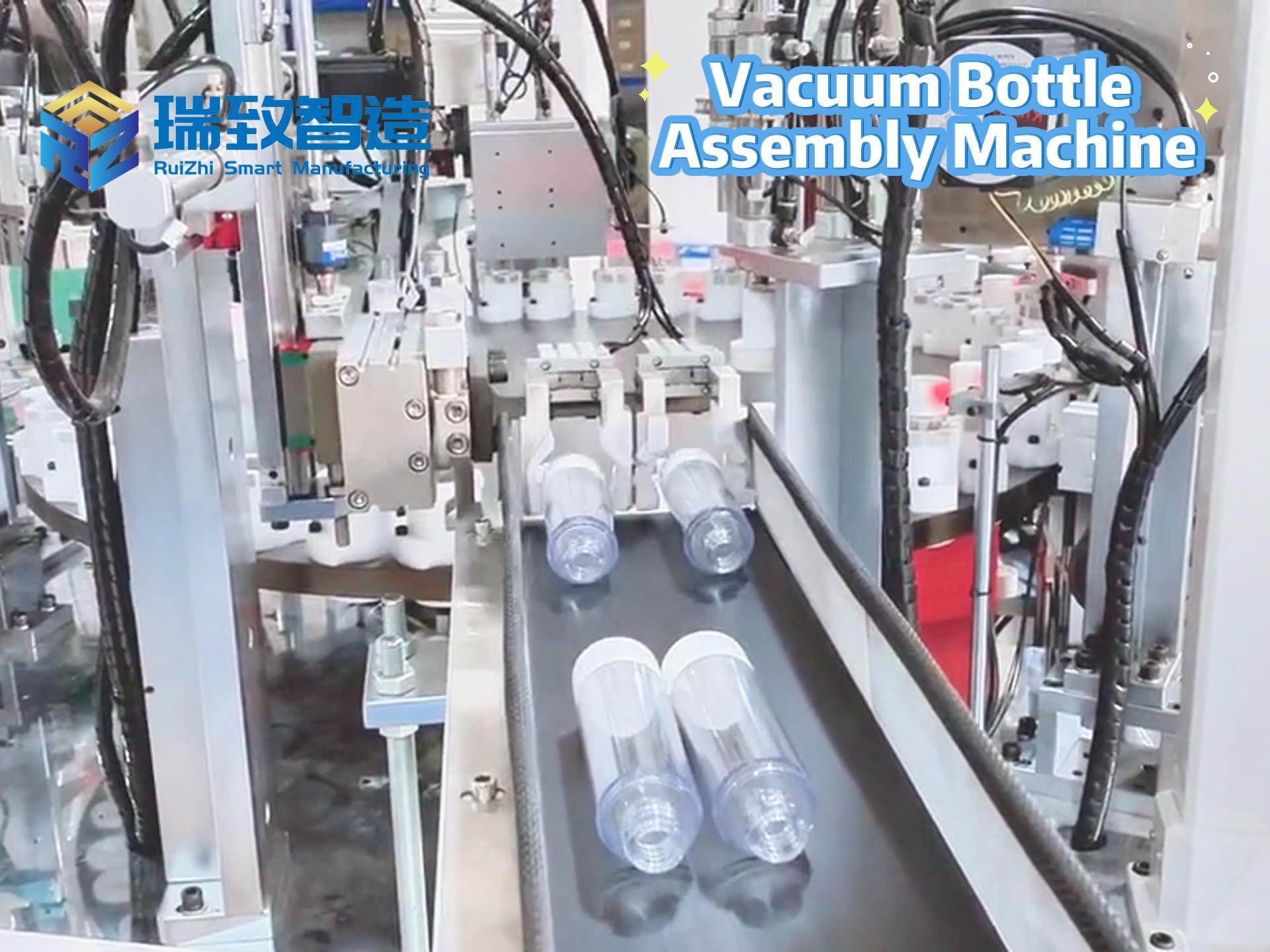
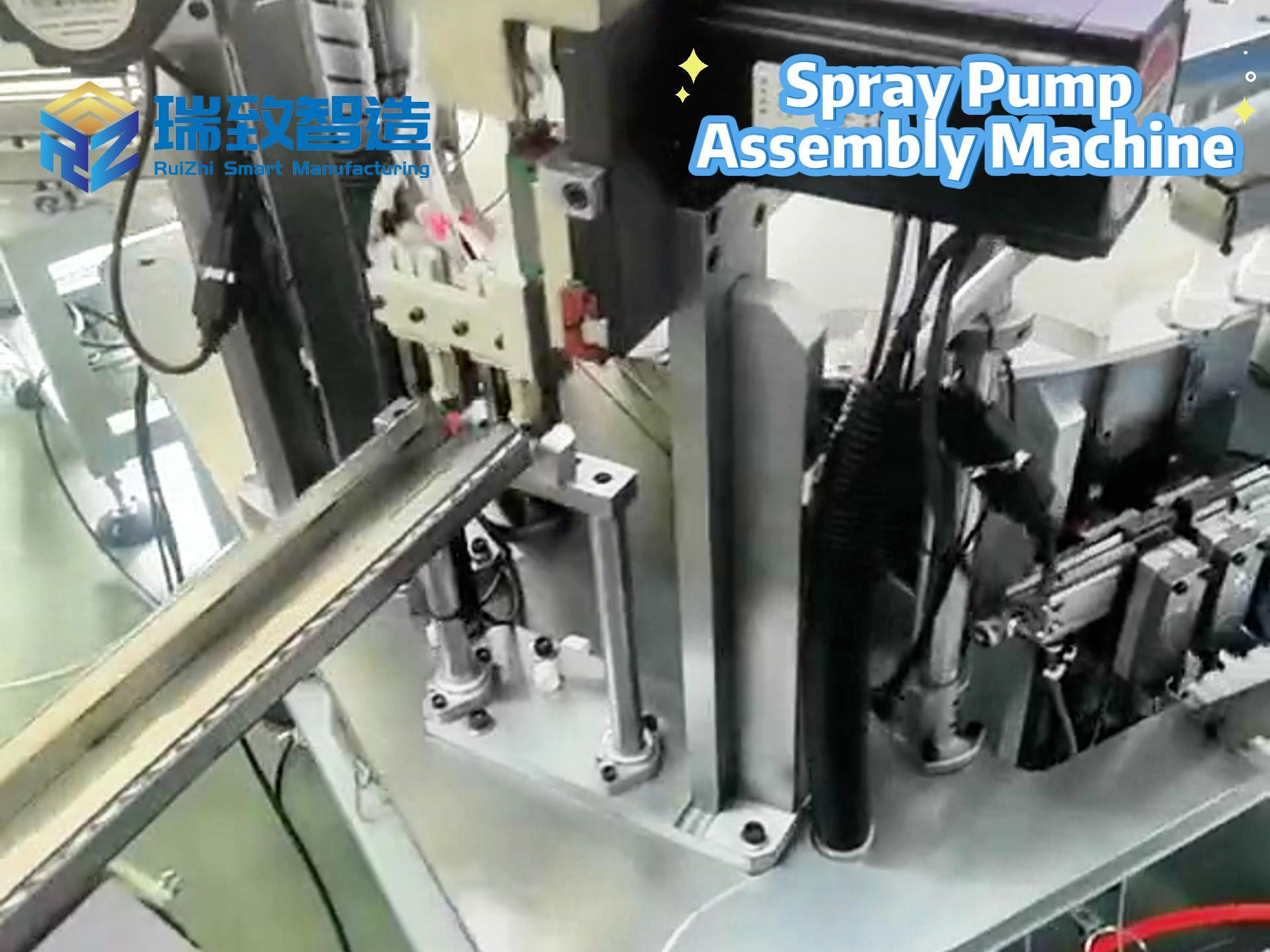
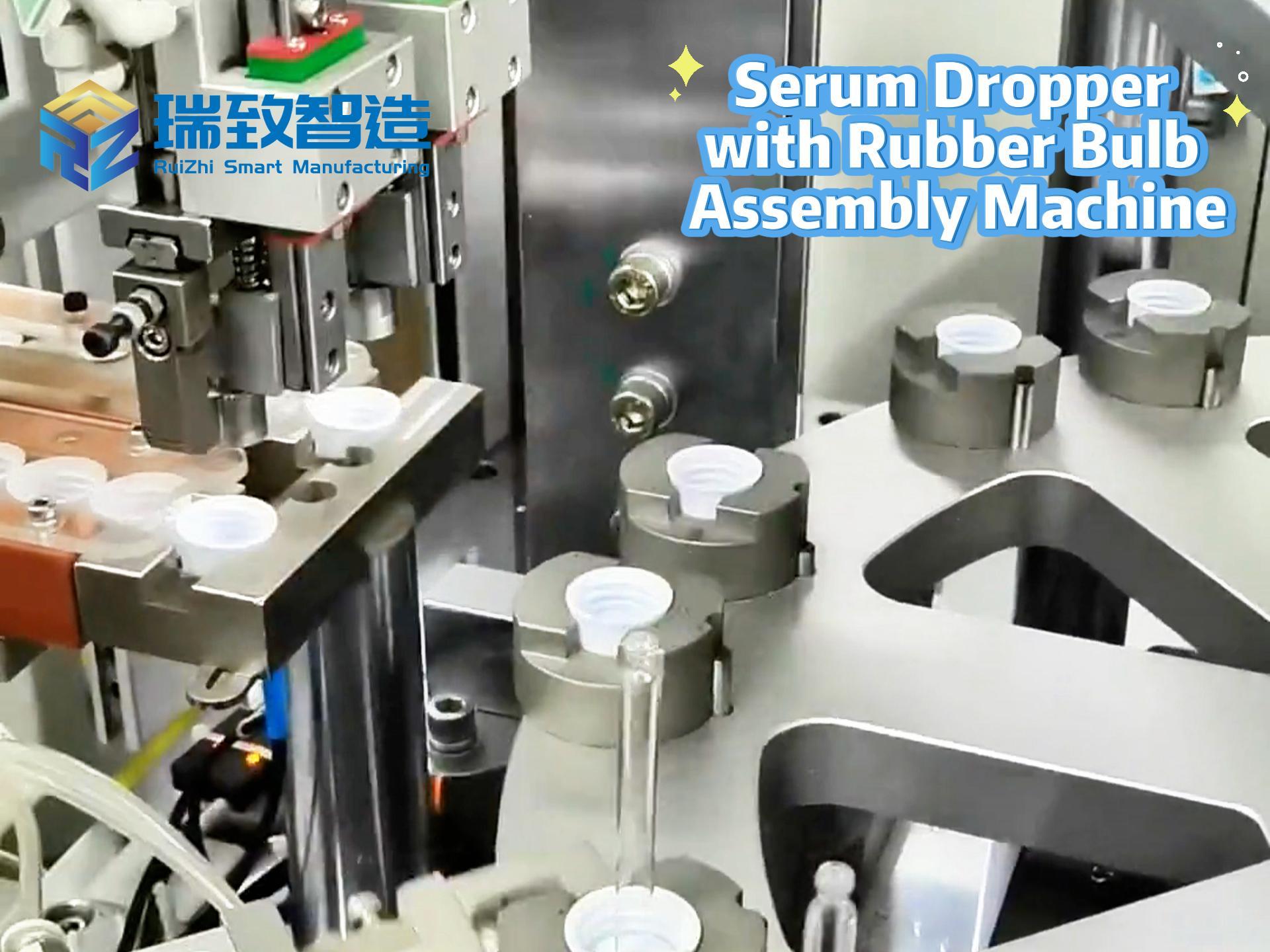
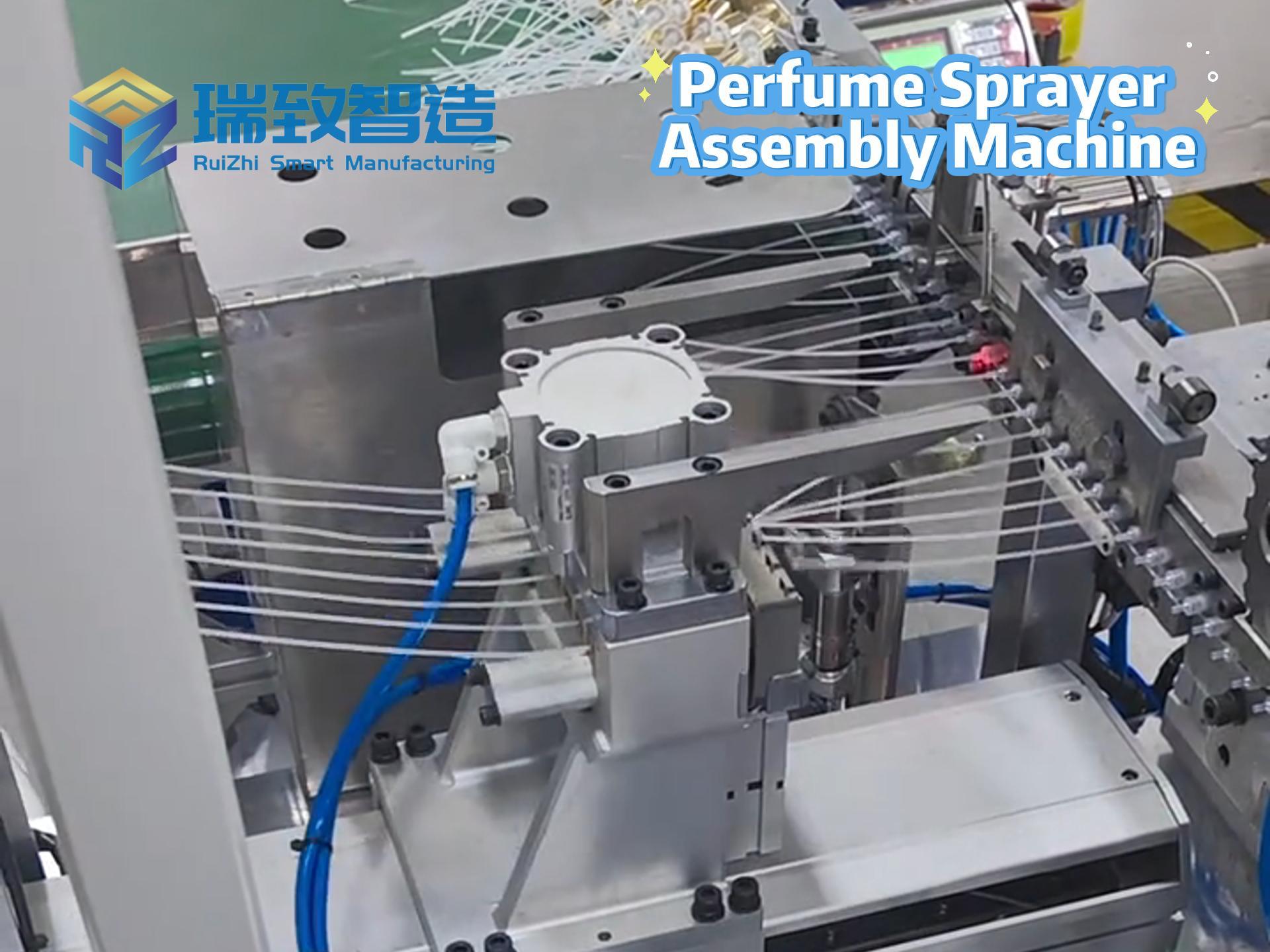
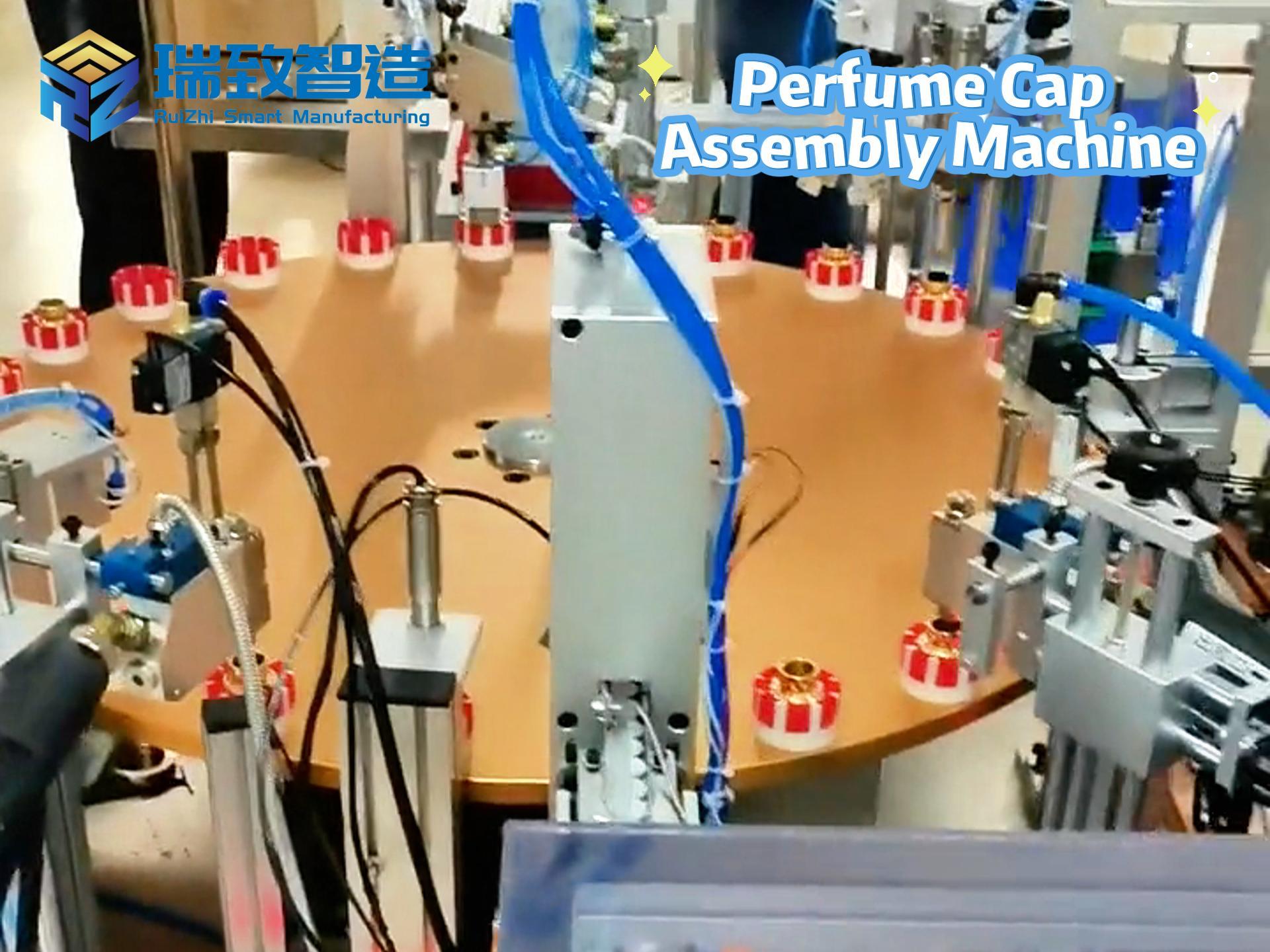
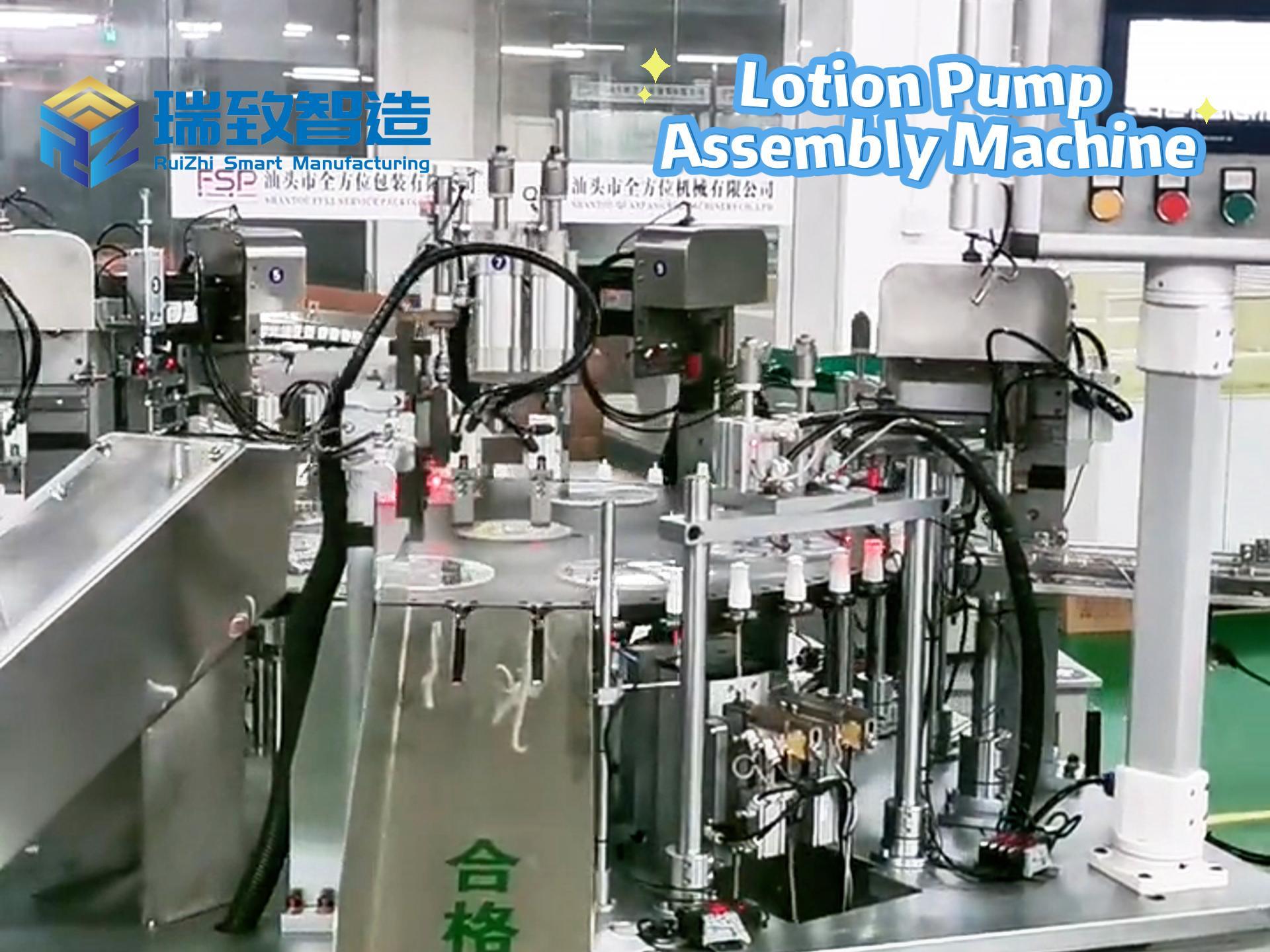
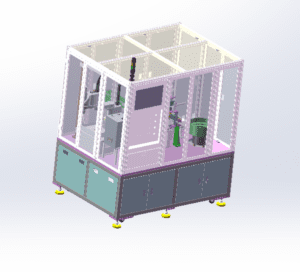
This is where the fully automatic lip gloss applicator assembly machine changes everything. Instead of relying on human hands and eyes, the machine handles the entire process end to end: brush head feeding, rod docking, glue dispensing, UV curing, and finished product sorting — all in one continuous, synchronized workflow. There are no transfer delays, no human errors, and no inconsistencies from shift to shift.
The results speak for themselves. With a production capacity of 2,000 to 3,000 units per hour, a single automatic machine matches the output of six to eight manual operators, while reducing labor costs by over 85%. The defect rate? Less than 1.5%. In fact, high-end configurations equipped with AI visual inspection systems push the qualification rate above 99.8%, eliminating virtually all assembly-related returns.
Precision is the real differentiator. The machine integrates a PLC-based control system with servo-driven positioning technology, achieving assembly accuracy within ±0.03 mm. That means every brush head is inserted perfectly straight. Every glue application is precisely metered — no overflow, no shortage. Every finished applicator feels solid, consistent, and reliable.
Flexibility Without Compromise
One of the biggest concerns manufacturers have about automation is inflexibility. What if your product lineup includes three different brush types, two different rod lengths, and a seasonal limited edition with a custom applicator? The fear is that an automatic machine will lock you into a single specification.
The reality is exactly the opposite. Modern lip gloss applicator assembly machines are built with modular design and quick-change fixture systems at their core. Switching from a doe-foot applicator to a precision sponge tip to a flocked brush takes less than three minutes. For high-end brands requiring even more specialized customization, some configurations support full non-standard adaptation, with changeover times under 12 minutes. Parameter memory functions store setup data for dozens of product SKUs, so recalling a previous configuration is as simple as pressing a button.
This kind of flexibility enables manufacturers to embrace the small-batch, high-mix production model that the beauty industry increasingly demands. Brands can launch limited-edition collections, test new applicator designs, and respond to seasonal trends without worrying about costly downtime or retooling.
Smart Manufacturing, Built for the Future
The cosmetics industry is undergoing a digital transformation. Consumers expect transparency, sustainability, and consistent quality. Regulators are tightening standards. And the global cosmetic packaging equipment market is projected to grow at a compound annual rate of 9.6%, reaching $6.15 billion in 2026, driven by increasing demand for automation and smart factory solutions.
Intelligent lip gloss assembly machines are designed with this future in mind. Equipped with real-time quality inspection modules, they detect and reject defective products automatically — whether the issue is a loose brush head, incomplete curing, or improper insertion depth. AI-powered visual positioning systems guide each assembly step, ensuring that every unit meets the same exacting standard.
For brands that prioritize safety and compliance, these machines are built to meet GMP standards, with key components constructed from 316L stainless steel and food-grade materials. The open architecture also allows seamless integration with upstream filling equipment and downstream packaging lines, enabling a fully connected, end-to-end intelligent production system.
From Pain Point to Competitive Edge
For contract manufacturers and cosmetic brands alike, the decision to automate lip gloss applicator assembly is not just about cutting costs — though the cost savings are substantial. It is about manufacturing agility: the ability to scale production up or down, switch between product variants in minutes, and maintain flawless quality across millions of units. It is about brand protection: ensuring that every single applicator that reaches a customer‘s hand feels as premium as the formula inside the tube. And it is about future readiness: building a production system that can adapt to new materials, new applicator designs, and new market demands without requiring a complete overhaul.
Why RuiZhi Intelligent Manufacturing
Since 2014, RuiZhi Intelligent Manufacturing has been delivering custom automatic assembly solutions for the global cosmetics industry. We don‘t just sell machines — we help brands and manufacturers transform their production lines into strategic assets. Our fully automatic lip gloss applicator assembly machines combine PLC-based precision control, servo-driven positioning, AI visual inspection, and modular flexibility into a single, integrated platform. Whether you need a high-speed line for mass production or a precision-focused configuration for luxury brands, we design, build, and support a solution tailored to your specific needs.
Ready to eliminate the wobble? Let‘s talk.
Top 5 Hashtags
#LipGlossAssembly #CosmeticPackagingAutomation #BeautyManufacturing #Industry40 #SmartFactory