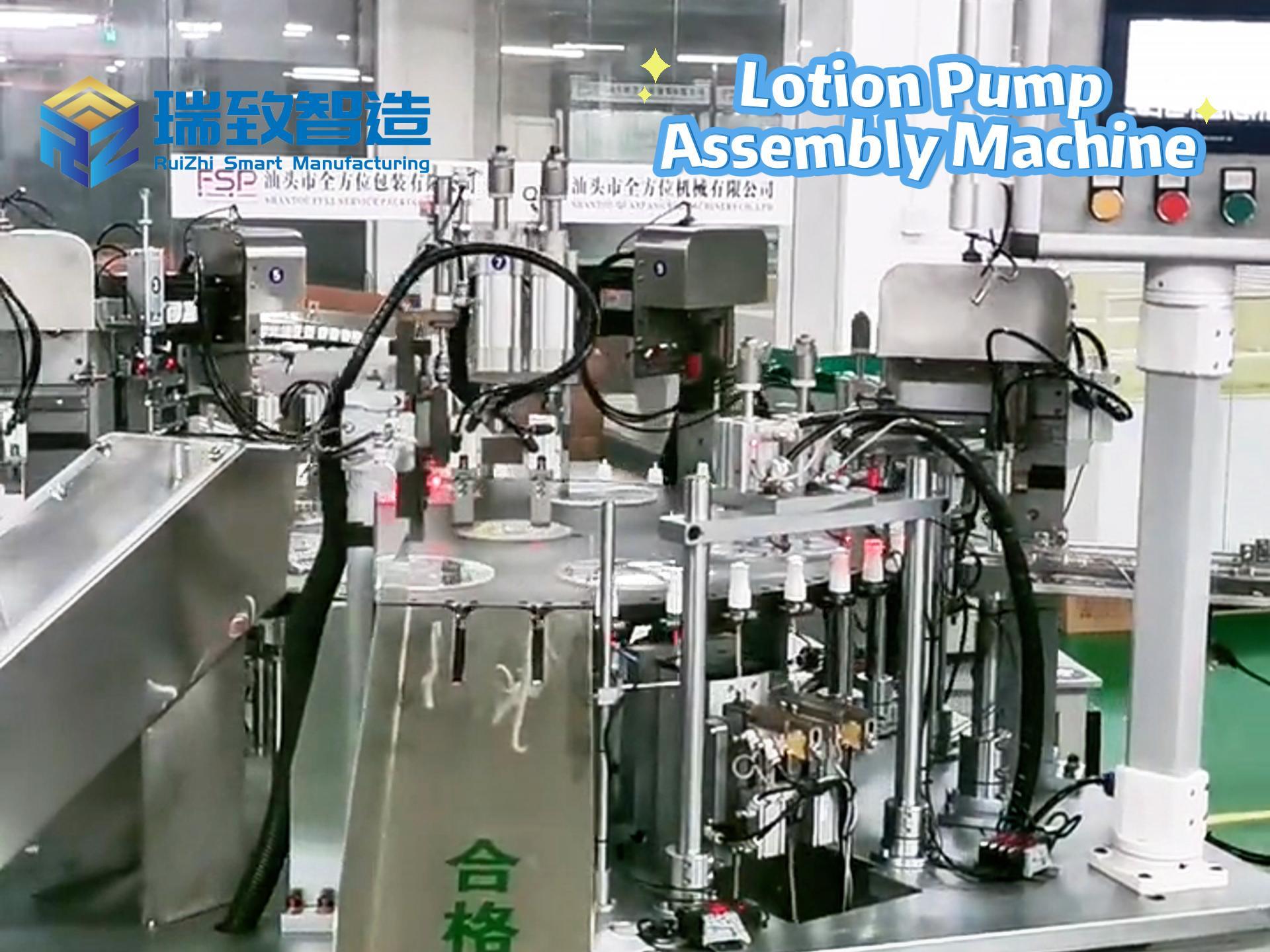
HANOVER / SHENZHEN — The global automation assembly equipment industry is entering a pivotal era of transformation, with market forecasts pointing to sustained double-digit growth and technological convergence reshaping how factories operate worldwide.
According to the latest industry research, the global assembly machine market was valued at USD 3.51 billion in 2025 and is projected to reach USD 3.82 billion in 2026, representing a CAGR of 8.72%, with a trajectory toward USD 6.31 billion by 2032. The broader assembly automation market is forecasted to grow by USD 28.39 billion during 2025–2030, accelerating at a CAGR of 9.5%. Meanwhile, the industrial robotics market — a key driver of assembly automation — grew from USD 81.53 billion in 2025 to an estimated USD 89.57 billion in 2026, advancing at a CAGR of 11.34%.
2026: The Year Embodied Intelligence Goes Industrial
Industry observers widely regard 2026 as the year of large-scale embodied intelligence deployment in manufacturing. At the 27th ITES Shenzhen Industrial Fair (March 31–April 3, 2026), China’s first dedicated exhibition zone for industrial embodied intelligence made its debut, showcasing wheeled humanoid robots performing precise case stacking and sorting — tangible proof that intelligent robotics is moving from laboratory demonstrations to real factory floors.
The convergence of high-performance AI, established robotics hardware, and real-world mass production was further underscored in March 2026, when Reuters reported that Skild AI is deploying its technology on Foxconn production lines manufacturing server racks for NVIDIA’s Blackwell systems. The company is simultaneously collaborating with ABB Robotics and Universal Robots to integrate its software into established industrial robotics platforms, signaling a major shift in the industrial automation landscape.
From Rigid Programming to Adaptive Autonomy
Traditional industrial robotics has long excelled in standardized, repeatable processes — but it reaches its limits where product variety, frequent changeovers, and fluctuating material conditions dominate. Skild AI’s deployment directly addresses this gap, aiming to enable robot systems to move beyond rigidly programmed motion sequences toward more generalized operational capabilities.
This shift, described by industry analysts as the transition from pure cycle time optimization to flexible capacity utilization, is particularly relevant in industries where product mix, demand profiles, and batch sizes change rapidly. According to experts, the decisive question is no longer merely whether a robot can technically perform a task, but how robustly it can handle variance, exceptions, and changes.
Market Growth Across Key Segments
The assembly line automation market, valued at USD 10.48 billion in 2025, is projected to reach USD 11.16 billion in 2026, with a CAGR of 6.62%, reaching USD 16.42 billion by 2032. Key drivers include rising labor costs, demand for consistent quality, increased automation in automotive and electronics sectors, and growing safety requirements on manufacturing floors.
The cosmetic packaging machinery market, a specialized segment within assembly automation, reached USD 4.11 billion in 2025 and is expected to grow to USD 4.37 billion in 2026, advancing at a CAGR of 6.48% through 2034, driven by increasing demand for reliable, durable, and technologically advanced packaging equipment.
Industry 4.0: Digital Twins and AI-Ready Infrastructure
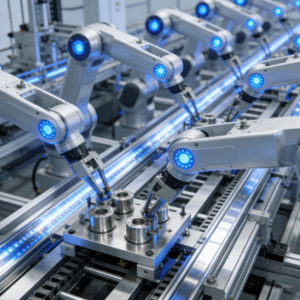
The evolution toward truly connected smart factories continues to accelerate. Industry analysis highlights five key shifts manufacturers must prepare for in 2026: digital twins enabling 25% reduction in quality control costs and 30% decrease in maintenance expenses; AI-ready infrastructure investments; workforce knowledge capture; agile supply chains; and sustainable manufacturing practices.
At the 2025 Automation Fair in Chicago, Rockwell Automation Chairman and CEO Blake Moret presented a detailed roadmap for what he called “industrial autonomy” — a decisive shift away from traditional programmable automation toward systems capable of real-time adaptation, prediction, and decision-making without continuous human intervention. This transition is being enabled by software-defined automation (SDA) , which decouples application logic from hardware, allowing machine learning models and updated control strategies to be deployed without hardware replacement.
Industry Events Spotlight Automation Innovation
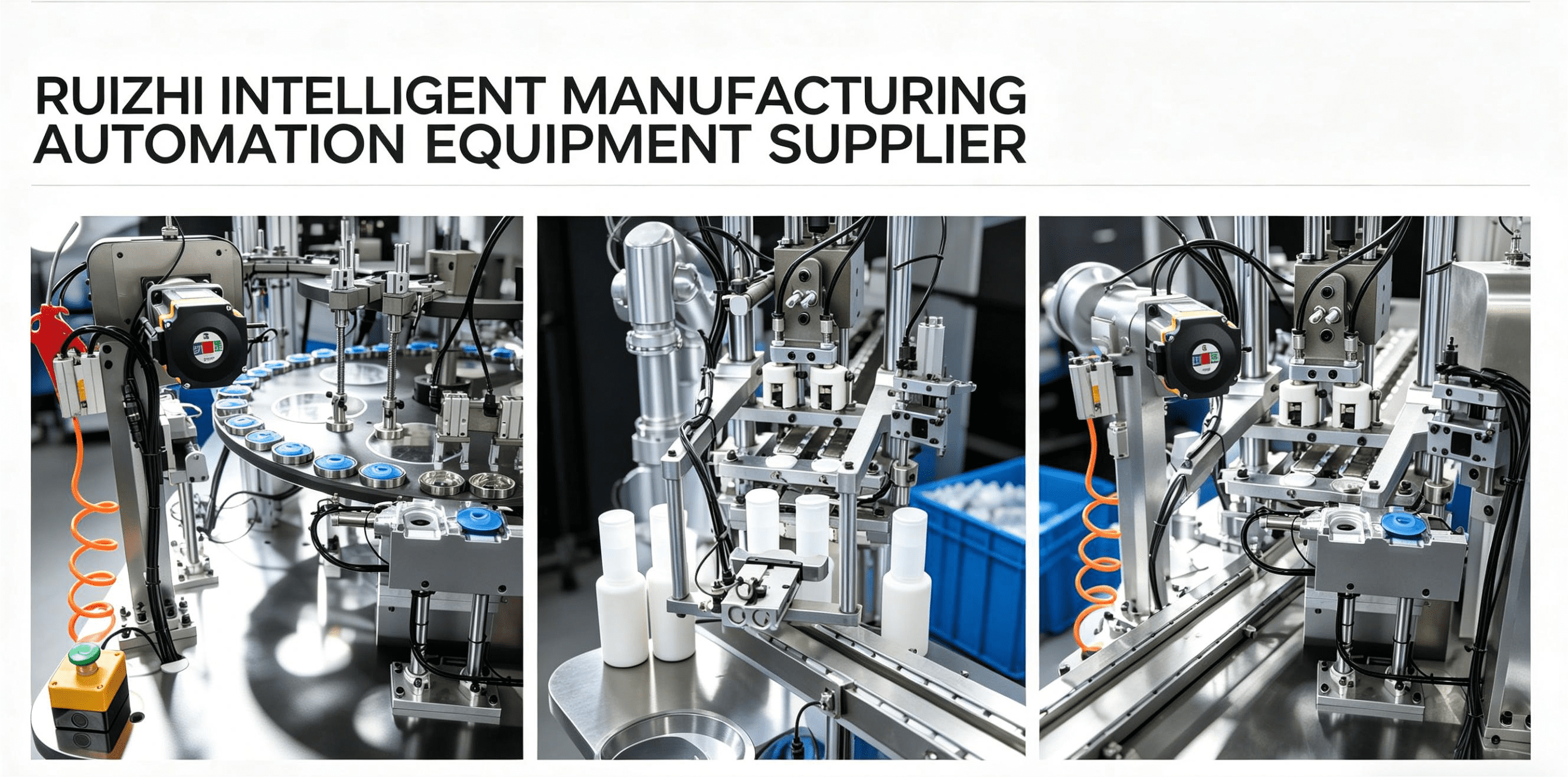
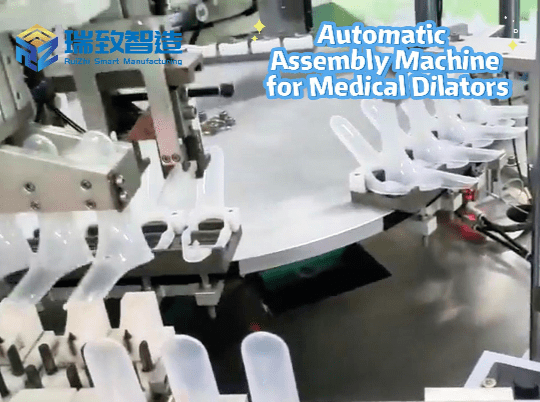
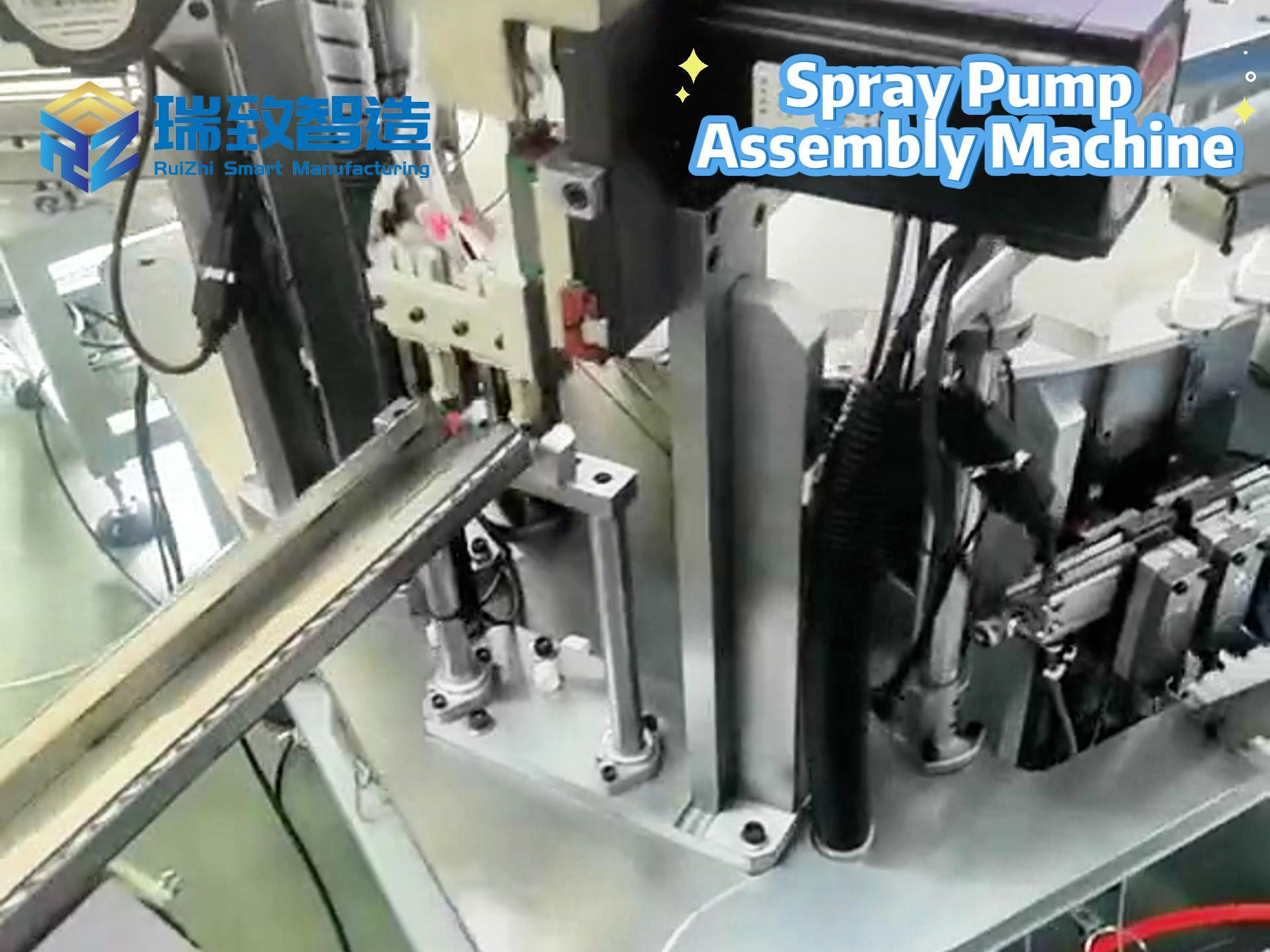
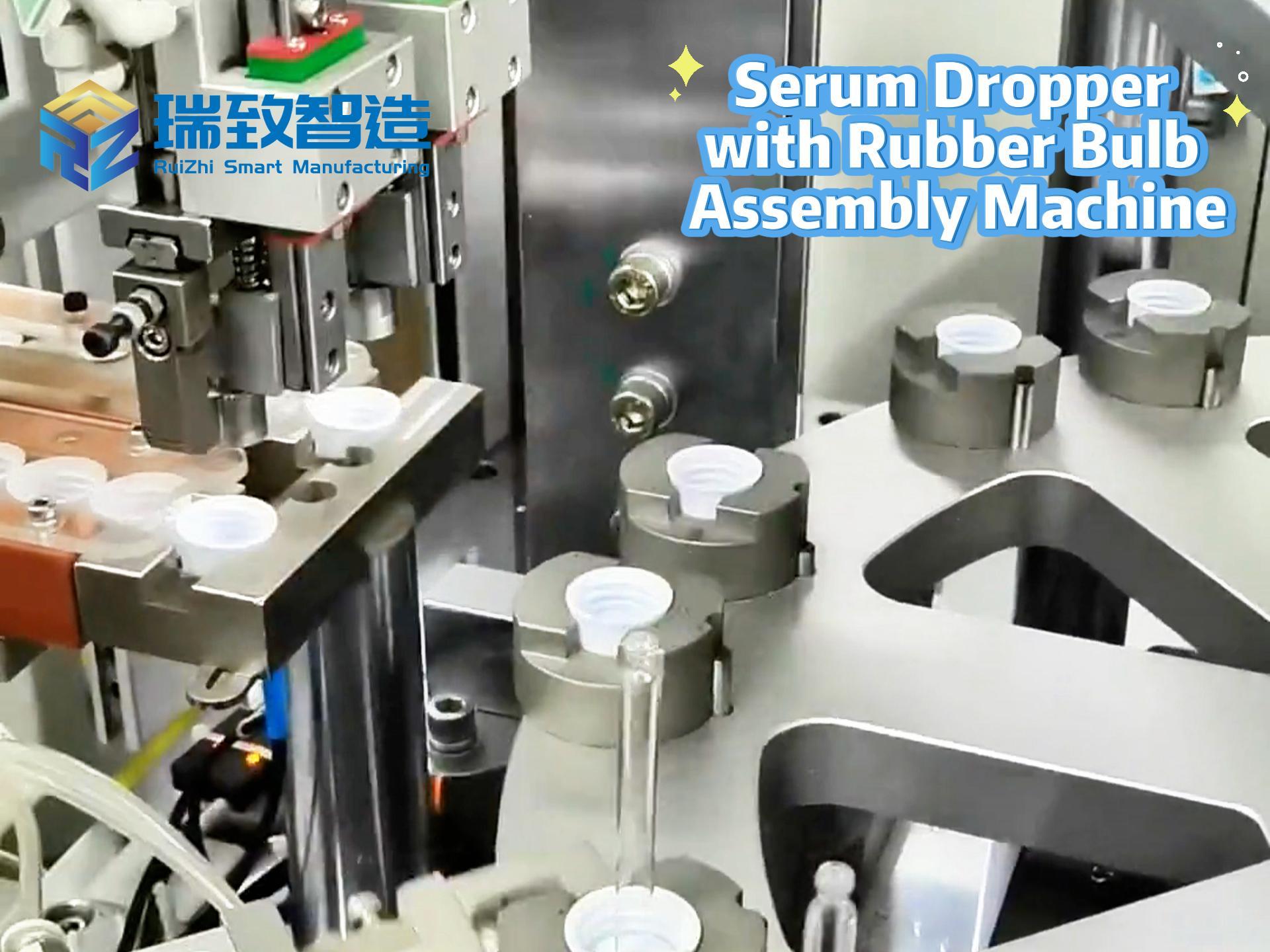
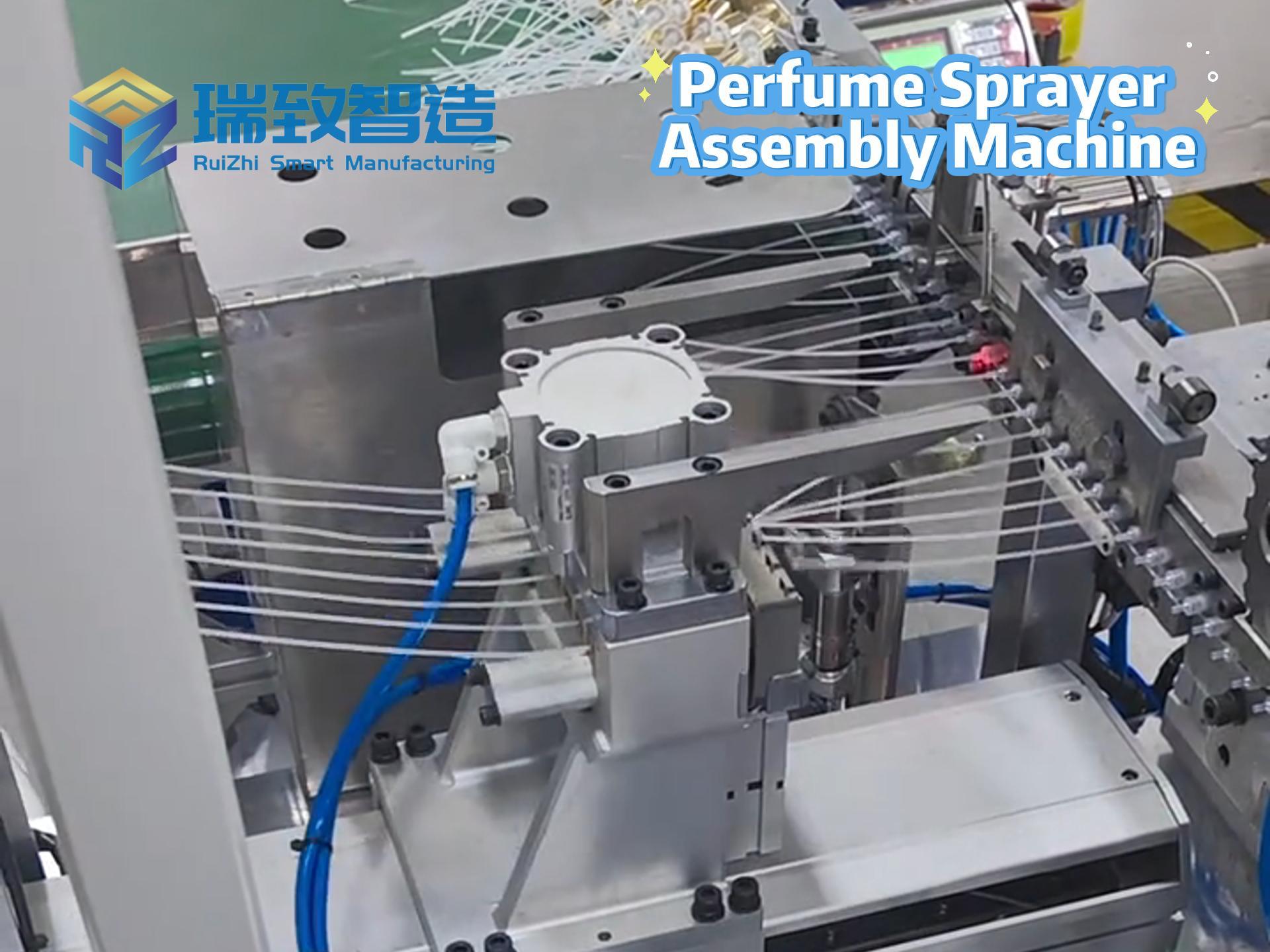
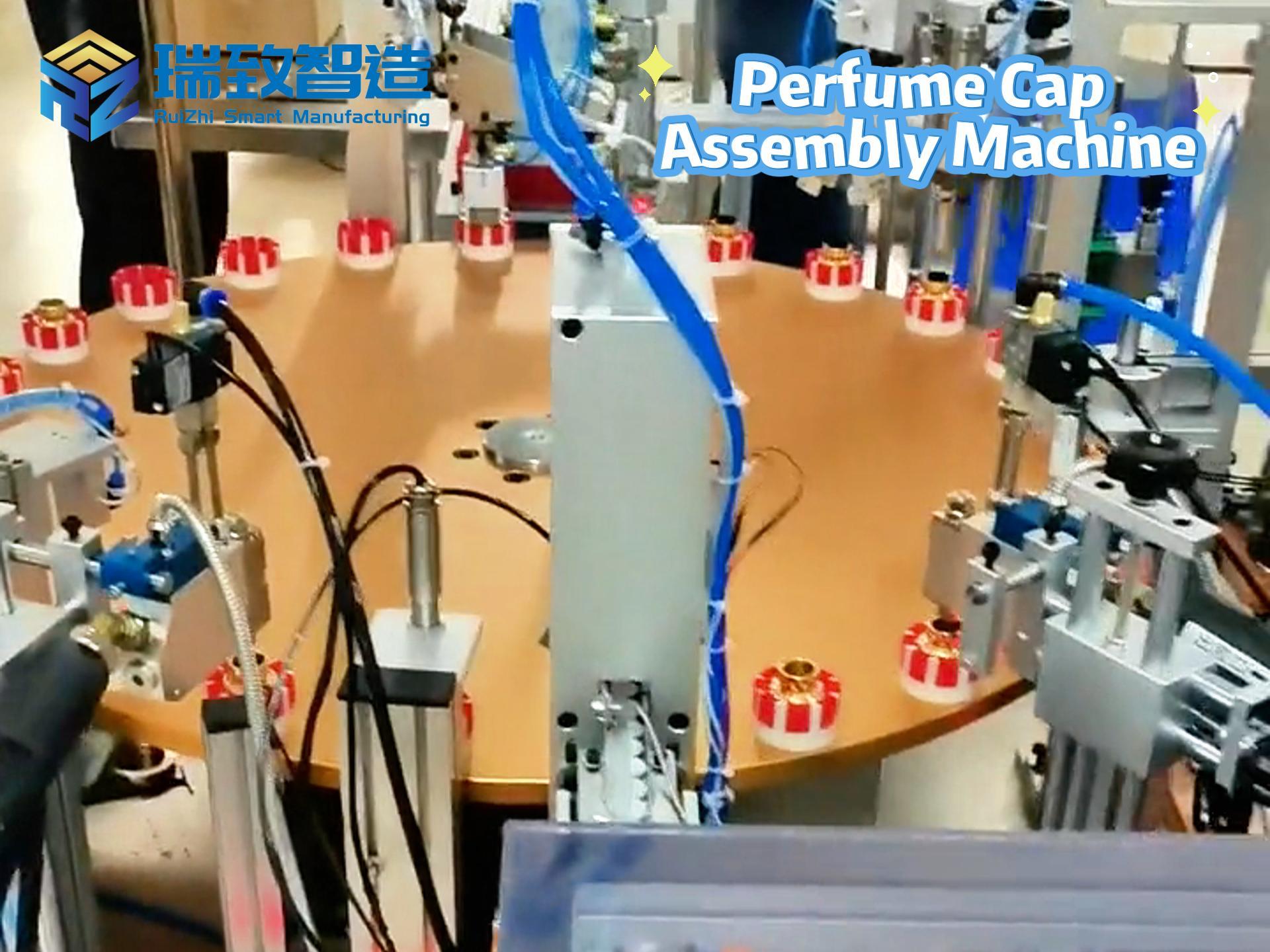
Major industry events throughout early 2026 have underscored the momentum. The 27th ITES Shenzhen Industrial Fair brought together over 1,800 domestic and international industrial brands, creating a platform for physical AI and precision manufacturing integration. The event featured specialized automation zones focused on assembly, inspection, handling, and storage — core processes that directly align with the capabilities of leading automation equipment providers like Xiamen Ruizhi Intelligent Technology Co., Ltd., a custom automatic assembly machine manufacturer serving bathroom components, automotive parts, and medical products industries.
Concurrently, the 2026 Electronica China exhibition in Munich highlighted the rapid integration of collaborative robots and digital twin technologies, driving electronics manufacturing toward “zero-defect, high-flexibility” production models.
The Road Ahead for Automation Assembly

As the industry moves through 2026, several key trends will shape the competitive landscape:
-
Agentic AI is evolving beyond static chatbots into real-time, self-generating intelligence software that dynamically adapts workflows
-
Physical AI is migrating from digital spaces into physical factory environments, contending with real-world friction, inertia, and unpredictable conditions
-
Humanoid robots are transitioning from science fiction to factory floors at companies addressing skilled labor shortages
-
Global industrial robot capacity could reach 5.5 million units by 2026, according to Deloitte’s analysis
For manufacturers and automation equipment suppliers alike, the message is clear: the industrial value of AI in robotics arises not from spectacular demonstrations, but from controlled usability under production conditions. Companies that continue to evaluate their robotics strategy solely based on acquisition costs and cycle times may recognize this shift too late.
#IndustrialAutomation2026#EmbodiedIntelligence#SmartFactoryTrends#AssemblyAutomationMarket#AIinManufacturing