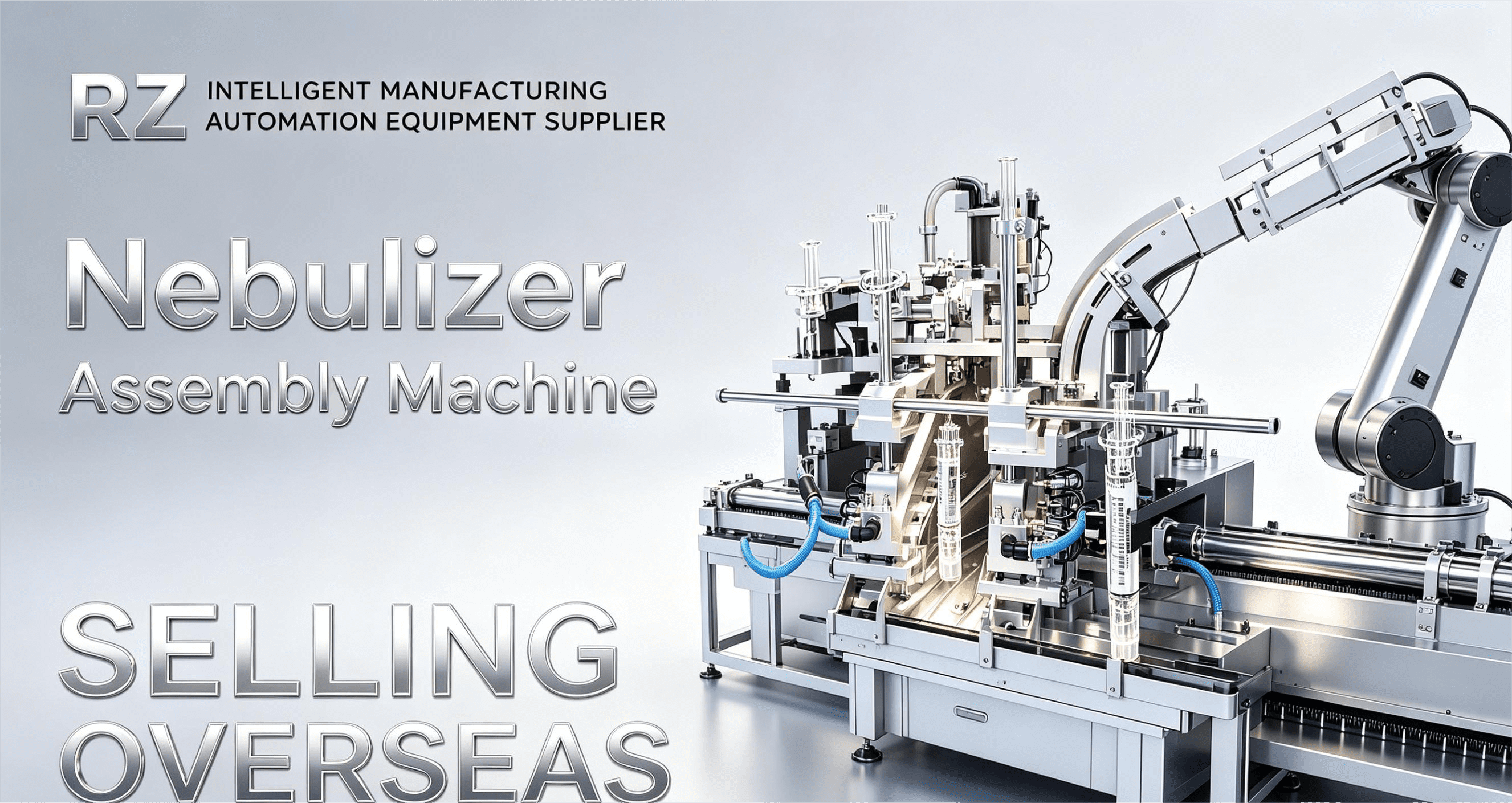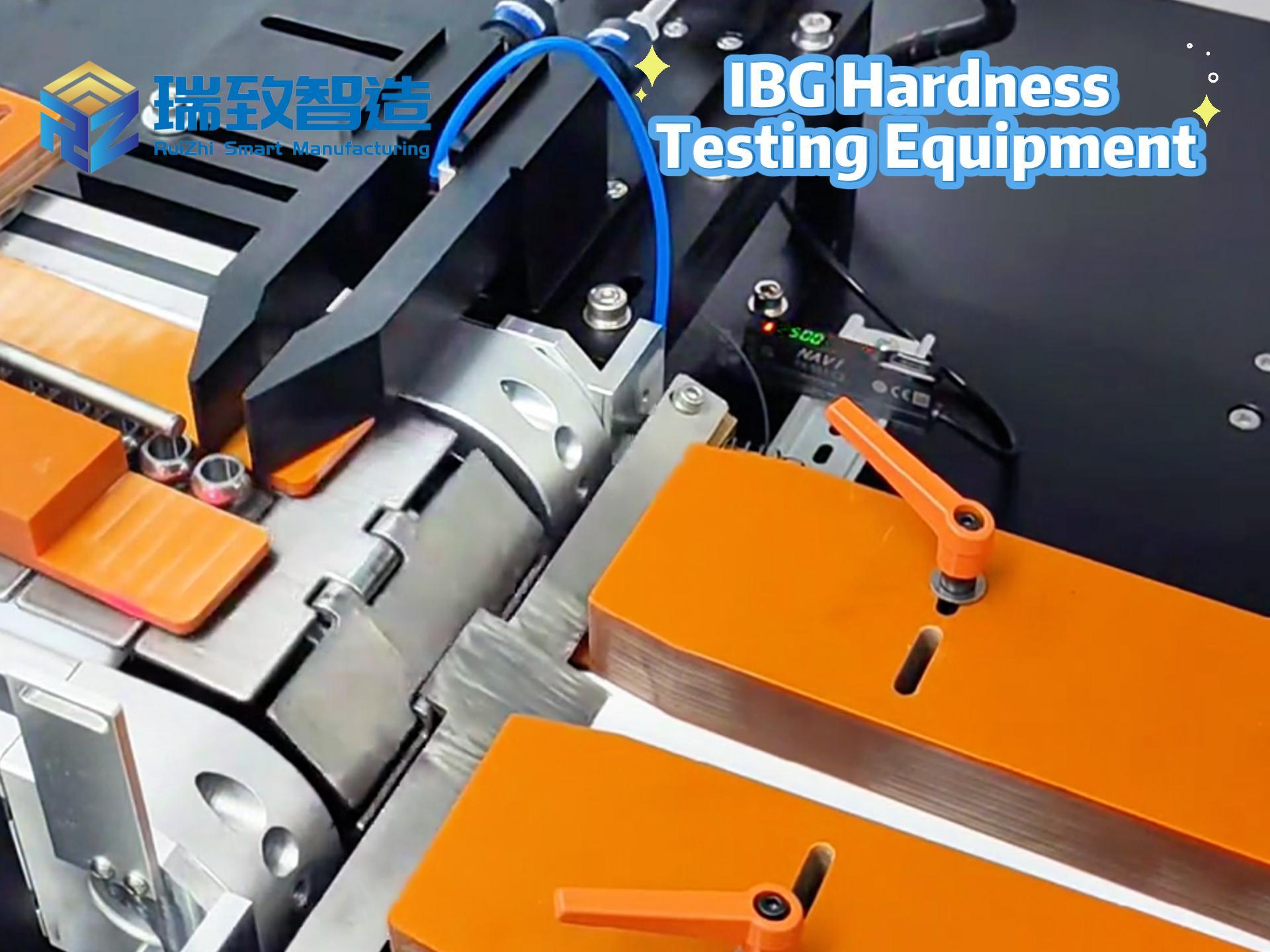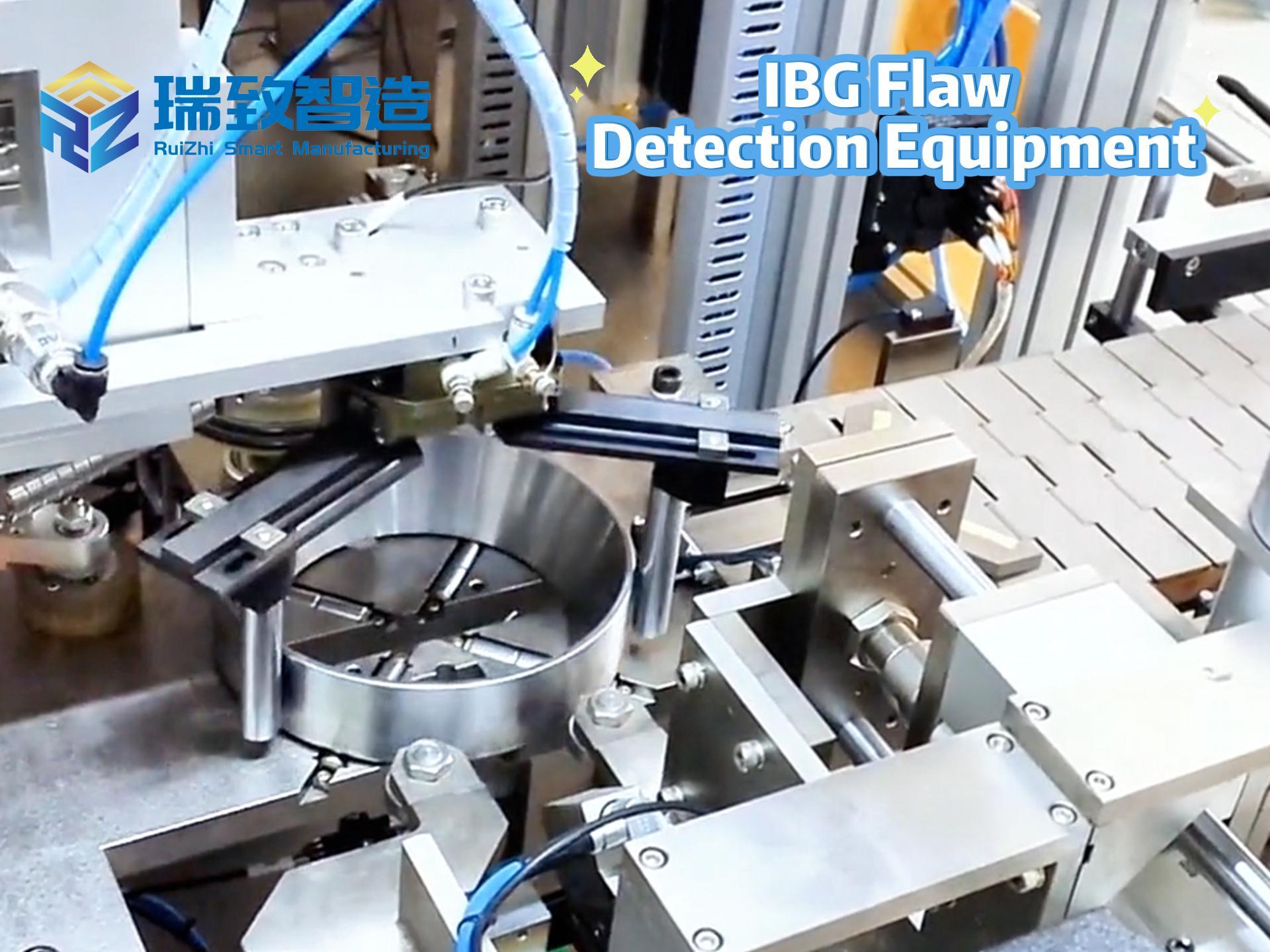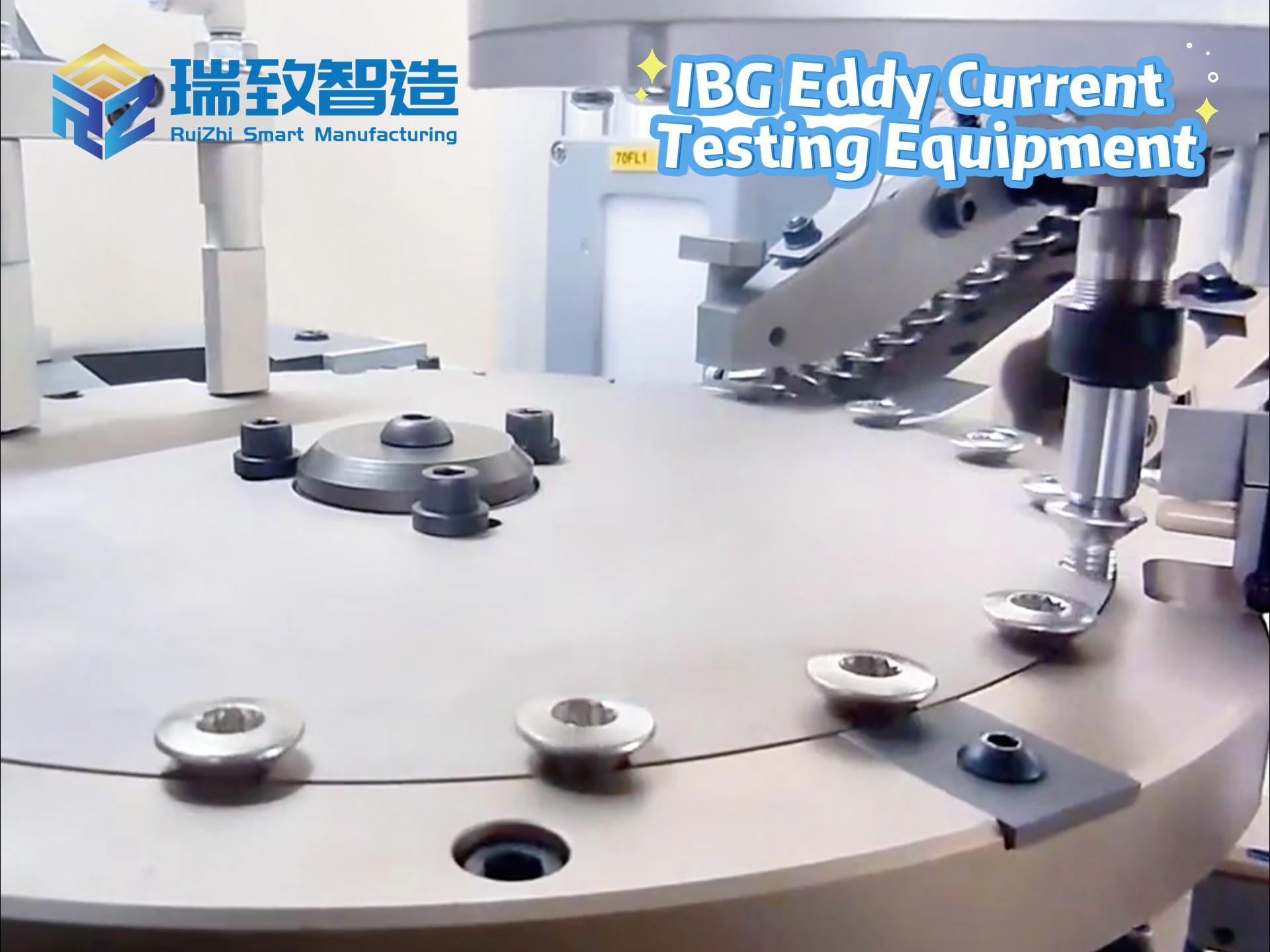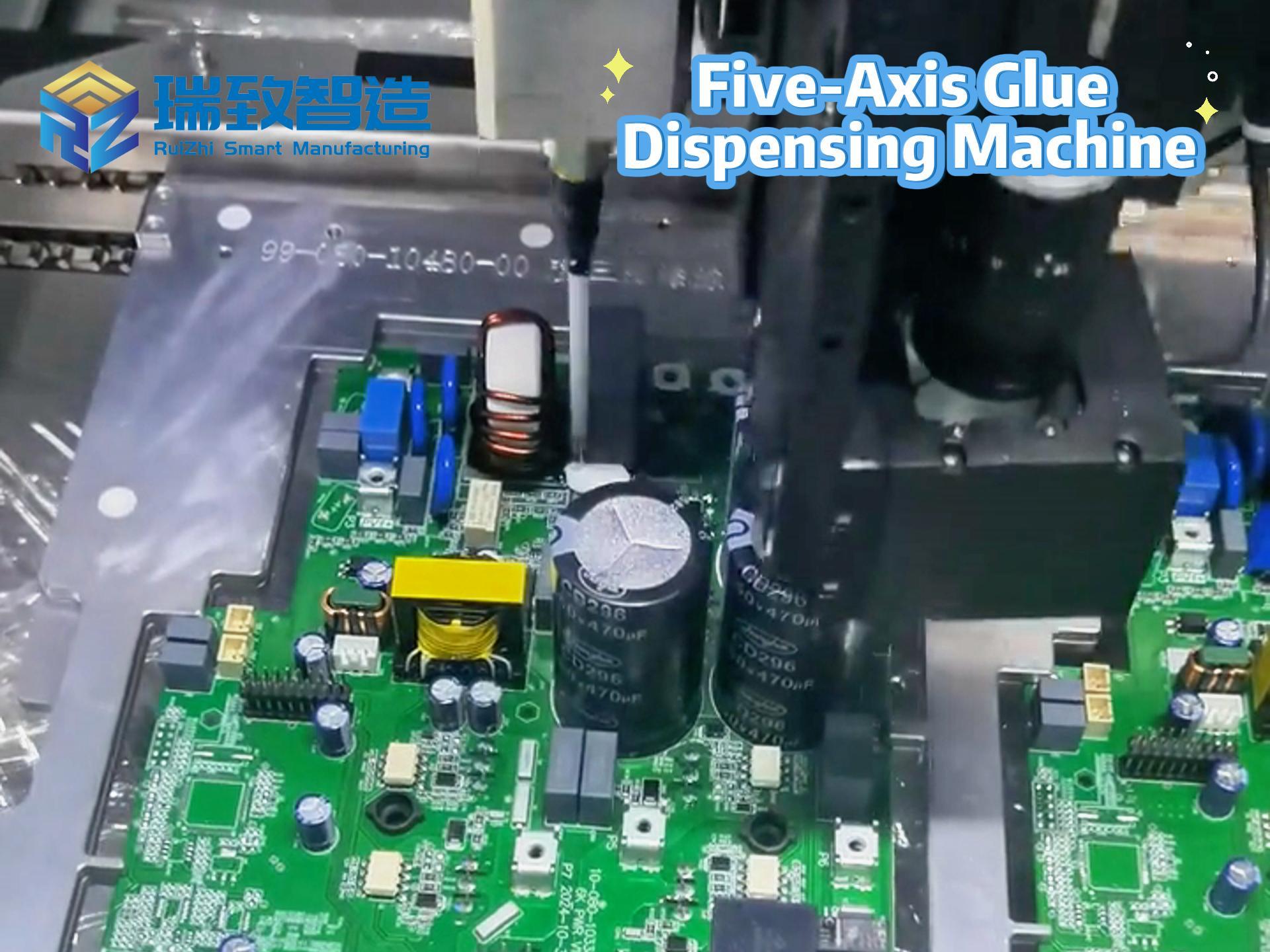
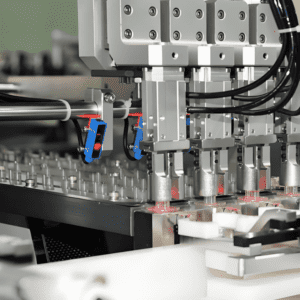
From precision assembly to AI‑powered inspection, catheter assembly automation is reshaping the quality standards of medical consumables production.
The global catheter market is growing rapidly. According to market research, the worldwide catheter market reached US$33.8 billion in 2025 and is expected to grow to US$37.43 billion by 2026, representing a compound annual growth rate (CAGR) of 10.7%. Rising prevalence of cardiovascular diseases, the spread of minimally invasive surgeries, and increasing demand for single‑use medical devices are all driving this rapid expansion. Yet, this growth also presents unprecedented challenges for catheter manufacturers — how to ensure product consistency and regulatory compliance in high‑volume production?
Under traditional manual assembly, operators must handle soft, delicate catheter components in cleanroom environments. This approach is not only labour‑intensive and inefficient, but also prone to assembly errors and quality fluctuations caused by operator fatigue. Industry data shows that in the production of high‑precision medical consumables such as catheters, fatigue‑related defects can affect yield by 15‑20%, and manual visual inspection lines often lose 20‑30% of effective capacity. Meanwhile, increasingly stringent regulatory frameworks — including ISO 13485, the FDA QMSR (effective February 2026), and the EU MDR — are forcing manufacturers to re‑evaluate their production methods. Against this backdrop, the catheter assembly machine, as a core piece of medical consumables assembly automation, has become a strategic choice for catheter manufacturers worldwide to achieve an intelligent transformation.
High‑Precision Assembly: ±0.02 mm Positioning Accuracy Meets Medical Grade Standards
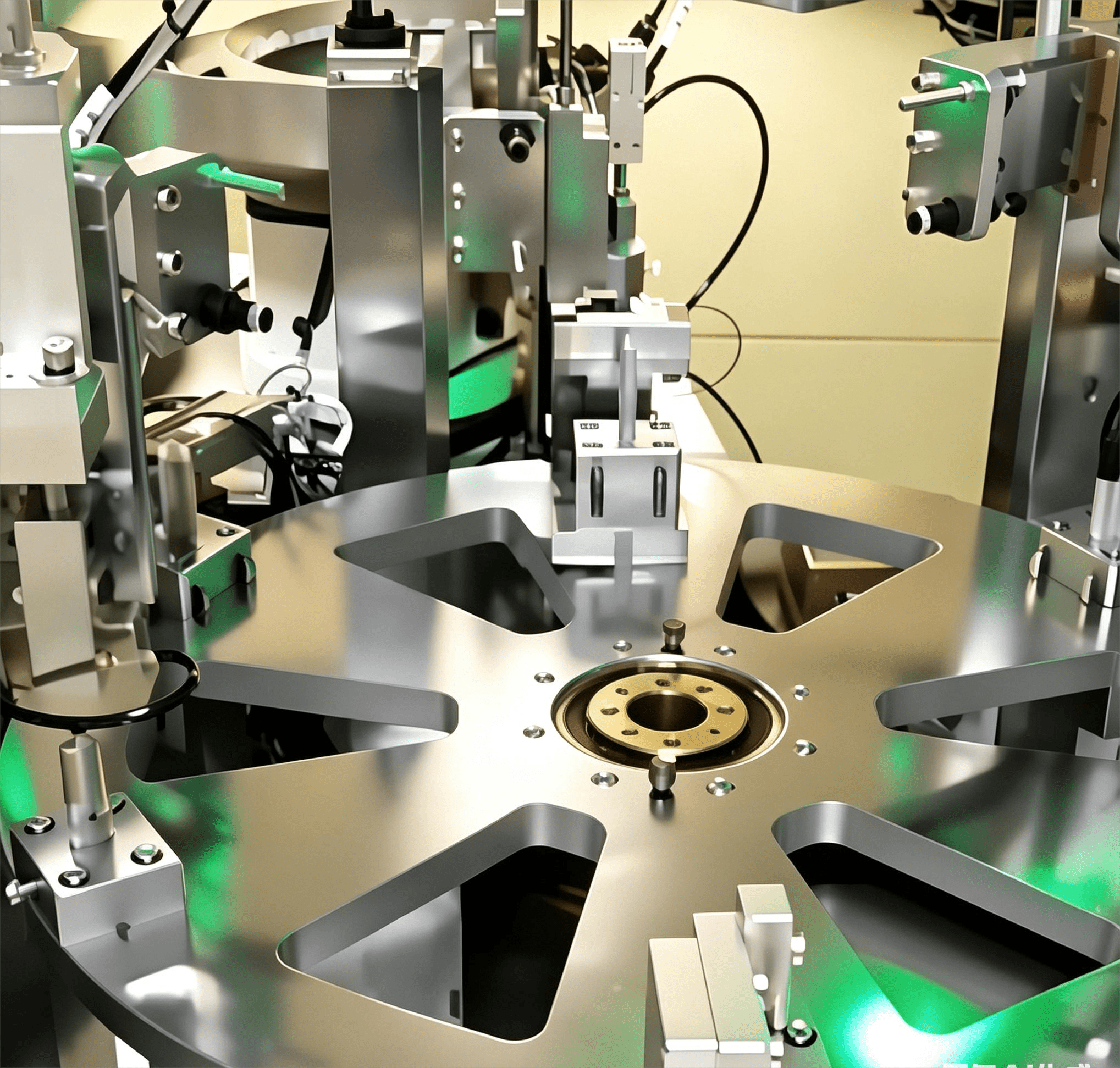
Catheters are life‑critical medical devices that directly enter the human body, so assembly precision directly determines clinical safety and reliability. State‑of‑the‑art catheter assembly machines now adopt servo‑driven precision actuators and high‑accuracy positioning technology, achieving assembly tolerances within ±0.02 mm — fully compliant with ISO 13485 medical standards and GMP requirements. This level of precision covers a wide range of product types, from cardiovascular catheters and neurovascular microcatheters to urological catheters and endoscopic catheters.
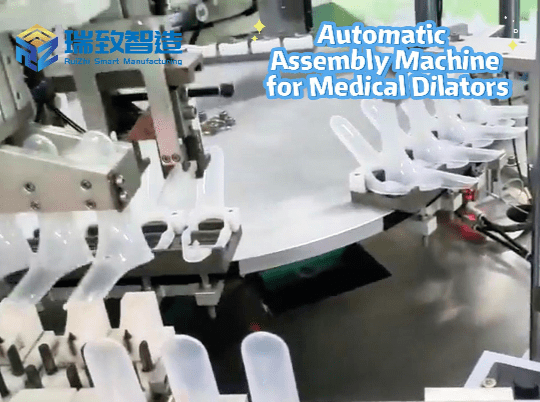
In terms of functional coverage, advanced catheter assembly machines integrate the entire process: automatic component feeding, precision bonding/welding, hydrophilic coating application, laser marking, and finished product sorting and packaging. A single machine can replace 7‑10 manual workstations, increasing production efficiency by more than 2.5 times. For manufacturers producing complex structures such as multi‑lumen catheters or steerable catheters, servo‑driven multi‑axis motion platforms ensure assembly precision while enabling precise control of challenging steps like tip forming, ball welding, and lumen alignment.
AI Vision Inspection: From Sampling to 100% Inline Full Inspection
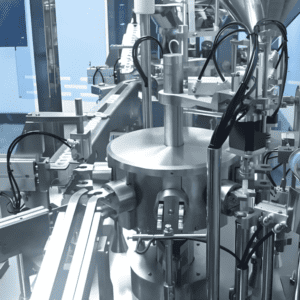
Quality control has always been one of the most challenging steps in catheter production. Traditional manual visual inspection suffers from visual fatigue and subjective judgment variability, making it difficult to achieve 100% full inspection on high‑speed production lines. Next‑generation catheter assembly machines deeply integrate AI vision inspection technology, using high‑resolution industrial cameras combined with deep learning algorithms to perform inline monitoring of multiple quality indicators — surface defects, dimensional deviations, bond quality, coating uniformity, and more.
Current leading AI vision inspection solutions compress inspection time per catheter to milliseconds, achieve defect recognition rates as high as 99.7%, and support full‑length scanning of catheters up to 139 cm — increasing inspection efficiency by more than 200% compared to traditional methods. Even more critically, AI vision systems generate a complete, objective digital evidence chain: each inspected catheter can be linked to its inspection images, timestamp, lot number, and production parameters, satisfying FDA 21 CFR Part 11 requirements for electronic records and audit trails. This capability has strategic importance for EU market compliance under the mandatory use of EUDAMED (effective 26 May 2026).
Industry 4.0 & Compliance: The Manufacturing Core of Smart Factories
Catheter assembly machines are rapidly integrating into Industry 4.0 smart manufacturing systems. Through MES (Manufacturing Execution System) integration, the equipment can upload key production parameters — assembly force values, coating thickness, welding temperature, inspection results, and more — in real time to a central database, forming a complete digital traceability chain from raw material to finished product. Driven by the new FDA QMSR and the EU MDR, this end‑to‑end traceability is no longer a “nice‑to‑have” but a basic regulatory requirement.
Modular design also supports rapid changeover — by swapping tooling fixtures and parameter recipes, production can be switched between different catheter specifications in less than 30 minutes, significantly reducing changeover costs for high‑mix, low‑volume production. This aligns perfectly with the global medical device industry’s move toward agile manufacturing and near‑dark‑factory operations. Industry observations show that AI‑driven automated medical manufacturing lines can increase OEE (Overall Equipment Effectiveness) from ~75% in traditional setups to over 90%, while changeover times drop from hours to minutes.
Cost & Efficiency: Quantifiable ROI Drives Investment Decisions
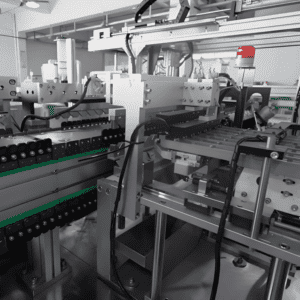
For any medical device manufacturer, the return on investment (ROI) of automation equipment is a key decision variable. Taking a typical fully automated catheter assembly line as an example, it reduces labour requirements by 75‑85%, lowers material waste by 15‑20% , and increases daily output to over 10,000 units. Based on these performance figures, the equipment investment is typically recovered within 12‑24 months.
Moreover, the improved quality stability delivered by automation translates directly into economic benefits. In one application at a leading medical device manufacturer, after deploying an AI vision inspection system, the first‑pass yield increased to over 99.8%, while batch recall risks and customer complaints due to quality defects decreased significantly. In today’s increasingly competitive disposable medical consumables market, this dual advantage in quality and cost has become a core element for building competitive barriers.
Conclusion
With the global catheter market expected to exceed US$50 billion by 2032, catheter manufacturers are facing unprecedented capacity expansion pressures and compliance challenges. By integrating technologies such as servo‑driven precision actuation, AI‑powered inline inspection, and MES‑integrated traceability, the catheter assembly machine offers a clear pathway from labour‑intensive to data‑driven manufacturing. This is not merely an improvement in production efficiency — it is a strategic necessity for ensuring product quality and meeting global market access requirements under increasingly strict regulations.
Contact Me
Interested in learning how our catheter assembly machine can boost your production efficiency, ensure regulatory compliance, and accelerate your ROI?
📧 Email: 644349350@qq.com
🌐 Website:https://www.rzautoassembly.com
📞 Phone: +86 15860091967
Get a free consultation or request a demo today — our engineering team is ready to discuss your specific catheter manufacturing needs.
#Catheter Assembly Automation
#AI Vision Inspection in Medical Device Manufacturing
#ISO 13485 & FDA QMSR 2026 Compliance Guide
#Industry 4.0 and the Smart Medical Consumables Factory
#Precision Manufacturing of Minimally Invasive Devices