As one of the crucial metal forming processes, die casting is widely applied in the automotive, electronics, motor, home appliance, and mechanical equipment sectors. Thanks to its characteristics such as high forming precision, high production efficiency, and strong product consistency, die casting has gradually become a common manufacturing method for structural components of many industrial products. This article systematically introduces die casting from the aspects of definition, process composition, key equipment, and practical functions.
Die casting is a metalworking process that involves rapidly forcing molten metal into a precision metal mold under high pressure, followed by cooling and solidification to form metal parts of specific shapes. Compared with traditional casting, die casting emphasizes high-pressure and high-speed filling, boasting significant advantages in terms of product dimensional accuracy, surface quality, and production efficiency.
Currently, the commonly used die casting materials include aluminum alloy, zinc alloy, magnesium alloy, etc. Among them, aluminum alloy die casting is the most widely used due to its light weight and excellent mechanical properties.
Core Components of the Die Casting Process
The die casting process typically consists of the following core stages and elements:
Die Casting Molds: Molds are the fundamental infrastructure of die casting, composed of the moving mold, fixed mold, gating system, exhaust channels, cooling system, etc. The mold structure directly affects the product shape, dimensional accuracy, and production efficiency, thus demanding high standards for quality and service life.
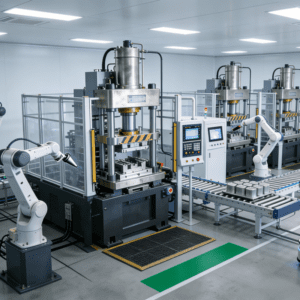
Die Casting Machines: Die casting machines are the primary equipment for die casting and injection molding. They can be classified into cold chamber die casting machines and hot chamber die casting machines based on the feeding method of molten metal. (Cold chamber machines are commonly used for high-melting-point metals such as aluminum alloy and magnesium alloy; hot chamber machines are suitable for low-melting-point materials such as zinc alloy. Die casting machines inject molten metal into the mold cavity at high speed through the injection system, completing the forming process under high pressure and forced cooling.)
Metal Melting and Holding Systems: Metal raw materials need to be heated and melted in melting furnaces, and the appropriate temperature is maintained in holding furnaces to ensure the fluidity of molten metal and the stability of the forming process. The quality of melting is related to the internal structure, strength, and surface quality of the final products.
Spraying and Demolding Systems: To ensure the smooth operation of molds, mold release agents need to be sprayed regularly. This not only protects the molds but also improves the demolding effect of products.
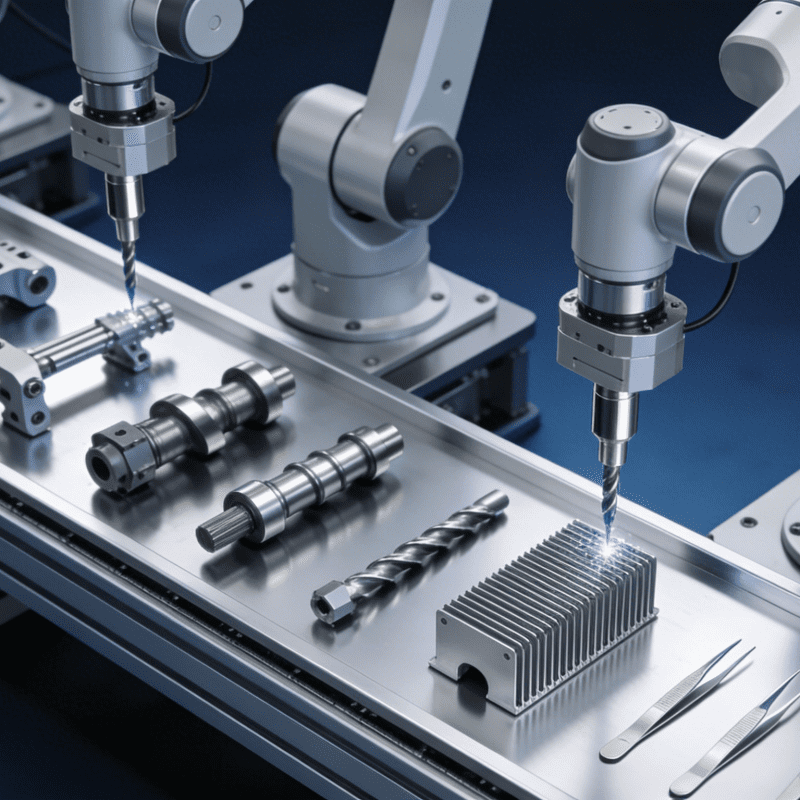
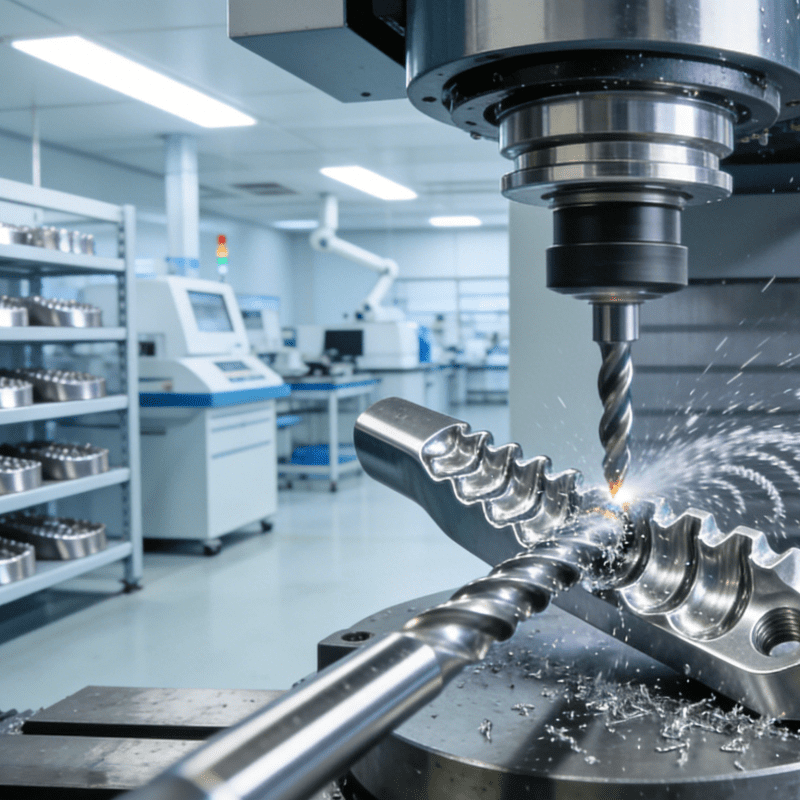
Post-Processing Procedures: After die castings are demolded, they usually undergo post-processing procedures such as deburring, machining, polishing, and surface treatment to meet the design requirements and application standards of the products.
Functions and Advantages of Die Casting
Due to its process characteristics, die casting plays a multi-faceted role in modern manufacturing:
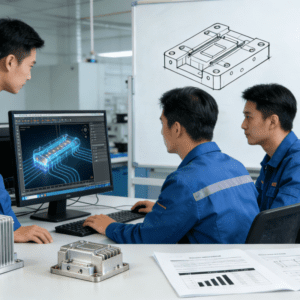
High-Precision Forming of Complex Structures: Die casting molds can form complex geometric structures in one go, ensuring good dimensional consistency and high surface quality of products while reducing subsequent processing workload.
Improved Production Efficiency, Suitable for Mass Manufacturing: Die casting is a high-speed forming process. Once the mold is finalized, the production cycle is short, the unit cost is low, and it is suitable for large-scale mass production.
Enhanced Product Performance and Stability: Die castings feature high density, good strength, and uniform internal structure, which can meet the reliability requirements of mechanical parts, automotive structural components, and other applications.
Support for Lightweight Design: Light metal materials represented by aluminum alloy and magnesium alloy can be formed through die casting, effectively reducing product weight. This makes die casting suitable for fields such as automotive lightweighting and the thinning of electronic products.
Expanded Cross-Industry Applications: Die casting is widely used in the production of automotive engine casings, motor housings, communication equipment structural components, lamp housings, home appliance accessories, etc., covering both industrial and consumer sectors.
Application Trends of Die Casting
With the manufacturing industry moving towards automation, intelligence, and green development, die casting is also showing new technological trends:
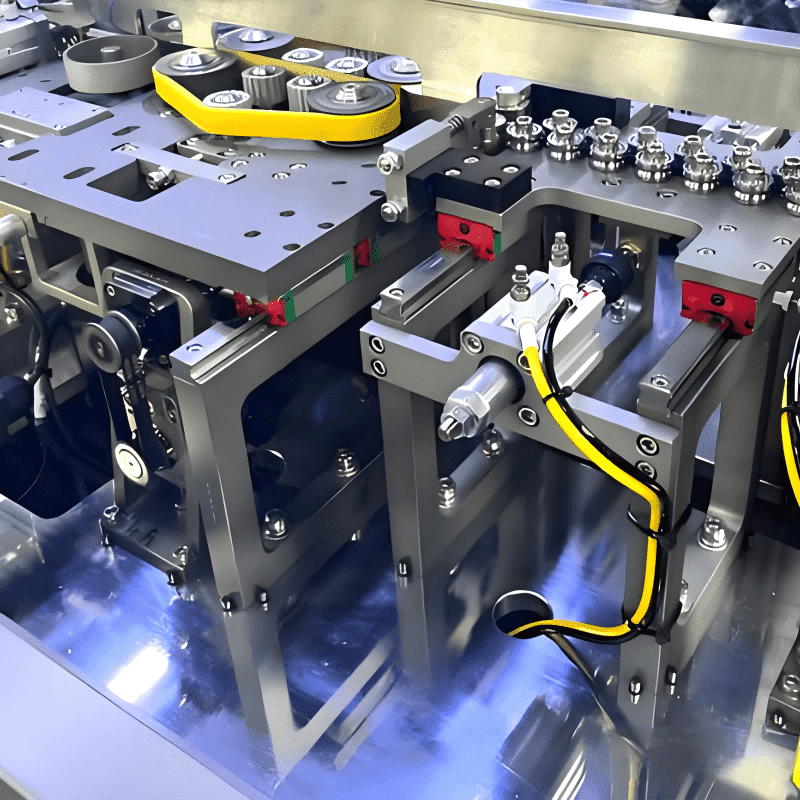
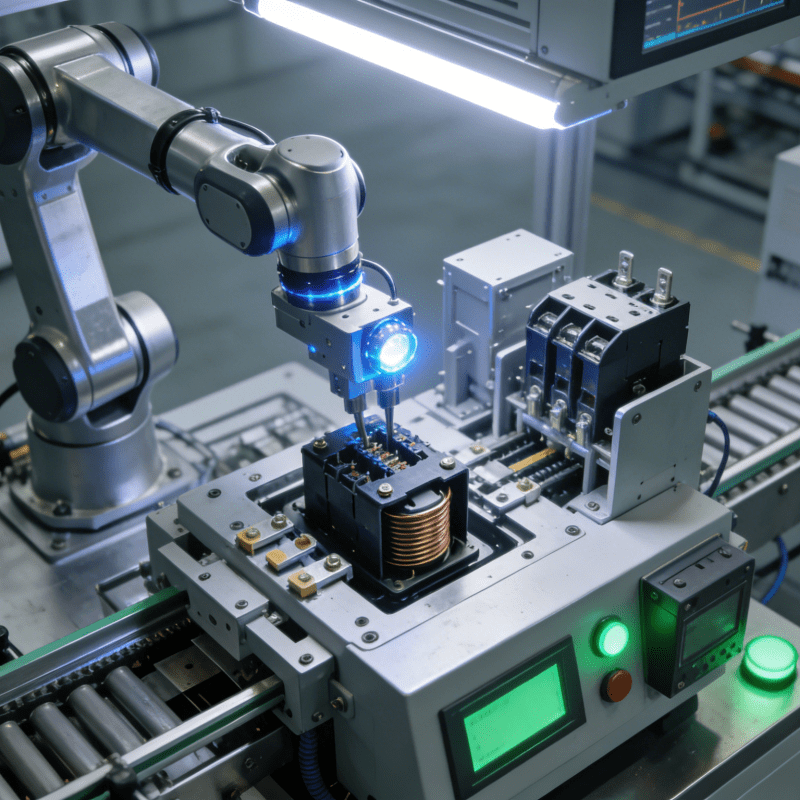
Automated Die Casting Production Lines: Integrating technologies such as robotic part retrieval, automatic spraying, and visual inspection to improve consistency and efficiency. Notably, the integration of Автоматическое пружинное оборудование into these automated lines has further optimized the precision assembly process of die-cast components that require spring matching (such as automotive engine brackets and electronic equipment housings), enabling automatic feeding, positioning and assembly of springs, which not only improves the integration efficiency of finished products but also ensures the consistency of assembly accuracy.
Increased Application of Lightweight Materials: The demand for aluminum-magnesium alloy die casting continues to grow, and the lightweighting of structural components has become a key focus of product design.
Precision Die Casting and Thin-Wall Forming Technologies: Meeting the demand for high-precision parts in new energy vehicles, 5G communication equipment, and other emerging fields.
Green Production: Reducing energy consumption, optimizing melting processes, and improving material utilization rates to achieve a more environmentally friendly manufacturing process.