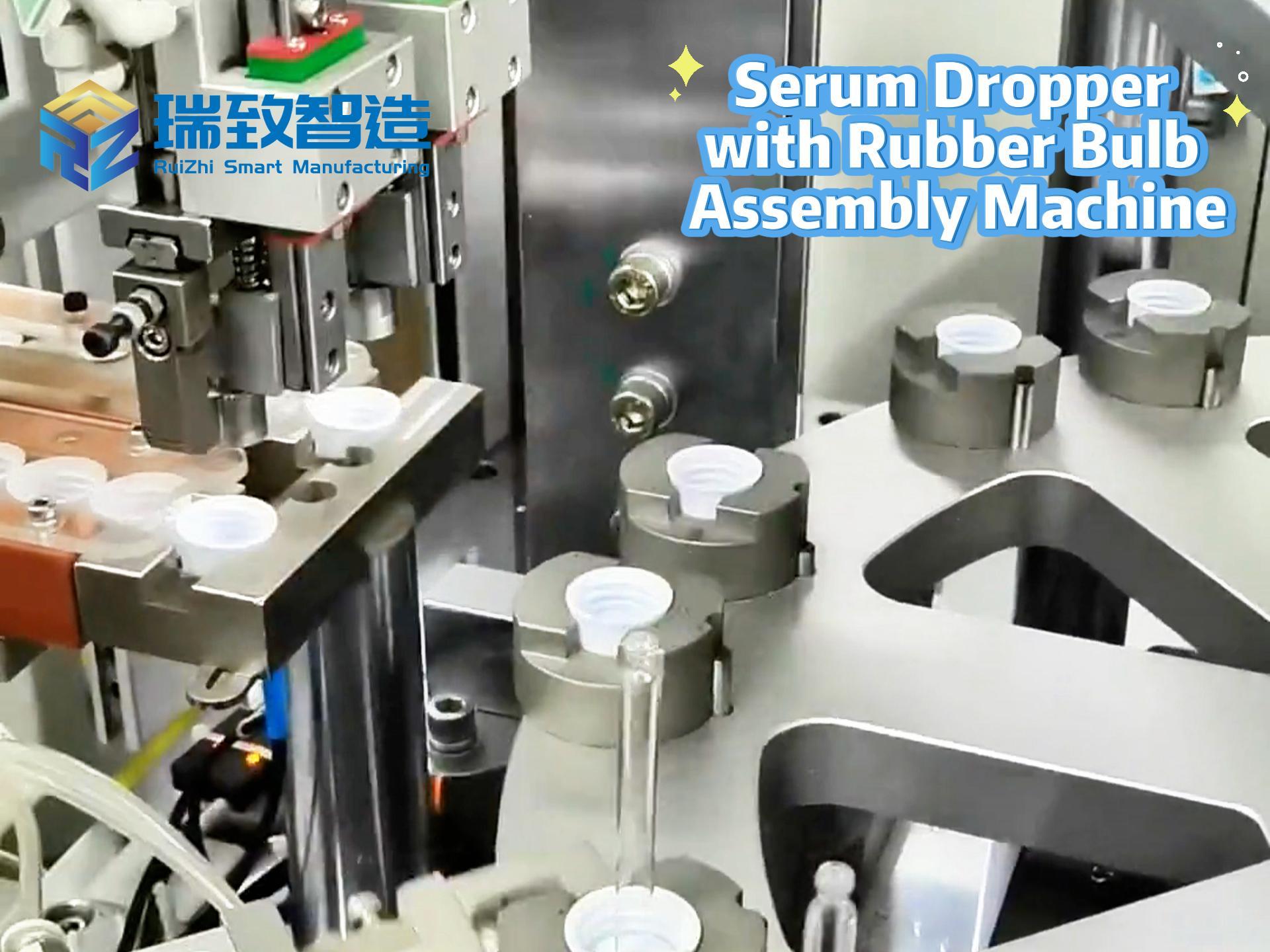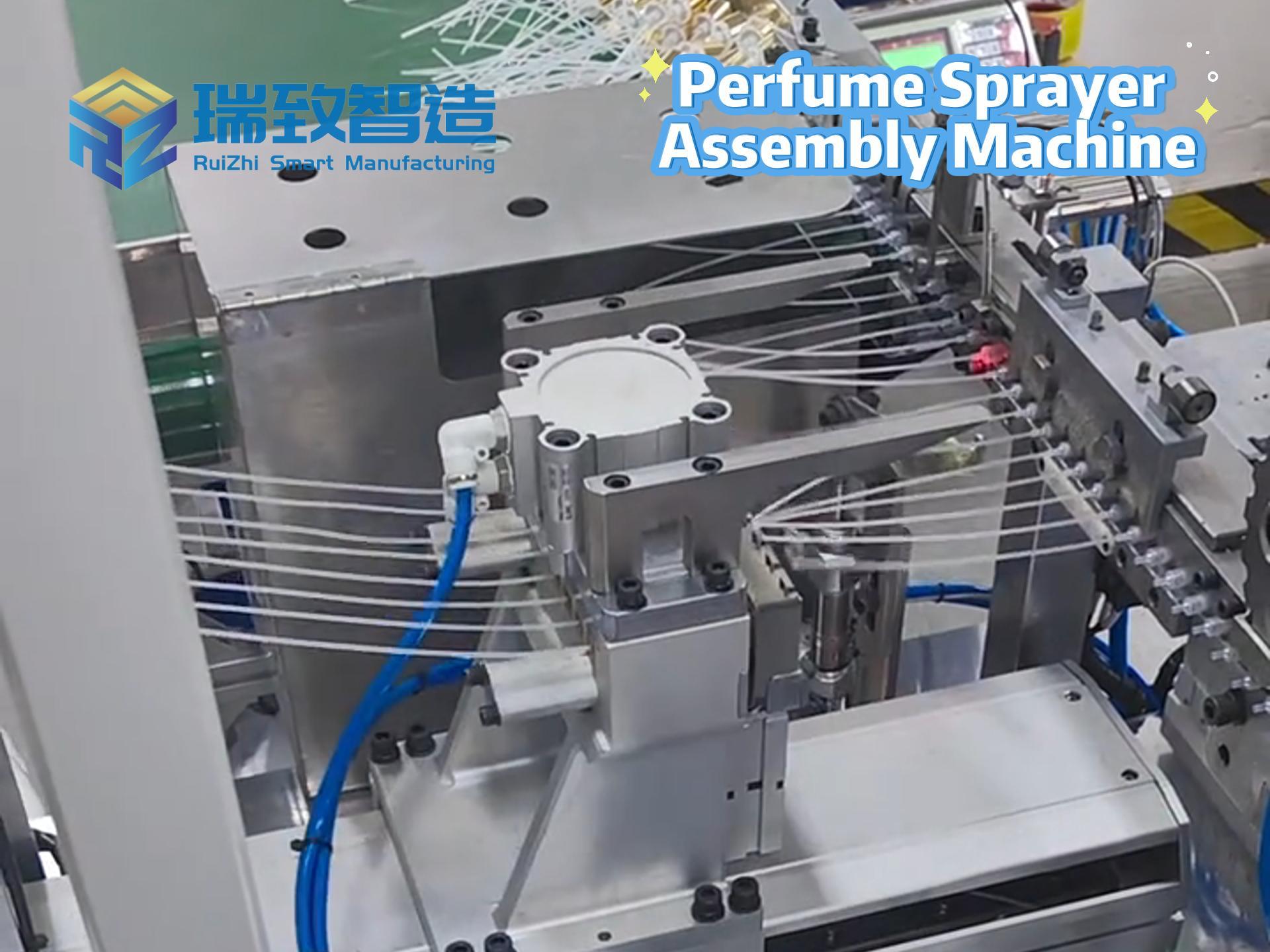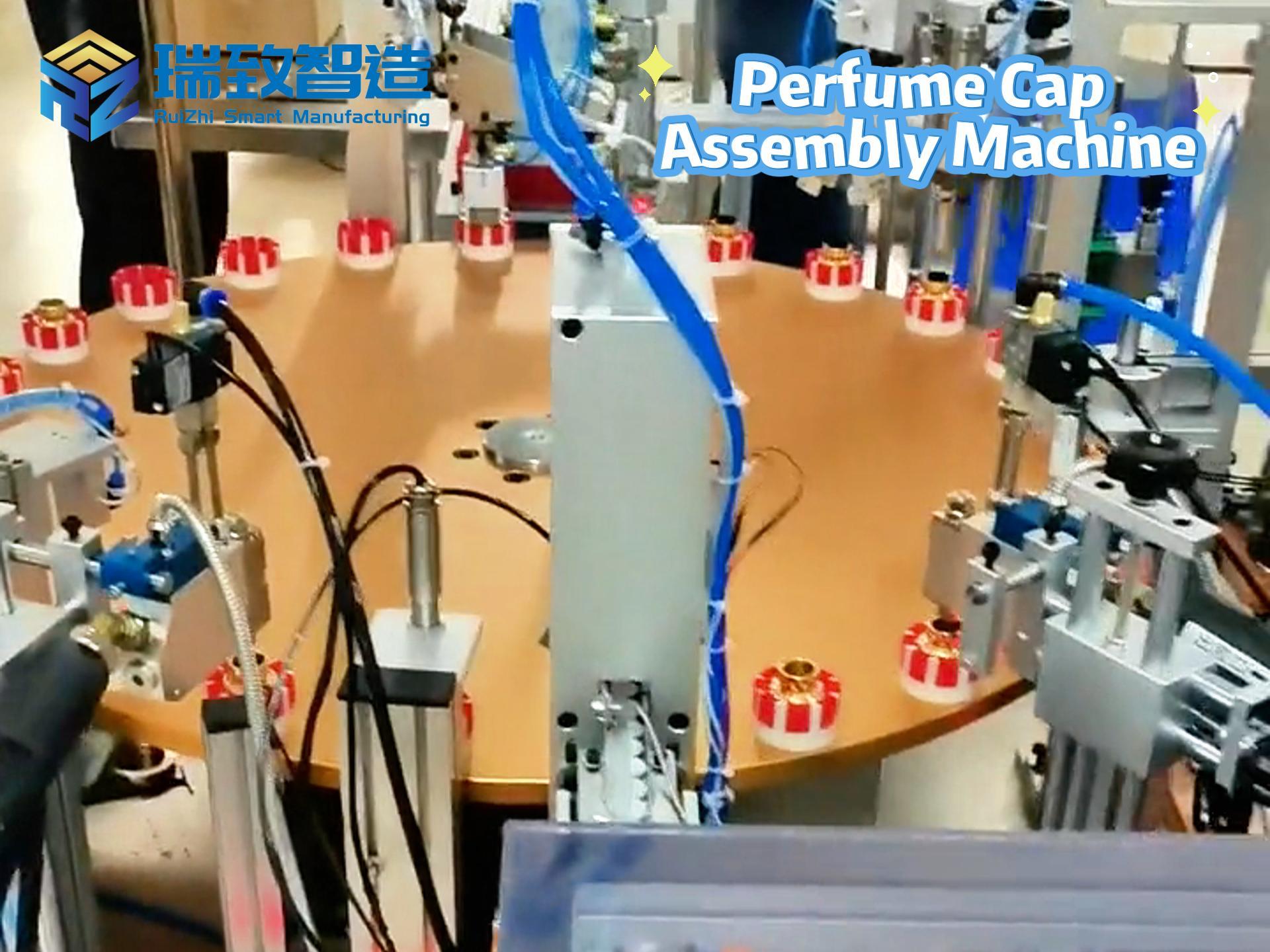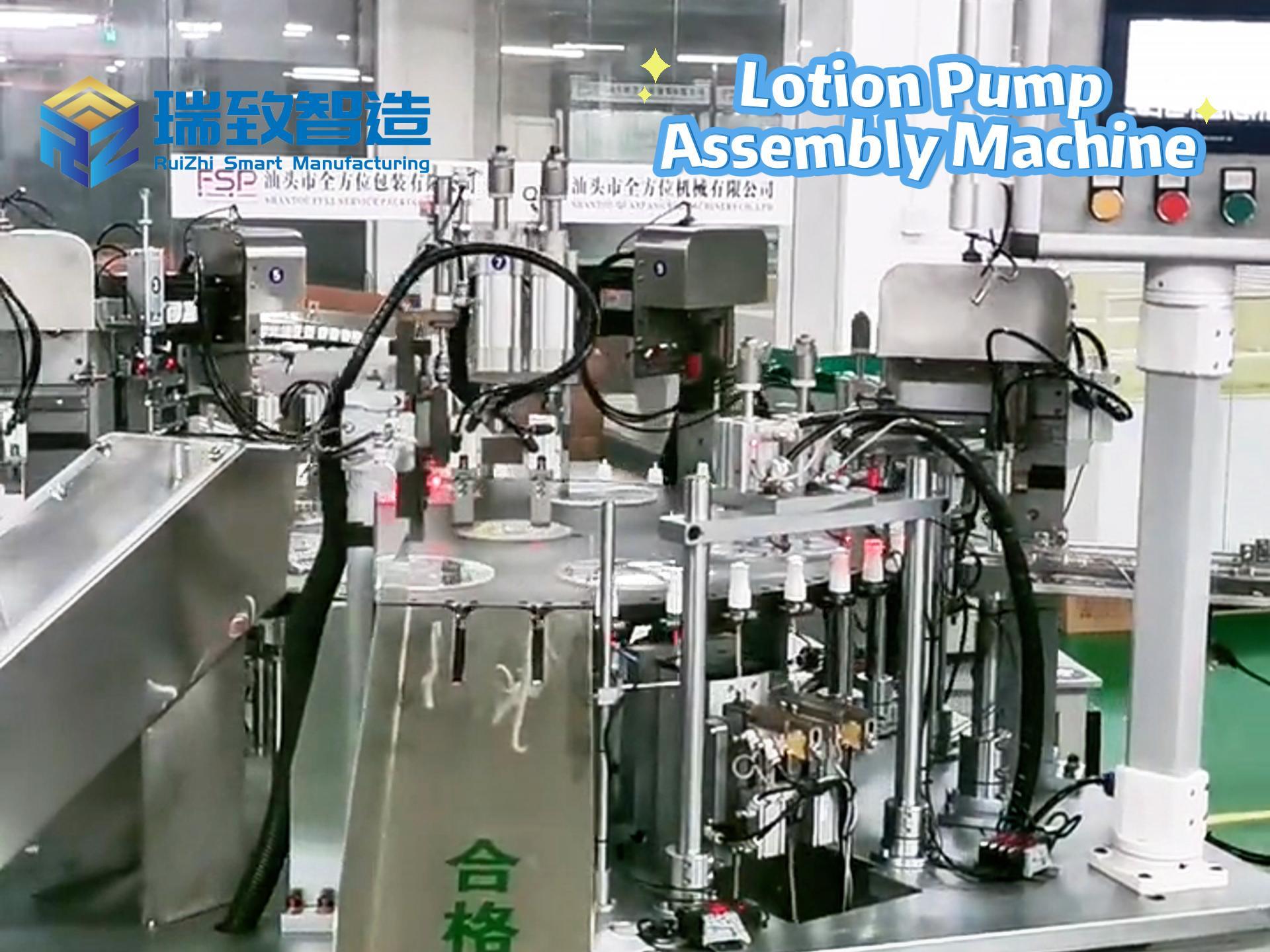
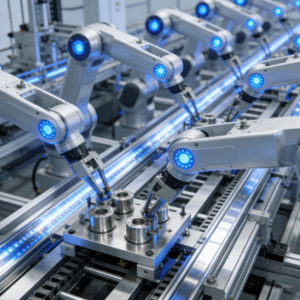
In today’s competitive manufacturing landscape, standard automation equipment often falls short of meeting the unique needs of modern production. Every factory, every product, and every production line has its own specific requirements—whether it’s complex assembly processes, special-shaped parts handling, strict cleanroom standards, or small-batch, multi-spec production. This is where non-standard automation shines: as a tailored solution designed to solve your unique manufacturing pain points, it bridges the gap between off-the-shelf equipment and your specific operational goals, driving efficiency, reducing costs, and enhancing competitiveness.
Non-standard automation, also known as custom automation, refers to automated systems, equipment, and production lines designed and manufactured according to the specific needs, processes, and on-site conditions of a particular enterprise. Unlike standard automation equipment with fixed functions and specifications, non-standard automation is fully customized—from design and R&D to production, installation, and commissioning—ensuring that every link perfectly fits your production scenario. For manufacturers facing complex, unique, or high-demand production challenges, non-standard automation is not just an option, but a necessary investment to stay ahead in the market.
Why Standard Automation Is No Longer Enough for Modern Manufacturing?
Standard automation equipment is designed for mass-produced, standardized products, offering advantages such as mature technology and low initial costs. However, as manufacturing becomes more personalized, complex, and efficient, standard equipment increasingly reveals its limitations, becoming a bottleneck for enterprise development:
- Inability to Adapt to Unique Production Processes
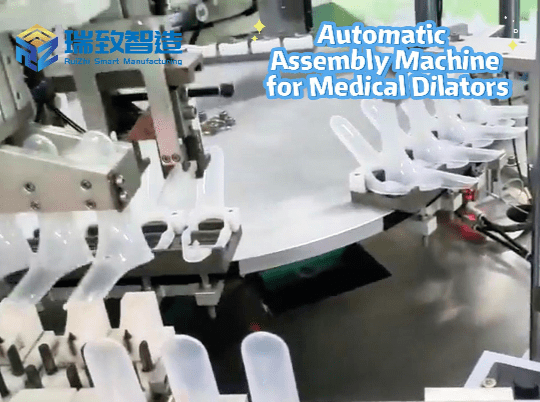
Many industries—such as medical devices, automotive components, electronics, and precision machinery—have unique production processes that standard equipment cannot match. For example, medical device assembly requires strict cleanroom compliance, ultra-high precision, and full process traceability; automotive component manufacturing involves complex multi-step assembly and heavy-load handling. Standard equipment, with its fixed functions, cannot meet these industry-specific, process-specific requirements, leading to low production efficiency and unstable product quality.
- Poor Flexibility for Small-Batch, Multi-Spec Production
With the rise of personalized consumption, more and more manufacturers are shifting to small-batch, multi-spec production. Standard automation equipment is designed for single-product mass production, and changing production specifications requires time-consuming and costly retooling, which is inefficient and uneconomical. This lack of flexibility makes it difficult for enterprises to respond quickly to market changes and customer needs.
- Failure to Solve Enterprise-Specific Pain Points
Every enterprise faces unique pain points: some struggle with high labor costs due to repetitive, high-intensity work; some suffer from high scrap rates due to manual errors; others have limited workshop space and need compact, space-saving automation solutions. Standard equipment uses a one-size-fits-all approach and cannot target these specific pain points, failing to achieve the desired automation effect.
- Incompatibility with Existing Production Lines
Many enterprises already have mature production lines, and adding standard automation equipment often requires extensive modifications to the existing layout, resulting in high transformation costs and long downtime. Non-standard automation, by contrast, can be designed to seamlessly integrate with your existing equipment, minimizing disruption and maximizing the value of your existing investment.
The Core Advantages of Non-Standard Automation: Tailored to Your Success
Non-standard automation solves the limitations of standard equipment by focusing on customization, flexibility, and practicality, bringing tangible value to enterprises of all sizes and industries. Its core advantages are reflected in every link of the production process:
- Fully Customized Design to Fit Your Exact Needs
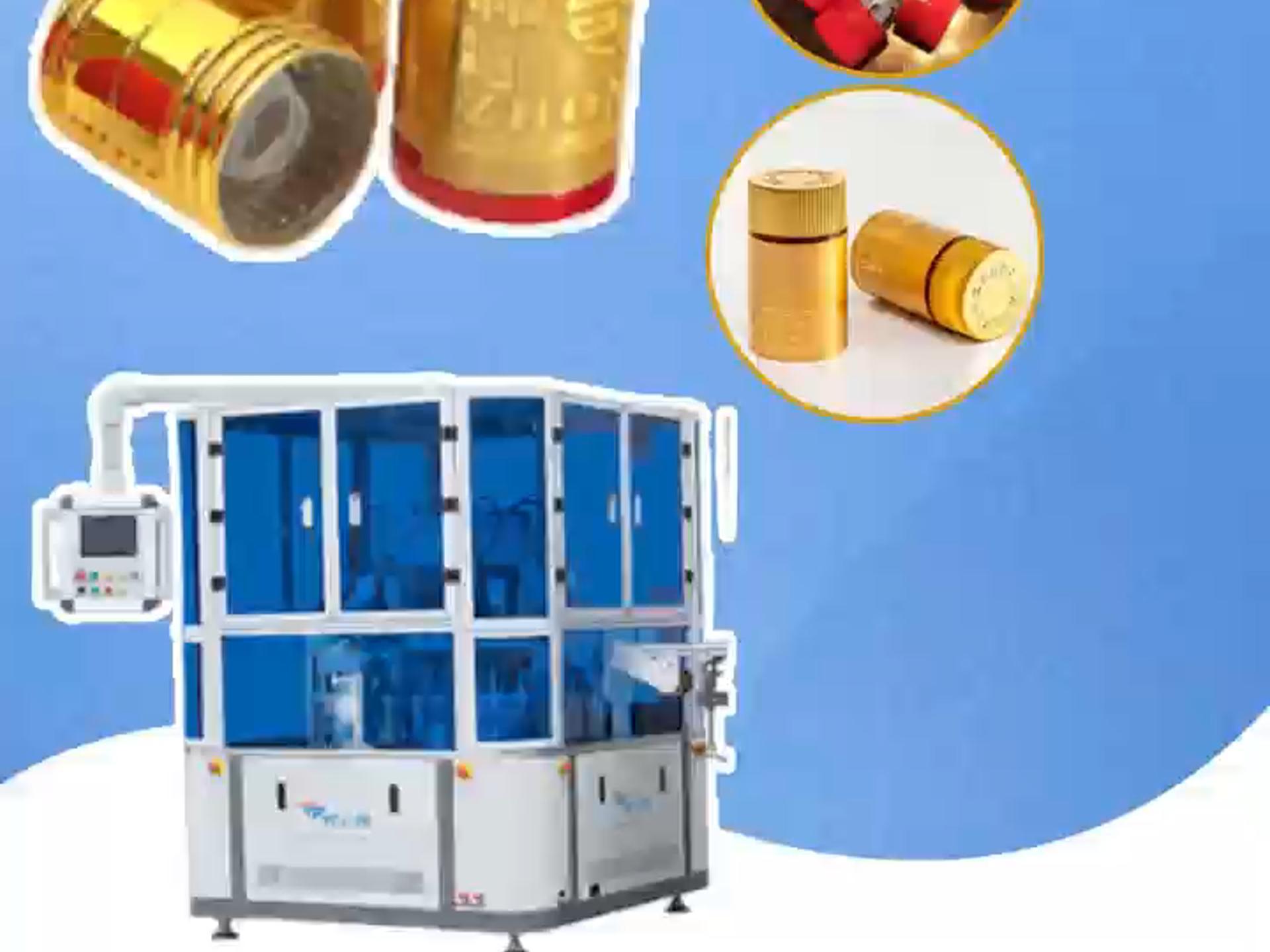
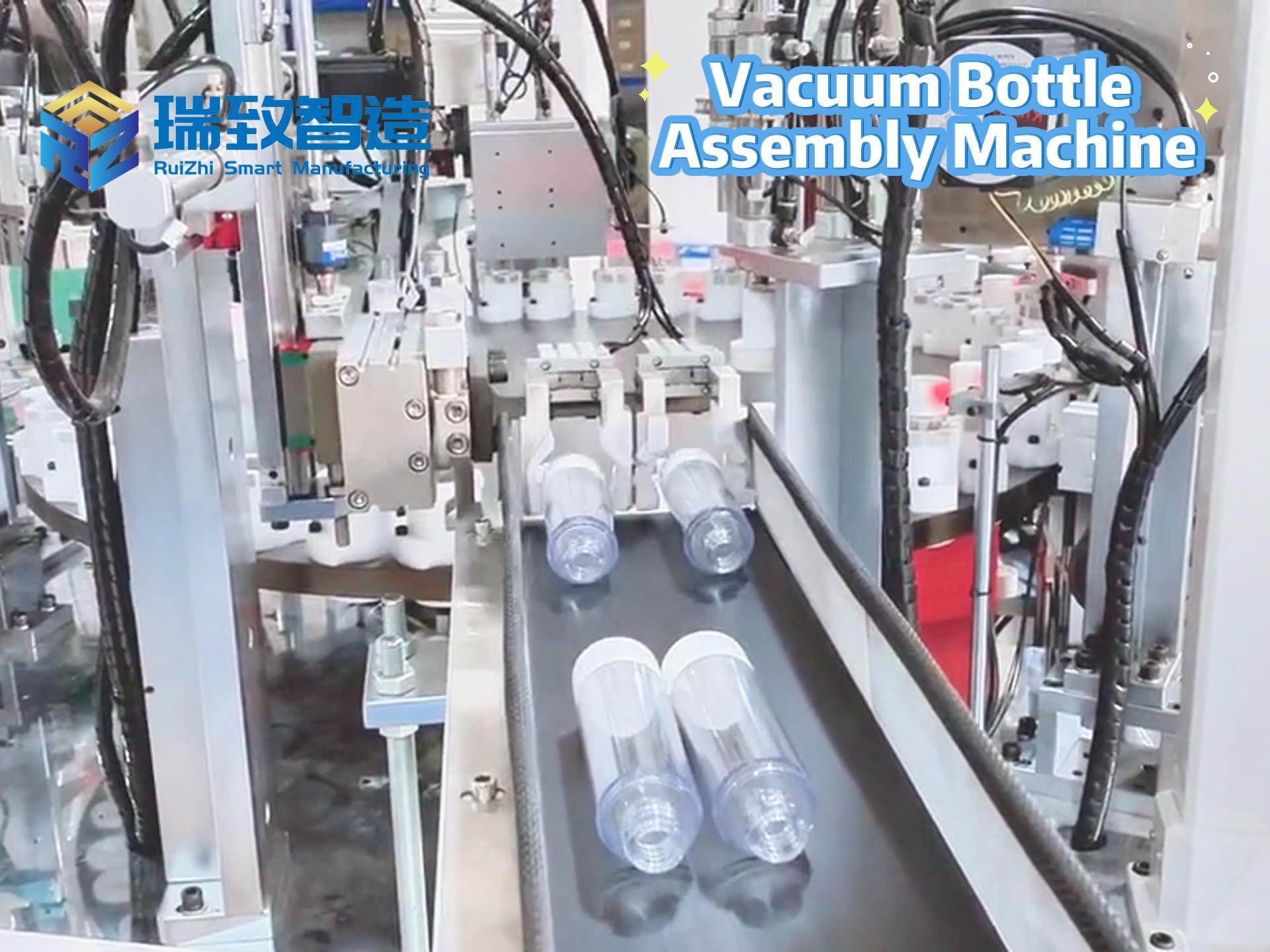
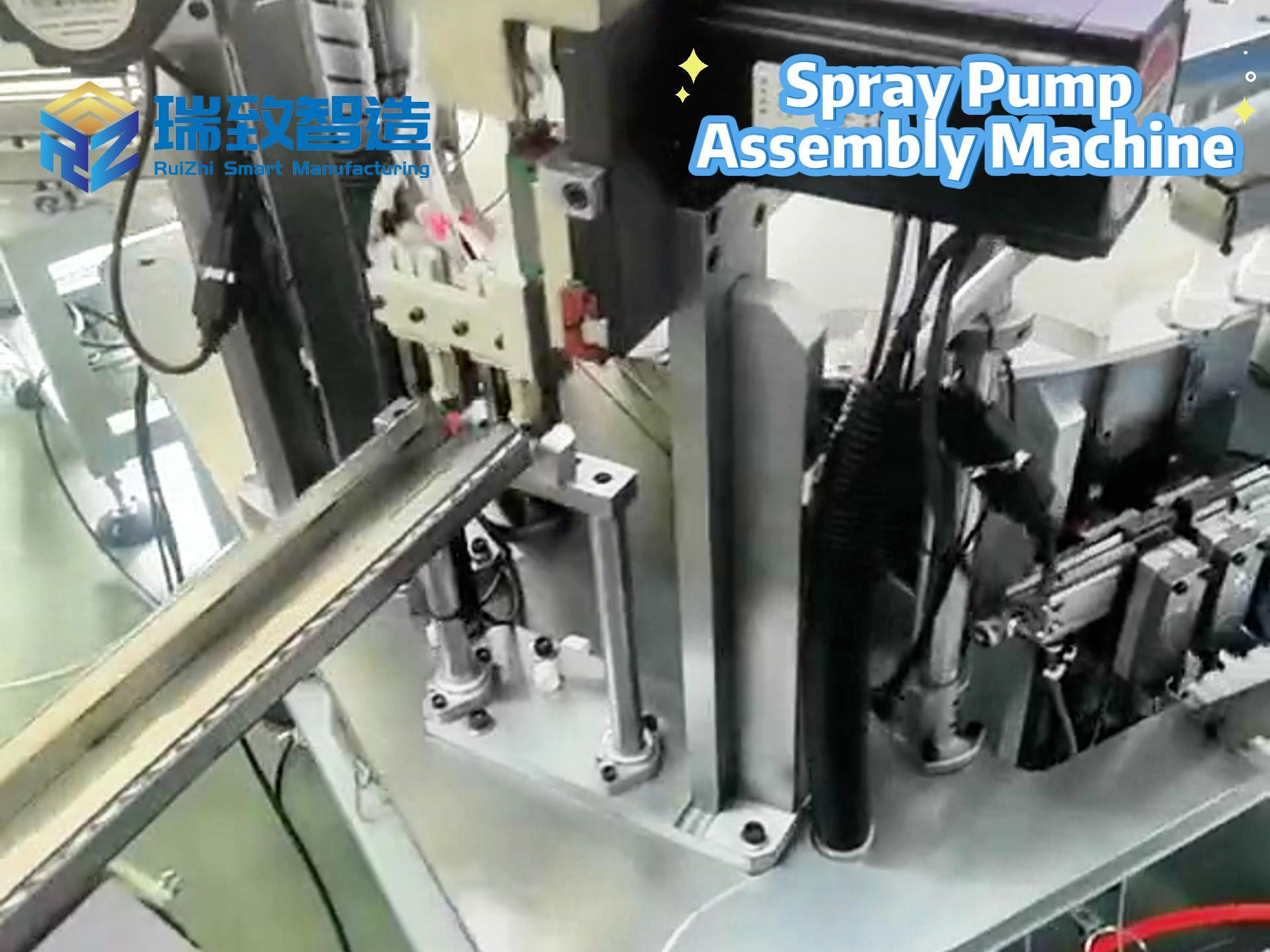
The biggest advantage of non-standard automation is its customization. Our team of professional engineers will conduct in-depth communication with you, understand your production processes, product specifications, workshop space, and quality requirements, and design a fully customized automation solution. Whether it’s a single custom machine (such as a precision assembly machine, custom dispensing system, or robot integration unit) or an entire automated production line, we ensure that every component, every process, and every function is tailored to your needs—no unnecessary functions, no mismatched specifications, just efficient, targeted solutions.
- High Flexibility to Adapt to Changing Production Needs
Non-standard automation solutions are designed with flexibility in mind. Modular design allows for quick adjustments when production specifications change—whether it’s replacing a fixture, adjusting a program, or adding a new functional unit—without major modifications to the entire system. This flexibility enables you to easily switch between different products, adapt to small-batch, multi-spec production, and respond quickly to market changes, enhancing your enterprise’s market competitiveness.
- Improve Production Efficiency and Reduce Costs
Non-standard automation targets your specific pain points to optimize production processes: replacing manual labor with automated equipment reduces labor costs by 50% or more, eliminates manual errors to reduce scrap rates, and enables 24/7 continuous production to significantly increase throughput. For example, a medical device manufacturer we cooperated with achieved a 60% increase in production efficiency and a 30% reduction in scrap rates after adopting our custom non-standard assembly line, recouping the investment in just 8 months.
- Ensure Product Quality Consistency
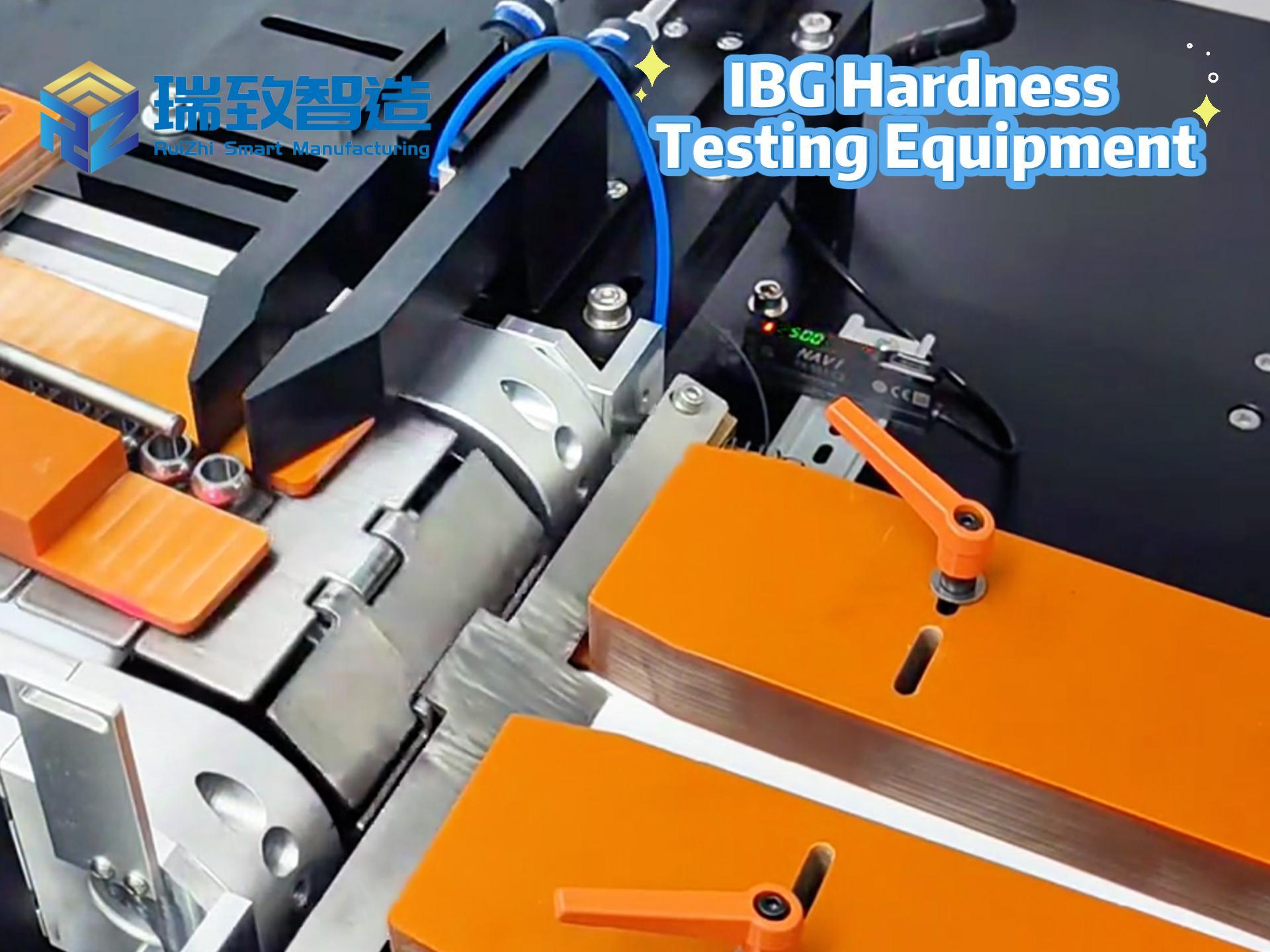
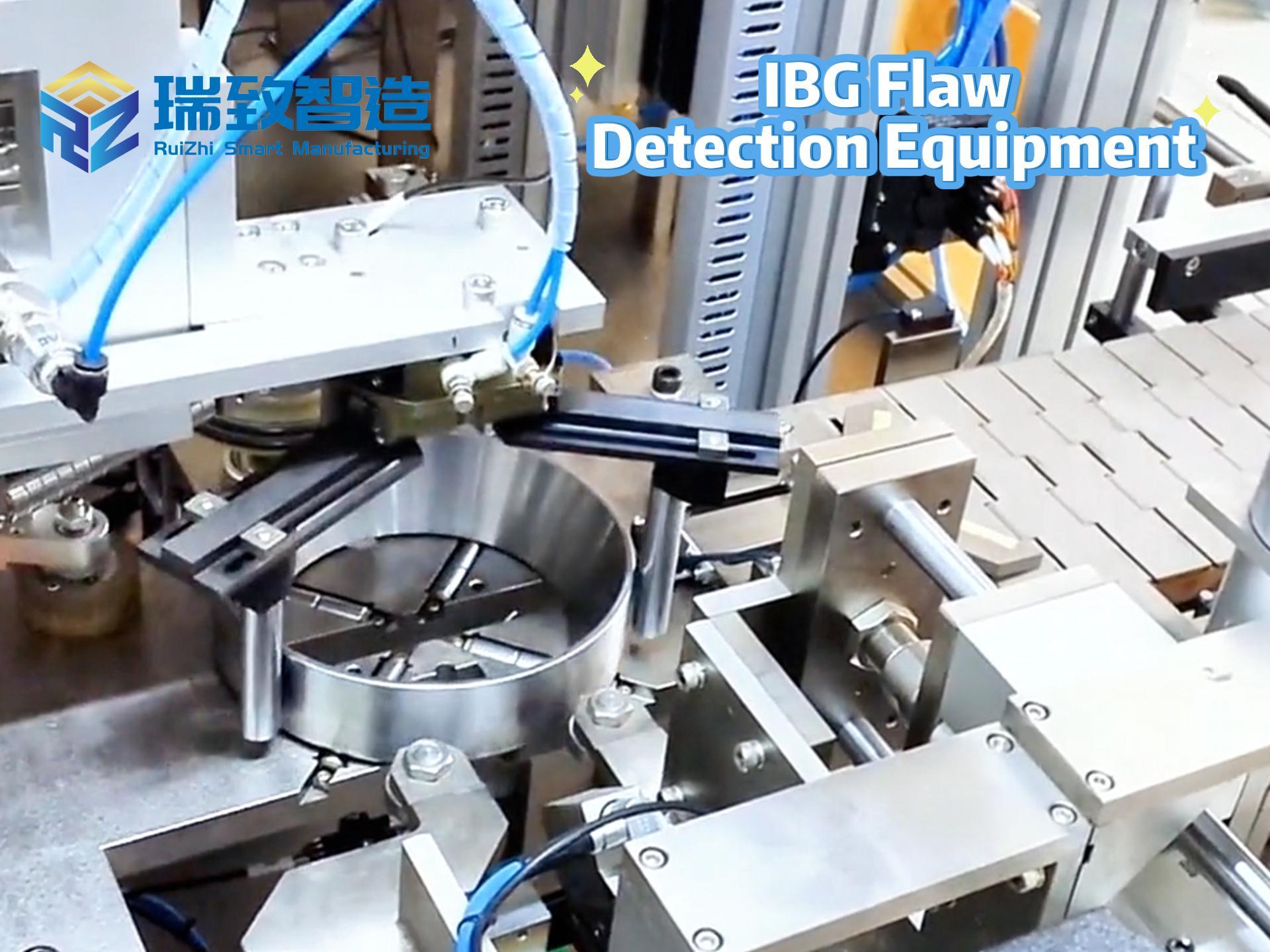
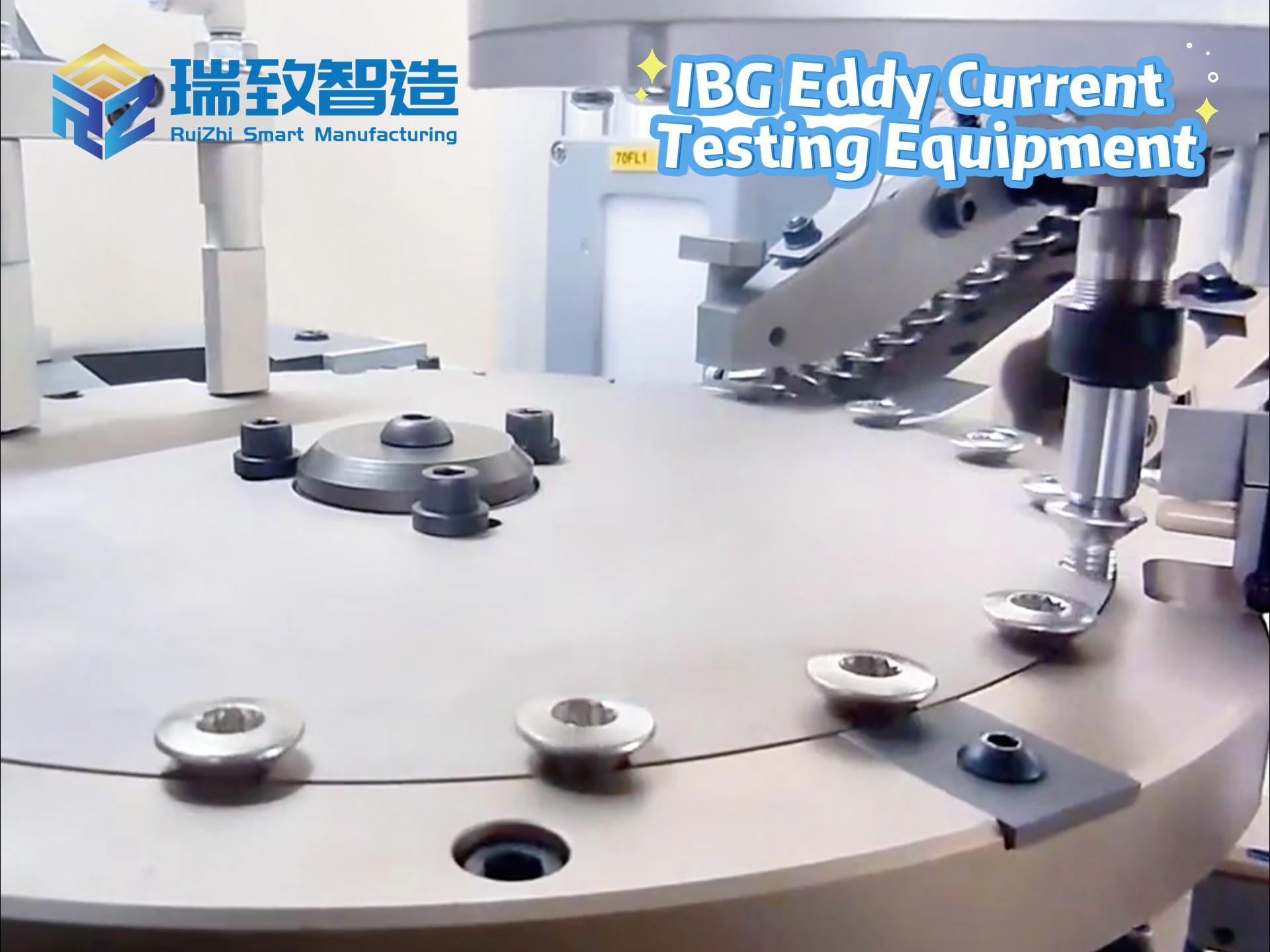
In industries such as medical devices, automotive, and electronics, product quality consistency is critical. Non-standard automation equipment uses high-precision components, advanced control systems, and real-time monitoring technology to ensure that every product meets the same quality standards—eliminating the variability caused by manual operation. Our custom solutions can achieve ultra-high precision (up to ±0.01mm) and full process traceability, helping you meet strict industry standards such as ISO 13485, FDA, and automotive industry requirements.
- Seamless Integration with Existing Equipment
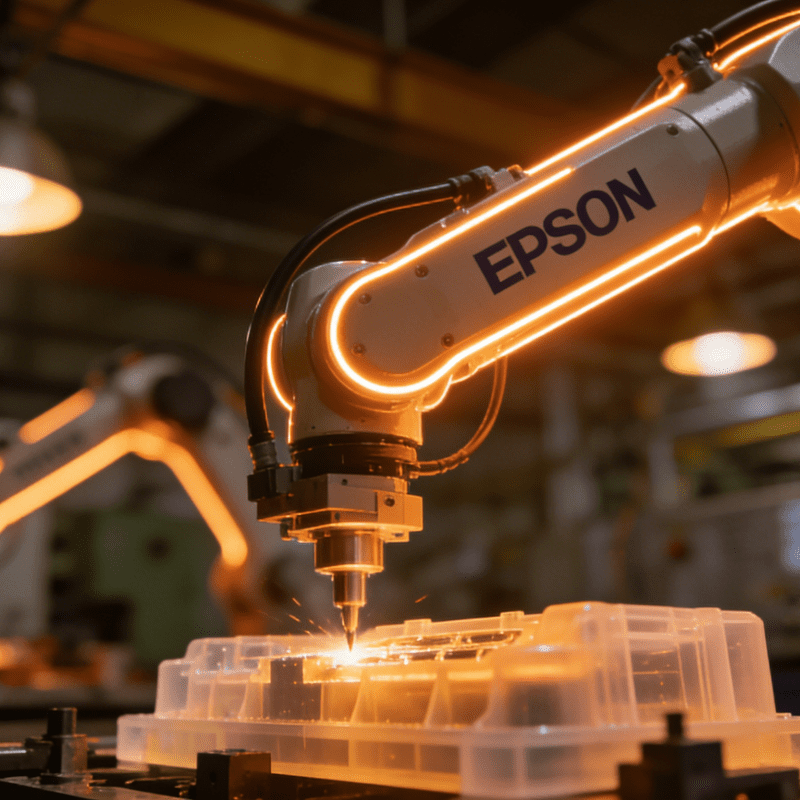
We understand that your existing production lines are valuable assets. Our non-standard automation solutions are designed to seamlessly integrate with your existing equipment, whether it’s injection molding machines, CNC machines, robots (such as Epson robot arms), or conveyor systems. This not only reduces the cost of equipment replacement but also minimizes production downtime during installation and commissioning, ensuring a smooth transition to automation.
Key Application Scenarios of Non-Standard Automation
Non-standard automation has a wide range of applications, covering almost all manufacturing industries. Here are the most common application scenarios where our custom solutions have delivered outstanding results:
- Medical Device Manufacturing
From precision assembly of syringes, catheters, and medical connectors to cleanroom-compatible packaging and inspection systems, non-standard automation meets the strict requirements of the medical industry—cleanliness, precision, traceability, and compliance. Our custom solutions ensure that every medical device meets ISO 13485 and FDA standards, reducing the risk of contamination and ensuring product safety.
- Automotive Component Production
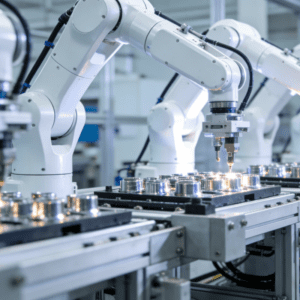
Automotive components require complex assembly, heavy-load handling, and high precision. Non-standard automation solutions—such as custom robot integration (Epson SCARA/6-axis robots), automated welding lines, and parts inspection systems—improve production efficiency and quality, while reducing labor costs. We have designed custom non-standard lines for automotive component manufacturers to handle tasks such as gear assembly, connector insertion, and surface inspection.
- Electronics Manufacturing
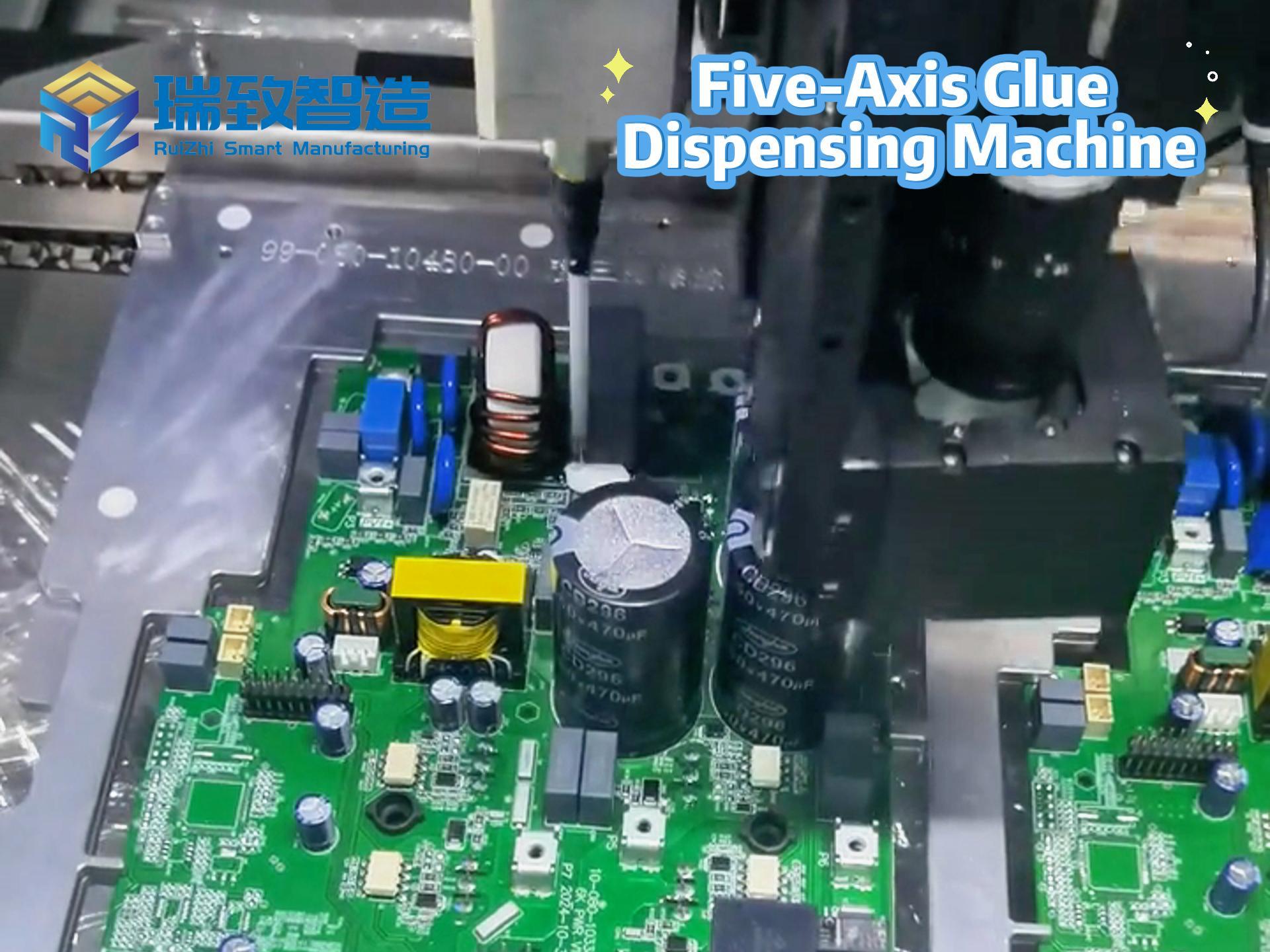
Electronics products are small, precise, and require high-speed assembly. Non-standard automation solutions such as custom pick-and-place systems, precision dispensing machines, and PCB assembly lines meet the needs of high-speed, high-precision production. Our solutions are widely used in the production of electronic components, consumer electronics, and semiconductor devices.
- Injection Molding Automation
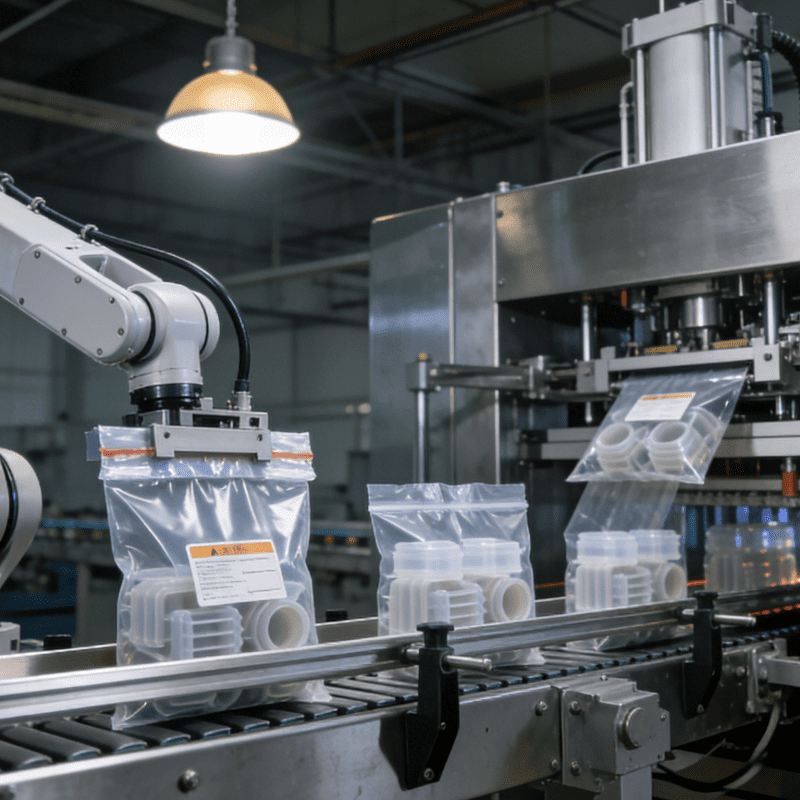
Injection molding production involves part picking and placing, trimming, deburring, inspection, and packaging—tasks that are ideal for non-standard automation. We design custom solutions integrated with Epson robot arms to automate these processes, reducing manual labor, improving efficiency, and ensuring consistent product quality.
- Small-Batch, Multi-Spec Production
For enterprises engaged in small-batch, multi-spec production (such as custom parts manufacturing, prototype production), non-standard automation provides flexible, cost-effective solutions. Modular design allows for quick product switching, eliminating the need for costly retooling and improving production efficiency.
Partner with Us for Your Custom Non-Standard Automation Solution
As a professional non-standard automation integrator with years of experience, we are committed to providing tailored automation solutions for manufacturers worldwide. We have a team of experienced engineers specializing in mechanical design, electrical control, robot integration, and software development, with in-depth expertise in industries such as medical devices, automotive, electronics, and injection molding.
Our service process is simple and efficient: first, we conduct in-depth communication with you to understand your production needs and pain points; second, we design a detailed custom solution, including 3D drawings, technical specifications, and cost estimates; third, we manufacture, install, and commission the equipment, providing full technical training; finally, we offer long-term after-sales support to ensure the stable operation of your automation system.
We believe that non-standard automation is not just about equipment—it’s about solving your problems, optimizing your processes, and helping you achieve sustainable development. Whether you need a single custom machine or an entire automated production line, we have the expertise and experience to deliver a solution that exceeds your expectations.
Contact us today to discuss your non-standard automation needs. Let us work together to design a tailored solution that transforms your manufacturing efficiency, reduces costs, and takes your business to the next level.