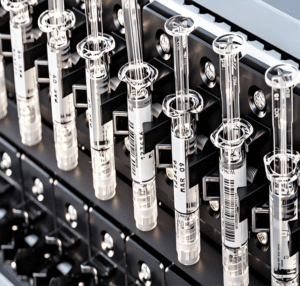
9,000–14,400 PCS/hour, 99.7%+ assembly yield, and 60‑80% labor reduction — redefining prefillable and disposable syringe production.
The global injectable drug delivery market is expanding rapidly, driven by biologics, vaccines, and self‑injection devices. According to industry estimates, over 15 billion syringes are used annually worldwide, with demand for prefillable syringes growing at a CAGR of 8‑10%. Yet, syringe manufacturers face mounting pressure: ISO 13485, FDA QMSR (effective 2026), and EU MDR require end‑to‑end traceability and near‑zero defect rates. Traditional manual or semi‑automatic assembly lines struggle to maintain consistency across barrels, plungers, gaskets, and needles — especially at high volumes.
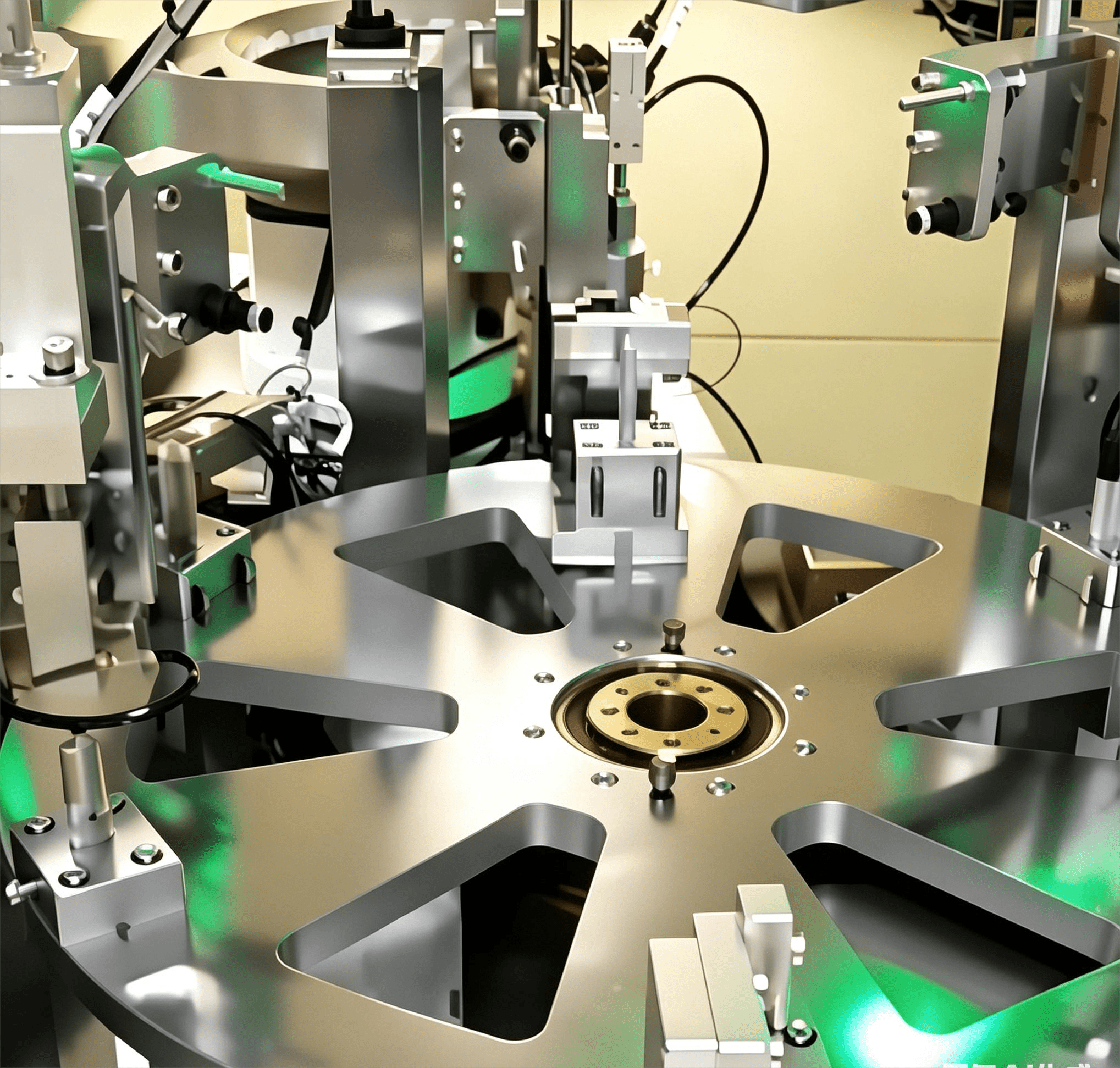
The Syringe Automatic Assembly Equipment delivers a proven solution. Designed for fully automated assembly of syringes from 0.5 mL to 60 mL, this system integrates servo‑driven actuators, CCD vision inspection, and AI‑powered defect detection. It achieves ±0.05 mm positioning accuracy, a 99.7%+ assembly yield, and an online pass rate >99.8%. Daily output reaches 9,000–14,400 PCS per hour, while cutting direct labor by 60‑80% and reducing material waste by 18‑25%. Investment is typically recovered within 1.5–2.5 years.
Ultra‑High Precision & CCD Vision: ±0.05 mm for Critical Drug Delivery
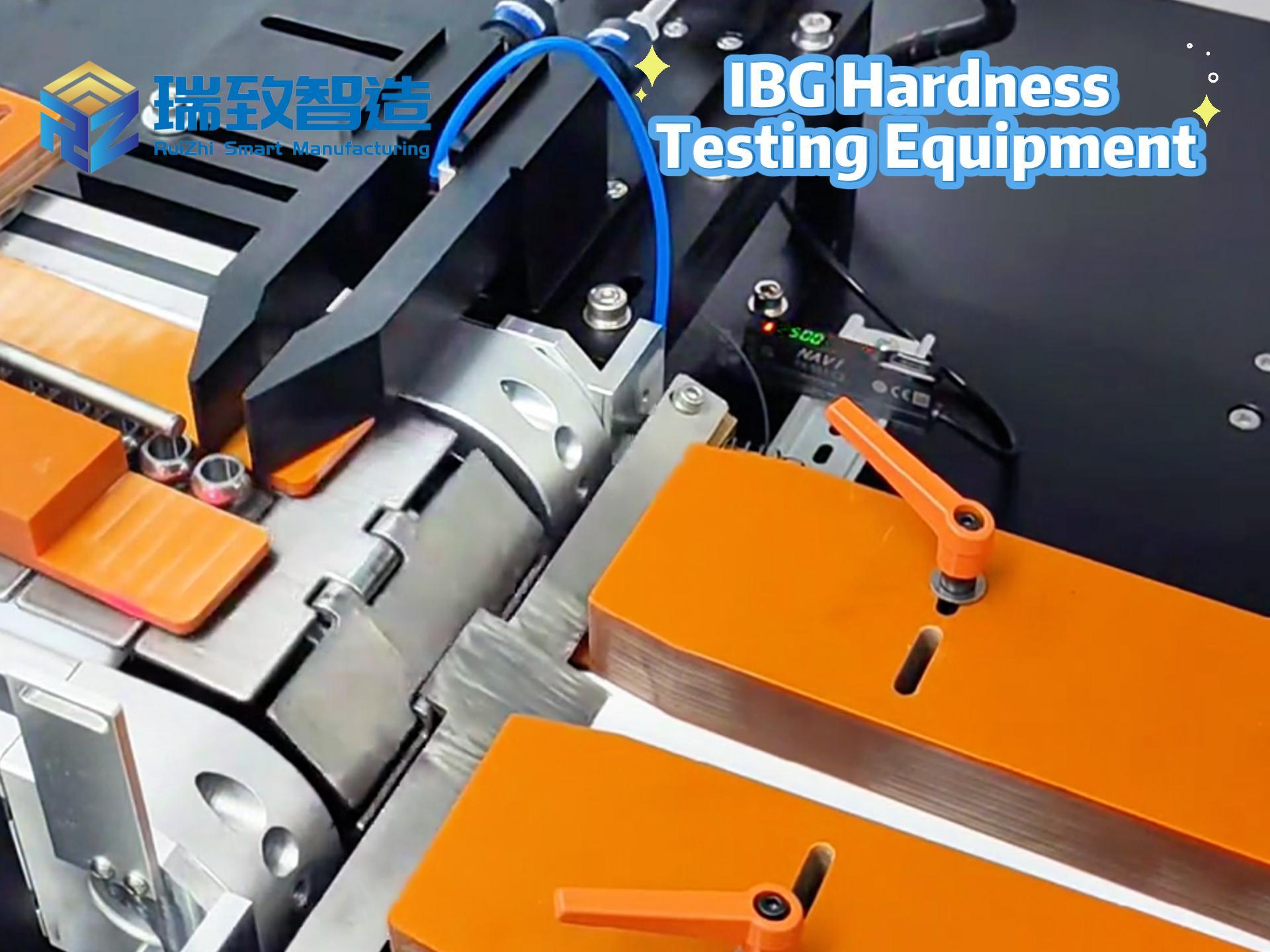
Syringe performance depends on flawless alignment of the barrel, plunger, gasket (stopper), and needle. Any deviation can cause leakage, breakage, or inaccurate dosing. This equipment employs high‑response servo‑driven actuators with ±0.05 mm positioning accuracy — essential for prefillable syringes used in biologics and vaccines. A multi‑station CCD visual inspection system verifies component presence, orientation, dimensions, and surface defects in real time. Parts that fail inspection are automatically rejected before assembly proceeds, ensuring only compliant components enter the next stage.
AI‑Powered Defect Detection: >99.8% Pass Rate
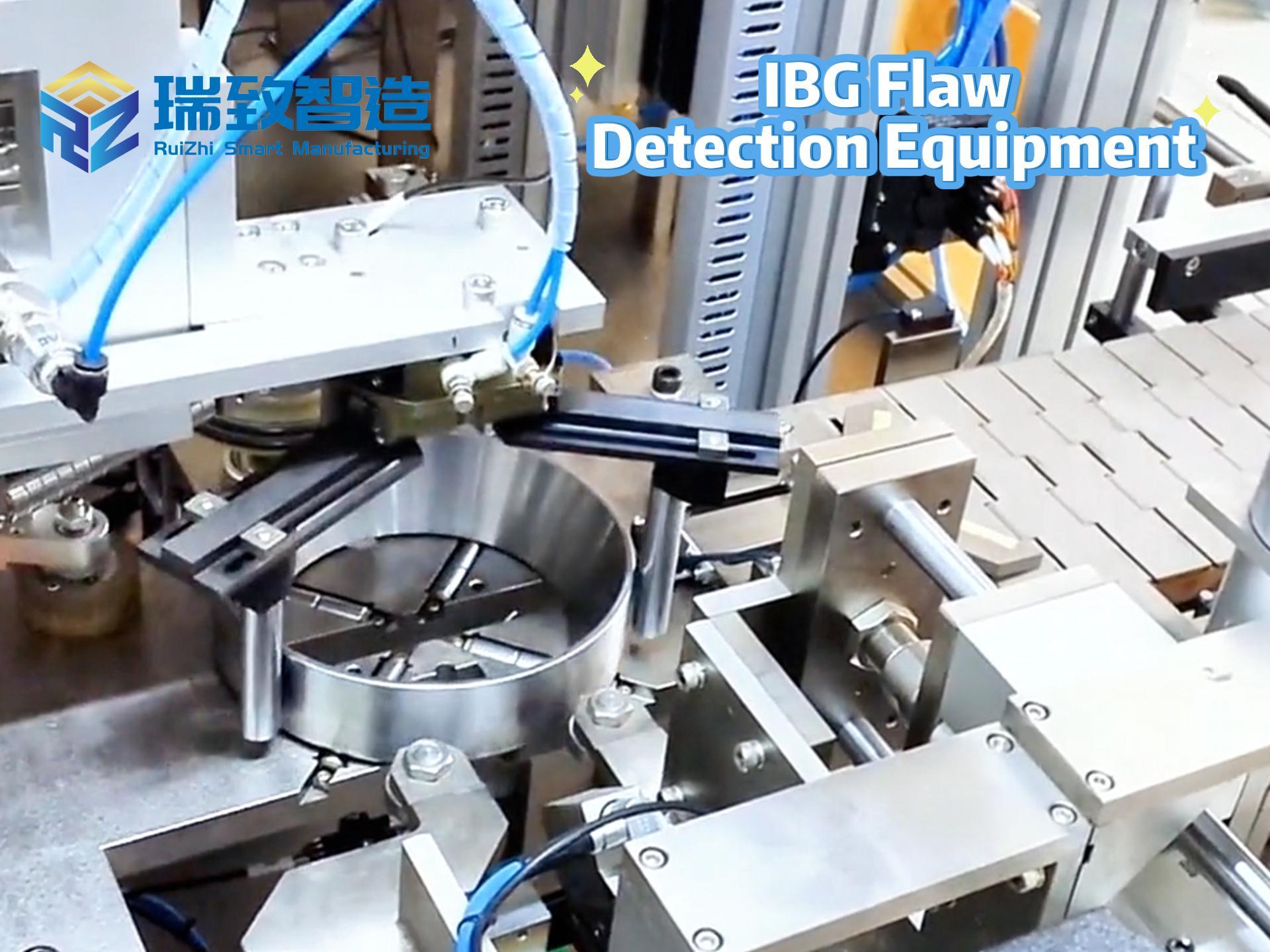
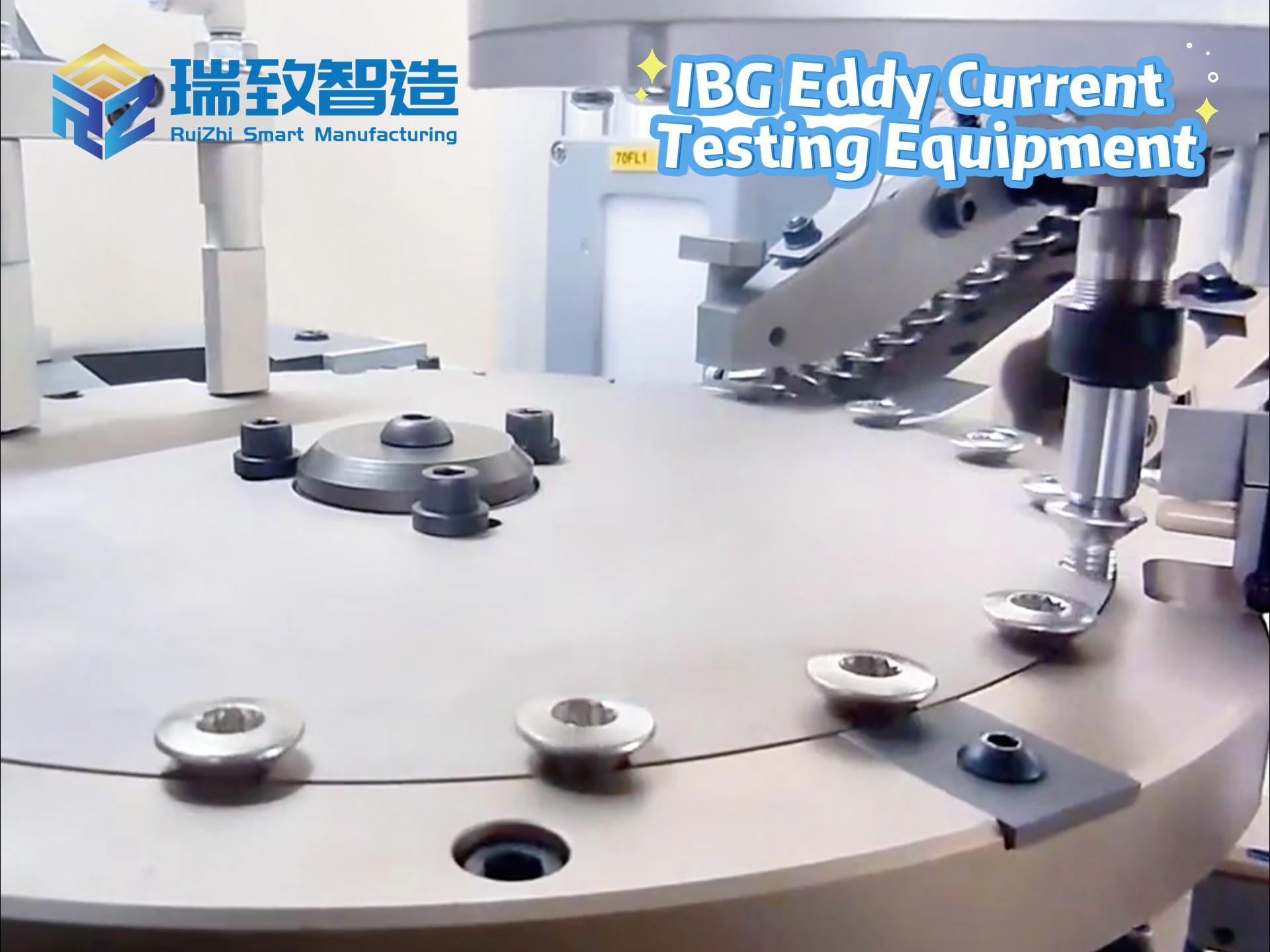
Unlike traditional rule‑based vision systems, the AI detection module continuously learns from production data. It identifies subtle defects — micro‑cracks on glass barrels, flash on gaskets, needle burrs, or plunger insertion anomalies — with a sensitivity that surpasses human inspection. Combined with inline force monitoring and leak tests, the system delivers a final >99.8% pass rate, dramatically reducing end‑of‑line rejects and customer complaints. For manufacturers facing FDA QMSR requirements for risk‑based process control, AI‑driven inline inspection is no longer optional — it is a compliance imperative.
Quantifiable ROI: 60‑80% Labor Reduction, 1.5–2.5 Year Payback
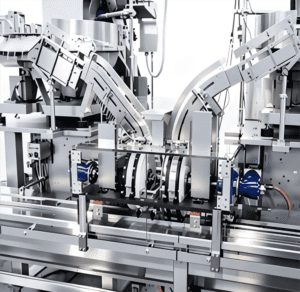
Labor remains one of the largest costs in syringe production. This automated line replaces 8‑12 manual operators with just 2‑3 technicians, reducing labor by 60‑80%. Output jumps from typical manual lines (2,000–3,000 PCS/hour) to 9,000–14,400 PCS/hour — a 3‑5x productivity gain. Material waste is cut by 18‑25% through precise handling and real‑time rejection. Based on these savings, most customers recover their investment within 18 to 30 months, followed by years of lower unit cost and higher margin.
Multi‑Spec Rapid Tooling: 0.5 mL to 60 mL in Minutes
Syringe sizes vary widely — from 0.5 mL insulin syringes to 60 mL irrigation syringes. The equipment features multi‑spec rapid tooling that allows changeovers between different volumes and formats in under 30 minutes. Interchangeable feeders, nests, and inspection modules enable seamless switching without recalibration. This modularity is ideal for high‑mix, high‑volume contract manufacturers and pharma companies producing multiple syringe families.
Smart Integration for Industry 4.0 Production Control
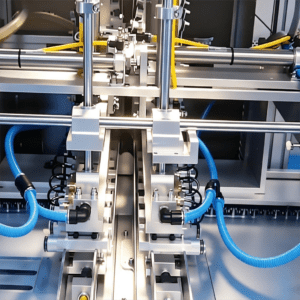
In the era of smart medical device manufacturing, isolated machines create data silos. This syringe assembly equipment is designed for easy integration with MES (Manufacturing Execution Systems) and SCADA. Real‑time production data — cycle time, yield, reject reasons, vision inspection images, and sensor logs — can be uploaded to central dashboards. This enables predictive maintenance, full lot traceability, and audit‑ready reports compliant with FDA 21 CFR Part 11 and EUDAMED. With seamless smart system integration, production managers gain instant visibility and control over every assembled syringe.
Conclusion: Future‑Proof Your Syringe Production
As injectable therapies grow and regulators demand higher quality evidence, manual and semi‑automated syringe lines will become obsolete. The Syringe Automatic Assembly Equipment combines ±0.05 mm precision, CCD + AI inspection, 9,000–14,400 PCS/hour throughput, 60‑80% labor savings, and 1.5–2.5 year payback — all while supporting rapid changeovers and smart integration. For medical device and pharmaceutical companies aiming to lead in prefillable syringe manufacturing and disposable injection devices, this is a strategic investment in reliability, compliance, and competitiveness.
Contact Me
Interested in learning how our catheter assembly machine can boost your production efficiency, ensure regulatory compliance, and accelerate your ROI?
📧 Email: 644349350@qq.com
🌐 Website:https://www.rzautoassembly.com
📞 Phone: +86 15860091967
Get a free consultation or request a demo today — our engineering team is ready to discuss your specific catheter manufacturing needs.
Trending Topics
#1 Prefillable Syringe Assembly Automation
#2 AI Vision Inspection for Injectable Devices
#3 High‑Speed CCD Inspection in Medical Manufacturing
#4 FDA QMSR 2026 & Syringe Traceability
#5 Rapid Tooling for Multi‑Spec Syringe Production