ネブライザー組立機
ネブライザー組立機
生物指標組立機
Syringe Automatic Assembly Equipment: Sub‑0.05mm Precision Meets AI Vision for High‑Speed Sterile Manufacturing
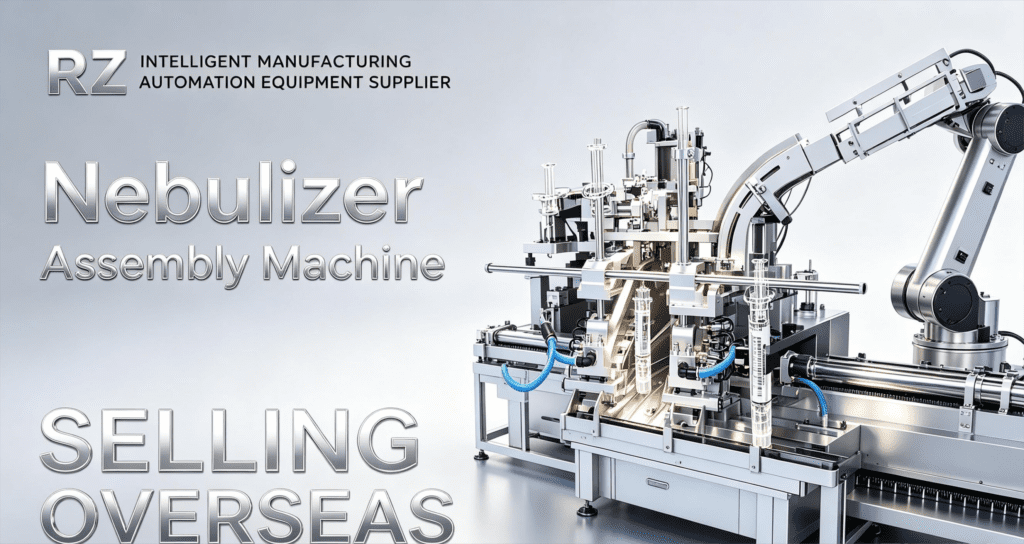
9,000–14,400 PCS/hour, 99.7%+ assembly yield, and 60‑80% labor reduction — redefining prefillable and disposable syringe production. The global injectable drug delivery market is expanding rapidly, driven by biologics, vaccines, and self‑injection devices. According to industry estimates, over 15 billion syringes are used annually worldwide, with demand for prefillable syringes growing at a CAGR of 8‑10%. Yet, syringe manufacturers face mounting pressure: ISO 13485, FDA QMSR (effective 2026), and EU MDR require end‑to‑end traceability and near‑zero defect rates. Traditional manual or semi‑automatic assembly lines struggle to maintain consistency across barrels, plungers, gaskets, and needles — especially at high volumes. The Syringe Automatic Assembly Equipment delivers a proven solution. Designed for fully […]
カテーテル組立機
Stop Losing Margin on Manual Nebulizer Assembly: 70‑80% Labor Cut, >99% Pass Rate, 12‑24 Month Payback
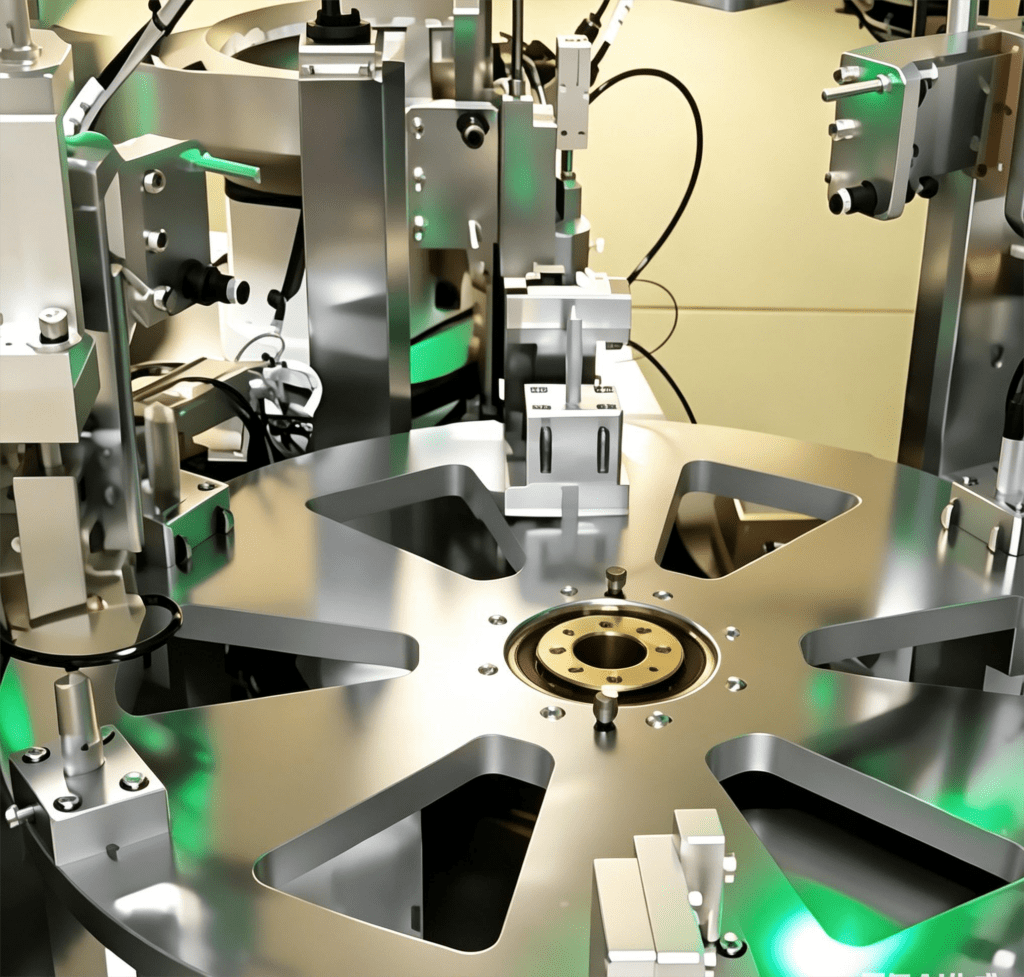
Servo‑driven ±0.15 mm precision + adaptive inline testing = thousands of units/day with 10‑15% less waste. You don’t need another trend report. You need to fix real production floor problems: rising labor costs, inconsistent nozzle sealing, circuit board misalignment, and quality escapes that trigger customer complaints or regulatory findings. The Nebulizer Assembly Machine is a turnkey solution for high‑mix, high‑volume respiratory device manufacturing. It automates feeding and assembly of nozzles, reservoirs, and PCBA using servo motors and smart sensors. ±0.15 mm positioning ensures every ultrasonic and mesh nebulizer meets design specs. Adaptive quality control with online testing (leak, continuity, force) delivers >99% first‑pass yield. What you get (no fluff) […]
Nebulizer Assembly Machine: Precision Servo‑Driven Automation for High‑Throughput Respiratory Care Manufacturing
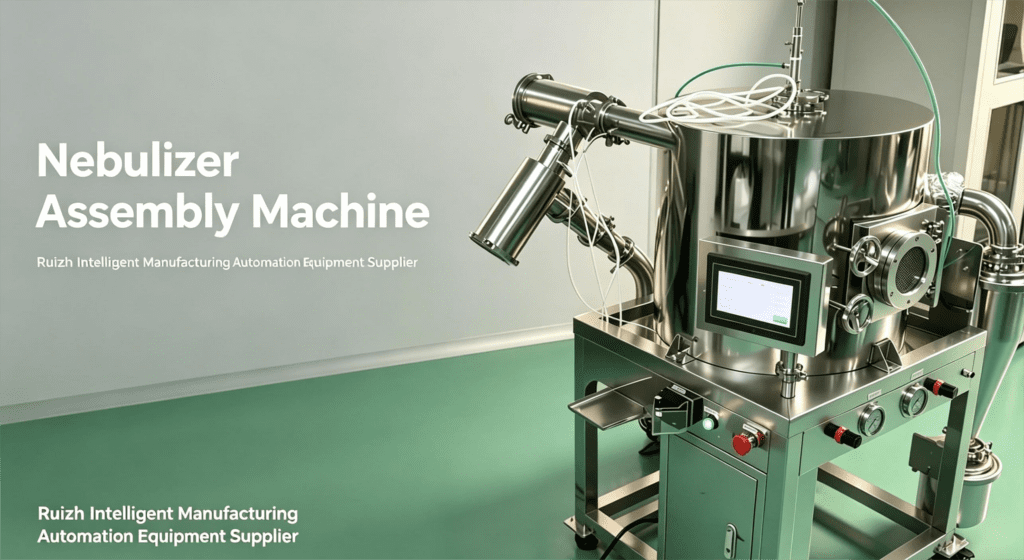
With ±0.15 mm positioning accuracy, adaptive quality control, and >99% online pass rate, automated nebulizer assembly is transforming respiratory device production. The global nebulizer market is expanding rapidly, driven by the rising prevalence of respiratory diseases such as asthma, COPD, and post‑COVID‑19 pulmonary conditions. According to recent industry data, the nebulizer market is projected to reach over US$1.5 billion by 2027. At the same time, regulatory standards under ISO 13485, FDA QMSR (effective 2026), and EU MDR demand tighter process control, traceability, and defect prevention. For manufacturers of aerosol therapy devices, the challenge is clear: how to scale production while maintaining medical‑grade quality and cost efficiency. The Nebulizer Assembly […]
Biological Indicator Assembly Machine: Robotic Precision Meets Sterile Automation for High‑Reliability Sterility Assurance
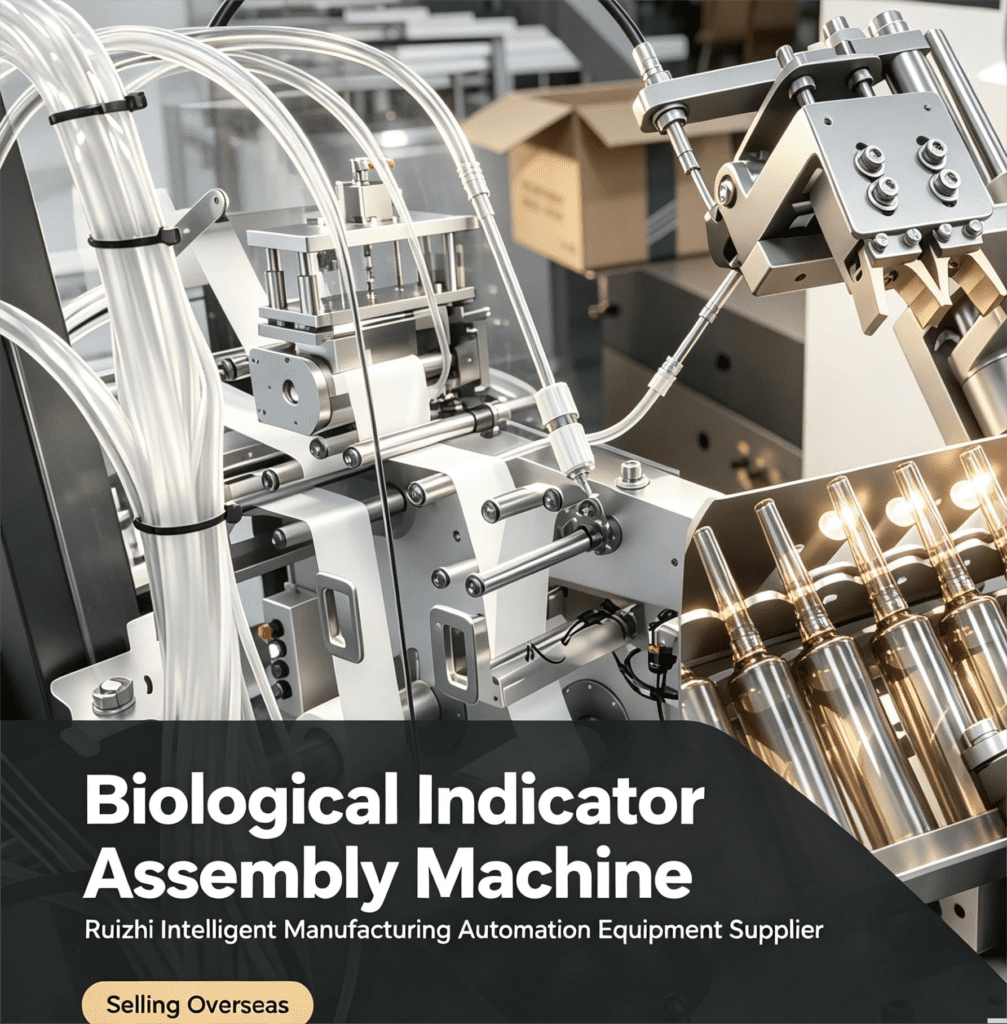
With ±0.2 mm accuracy, sterile vision systems, and >99.5% encapsulation yield, automated biological indicator assembly is redefining contamination control in cleanroom environments. Biological indicators (BIs) are the gold standard for sterility assurance in pharmaceutical and medical device sterilization processes — from ethylene oxide and steam to radiation and vaporized hydrogen peroxide. As regulatory bodies such as the FDA (under QMSR effective February 2026) and the EU (MDR and EUDAMED) tighten requirements for process validation and traceability, the demand for high‑quality, defect‑free biological indicators has never been greater. Yet, traditional manual assembly of BIs — handling fragile microbial disks, liquid media, and casings — is labour‑intensive, prone to contamination, and […]
Catheter Assembly Machine: High‑Precision Automation Drives a New Era of Smart Medical Device Manufacturing
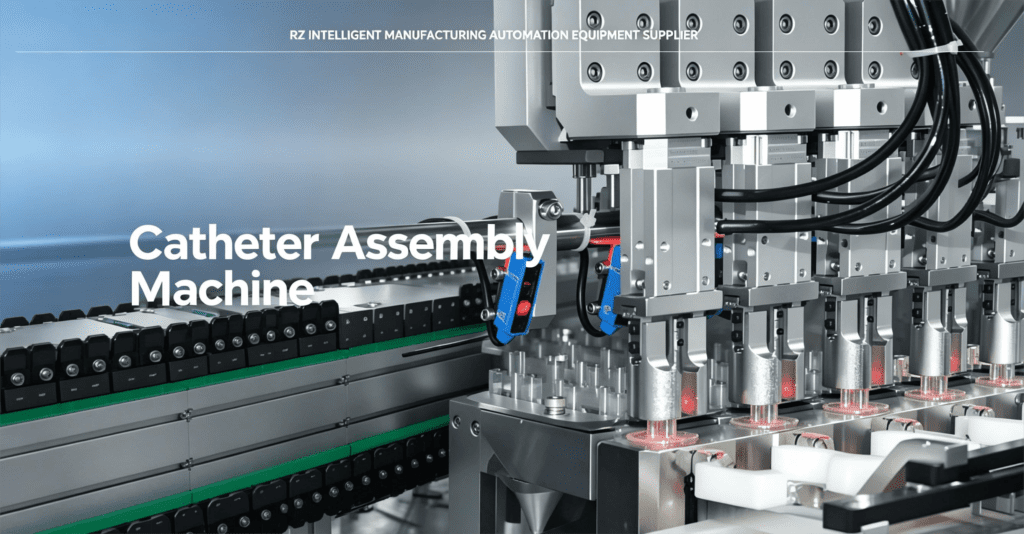
From precision assembly to AI‑powered inspection, catheter assembly automation is reshaping the quality standards of medical consumables production. The global catheter market is growing rapidly. According to market research, the worldwide catheter market reached US$33.8 billion in 2025 and is expected to grow to US$37.43 billion by 2026, representing a compound annual growth rate (CAGR) of 10.7%. Rising prevalence of cardiovascular diseases, the spread of minimally invasive surgeries, and increasing demand for single‑use medical devices are all driving this rapid expansion. Yet, this growth also presents unprecedented challenges for catheter manufacturers — how to ensure product consistency and regulatory compliance in high‑volume production? Under traditional manual assembly, operators […]