Syringe Automatic Assembly Equipment
Automatic Assembly Machine for Medical Dilators
From Parts to Product in Seconds. Your Syringe Assembly Line, Fully Automated.
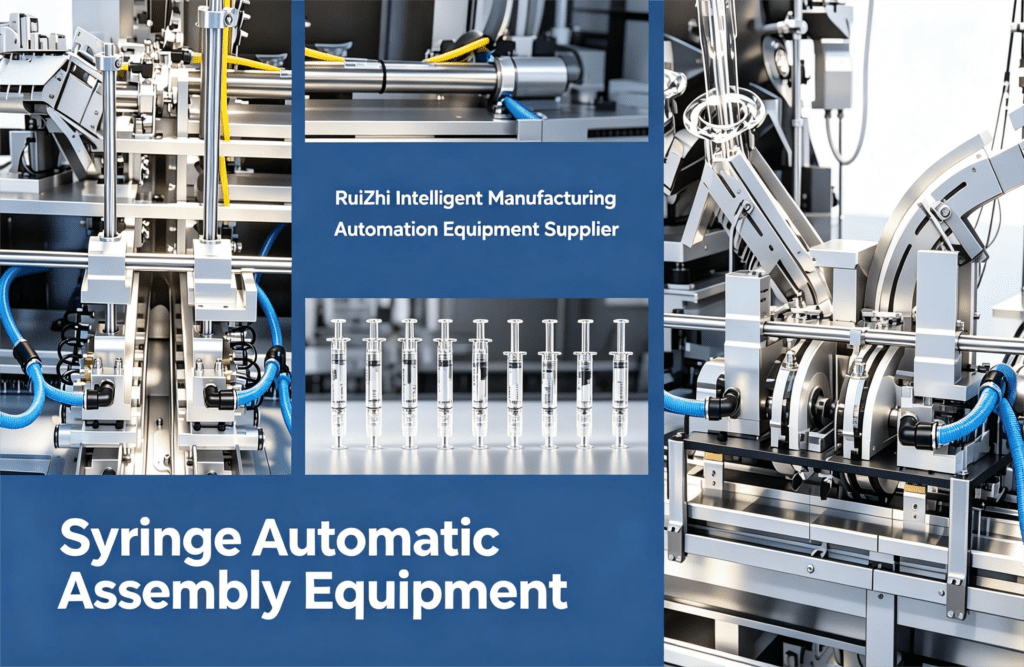
Global demand for syringes is rising fast. The market was valued at $10.64 billion in 2026 and is projected to hit $15.09 billion by 2034 — a steady 4.5% CAGR. Prefilled syringes are growing even faster at 10.9% CAGR, expected to reach $14.53 billion by 2031. Vaccination programs, chronic disease management, and the shift toward biologics are all driving this growth. But here is the reality: if your assembly line is still manual, you are falling behind. One Operator vs. One Machine A typical manual syringe assembly line might produce 800–1,200 units per hour with six to eight workers. Defect rates hover between 3% and 5%. Each misaligned plunger, each poorly seated gasket, each improperly […]
Medical Dilator Assembly Machine: 3,000 PCS/h, 99.8% Yield, 8–12 Months ROI
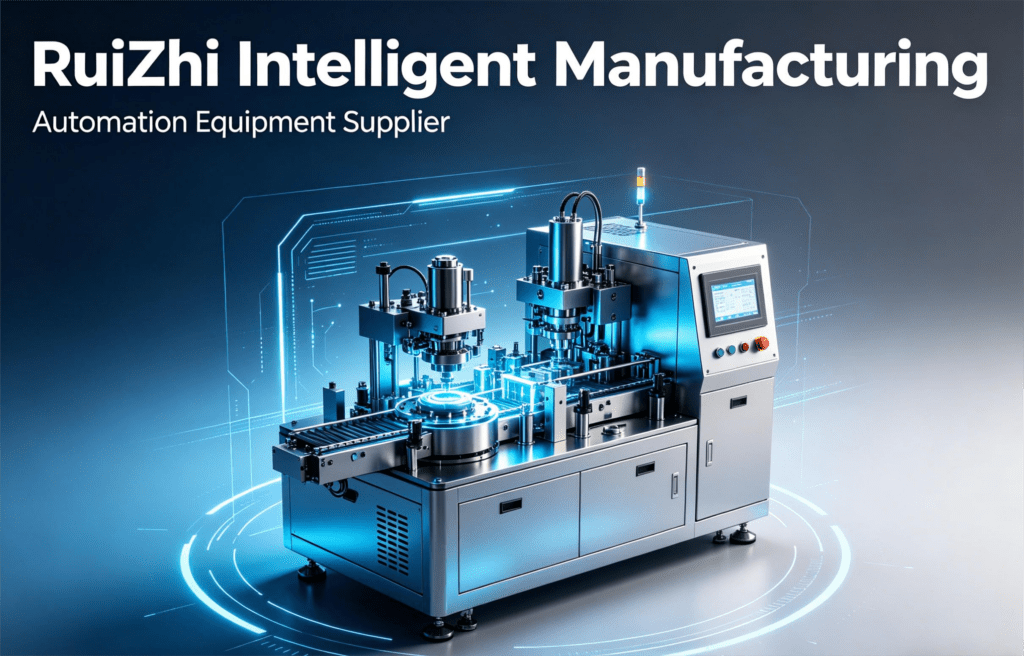
Stop guessing. Start assembling. Medical dilators are essential tools across urology, gynecology, gastroenterology, and interventional radiology. And the market is growing fast. The global dilators market was valued at USD 1.42 billion in 2025 and is expected to reach USD 2.76 billion by 2033, at a CAGR of 8.70% [12†L15-L17]. Minimally invasive procedures are fueling demand. But here is the problem many manufacturers face: assembly. Most dilators are still assembled by hand. Operators insert sleeves, seat gaskets, align cores — repetitive work that demands steady hands and unwavering focus. Human error is inevitable. Contamination risks are constant. And maintaining ±0.01mm precision manually? Impossible. The real cost of manual assembly Output per worker: […]
Nebulizer Assembly Machine: 3,000 Units per Shift, <1% Defects, 12‑Month Payback
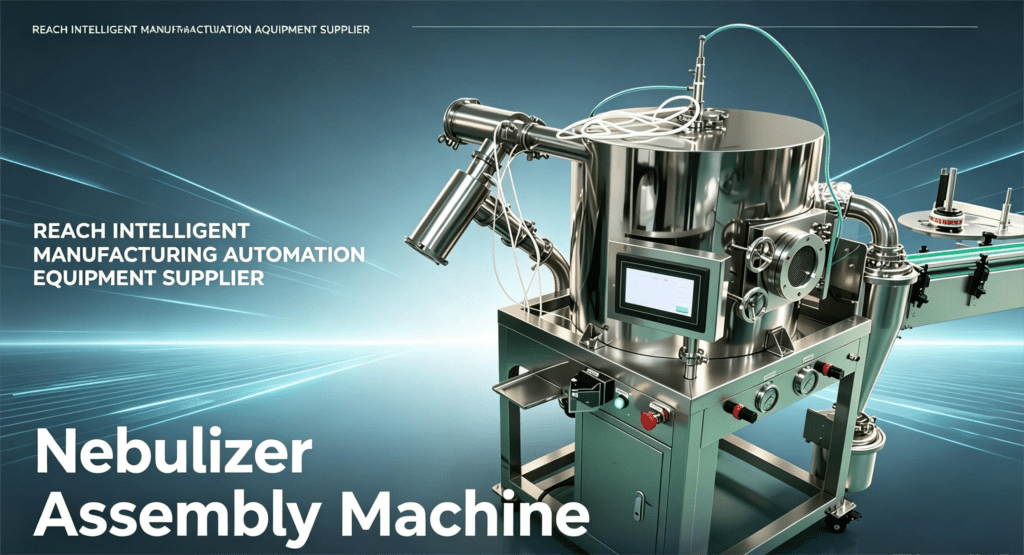
The global nebulizer market is accelerating — fast. Valued at USD 976 million in 2025, it is projected to reach USD 1.67 billion by 2034, growing at a CAGR of 6.3%. The medical-use nebulizer segment alone is expected to climb from USD 2.66 billion in 2025 to USD 4.65 billion by 2032, with a CAGR of 8.3%. Drivers include rising asthma and COPD prevalence, expansion of home healthcare, and post‑COVID pulmonary care demand. But for device manufacturers, growth brings a critical pressure point: assembly. Here is the math most factories are living with. A typical manual nebulizer assembly line: eight to ten operators working eight hours, producing roughly 800 […]
Your Lip Gloss Feels Great. The Assembly Behind It? Not So Much. Let‘s Fix That.
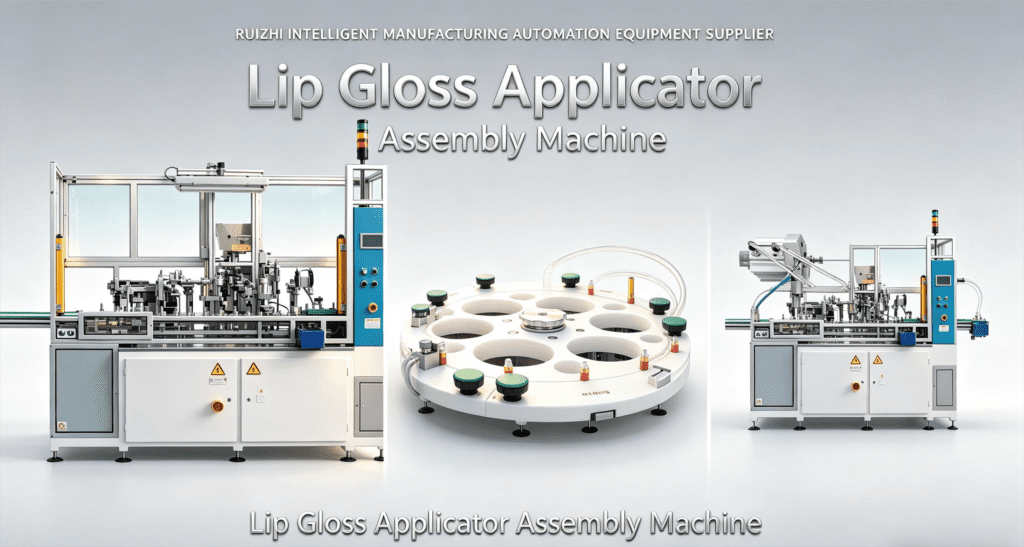
We‘ve all been there. You twist open a brand-new lip gloss, bring the wand to your lips, and … the applicator wobbles. The flocking feels uneven. Or worse, the brush head detaches mid-application. The gloss itself might be perfect — the color, the shine, the formula — but the moment the applicator fails, the entire product feels cheap. And in the world of beauty, that single moment can cost you a customer for life. For cosmetic brands, the applicator is not just a tool. It is the handshake between your product and your consumer. A shaky, misaligned, or poorly assembled lip gloss applicator ruins the user experience instantly. The […]
How a Fully Automatic Lipstick Assembly Machine Boosts Production Efficiency by 300%
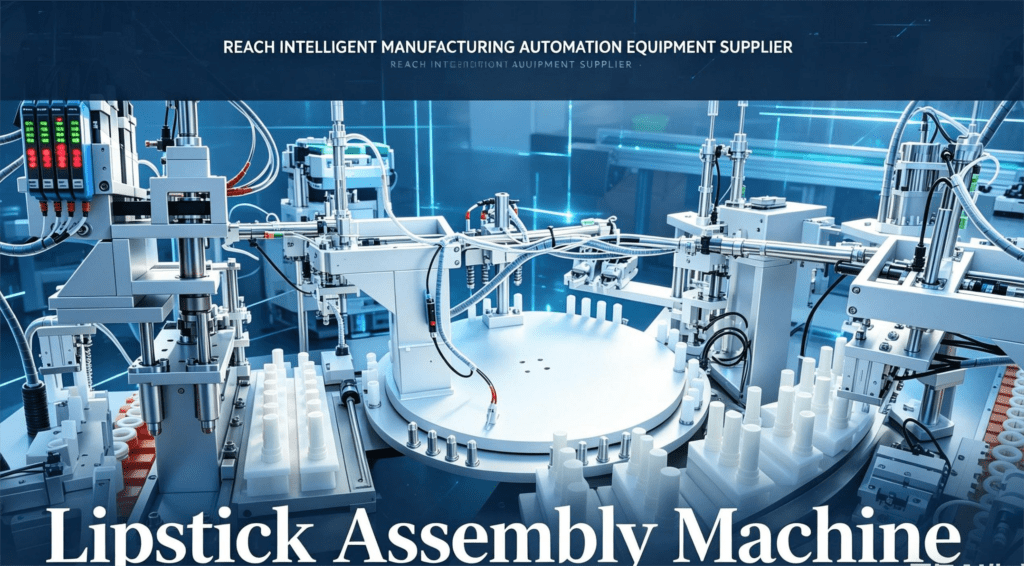
The global cosmetics industry is witnessing unprecedented growth, with the lipstick segment alone projected to expand at an annual rate of over 6% as consumer demand for high-quality beauty products continues to rise. But as demand soars, so do the challenges — rising labor costs, inconsistent assembly precision, and the growing pressure for faster turnaround times. For cosmetic brands and OEM manufacturers, the question is no longer whether to automate, but how to automate intelligently. The Three Hurdles of Traditional Lipstick Production For years, lipstick assembly has relied heavily on manual labor for tube feeding, core insertion, capping, and quality inspection. This approach brings three […]