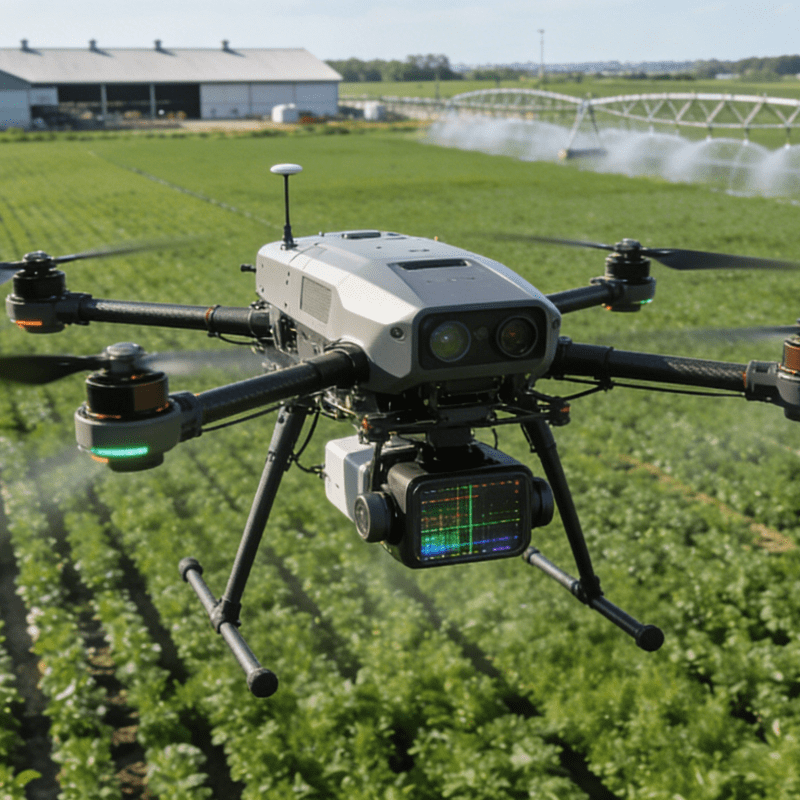
Amid the accelerating evolution of the digital economy, data elements have become the core strategic resources of enterprises. However, the release of data value depends not only on the accumulation of massive data, but also on enterprises’ ability to build a complete capability system for real-time processing, intelligent analysis and precise decision-making. The deep integration of artificial intelligence and cloud computing technologies is reshaping the technical architecture and application paradigm of business intelligence, driving enterprises to leap from “data-driven” to “intelligence-driven”.
The Technological Evolution Path of the Intelligent Cloud Ecosystem
Traditional cloud computing solves the problem of elastic supply of data storage and computing resources, while intelligent cloud realizes the native integration of AI capabilities at the infrastructure level. This innovation in technical architecture enables enterprises to complete the full-process operations of data collection, model training and inference deployment on a unified platform, significantly lowering the threshold for the application of artificial intelligence technologies.
In the intelligent cloud architecture, AI components such as machine learning platforms, deep learning frameworks and pre-trained models are deeply coupled with cloud computing’s distributed computing, elastic storage and microservice architecture, forming a tripartite technical system of “data-algorithm-computing power”. This architectural innovation allows enterprises to quickly build intelligent applications based on business needs, realizing the direct transformation from data to value.
Business Intelligence Transformation Driven by Technology Integration
The coordinated development of artificial intelligence and cloud computing is redefining the connotation and extension of business intelligence:
Construction of Real-time Intelligent Analysis Capabilities
Based on stream computing and real-time AI algorithms, enterprises can conduct millisecond-level processing and intelligent analysis of business data. In financial risk control scenarios, the system can identify abnormal transaction patterns in real time; in the field of intelligent manufacturing, it can instantly detect equipment operating status and predict potential failures. This real-time analysis capability enables enterprises to shift from “post-event analysis” to “pre-event prediction”, significantly improving the timeliness of decision-making.
Intelligent Reconstruction of Business Processes
Through the combination of Robotic Process Automation (RPA) and AI technologies, enterprises can realize the intelligent transformation of complex business processes. Intelligent systems can automatically handle highly standardized business links such as invoice recognition, contract review and customer service, reducing labor costs while freeing employees from repetitive work to focus on more creative value-added activities.
Predictive Decision Support System
Based on predictive models built with algorithms such as time series analysis and deep learning, enterprises can make accurate predictions for key business scenarios such as market demand, supply chain fluctuations and equipment maintenance. A leading e-commerce enterprise increased its inventory turnover rate by 35% and reduced its stockout rate to below 0.5% by building a sales prediction model, significantly optimizing supply chain efficiency.
Intelligent Security Protection Mechanism
The AI-driven cloud security system can proactively identify potential security threats through technologies such as behavior analysis and anomaly detection. In network security protection, the system can identify abnormal access based on user behavior patterns, issue early warnings and block threats before data leakage incidents occur, shifting security protection from passive response to active defense.
Domestic Practices in Industrial Digital Transformation
Driven by the national “Eastern Data and Western Computing” project and new infrastructure policies, domestic industries are accelerating the deployment of intelligent cloud infrastructure. According to data from the China Academy of Information and Communications Technology, the overall scale of China’s cloud computing market reached 616.5 billion yuan in 2023, of which AI cloud services accounted for more than 25%, making it the fastest-growing segment.
Intelligent Upgrading of the Financial Industry
Large state-owned banks have generally built financial brains based on hybrid cloud architecture, integrating technologies such as natural language processing, computer vision and knowledge graphs, and realizing large-scale applications in scenarios such as intelligent risk control, precision marketing and intelligent customer service. A joint-stock commercial bank shortened its credit approval time from 3 days to 10 minutes and reduced its non-performing loan ratio by 1.2 percentage points by deploying an intelligent risk control system.
Digital Transformation of the Manufacturing Industry
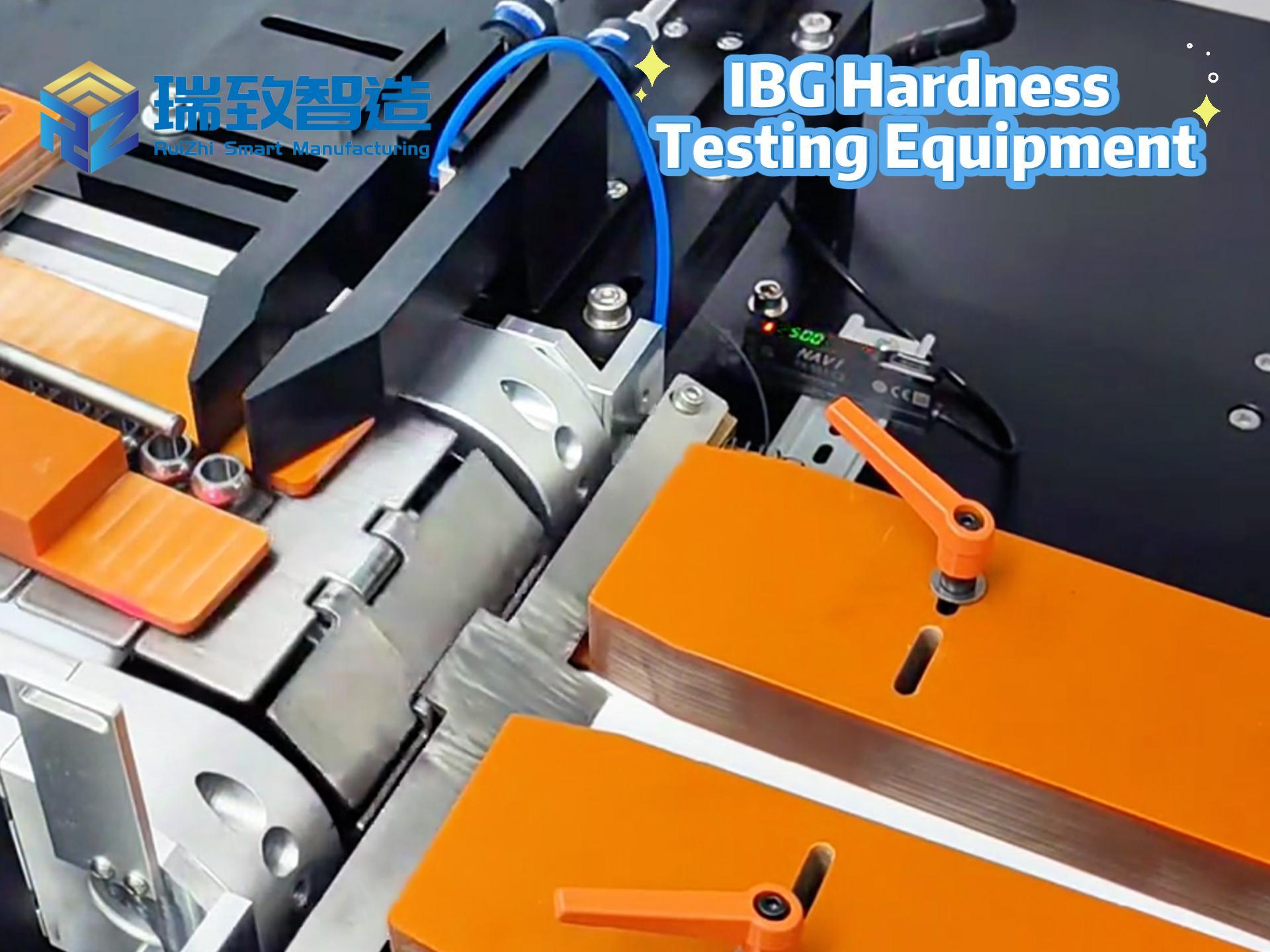
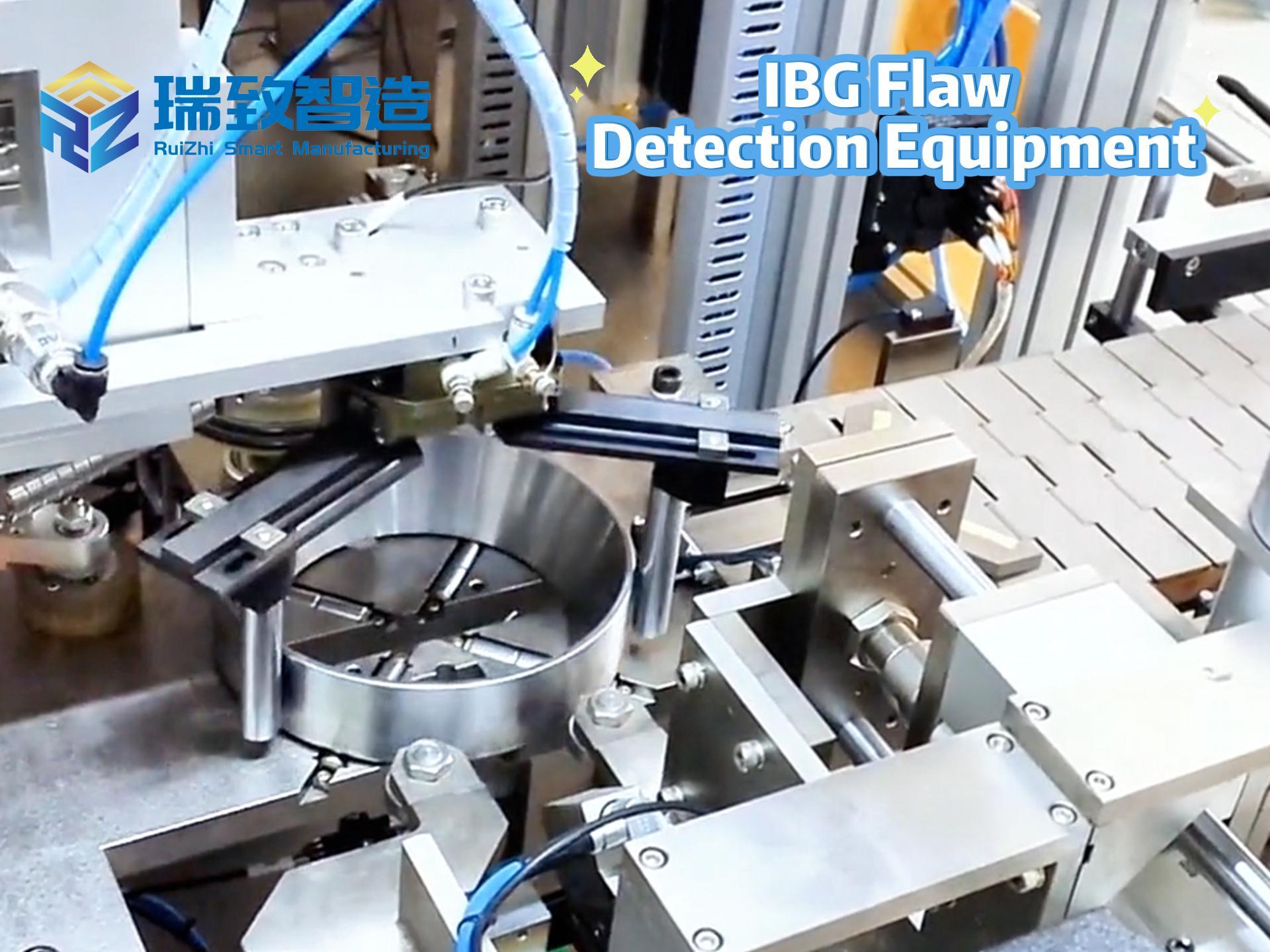
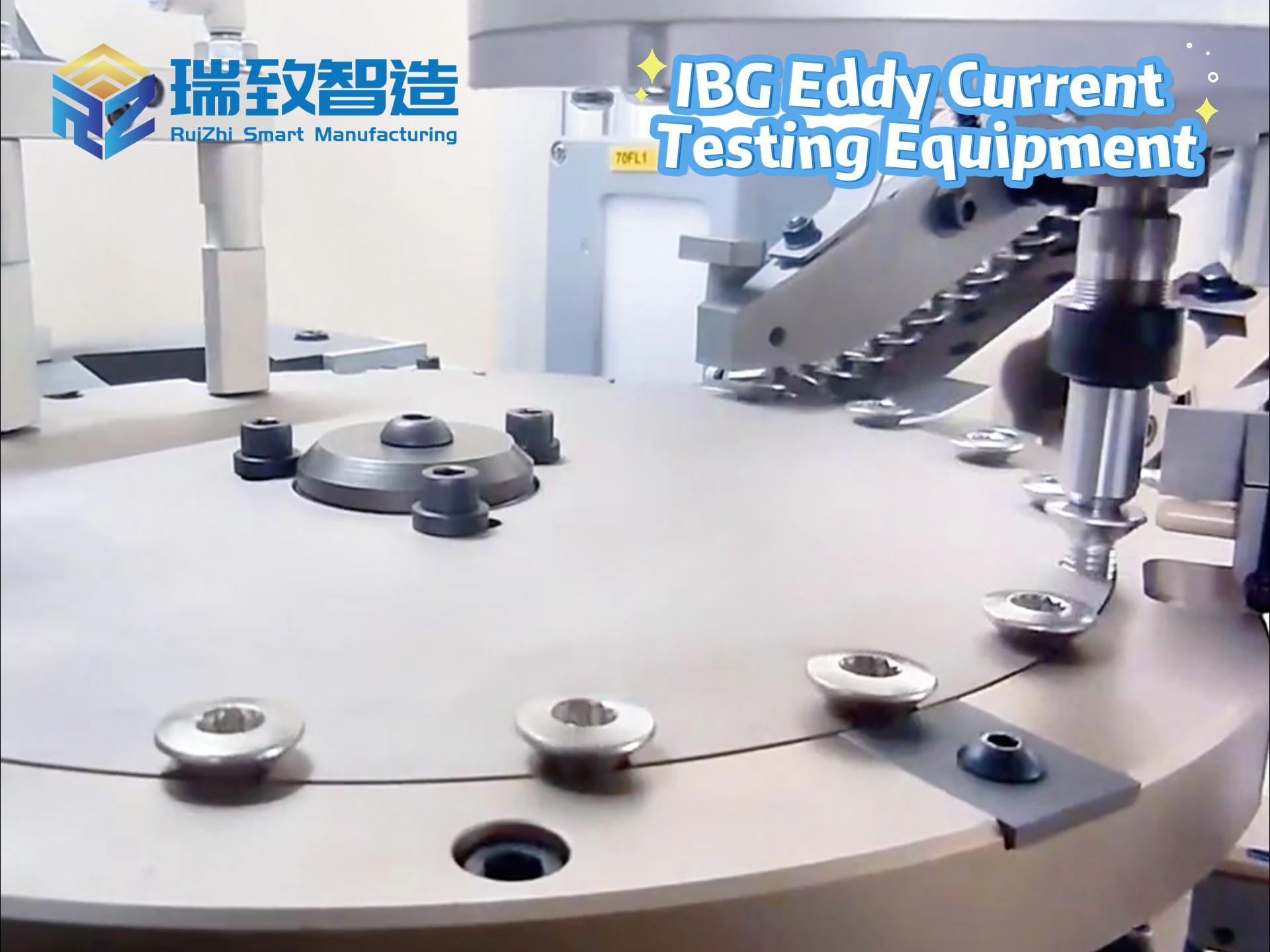
The integrated application of industrial internet platforms and AI technologies is driving the manufacturing industry towards intelligence. Notably, AI cloud solutions have been effectively applied to automatic feeding equipment for small metal sheets—by integrating real-time data analysis and AI-driven precision control functions, the equipment can automatically adjust feeding speed and position according to the thickness and size of small metal sheets, reducing material waste by more than 15% and improving feeding accuracy to 0.01mm. In addition, by deploying an equipment predictive maintenance system, an automobile manufacturing enterprise reduced equipment downtime by 40% and maintenance costs by 25%. The application of an intelligent quality inspection system increased the product defect detection rate to 99.5%, significantly improving product quality consistency.
Intelligent Development of Healthcare
AI-assisted diagnosis systems based on medical cloud platforms have been implemented in many top-tier hospitals. In the field of medical image analysis, the accuracy rate of AI systems in detecting pulmonary nodules exceeds 95%, effectively improving the efficiency of early cancer screening. Intelligent drug research and development platforms have shortened the new drug development cycle by more than 30% through molecular modeling and virtual screening technologies.
Digital Reconstruction of Retail Consumption
New retail enterprises achieve precision marketing and personalized services by building consumer portraits and intelligent recommendation systems. After applying an intelligent replenishment system, a leading retail enterprise reduced its commodity stockout rate by 60% and its inventory turnover days by 15 days, significantly improving supply chain response speed and capital utilization efficiency.
Key Elements of Technology Implementation
Construction of Data Governance System
Enterprises need to establish sound governance mechanisms for data standards, data quality and data security to ensure the accuracy and completeness of AI model training data. By building an enterprise-level data middle platform, unified collection, cleaning, labeling and management of multi-source heterogeneous data are realized, providing high-quality data support for AI applications.
Deployment of Hybrid Cloud Architecture
Considering data security and compliance requirements, most domestic enterprises adopt a hybrid deployment model of “public cloud + private cloud”. Core business systems are deployed on private clouds to ensure data security, while non-sensitive businesses leverage the elastic expansion capabilities of public clouds, realizing cross-cloud application deployment and unified management through cloud-native technologies.
Construction of AI Capability Platform
Enterprise-level AI platforms need to integrate full lifecycle management capabilities such as model development, training, deployment and monitoring. By building a Machine Learning Operations (MLOps) system, continuous integration and continuous deployment of AI models are realized, ensuring the stable operation and continuous optimization of models in the production environment.
Construction of Organizational Capabilities
Digital transformation is not only a technological upgrade, but also a comprehensive reconstruction of organizational capabilities. Enterprises need to cultivate compound talents who understand both business and technology, establish a data-driven decision-making culture, and ensure the implementation of digital transformation strategies through organizational structure adjustment and management mechanism innovation.
Outlook on Future Development Trends
Continuous Evolution of Technical Architecture
With the development of technologies such as edge computing, 5G and the Internet of Things, intelligent cloud will evolve towards a “cloud-edge-end” collaborative architecture. AI capabilities will extend from the cloud to the edge side, realizing intelligent services with lower latency. Breakthroughs in cutting-edge technologies such as quantum computing will provide exponential improvements in computing power support for AI algorithms.
In-depth Expansion of Industry Applications
AI cloud services will develop from general capabilities to industry-specific solutions. In response to the special needs of industries such as finance, healthcare, manufacturing and government affairs, more professional and scenario-specific AI cloud service products will emerge, promoting the in-depth application of artificial intelligence technologies in various vertical fields.
Accelerated Construction of Ecosystems
Cloud computing vendors, AI technology companies and industry solution providers will form a closer ecological cooperation system. By opening platform interfaces and standardizing services, an industrial ecosystem with multi-party participation and collaborative innovation will be built, reducing the threshold and cost for enterprises to apply AI technologies.
Gradual Improvement of Regulatory Frameworks
With the widespread application of AI technologies, relevant regulations and standards will become increasingly refined. In terms of data security, algorithm transparency and privacy protection, clearer regulatory requirements will be formed, promoting the standardized and healthy development of AI cloud services.
Conclusion
The deep integration of artificial intelligence and cloud computing is reshaping the technical foundation and application model of business intelligence. For enterprises, building data analysis capabilities based on intelligent cloud is not only an inevitable choice for technological upgrading, but also a strategic measure to maintain competitive advantages in the digital economy era. With the continuous improvement of technology maturity and the expansion of application scenarios, AI cloud solutions will become the core driving force for enterprise digital transformation, promoting business model innovation and industrial ecological restructuring, and injecting new momentum into the high-quality development of China’s economy.
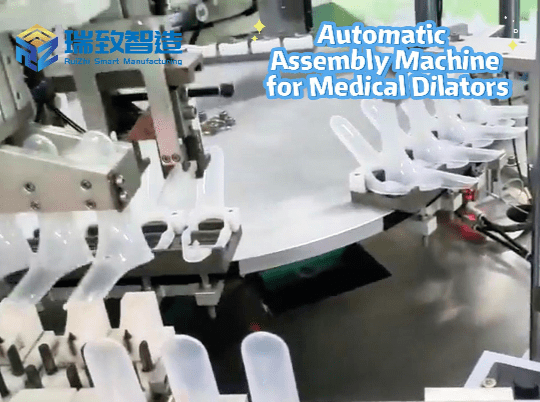
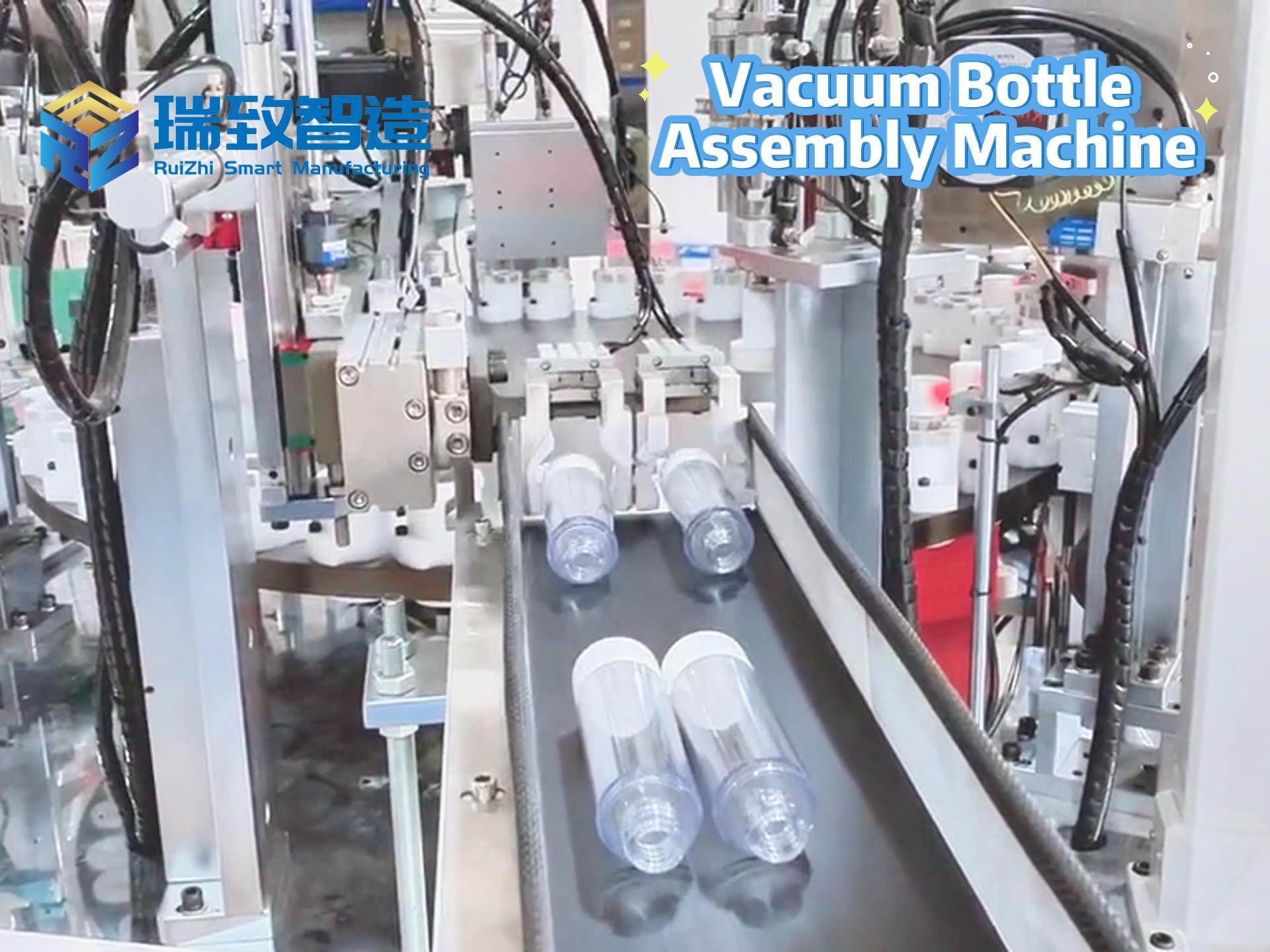
Automatic, efficient and powerful assembly machine
Technical advantages of continuous motion multi-piece assembling machine