
LTPC 2025 Kicks Off: Charting the Course for Human-Centric Super Intelligent Agents
On December 26, 2025, the 2025 Lenovo Tianxi AI Ecosystem Partner Conference (LTPC 2025) was held at the Zhongguancun International Innovation Center in Beijing. With the theme of “Unite for Intelligent Agents, Co-create a New Ecosystem”, the conference explored the development of human-centric AI super intelligent agents. Aligned with this industrial trend, the conference clearly outlined the evolution path of Lenovo Tianxi AI from a mere assistant to a teammate with closed-loop execution capabilities. Through the strategic implementation of “One Core AI, Multi-terminal Deployment”, Lenovo is accelerating the universal access to personal AI, and building an open Tianxi AI ecosystem with numerous partners to achieve win-win cooperation. Herein, the “One Core AI” refers to the Lenovo Tianxi Personal Super Intelligent Agent (Tianxi AI), which has been upgraded to Tianxi AI 3.5 with three major leaps forward in personalization, executive capability and interactive experience. The conference also unveiled the forward-looking blueprint for Tianxi AI 4.0, an intelligent agent that can “Think what you think, Act for what you desire”.
Ecosystem Strategy Layout: Advancing “One Core AI, Multi-terminal Deployment” for Universal Personal AI
In his speech at the conference, Ablikim Ablimit, Vice President of Lenovo Group, Chief Strategy Officer of Lenovo China and Executive Chairman of Lenovo China Technology Management Committee, pointed out that Lenovo and numerous AI developers have reached an industrial consensus that personal AI is a pivotal direction for future innovation and universal popularization. Lenovo’s core strategy in the personal AI sector is the “Tianxi AI: One Core AI, Multi-terminal Deployment”, with the ultimate vision to enable everyone to have their own AI Twin—an AI teammate that truly “hears what you hear, sees what you see, thinks what you think and acts for what you desire”.
To realize this vision, Lenovo is advancing its layout in four key dimensions. First, adhering to a human-centric approach embodied by the personal super intelligent agent (Tianxi AI), which stands for the individual interests of users. Second, adopting a new hybrid architecture of “AI Terminals + Trusted Personal Cloud” to address user concerns over trust, cost and response speed, while delivering controllable and manageable model capabilities. Third, building cross-platform ecological connectivity and cross-OS compatibility to break down service barriers. Fourth, ensuring trusted security based on the principle of “Personal AI Sovereignty”, which puts data, knowledge and memory truly in the hands of individuals, with elastically configurable computing power and full-process encrypted computing.
For years, Lenovo has been committed to win-win cooperation with its extensive partners, advancing industrial development hand in hand and co-building the open Tianxi AI ecosystem.
Technological Evolution: From “Internet of Everything” to “AI of Everything” via Physical AI
Over the past three years, the Tianxi AI ecosystem has been expanding steadily, with monthly active users exceeding 280 million. Its core user groups are college students aged 18-24 and professionals aged 25-34, accounting for over 70% of the total user base, featuring a young and highly active demographic profile. Leveraging its massive user scale, the total distribution volume of Tianxi AI-related applications exceeded 4 billion in 2025. On the developer side, the number of registered developers has surpassed 230,000, including 1,800 newly registered AI development entities, and more than 5,000 domain-specific intelligent agents and AI applications have been incubated within the ecosystem, sustaining a steady stream of innovation vitality. These figures fully demonstrate that the “One Core AI, Multi-terminal Deployment” strategy has laid a solid foundation for Lenovo’s continuous innovation and leadership in the AI era.
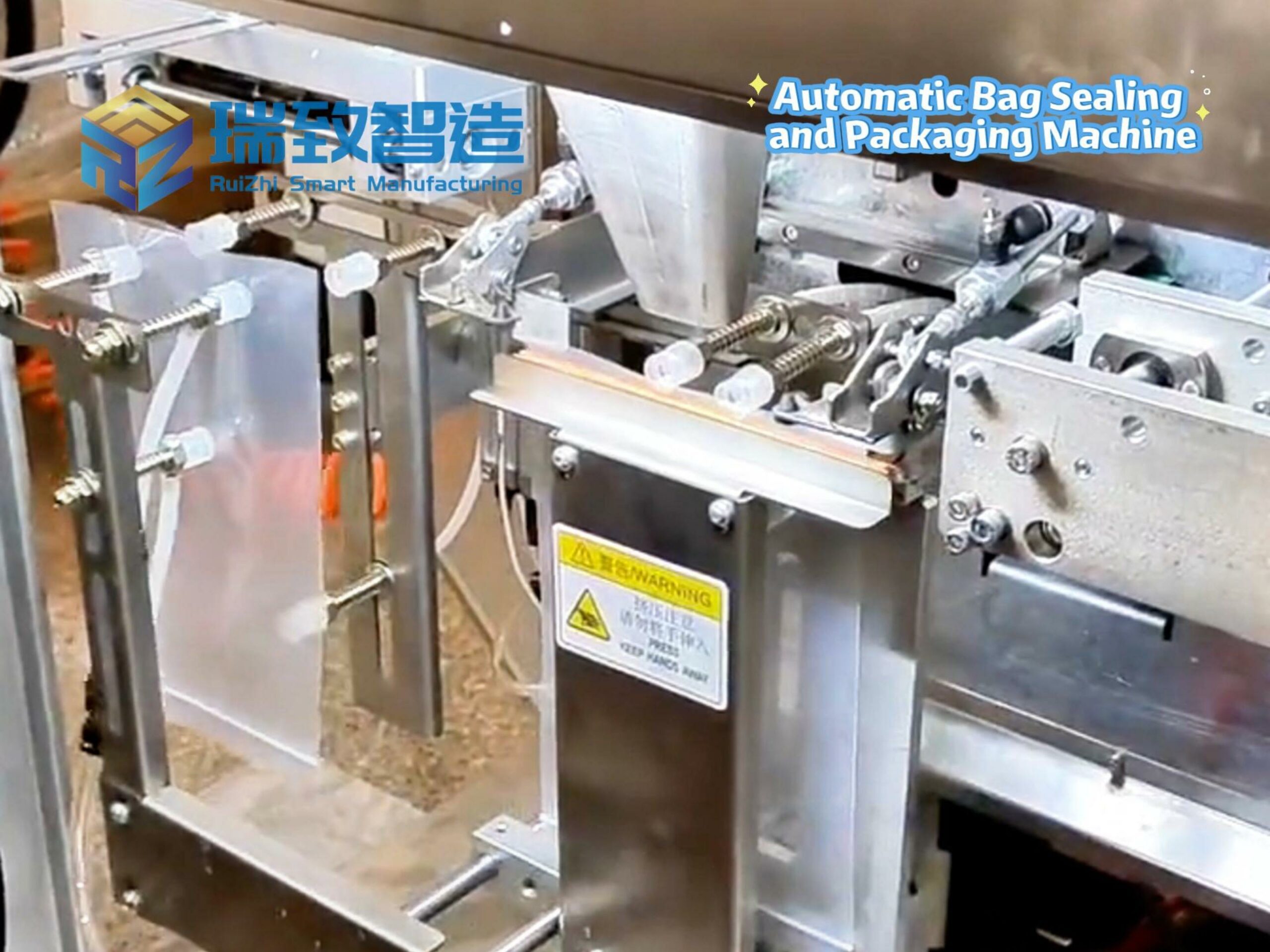
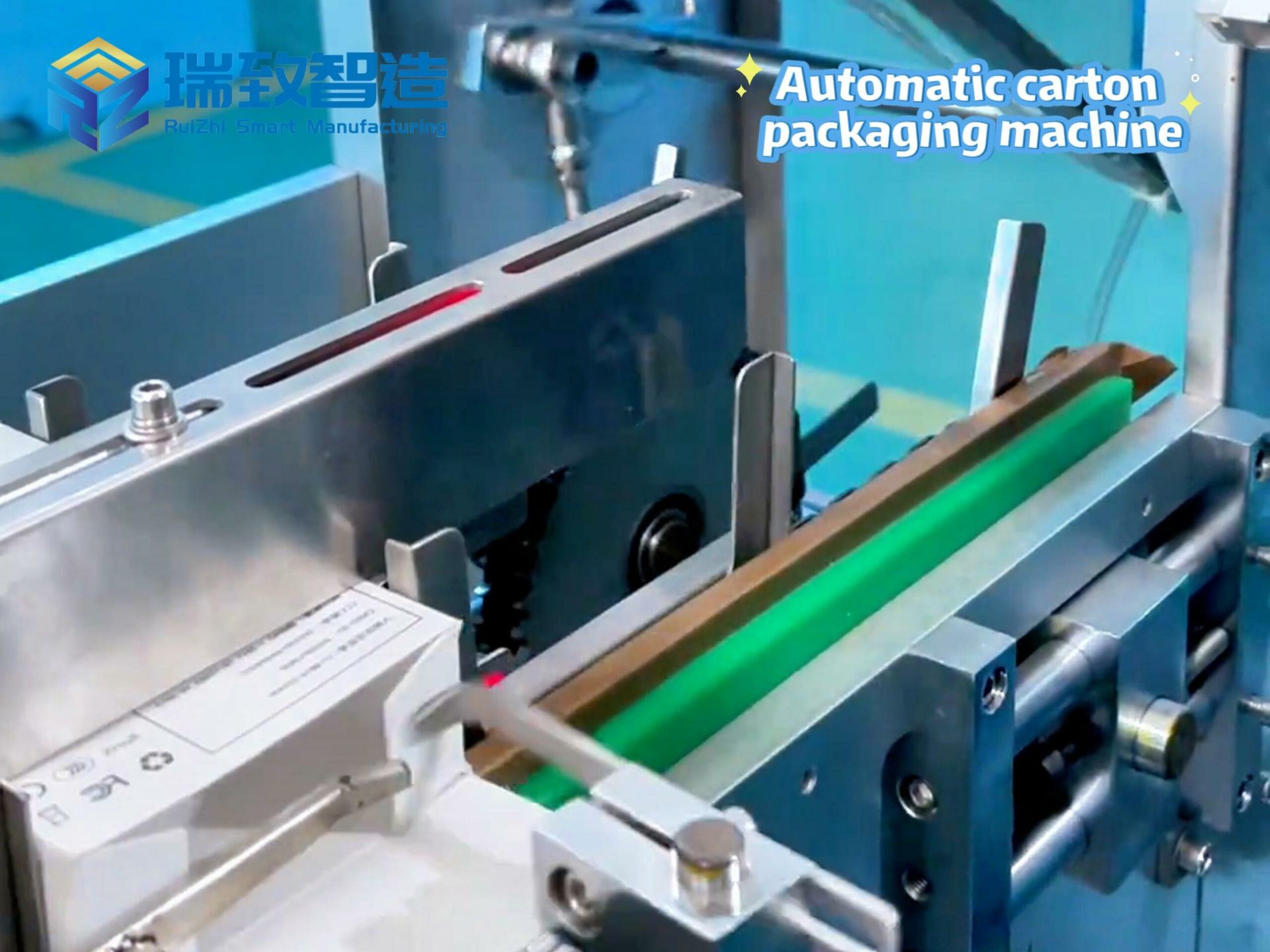
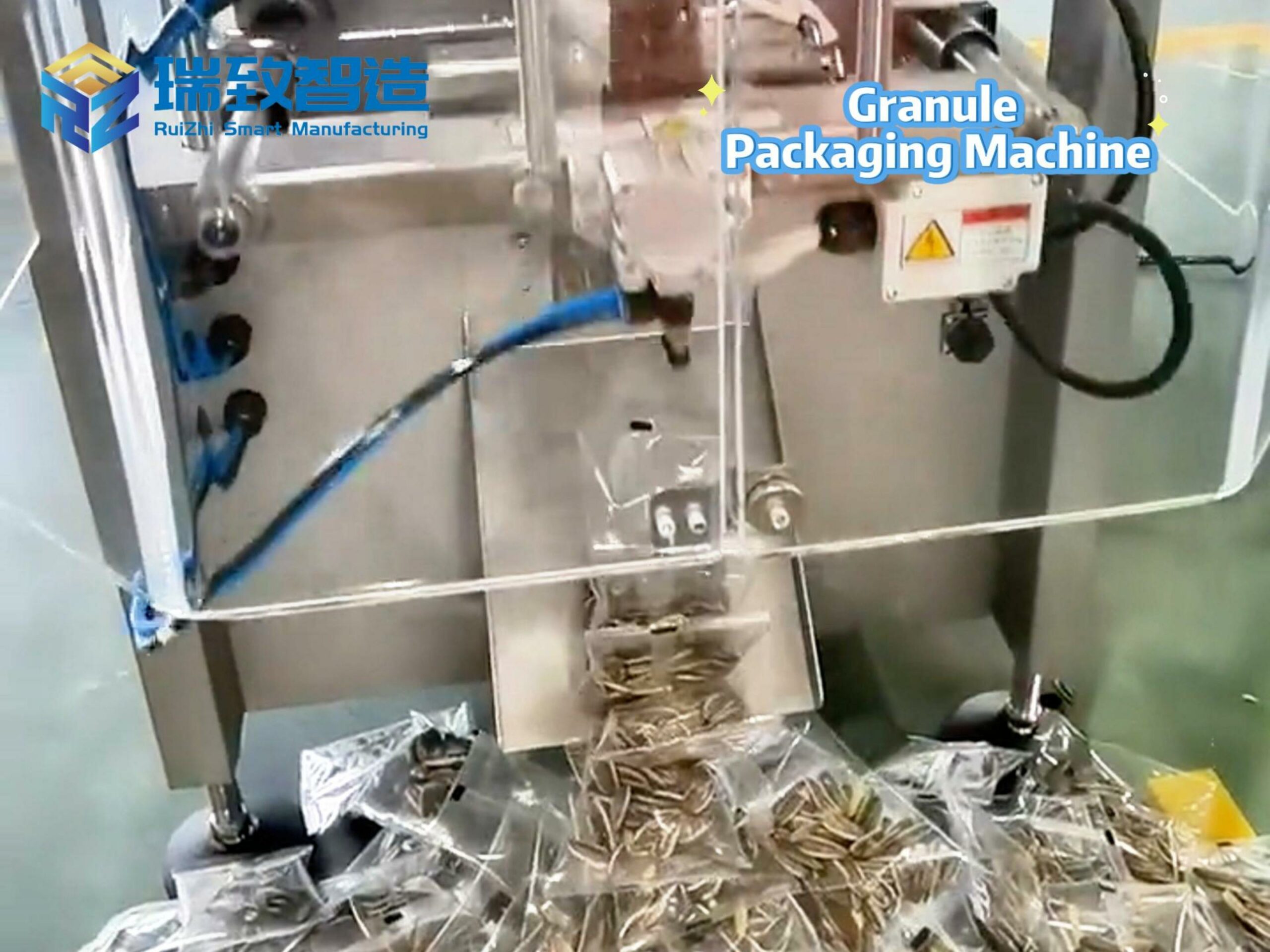
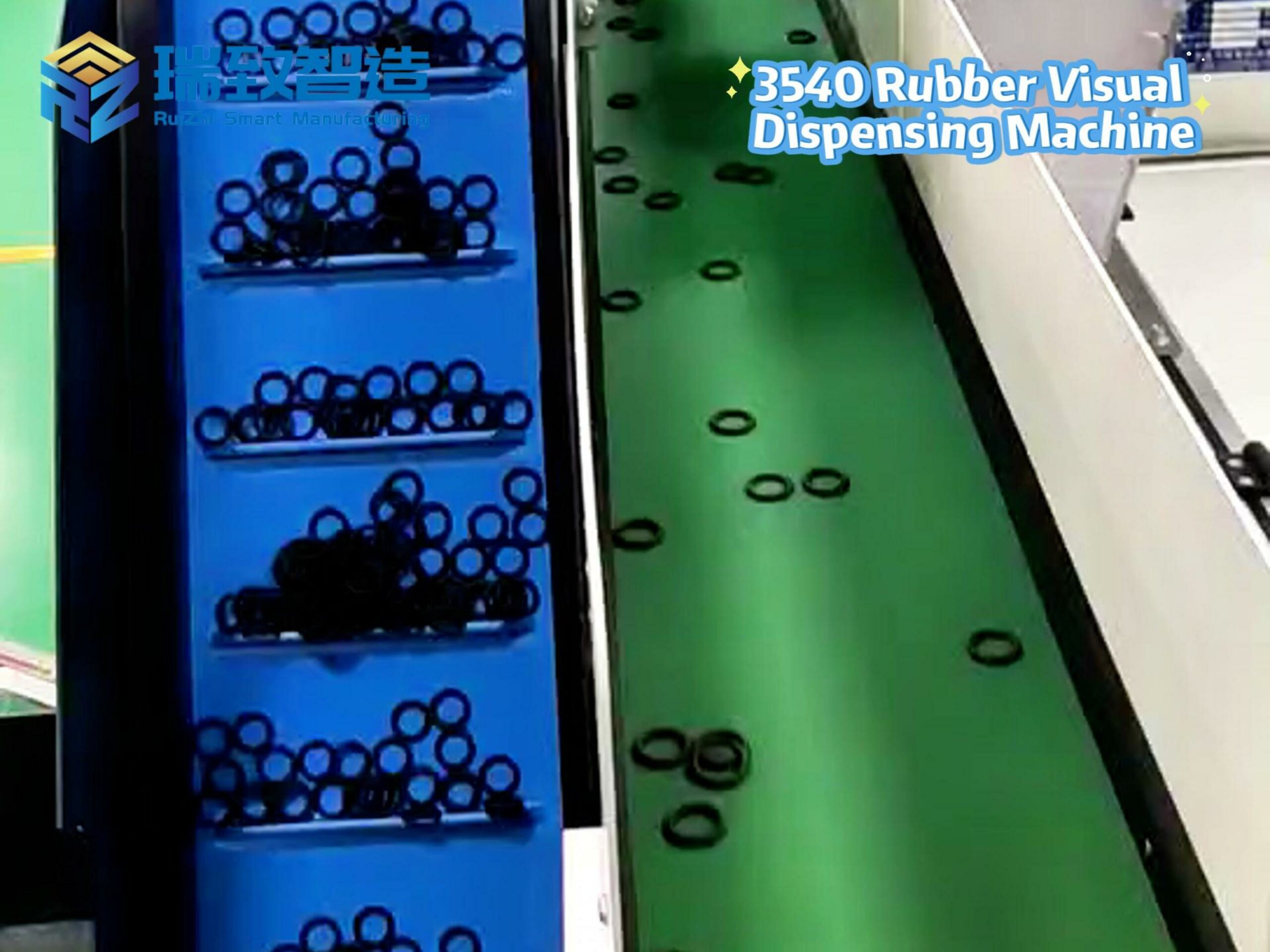
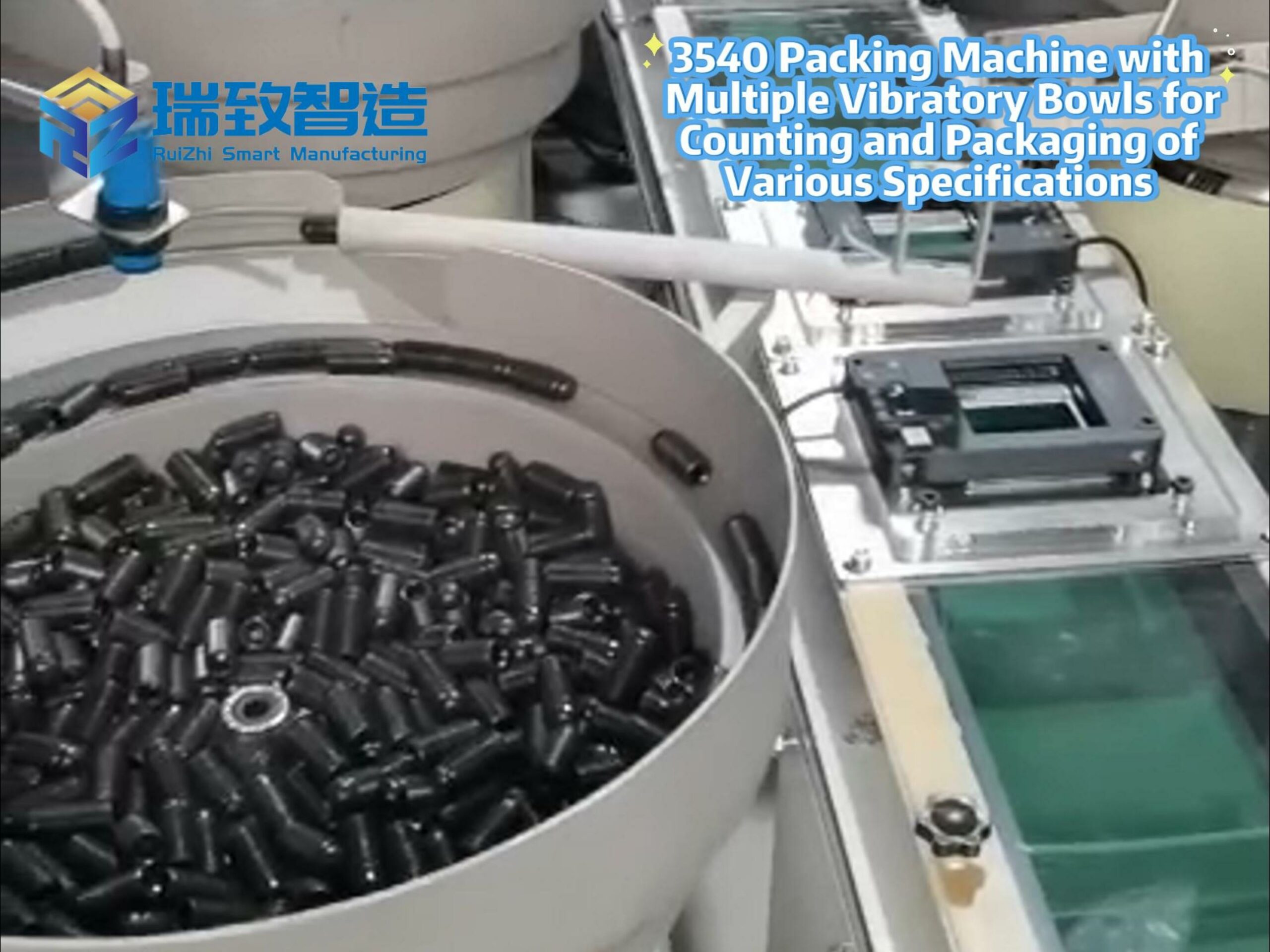
As AI technology evolves rapidly, Lenovo stands at another critical juncture of AI upgrading. AI technology has gone through three evolutionary phases: discriminative AI, generative AI and agent-based AI. With the application of multimodal large models and multi-model coupling technologies, as well as the research and exploration of world models, Physical AI has opened a new chapter of opportunities. Driven by the organic integration of an intelligent agent brain and an operating system cerebellum, physical AI terminals are capable of self-learning and self-evolution. A typical example of this technological empowerment is reflected in the intelligent transformation of Macchina di assemblaggio fusibilis: developers within the Tianxi AI ecosystem have integrated intelligent agents into these machines, enabling real-time inspection of fuse assembly accuracy through computer vision, predictive maintenance of key components based on operational data analysis, and automated adjustment of assembly parameters to ensure product consistency—fully verifying how Physical AI bridges the digital and physical worlds. By driving such physical systems and exerting an impact on the real world, they ultimately realize the upgrade from the “Internet of Everything” to the “AI of Everything”.

Product Iteration: Tianxi AI 3.5’s Leaps and Tianxi AI 4.0’s Forward-looking Vision
Composed of the AUI (AI User Interface), Tianxi Brain, Tianxi Ecosystem and Trusted Security Platform, Tianxi AI is endowed with five core capabilities: perception, comprehension, memory, planning and scheduling. Tianxi AI 3.5 has achieved three major leaps forward. First, a leap in personalization: empowered by the “Full-space-time Active Memory” technology and integrated with a global knowledge base, it generates personalized responses tailored to individual users. Second, a leap in executive capability: through a super intelligent agent work cluster, it enables multi-agent collaboration, with representative applications including AI Podcast, ChatExcel and Super Interconnection 3.0. Third, a leap in interactive experience: Tianxi AI 3.5 features multi-terminal collaborative perception and a unified AUI, delivering a consistent intelligent experience to users across all scenarios.
At the conference, Chen Xuegui, General Manager of Tianxi AI Ecosystem Business Unit, Lenovo China, also shared the vision for Tianxi AI 4.0, which is expected to evolve into a true AI teammate for users. Its core evolution direction is to deepen cognitive and executive capabilities, embodied by the core value of “Thinking what you think and Acting for what you desire”. “Thinking what you think” means elevating from simple perception to in-depth cognition: by integrating personal knowledge, real-time contexts and continuous learning, Tianxi AI 4.0 will provide coherent and forward-looking suggestions to become users’ “thinking partner”. “Acting for what you desire” represents the formation of a closed loop in executive capability: through the advancement of system-level technologies such as MCP, it will securely schedule cross-device and cross-application resources to deliver a seamless closed-loop experience from user dialogue to task completion. These advancements together drive Tianxi AI’s evolution from a command-responsive tool to a preliminary Personal AI Twin with the capabilities of comprehension, memory and execution.
The evolution of Tianxi AI’s capabilities is ultimately presented to users through the continuous upgrade of its AUI. Future interactions will focus on three core pillars: generativity, participability and trustworthiness. On the basis of precise “one user, one thousand personalized services”, users will not only be able to intervene and guide the task execution process at any time, but also clearly understand the rationale and path behind AI decisions.
Commercial Opportunity Landing: Empowering Developers and Building a Sustainable Ecosystem
Every technology-driven industrial upgrade brings enormous opportunities. By 2025, the number of domestic AI users in China has exceeded 500 million, with the daily average token consumption expected to surpass 100 trillion, containing massive market demands and commercial potential. How to build a sustainable commercial closed loop to drive the prosperity and growth of the ecosystem has become a core issue for intelligent agents to evolve from technology development to large-scale application.
Against this backdrop, the core value measurement standard for intelligent agents has undergone a fundamental shift: moving away from the traditional SEO model that pursues exposure and keyword matching, and transitioning to the GEO paradigm centered on the completion of actual tasks. This means the value of an intelligent agent no longer lies merely in being “discovered”, but in its ability to understand user intentions, conduct effective collaboration and reliably deliver final results. Lenovo has laid a solid foundation through a series of solid product restructuring and ecological layout, systematically upgrading the intelligent agent architecture with the three core elements of “Component, Organization and Goal”, and transforming traditional applications such as PC Manager and web browsers into “domain experts” that are schedulable, perception-enabled and execution-capable.
To seize this opportunity and build a sustainable ecosystem, Lenovo is committed to developing next-generation infrastructure for intelligent agent collaboration and transactions. It realizes trusted collaboration among intelligent agents through the A2A protocol, and builds a payment and settlement system covering TAC (Tianxi Agent Connection Service) and TAP (Tianxi Agent Payment Service) based on open standards such as AP2. This will connect the complete commercial closed loop: from understanding user intentions → multi-agent collaborative work → secure payment authorization → final task delivery.
Based on its solid ecological and commercial foundation, Lenovo joined hands with Volcano Engine to launch the “Tianxi AI Ecosystem Intelligent Agent Pioneer Program” at the conference. The program offers attractive multi-dimensional support to early participating developers, including 100 million token vouchers to facilitate agent development through Kouzzi Programming, helping developers gain first-mover advantages in the GEO paradigm, and guaranteeing that 100% of the profits generated by intelligent agents in the next 12 months will belong to the developers. Lenovo also announced that it has reached cooperation with major intelligent agent platforms including Kouzzi, ERNIE Bot, Orion and others, and continues to welcome more platforms to join the ecosystem. This will not only bring rich intelligent agent services to Lenovo users, but also provide traffic support for developers.
In addition, Lenovo joined hands with IDC to release the industry’s first White Paper on the Definition, Industrial Architecture and Development Trends of the Personal AI Industry. Amid the profound industrial transformation, the white paper provides insights into hot industry topics such as the development of the personal AI industry, the future of large model providers and the personalization trend of intelligent agents, which is available for viewing on Lenovo’s official platform.
At the conference, Guo Wei, Vice President of Intel Marketing Group and General Manager of Intel China, stated: “Intel and Lenovo have walked hand in hand for 40 years, jointly driving multiple innovative leaps in the personal computing sector. Today, at the starting point of the ‘AI+’ era, Intel and Lenovo have jointly launched dozens of AI PCs covering both consumer and commercial markets. Going forward, Intel will continue to rely on the deep collaboration of software and hardware to fully support the development of Lenovo’s ‘Tianxi Personal Intelligent Agent Ecosystem: One Core AI, Multi-terminal Deployment’ strategy. We will also co-build a more open ecosystem to empower the developer community, stimulate innovation vitality across all industries, and ensure that technological progress benefits thousands of households.”
In addition, major domestic large model partners including Tencent Hunyuan, ERNIE Bot, Kimi, MiniMax, SenseTime, iFlytek and MoonShot AI witnessed this important industrial event together.
During the CES 2026 Consumer Electronics Show in January next year, Lenovo Tech World will be held in Las Vegas. At that time, Lenovo will exchange innovative achievements and industrial insights with industry leaders including Jensen Huang of NVIDIA, Pat Gelsinger of Intel, Lisa Su of AMD, and FIFA President Gianni Infantino. The event will be broadcast live by Lenovo at 8:30 a.m. Beijing Time on January 7, 2026.
Lenovo firmly believes that true progress does not lie in making technology more sophisticated, but in making it more approachable, equitable and accessible to every ordinary person. The journey ahead is long, but progress is assured through perseverance. Lenovo is willing to join hands with all peers, take openness as its wings and collaboration as its driving force, to integrate the wave of artificial intelligence into the warm ocean that promotes social progress and empowers a better life for everyone, and to make the universal access to personal AI a tangible reality.