The performance and safety of medical equipment parts are directly related to the operational stability and service life of the equipment. In the production of modern medical devices, precision machining technology plays an irreplaceable role. Whether it is complex imaging diagnostic instruments, surgical tools, or laboratory analysis equipment, their internal precision components all require highly consistent dimensional accuracy and reliability. This article will popularize the importance and key roles of precision machining in the manufacturing of medical equipment parts from multiple perspectives.
The Decisive Role of Precision Machining in Part Dimensional Accuracy
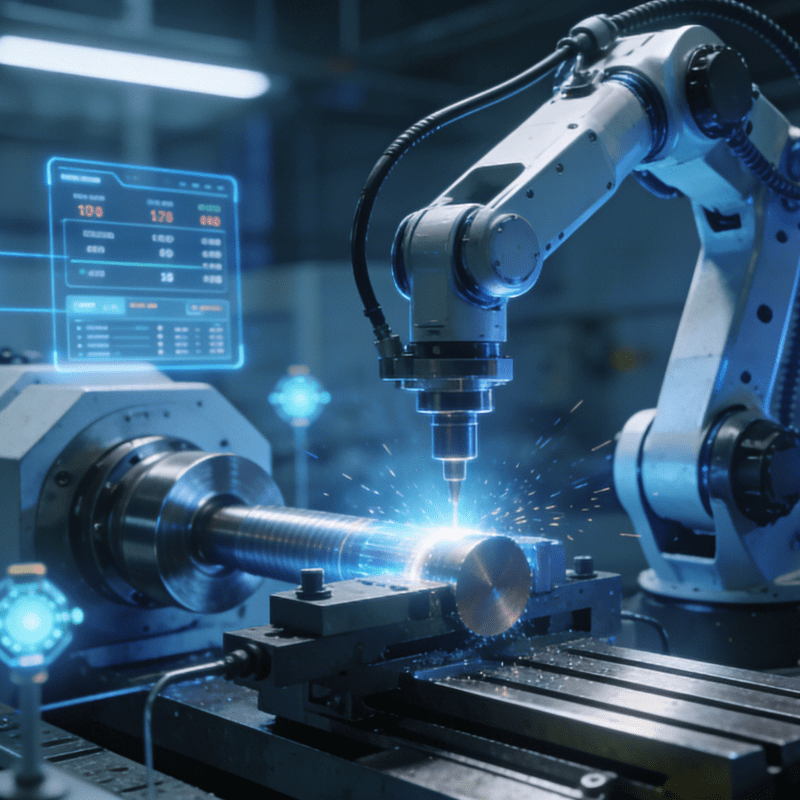
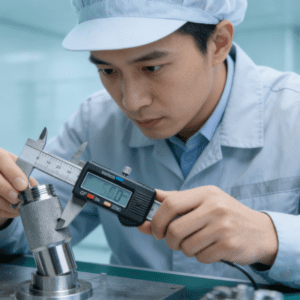
Medical equipment parts are usually composed of precision structures with extremely high requirements for dimensional tolerances. Precision machining can achieve micron-level dimensional control of parts through high-precision equipment and advanced processes. This high-precision control not only ensures the tight fit between components but also improves the overall operational stability of the equipment.
In imaging equipment or surgical instruments, tiny dimensional deviations may lead to mechanical jams, positioning errors, or even performance degradation. Through precision machining, every part can meet strict standards, ensuring that medical equipment maintains a high level of reliability during long-term use.
Machining Capability for Complex Structures Enhances Design Freedom
Medical equipment parts are often designed with complex structures, including curved surfaces, slots, and fine support structures. Traditional machining methods are difficult to fabricate these complex structures, while precision machining can complete diverse machining tasks through highly flexible process solutions.
Precision machining of complex structures not only meets design requirements but also achieves part lightweighting while maintaining structural strength. This is particularly important for medical equipment with higher requirements such as surgical devices and portable instruments.
The Critical Impact of Surface Quality on Service Performance
The surface quality of medical equipment parts directly affects the safety and cleanability of the equipment. Precision machining can control surface roughness and achieve smooth or specially textured surface treatment, making parts easier to clean, corrosion-resistant, and reducing the risk of microbial adhesion.
The combination of high-quality surface treatment and precision machining technology enables medical equipment parts to operate stably for a long time in high-standard hygienic environments, reducing maintenance costs and extending service life.
Guarantee of Assembly Accuracy and Reliability
Medical equipment parts often adopt a modular design, and the accuracy of each part directly affects the overall assembly effect. Precision machining ensures consistent part dimensions and neat edges, enabling a smooth assembly process with minimal errors.
Precision machining not only optimizes the individual accuracy of parts but also improves the overall assembly accuracy, ensuring the stable and safe operation of medical equipment during long-term use.
By precisely controlling machining parameters, the fit clearance between parts is maintained within an ideal range, avoiding the risk of stress concentration or loosening, and laying a solid foundation for equipment reliability.
The Synergistic Effect of Precision Machining and Quality Control
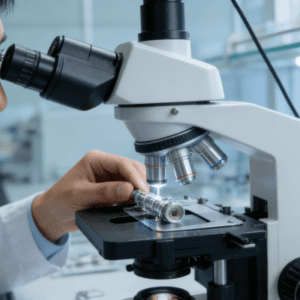
High-precision parts are inseparable from a strict quality management system. Precision machining emphasizes full-process control in the manufacturing process, from material selection and process execution to final inspection. Multiple testing and monitoring measures can detect potential problems in a timely manner, ensuring that every part meets the high standards of the medical industry.
It is this precise and systematic machining and quality control that enable modern medical equipment to achieve high performance, high reliability and long-term stability.
Conclusion
Precision machining plays a core role in the manufacturing of medical equipment parts. Every link, from dimensional accuracy and complex structure machining to surface quality and assembly accuracy, directly affects the performance, safety and service life of medical equipment. With the development of medical technology, precision machining will continue to drive the upgrading of medical equipment and provide a solid technical guarantee for the medical industry.