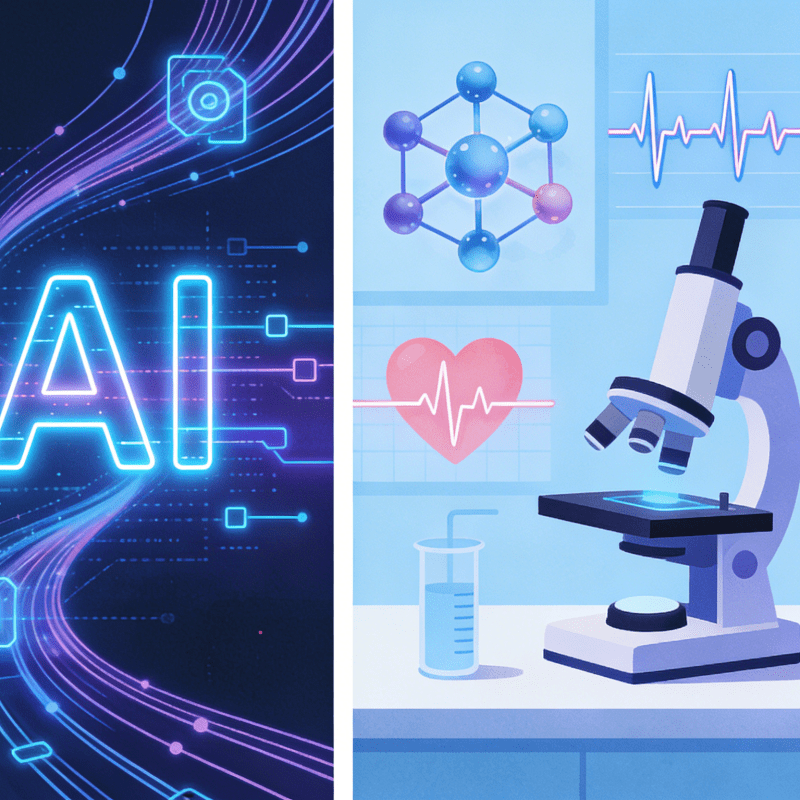
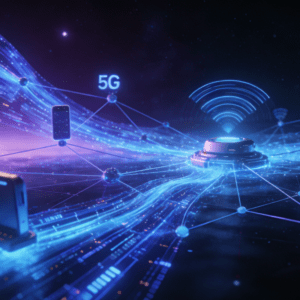
The convergence of Artificial Intelligence (AI), the Internet of Things (IoT), and 5G is a highly anticipated technological evolution that is poised to reshape every industry, economic system, and the way we live our daily lives.
We are living in an era of rapid technological innovation, driven by three key pillars: Artificial Intelligence (AI), the Internet of Things (IoT), and 5G connectivity. These technologies are merging in powerful ways, creating a synergy that is transforming our world. The core of this convergence lies in their combined power, which multiplies exponentially when they work together.
Understanding the Revolution
Artificial Intelligence (AI) trains machines to perform tasks that typically require human intelligence, such as speech recognition, decision-making, visual perception, and language translation. AI can learn from data with remarkable ease, adapt to new inputs, and execute tasks with minimal human intervention.
The Internet of Things (IoT) is fundamentally a network of physical devices—including smartphones, wearables, industrial machinery, and vehicles—equipped with sensors and connected to the internet. These devices can collect and share data in real time, enabling automation and more intelligent decision-making.
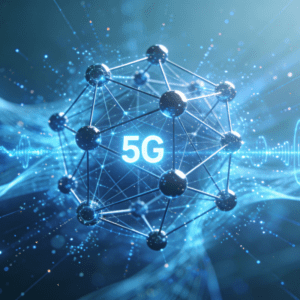
5G is, simply put, the fifth generation of mobile network technology. Compared to 4G, it offers ultra-fast speeds, massive bandwidth, and extremely low latency, making it capable of supporting billions of connected devices and meeting the demands of real-time communication.
The convergence of AI, IoT, and 5G means that all connected devices can collect and process data instantaneously, make intelligent decisions autonomously, and achieve seamless communication.
Impact on Various Industries
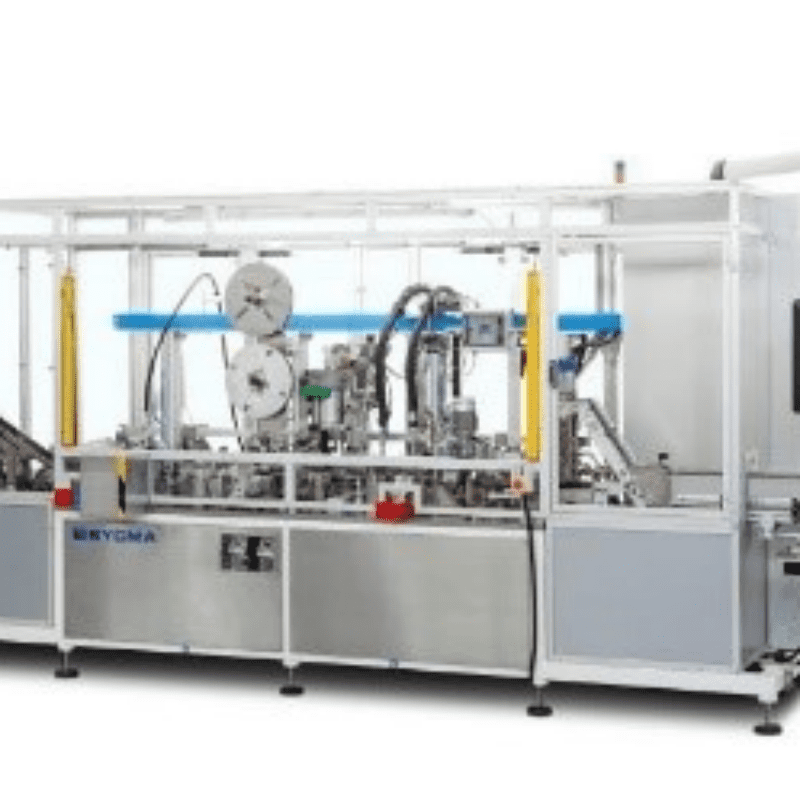
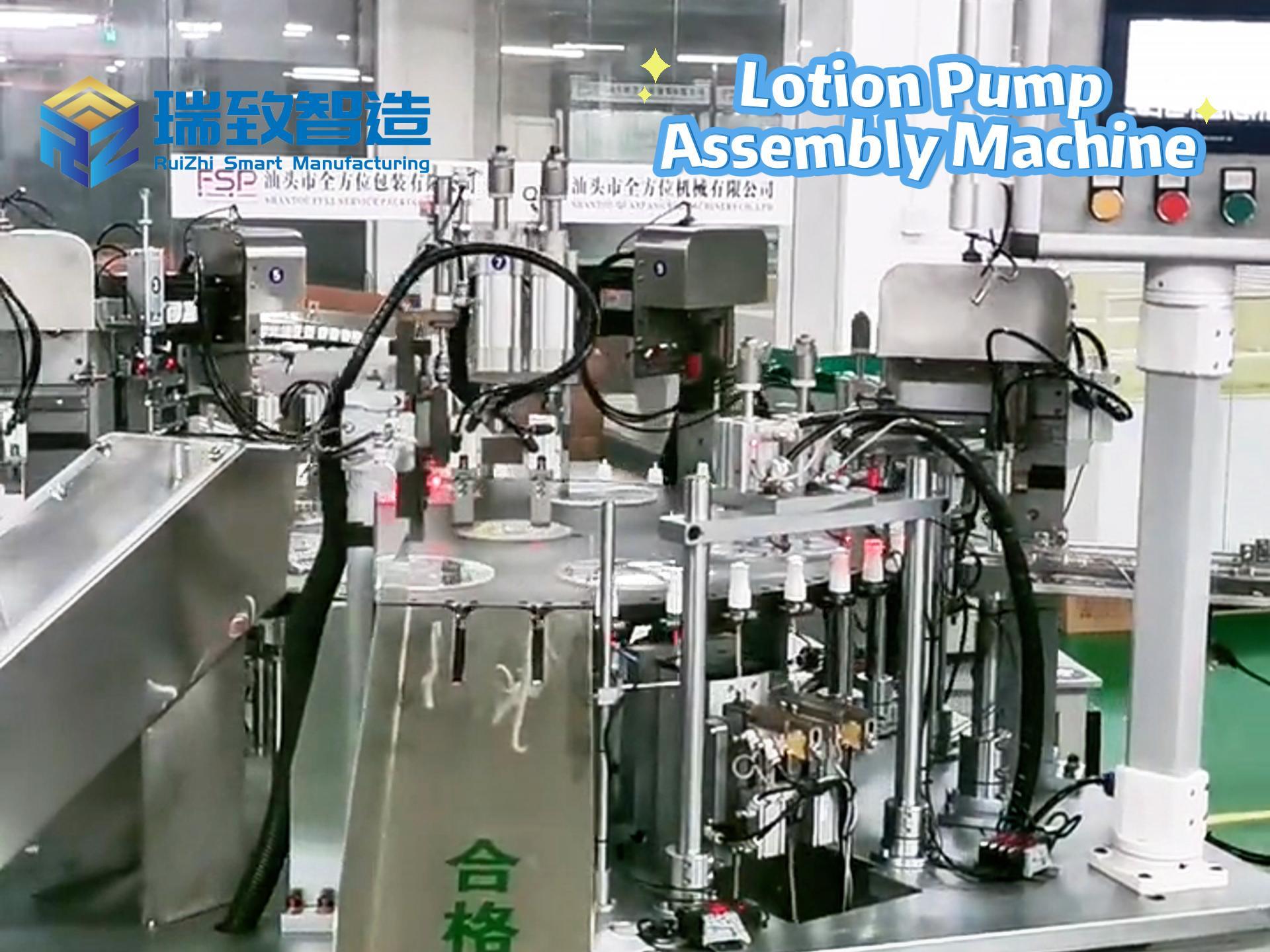
Smart ManufacturingThe convergence of AI, IoT, and 5G is rapidly transforming the manufacturing sector. In smart factories, machines are connected via IoT sensors for real-time performance monitoring. AI algorithms analyze the data to predict equipment failures before they occur. 5G ensures fast communication between machines, systems, and operators, enabling immediate action to be taken.This entire process helps reduce downtime and maintenance costs while improving productivity and product quality. Companies like Siemens and General Electric are investing in such smart factory ecosystems to enhance operational efficiency.
Healthcare InnovationHealthcare is a promising field where the convergence of AI, IoT, and 5G will bring tremendous benefits. Wearable devices can now easily monitor multiple health metrics such as heart rate, blood sugar, and blood pressure around the clock. These devices transmit data to central systems via 5G networks, where AI can analyze it in real time.This enables predictive and preventive healthcare. Patients in rural or remote areas can now access medical services through telemedicine platforms supported by 5G networks. Doctors can use AI-driven diagnostic tools to make faster decisions. In the near future, we may even see AI-assisted surgeries performed via remote 操控 (remote manipulation) of robotic systems over 5G networks.
Smart CitiesSmart cities are no longer a futuristic concept but a reality taking shape, thanks to the convergence of AI, IoT, and 5G. Urban infrastructure, including traffic lights, street lamps, trash bins, and surveillance cameras, is now equipped with sensors. AI analyzes the data in real time to manage traffic flow, reduce energy consumption, and ensure public safety.With 5G networks, city services can respond quickly and efficiently to changing conditions. If a traffic accident occurs, sensors will notify the AI system, which will then re-route traffic in real time. This helps alleviate congestion and shorten emergency response times.
Daily Applications
Autonomous and Connected VehiclesAutonomous vehicles are a prime example of the convergence of AI, IoT, and 5G. These vehicles rely primarily on the combination of sensors (IoT), real-time decision-making (AI), and ultra-low-latency communication (5G). These technologies allow the vehicles to perceive their surroundings and make navigation decisions. They can communicate in real time with each other and with smart infrastructure.This technology clearly enhances convenience, and it also has the potential to reduce traffic accidents caused by human error and improve fuel efficiency. Companies like Tesla and Waymo are investing heavily in this field.
Smart HomesSmart homes are becoming increasingly intelligent, thanks to the convergence of AI, IoT, and 5G. Devices such as smart thermostats, refrigerators, washing machines, and lighting systems can now learn user preferences through AI, communicate with each other via IoT, and respond instantly with 5G technology.Smart homes can now easily learn daily habits, such as automatically turning on lights and starting coffee makers when the user wakes up, and adjusting thermostats based on external weather conditions. All these features, of course, increase comfort while also saving energy and reducing utility bills.
Economic and Social Impact
New Jobs and Economic GrowthThe convergence of AI, IoT, and 5G is creating new types of job opportunities. There is a growing demand for professionals such as data scientists, IoT architects, AI trainers, cybersecurity experts, and 5G infrastructure engineers. These technologies are also having a ripple effect on small businesses and startups that provide supporting services and products.Emerging markets are also benefiting, as they are bypassing outdated technologies and adopting modern systems directly. This is driving economic growth and innovation.
Improved Quality of LifeThe convergence of AI, IoT, and 5G is improving quality of life by enhancing healthcare and public safety, increasing transportation efficiency, and providing personalized services. It empowers individuals to access information better, enjoy smarter services, and live in safer environments.People with chronic diseases can now better manage their health through continuous monitoring. Farmers can also use smart irrigation and pest control systems to increase yields and save water.
Challenges
The convergence of AI, IoT, and 5G also presents several challenges:
Data Privacy and SecurityToday, billions of devices are collecting and transmitting data. Protecting this information is crucial. It is recommended that AI systems be designed with user privacy in mind from the outset. IoT devices must also be built with robust security protocols. If mismanaged, cyberattacks on IoT infrastructure or the misuse of AI algorithms can sometimes lead to catastrophic consequences.
Digital Divide5G infrastructure is not yet universal worldwide. Many rural or underdeveloped areas still lack high-speed internet access. Not everyone has access to IoT devices today. Therefore, policymakers need to ensure that technological development is inclusive and accessible to all.
Ethical ConsiderationsAI can sometimes exhibit biases based on the data it is trained on. If these biases are applied in healthcare, hiring, or law enforcement, they can have serious consequences. The convergence of AI, IoT, and 5G should be guided by clear ethical frameworks and regulations to ensure fairness and accountability.
The Future
The convergence of AI, IoT, and 5G is certain to continue evolving in the near future. 5G will become more widespread, and AI models will be even more powerful than they are today. The potential for automation, personalization, and interconnectedness will continue to expand.
Imagine smart highways in the future that dynamically adjust lanes based on traffic flow. Imagine wearables that can alert doctors even before a person feels symptoms. Schools could use AI-powered robots to provide personalized tutoring based on each student’s learning abilities. Environmental agencies could use data collected by IoT sensors and satellite AI systems to predict and mitigate the impact of natural disasters.
Edge computing will play a more transformative role in the near future. Data processing will be done near the source of the data, rather than in distant data centers. This will make the convergence of AI, IoT, and 5G even more powerful, enabling instant, localized decision-making.
Conclusion
The convergence of AI, IoT, and 5G is profoundly changing the way we interact with the world around us. It heralds a future that is interconnected, smarter, and more efficient, spanning homes, hospitals, cities, and factories.
However, this transformation comes with corresponding responsibilities. We need to ensure privacy and security, promote inclusivity, and build systems that benefit humanity. Governments, businesses, and communities need to work together to establish frameworks that guide this convergence in the right direction.
In summary, this is not just a story about machines and networks—it is a story about people. It is about how we live, work, and connect with one another. The convergence of AI, IoT, and 5G is undoubtedly the next major trend, and it is also the cornerstone for building a better, smarter future.