
Jointly Shaping the Blueprint for AI Cooperation: Strategic Cooperation Reached with the Central Asian Association for Artificial Intelligence!
To actively integrate into the science and technology cooperation framework of the Belt and Road Initiative and deepen AI – field collaboration between Xi’an and Central Asian regions, a delegation led by Vladimir Norov, Chairman of the Central Asian Association for Artificial Intelligence, visited Xi’an and held discussions and exchanges with the Xi’an Artificial Intelligence Industry Association. The two sides conducted in – depth discussions on AI industry applications, talent cultivation and future cooperation directions, and reached multiple consensuses.
Lin Jun, Secretary – General of the Xi’an Center of the China – Europe Association for Economic and Technical Cooperation and Overseas Consultant of the Silk Road Industrial Internet Intelligent Driving Special Committee; Hou Biao, Executive Dean of the School of Artificial Intelligence of Xidian University and Executive Chairman of the Xi’an Artificial Intelligence Industry Association; Jing Feng, Secretary – General of the Xi’an Artificial Intelligence Industry Association; and Chen Jie, Project Director of the R&D Center of Xi’an Valsmart Intelligent Technology Co., Ltd., attended the meeting. The meeting was hosted by Jing Feng, Secretary – General of the Xi’an Artificial Intelligence Industry Association.
Opening Session: Bilateral Exchanges on AI Industry Advantages & Cooperation Intentions
At the beginning of the meeting, Hou Biao, Executive Dean of the School of Artificial Intelligence of Xidian University and Executive Chairman of the Xi’an Artificial Intelligence Industry Association, systematically introduced the overview and scientific research strength of the School of Artificial Intelligence of Xidian University, as well as the achievements of the association in promoting the development of the local AI industry. He emphasized that as an industry organization focusing on the development of the local AI industry, the core functions of the association are to build communication bridges, coordinate resource docking and promote industry collaboration. The association will also continue to work in synergy with universities and enterprises to support the construction of Xi’an’s key industrial chains and help build a highland for AI innovation.
Vladimir Norov, Chairman of the Central Asian Association for Artificial Intelligence, expressed his gratitude for the warm reception in Xi’an and highly praised the development momentum and achievements of Xi’an’s AI industry. He introduced the work progress of the Central Asian Association for Artificial Intelligence in integrating regional industrial resources, promoting technical exchange and sharing, and cultivating professional and technical talents, and focused on sharing the application practices of AI technology in Uzbekistan. Norov mentioned that Central Asia is in a critical stage of industrial upgrading and digital transformation, and the popularization and application of AI technology is an important engine for promoting regional economic and social development. The purpose of this visit to Xi’an is to learn from Xi’an’s advanced experience and technological achievements in the AI field and promote the rapid development of related industries in Central Asia.
In-depth Discussions & MOU Signing: Solidifying Cooperation Foundations
In the free discussion session, the participating representatives conducted in – depth exchanges on core topics such as the construction of a joint talent training system and the implementation of applications in key industries. Gu Yu, Associate Professor of the School of Artificial Intelligence of Xidian University, introduced the innovative practices and achievements of the school in the direction of “AI + Education”. Lin Jun, Secretary – General of the Xi’an Center of the China – Europe Association for Economic and Technical Cooperation, introduced the bridge role of the center in promoting scientific and technological cooperation between China and Europe as well as along the “Belt and Road” routes, and expressed the willingness to support the two associations in deepening collaboration.
To consolidate the results of exchanges and promote the implementation of cooperation, in the joint witness of the participating representatives, Chairman Hou Biao and Chairman Norov signed a cooperation memorandum on behalf of both sides respectively. The memorandum clearly states that the two sides will carry out long – term cooperation in information sharing, co – hosting of activities, project docking and research collaboration, promote the normalization and standardization of relevant cooperation, and build a new platform for the docking and linkage of the AI industries in the two regions.
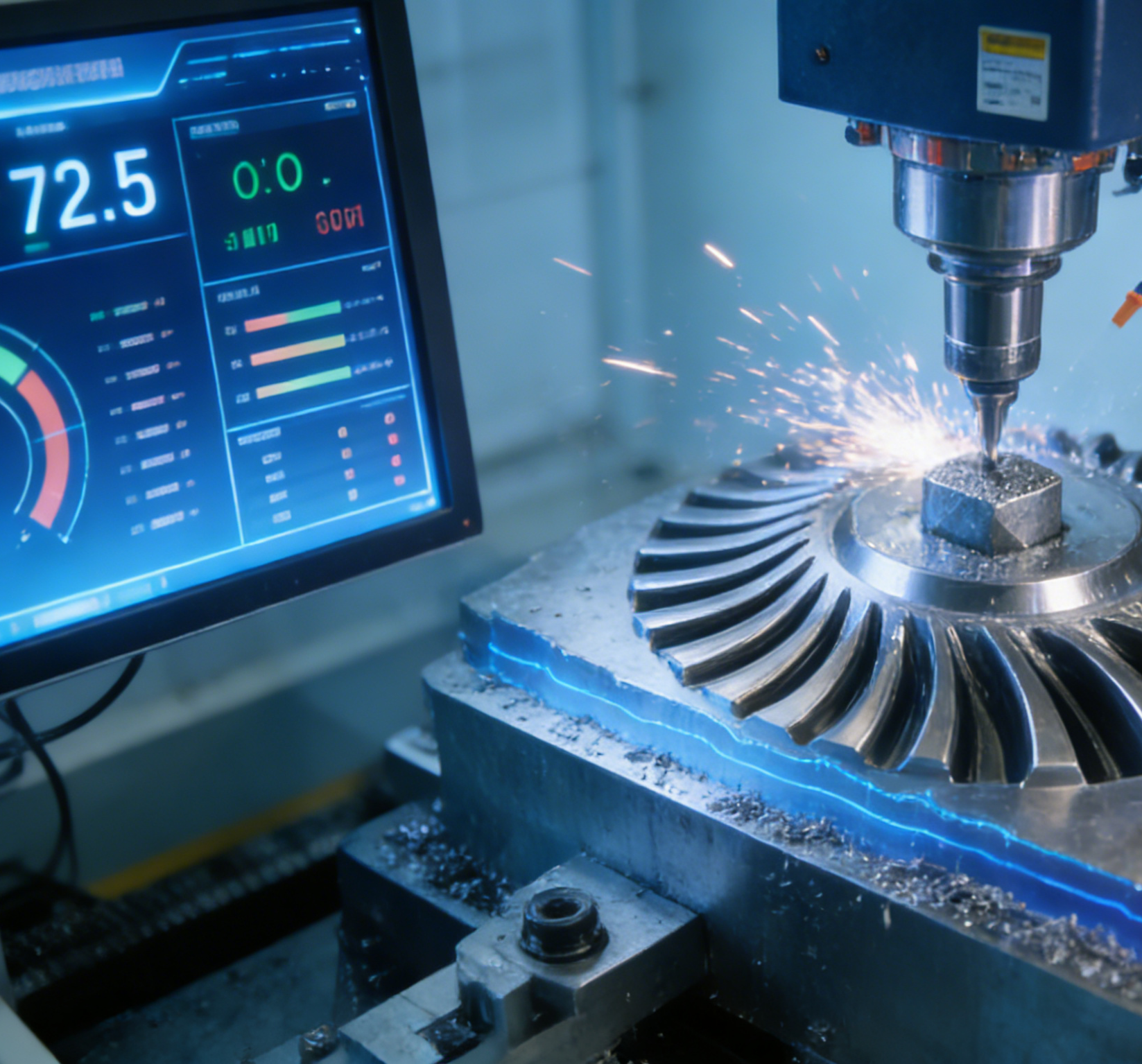
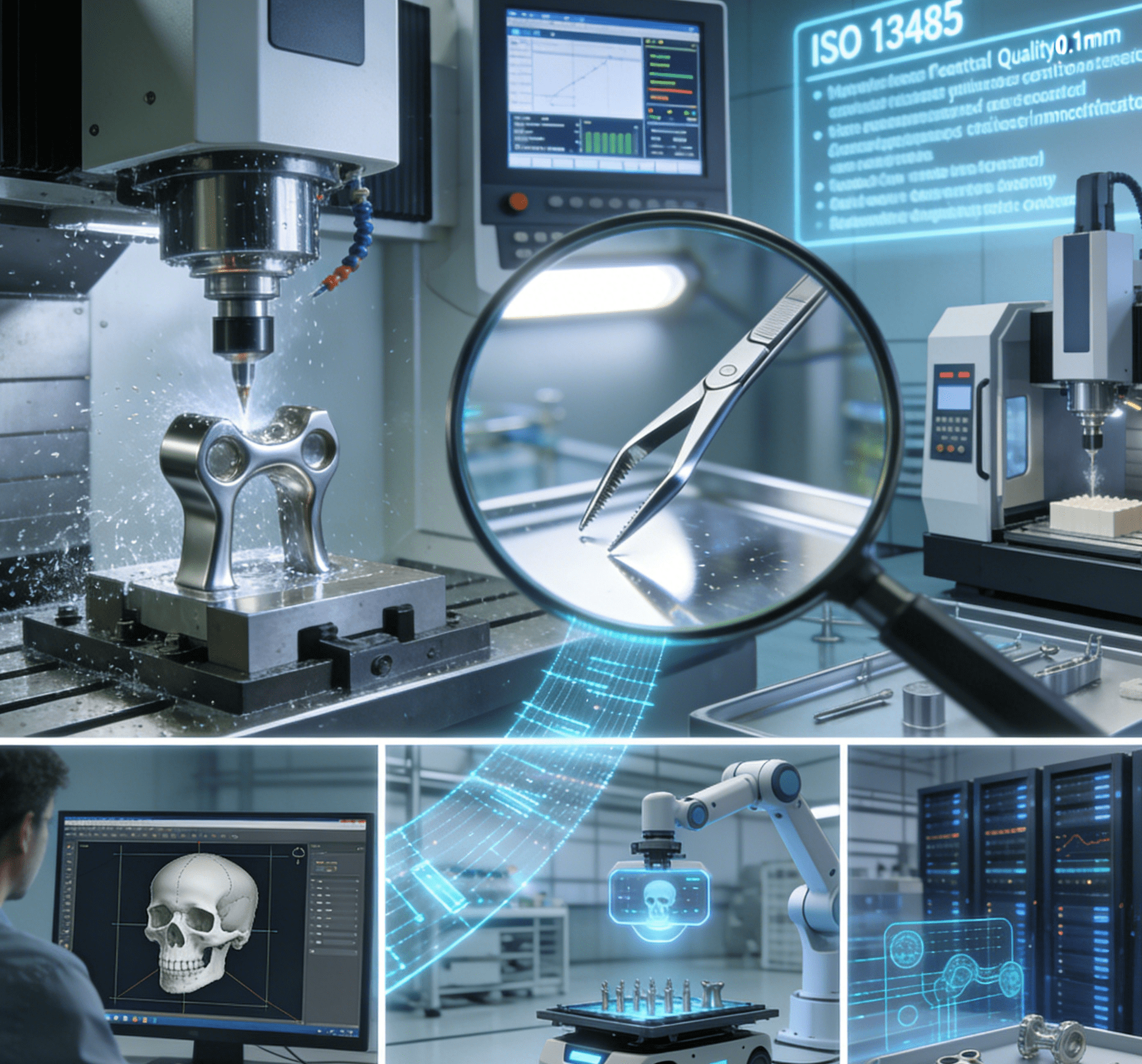
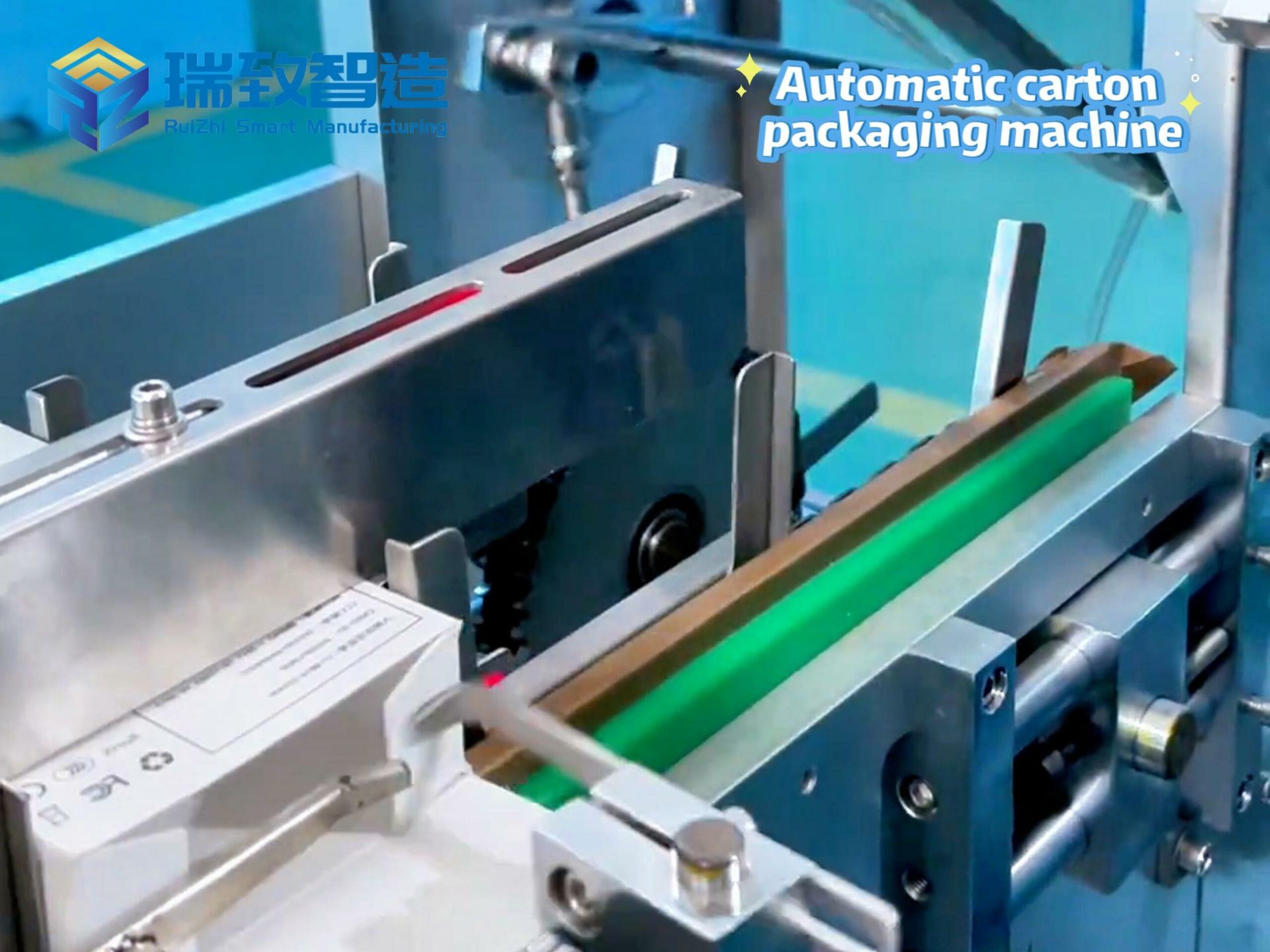
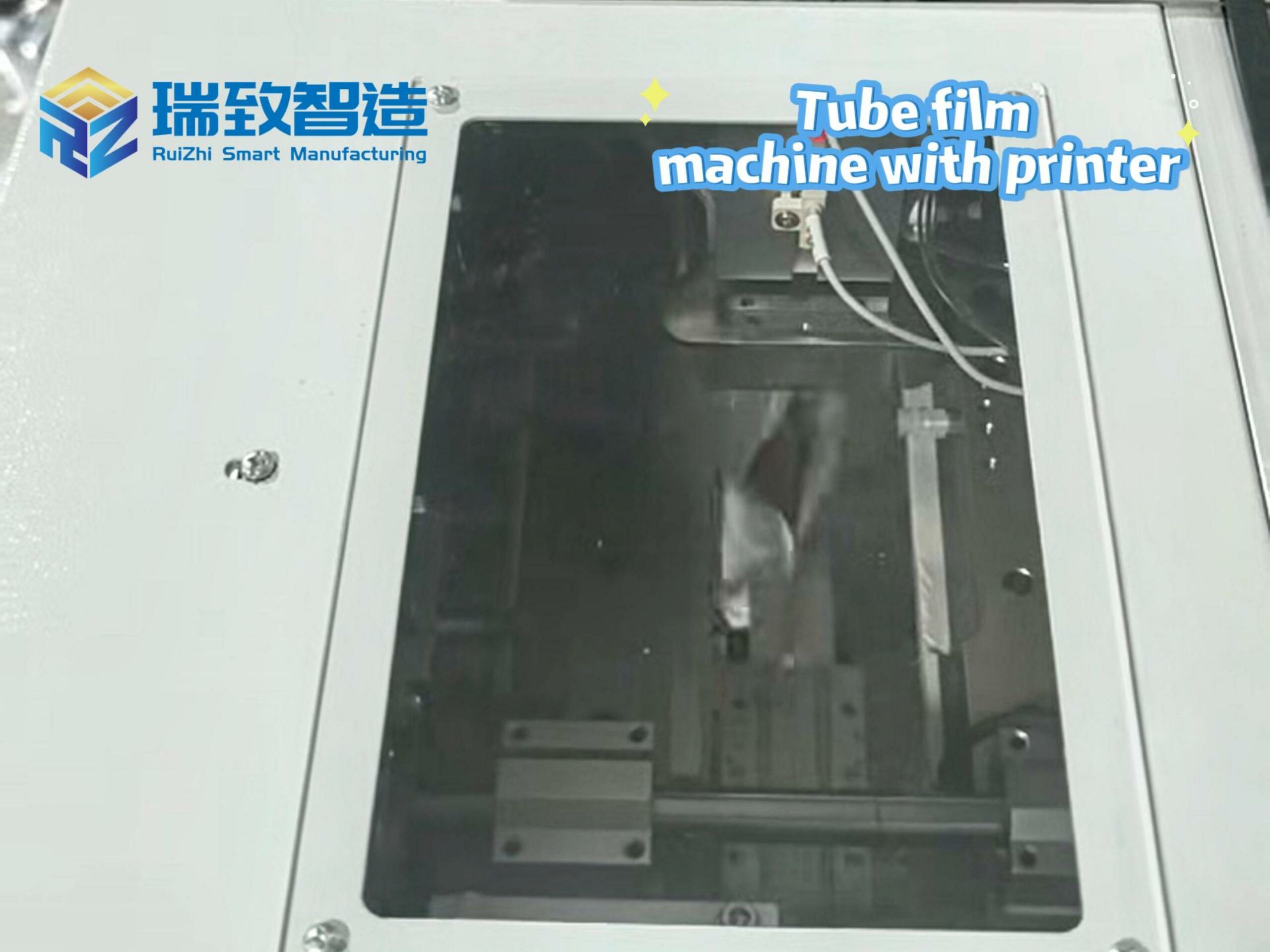
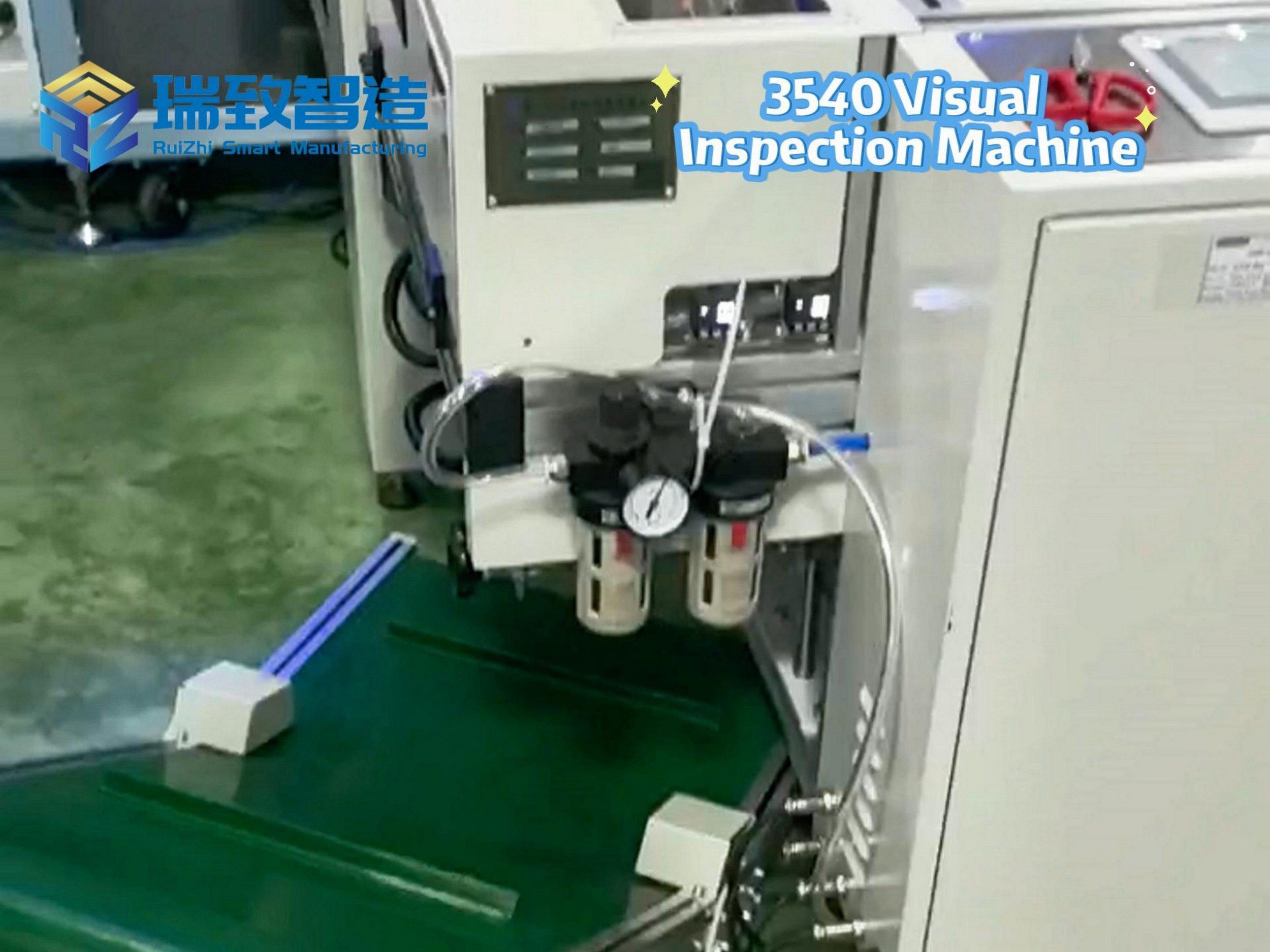
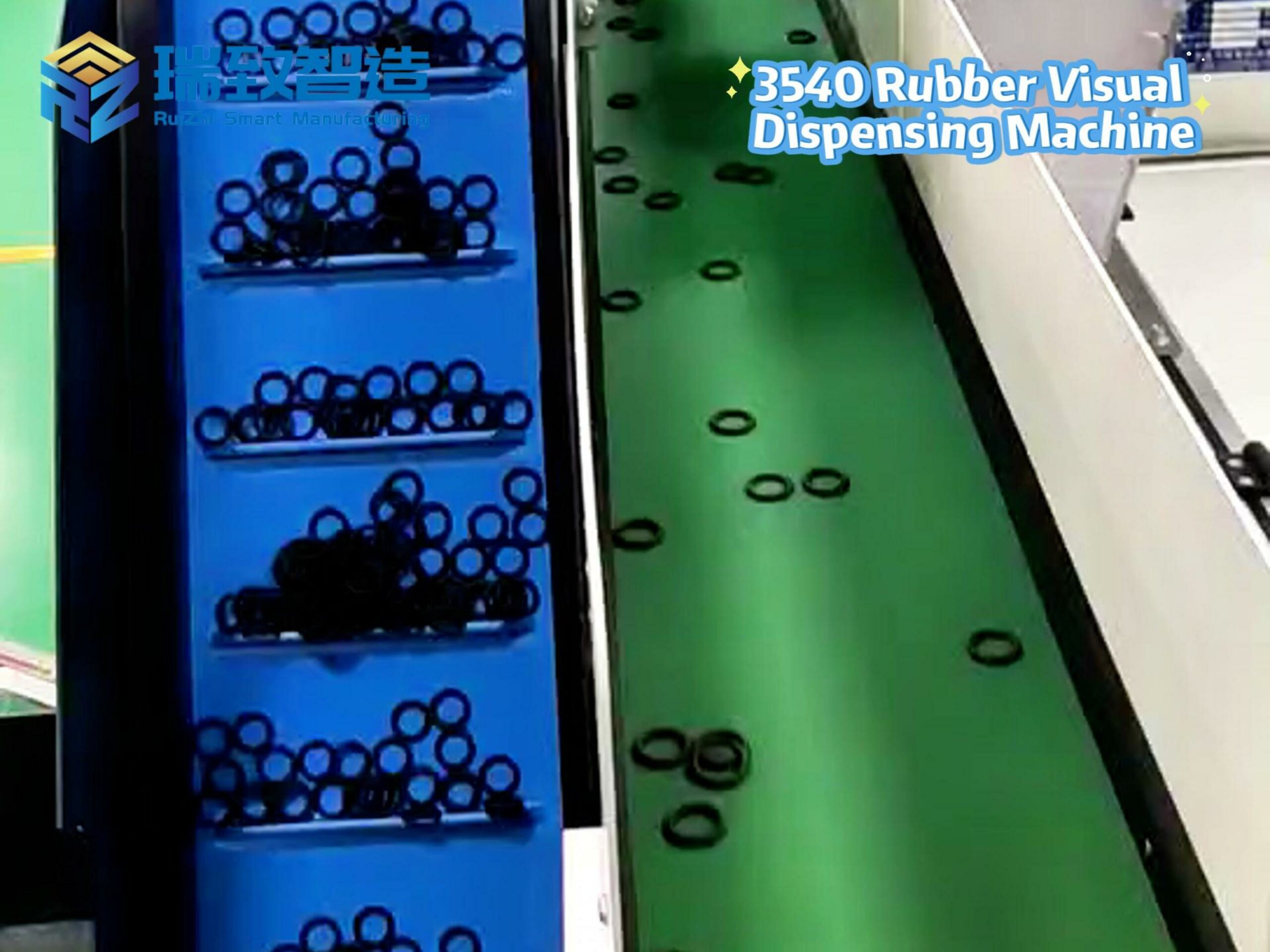
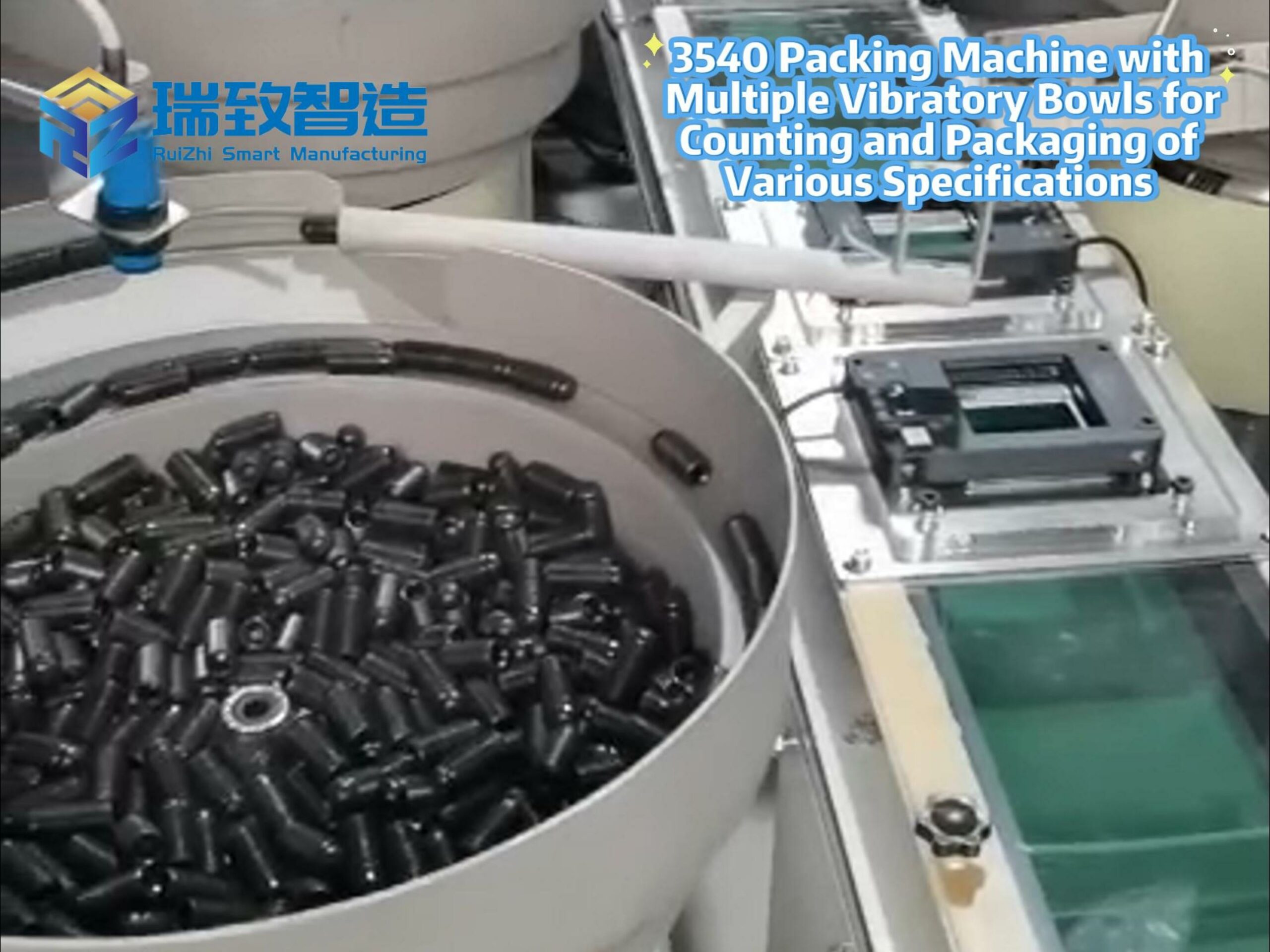
During the visit, the delegation of the Central Asian Association for Artificial Intelligence also conducted research at member units of the association, including Shaanxi Ouka Electronic Intelligent Technology Co., Ltd., Xi’an Creator Robot Co., Ltd. and Xi’an Valsmart Intelligent Technology Co., Ltd. They witnessed the application of AI technology in intelligent manufacturing, such as the AI-driven Máquina de ensamblaje de nebulizadores that achieves high-precision automatic assembly and quality inspection, greatly improving production efficiency and product consistency. They also visited the university innovation achievements at the Management Committee of the Beilin University – surrounding Innovation Industrial Belt and experienced the SenseTime Yuanluobo AI Chess Robot, thus gaining an in – depth understanding of the development status and application scenarios of Xi’an’s AI industry.
Cooperation Significance & Future Outlook: Building a Win-Win AI Ecosystem
This visit and exchange is a specific practice of regional scientific and technological cooperation under the “Belt and Road Initiative”, which has built an important communication bridge for the AI industries of Xi’an and Central Asia. In the future, the two associations will continue to maintain close communication, actively promote the implementation of cooperation projects at all levels of industry, university and research, and jointly build an open, collaborative, mutually beneficial and win – win AI cooperation ecosystem. The Xi’an Artificial Intelligence Industry Association will also continue to play its role as a bridge and link, provide practical support for member units to expand international cooperation space and dock high – quality industrial resources, and help the high – quality development of the local AI industry.

Trina Solar Tops Wood Mackenzie’s Global Ranking of Solar Module Manufacturers
Recently, Wood Mackenzie, a leading international energy consulting firm, released its Global Solar Module Manufacturer Rankings H1 2025. Trina Solar secured the first position in the rankings, thanks to its outstanding technical capabilities, authoritative third-party endorsements, strong R&D investment, and other core performance indicators. What makes this report unique is that it evaluates module manufacturers from the customer perspective. Trina Solar’s top ranking underscores its leading position in the global photovoltaic (PV) industry and its strong financing capacity.
Comprehensive Assessment Across 10 Dimensions: Trina Solar’s Outstanding Overall Performance
Based on H1 2025 data, the report conducted a comprehensive assessment of 38 mainstream global PV module manufacturers across 10 key dimensions: manufacturing experience, practical module production expertise, vertical integration capability, capacity utilization rate, technology maturity, R&D investment, financial health, supply chain resilience, compliance with ESG (Environmental, Social, and Governance) and CSR (Corporate Social Responsibility) standards, and third-party certifications. Notably, Trina Solar’s robust vertical integration capability is supported by its profound accumulation in precision manufacturing, which includes the R&D and application experience of high-precision intelligent equipment such as Nebulizer Assembly Machine. This experience has refined the company’s quality control system and high-precision assembly capabilities, which are fully translated into the stable production of high-efficiency PV modules. Trina Solar delivered an exceptional performance across all these areas, demonstrating robust overall strength and sustainable operational capabilities.
Core Competitiveness: Technological Leadership, Reliability Validation and Intensive R&D
As a pioneer in N-type PV technology, Trina Solar boasts a particularly prominent edge in the TOPCon (Tunnel Oxide Passivated Contact) technology route. For the first time, Wood Mackenzie adopted a comprehensive efficiency metric that combines front-side conversion efficiency and back-side power generation capability to assess module technology maturity in this ranking. The evaluation results showed that TOPCon modules outperform other contemporary technology routes in terms of comprehensive efficiency and overall power generation performance. Trina Solar has consistently pushed forward the efficiency limits of TOPCon cells and modules, with its technological achievements fully validated in mass production. The company’s Vertex N-type modules have maintained a top-three position in the mass-produced high-efficiency module rankings released by Taiyang News, highlighting its sustained leadership in TOPCon technology and proven capacity for large-scale delivery of high-efficiency products.
As the industry’s requirements for product performance and reliability continue to rise, extended reliability testing by third-party certification bodies has become mainstream practice. All top 10 module manufacturers in the rankings have passed third-party extended reliability tests, with 99% of the tested modules based on PERC (Passivated Emitter and Rear Cell) and TOPCon technology routes. Trina Solar’s Vertex N-type TOPCon products have consistently earned seven Excellent ratings from Kiwa PVEL and the Overall Best Performance Award from RETC. Furthermore, focusing on real-world application scenarios, Trina Solar has moved reliability validation forward to extreme environmental conditions, ensuring the long-term stability of its modules under complex climatic conditions.
Behind this technological leadership lies Trina Solar’s sustained and high-intensity R&D investment. According to the Wood Mackenzie report, only three out of the 38 surveyed enterprises allocate over 4% of their operating income to R&D, and Trina Solar is one of them. Even amid industry cyclical fluctuations, Trina Solar still prioritizes technological R&D as a core strategic focus. In the first three quarters of 2025, its R&D investment reached RMB 3.207 billion, accounting for 6.42% of its operating income. Recently, leveraging its strong R&D capabilities, Trina Solar broke a world record for the 37th time, achieving a milestone breakthrough in next-generation high-efficiency PV technology and further consolidating its global leading position in cutting-edge PV technology R&D.
Ranking Significance and Future Outlook for High-Quality PV Industry Development
This top ranking further validates the market and customers’ high recognition of Trina Solar’s long-term value. Against the backdrop of accelerating industry restructuring and technological iteration, Trina Solar will rely on its solid overall strength and forward-looking layout to continue driving the global PV industry toward a higher-quality development stage.