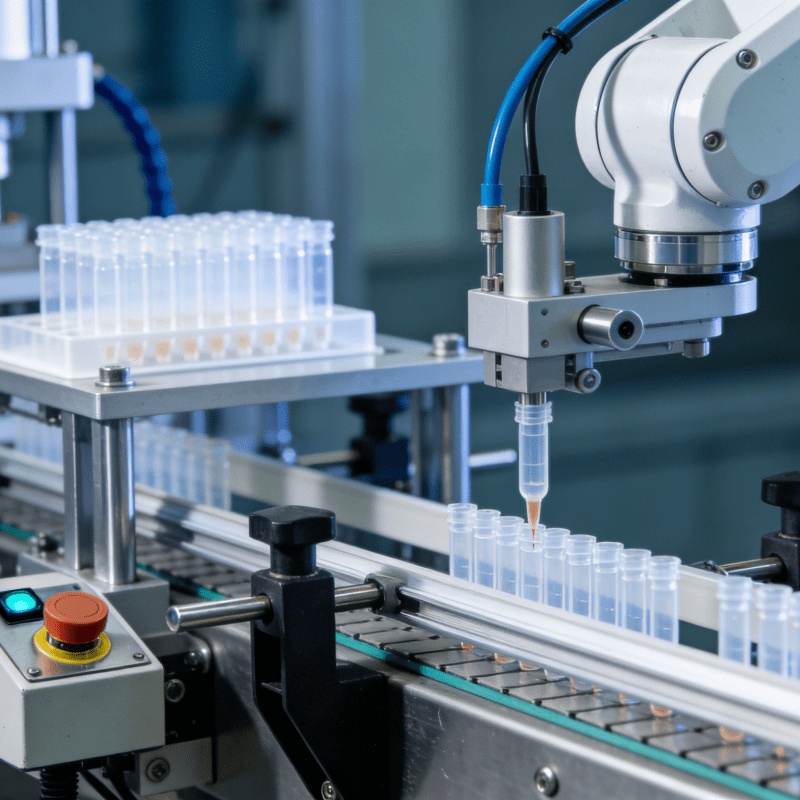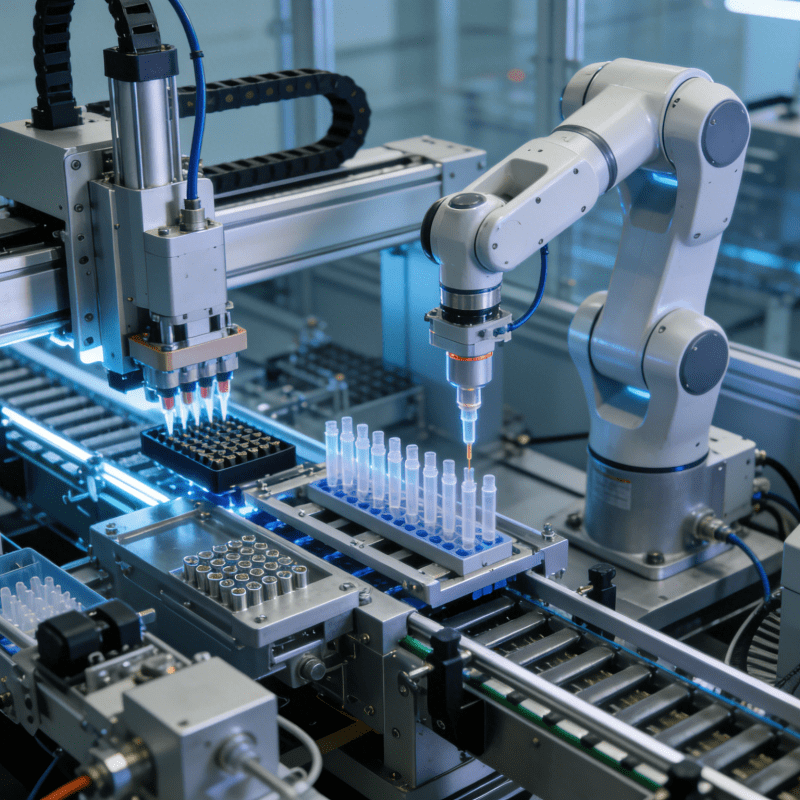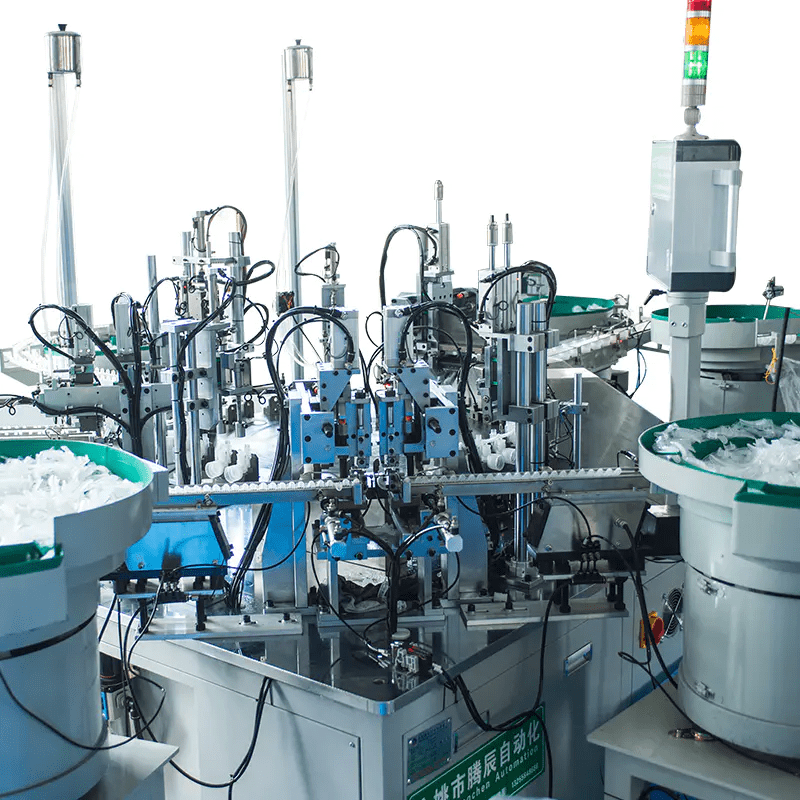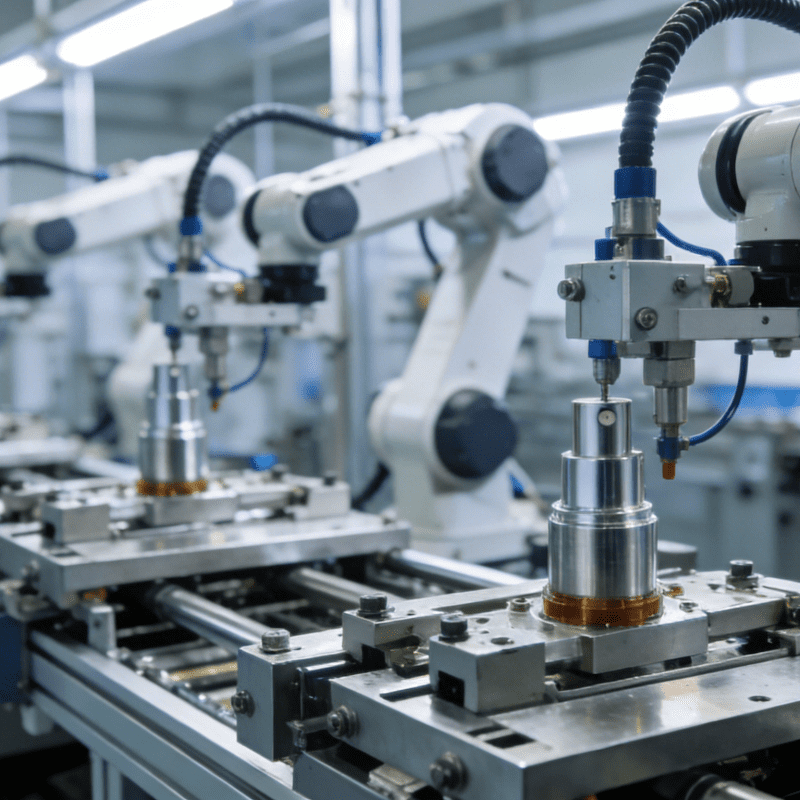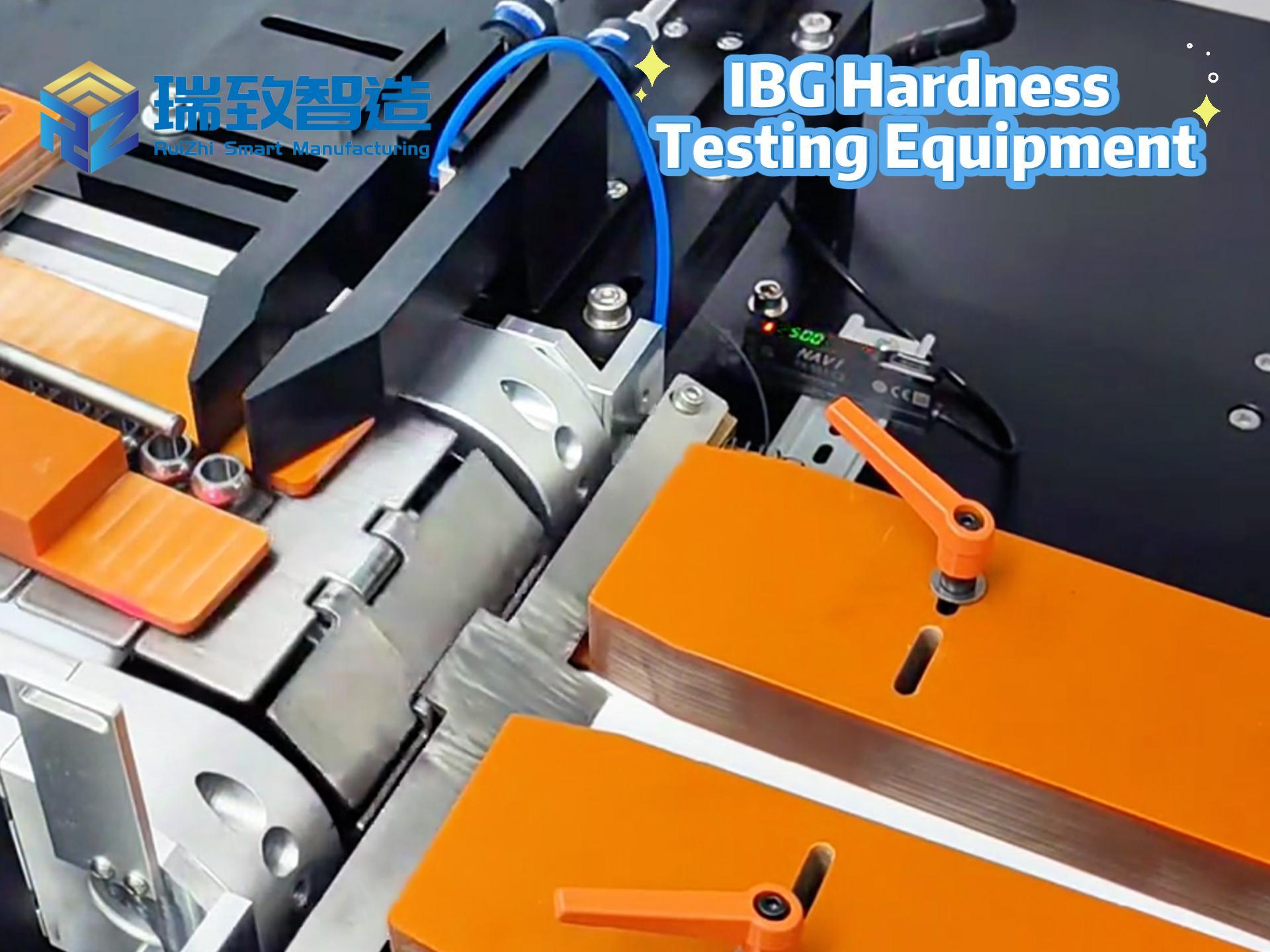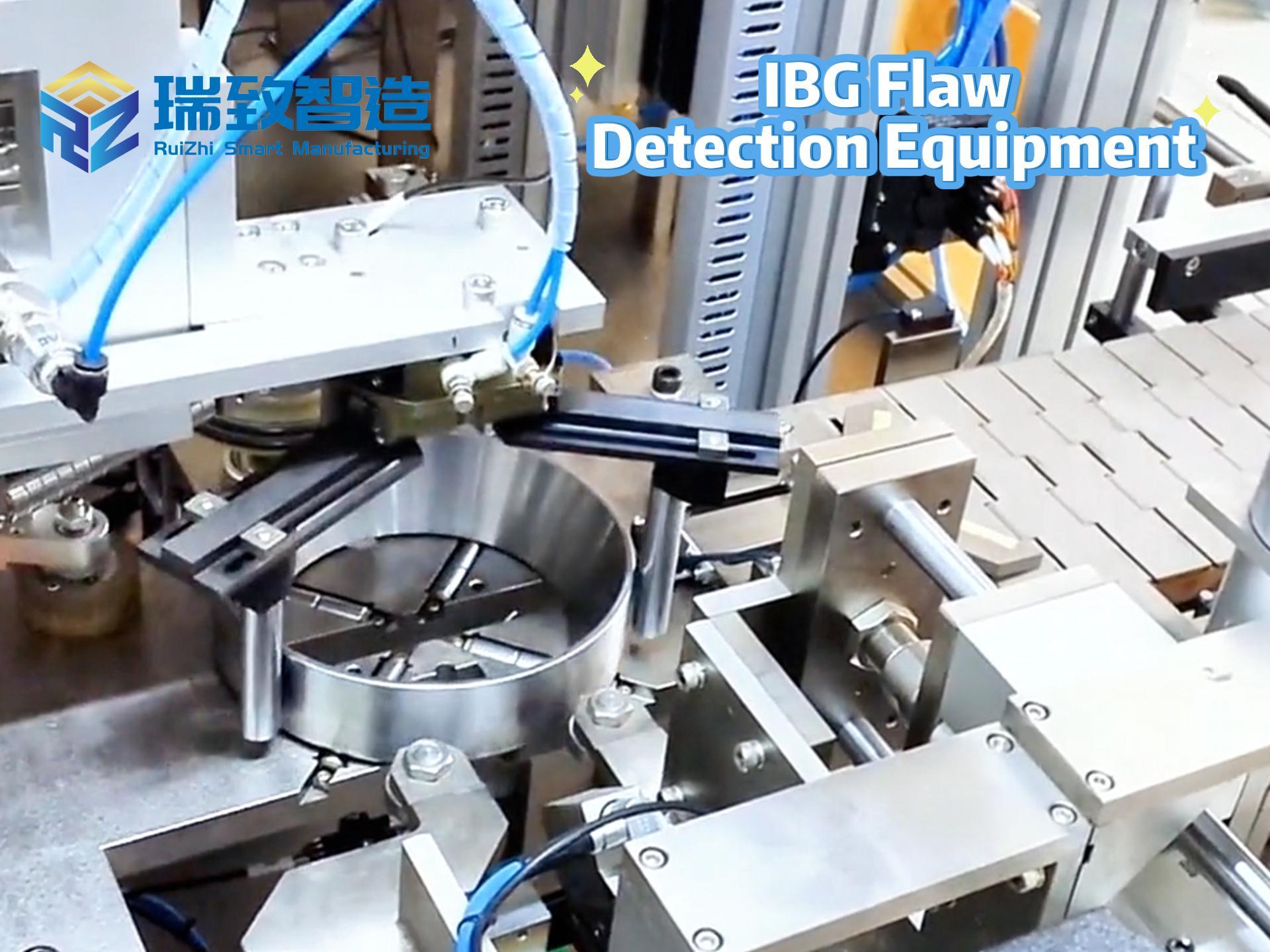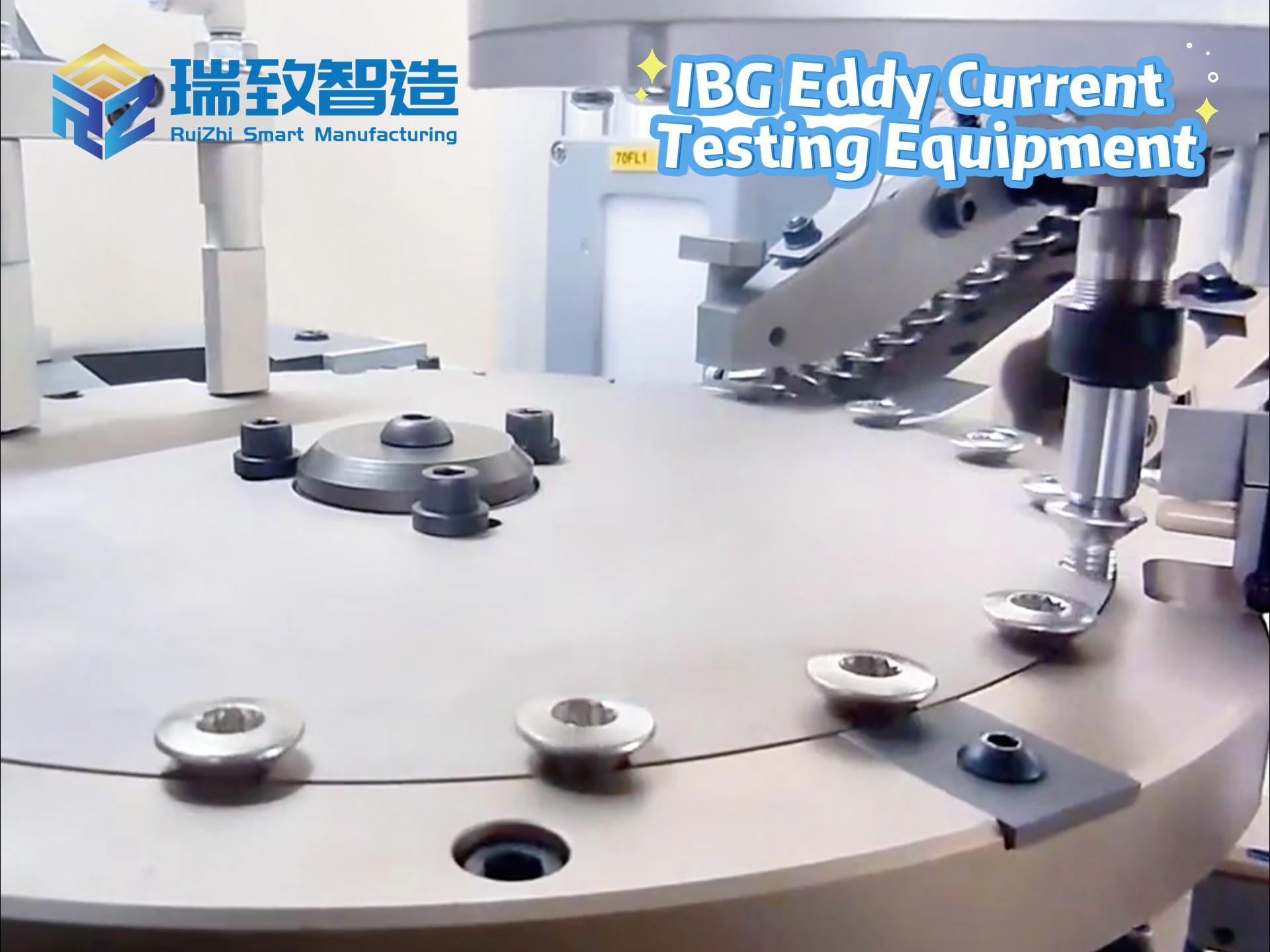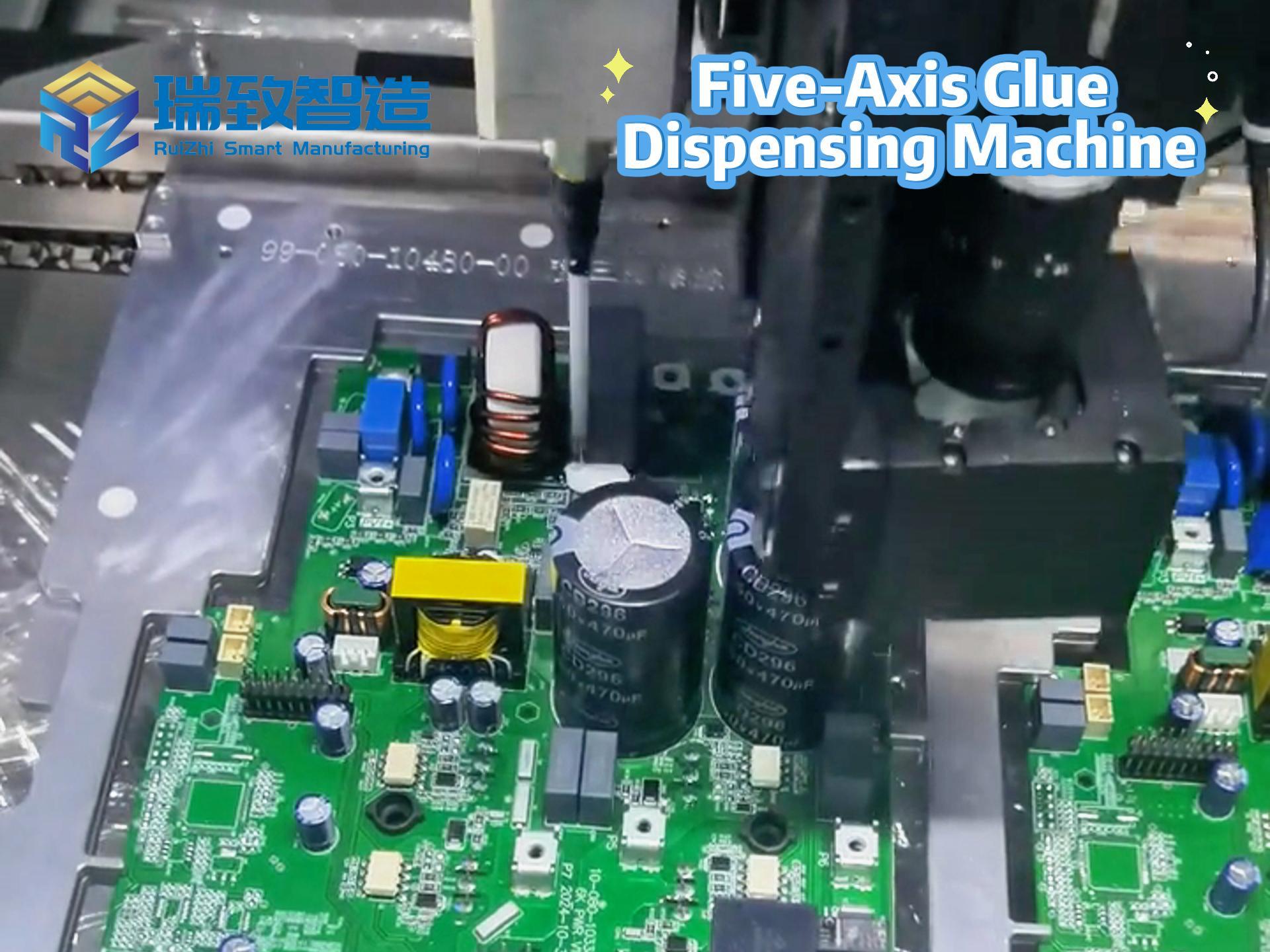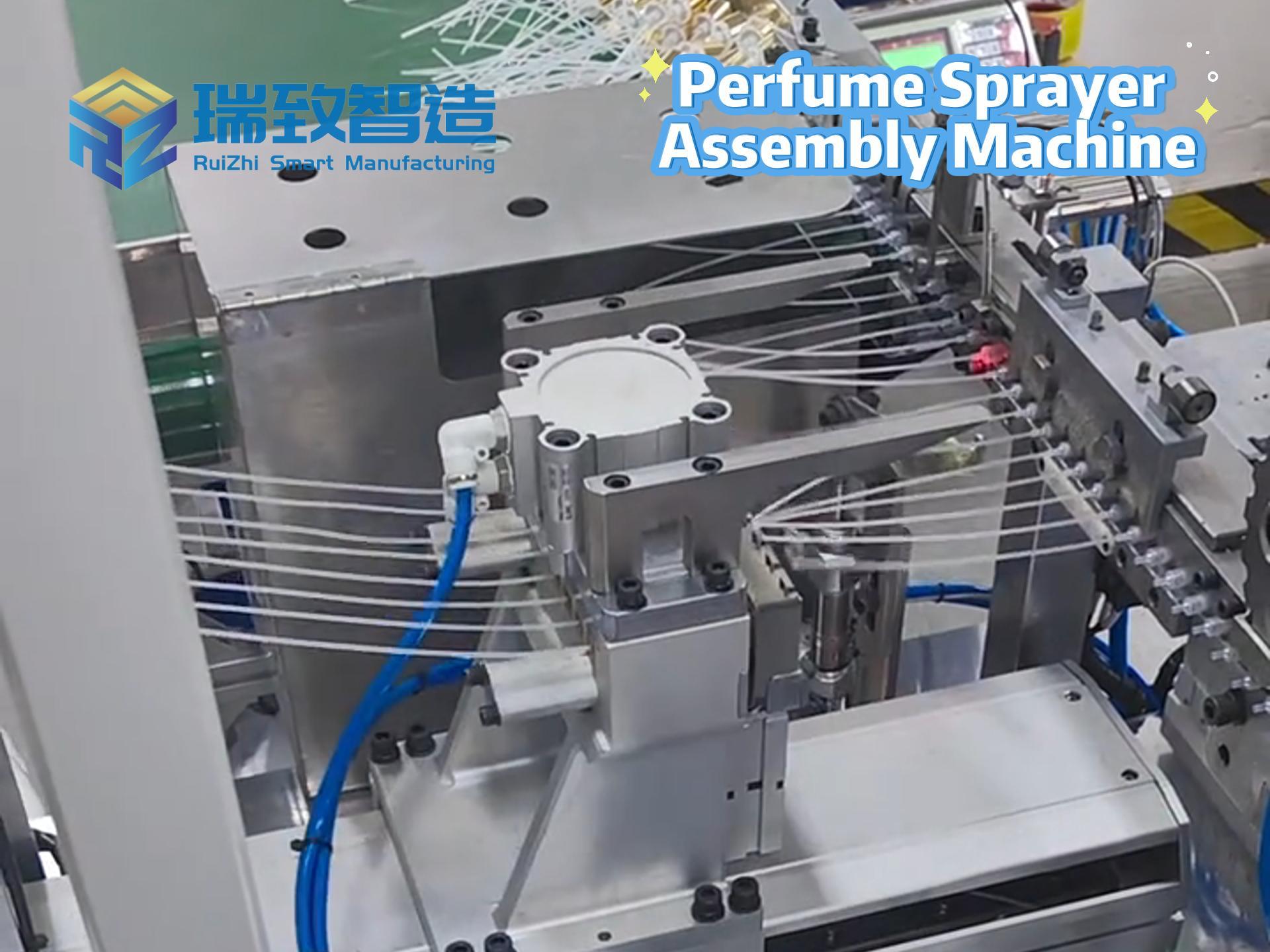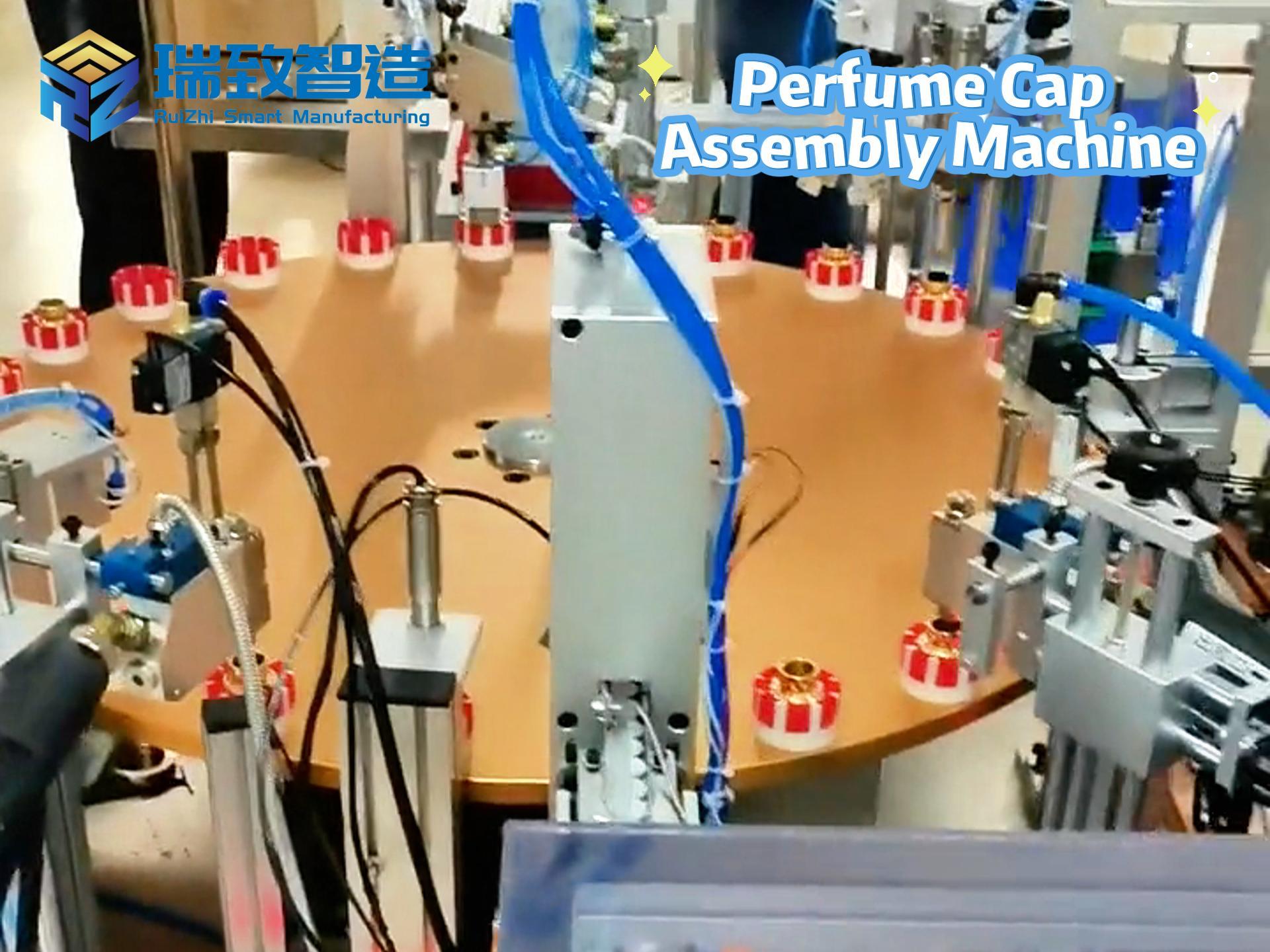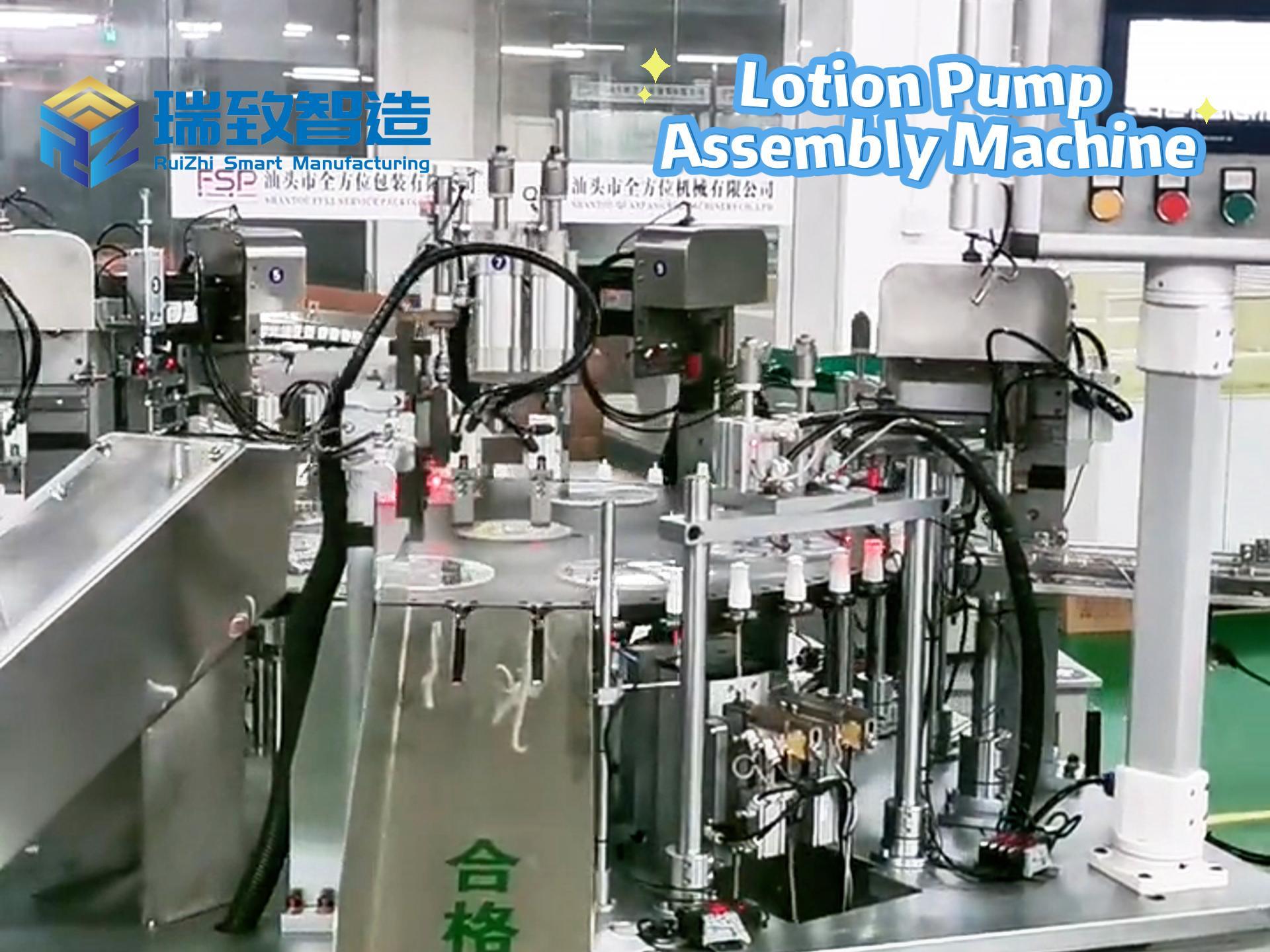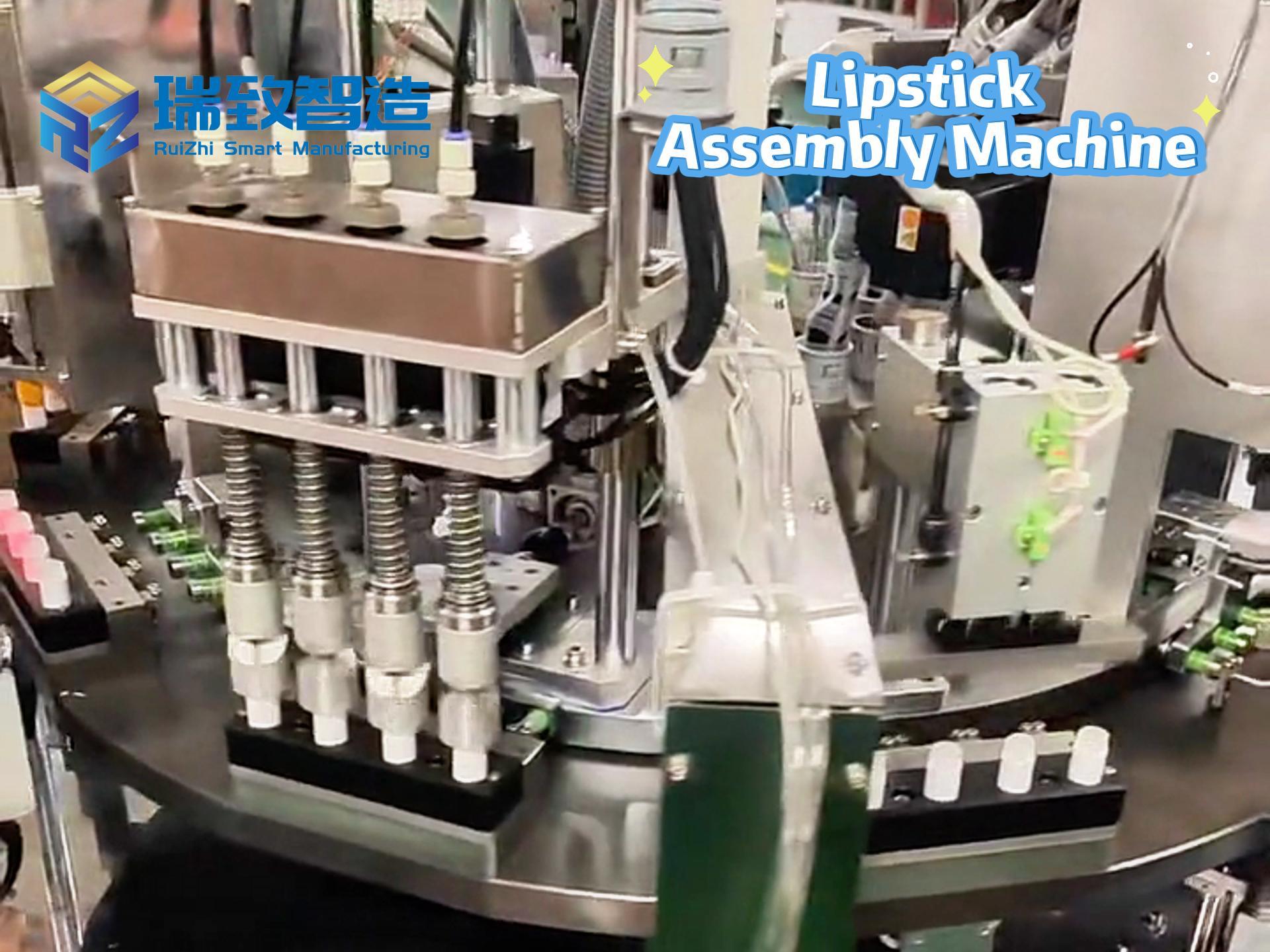
In the field of high-end manufacturing, precision manufacturing processes are the core lifeline determining product performance and core competitiveness. From nanometer-scale processing of semiconductor chips and micrometer-scale forming of aero-engine blades, to miniaturized manufacturing of medical devices and high-precision matching of core components in new energy vehicles, precision manufacturing, centered on digitalization and intelligence, is breaking through the boundaries of traditional processing and becoming a key engine driving the manufacturing industry toward high-end transformation. In 2026, the global precision manufacturing market continues to expand, with accelerated iteration of core technologies and faster scenario implementation, reshaping the global industrial competitive landscape.
From Micrometer to Nanometer-Scale Precision
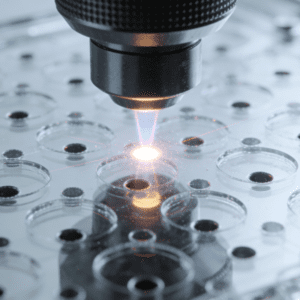
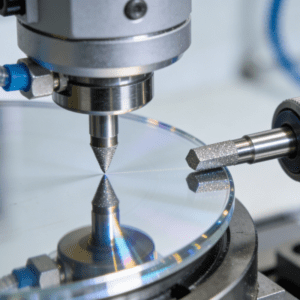
The essence of precision manufacturing lies in the ultimate control of machining accuracy, efficiency and consistency. Its precision level has evolved from the traditional micrometer scale to the sub-micrometer and nanometer era. As a fundamental process, ultra-precision cutting, supported by single-crystal diamond tools and air-bearing spindles, enables the machining of optical curved surfaces with surface roughness below 1 nanometer, widely used in core fields such as lithography machine lenses and high-end optical instruments. The maturity of femtosecond laser machining has become a “game-changer” in micro-manufacturing. Its ultra-short pulse feature enables heat-affected-zone-free processing. In semiconductor TGV glass via drilling, it can produce precision micro-holes with a diameter of less than 40 micrometers and an aspect ratio exceeding 24:1, greatly improving the integration level of chip packaging.
The Key Development Trend in 2026
The deep integration of digitalization and intelligence represents the core development trend of precision manufacturing in 2026. Virtual machining platforms built with digital twin technology support process simulation and parameter optimization in the product R&D stage, reducing the traditional trial-and-error cycle by more than 30%. Intelligent machine tools from leading enterprises automatically optimize cutting parameters through AI algorithms, controlling machining accuracy fluctuations within 0.001 mm. Meanwhile, the Zygo ZPS sensor system achieves sub-nanometer positioning measurement, solving the “homing” problem of precision equipment after power failure and restart, and forming a closed-loop control system of “perception–decision–execution”, freeing precision manufacturing from over-reliance on manual experience.
Applications of precision manufacturing have penetrated all core areas of high-end manufacturing, serving as a critical pillar for the upgrading of downstream industries. In semiconductors, as glass substrates gradually replace silicon substrates, precision laser processing enables efficient manufacturing of photonic integrated components, providing core hardware support for 5G communications and AI accelerators. In medical devices, manufacturers use precision processing to produce surgical suture needles with an aperture of 60–130 micrometers, meeting the strict requirements of minimally invasive surgery while ensuring material biocompatibility. In aerospace, five-axis linkage precision processing achieves one-setup forming of engine blades, minimizing cumulative errors and directly improving aircraft fuel efficiency and flight safety.
The boom of the new energy vehicle industry has further driven technological innovation in precision manufacturing. Machining accuracy requirements for core components of NEV motors and electronic control systems are 50% higher than those of traditional fuel vehicles. The hybrid process of precision grinding and additive manufacturing realizes integrated forming of lightweight structural parts, achieving a weight reduction of 30%. In addition, the application of Metal Injection Molding (MIM) in components such as reducer gears and dexterous robot joints has enabled large-scale production of precision parts for humanoid robots, with the MIM process value per unit exceeding several thousand yuan.
A New Direction for Precision Manufacturing
Green transformation has become an important direction for precision manufacturing. Environmentally friendly processes such as dry cutting and cryogenic machining reduce cutting fluid consumption by more than 80%, achieving resource conservation and emission reduction while ensuring machining accuracy. Femtosecond laser direct processing eliminates traditional chemical etching steps, simplifying workflows and greatly reducing waste discharge, promoting the sustainable development of precision manufacturing.
Currently, the global precision manufacturing industry is accelerating breakthroughs in core technical bottlenecks, with accelerating technological substitution in high-end CNC machine tools, precision sensors and other fields. The deep integration of technological R&D and industrial application provides solid support for the iteration of precision manufacturing. In the future, with the deep integration of AI, quantum sensing and other technologies, precision manufacturing will advance toward single-step processing and atomic-level control, continuously empowering the high-quality development of high-end manufacturing and driving the global manufacturing industry toward greater precision, efficiency and intelligence.