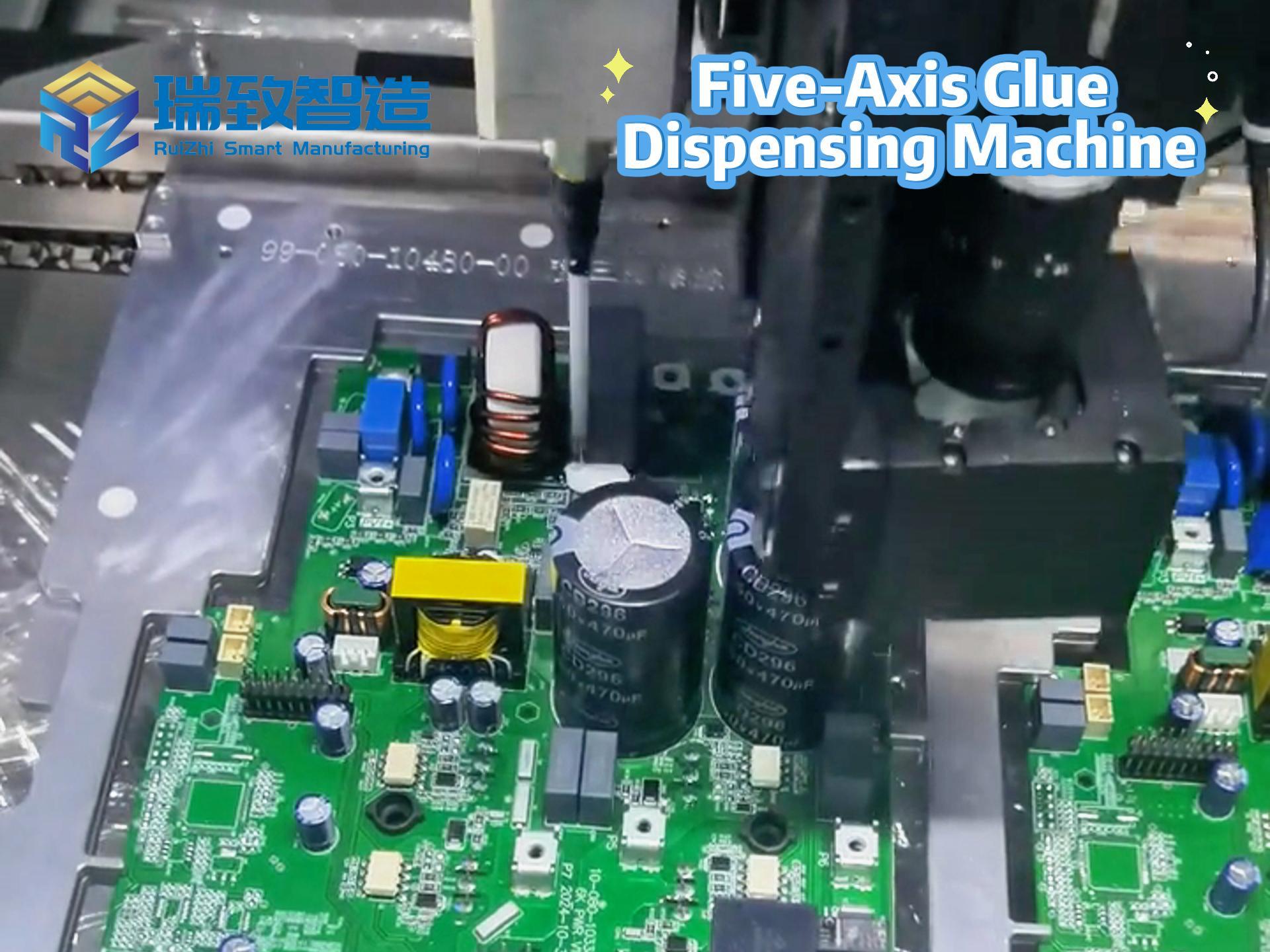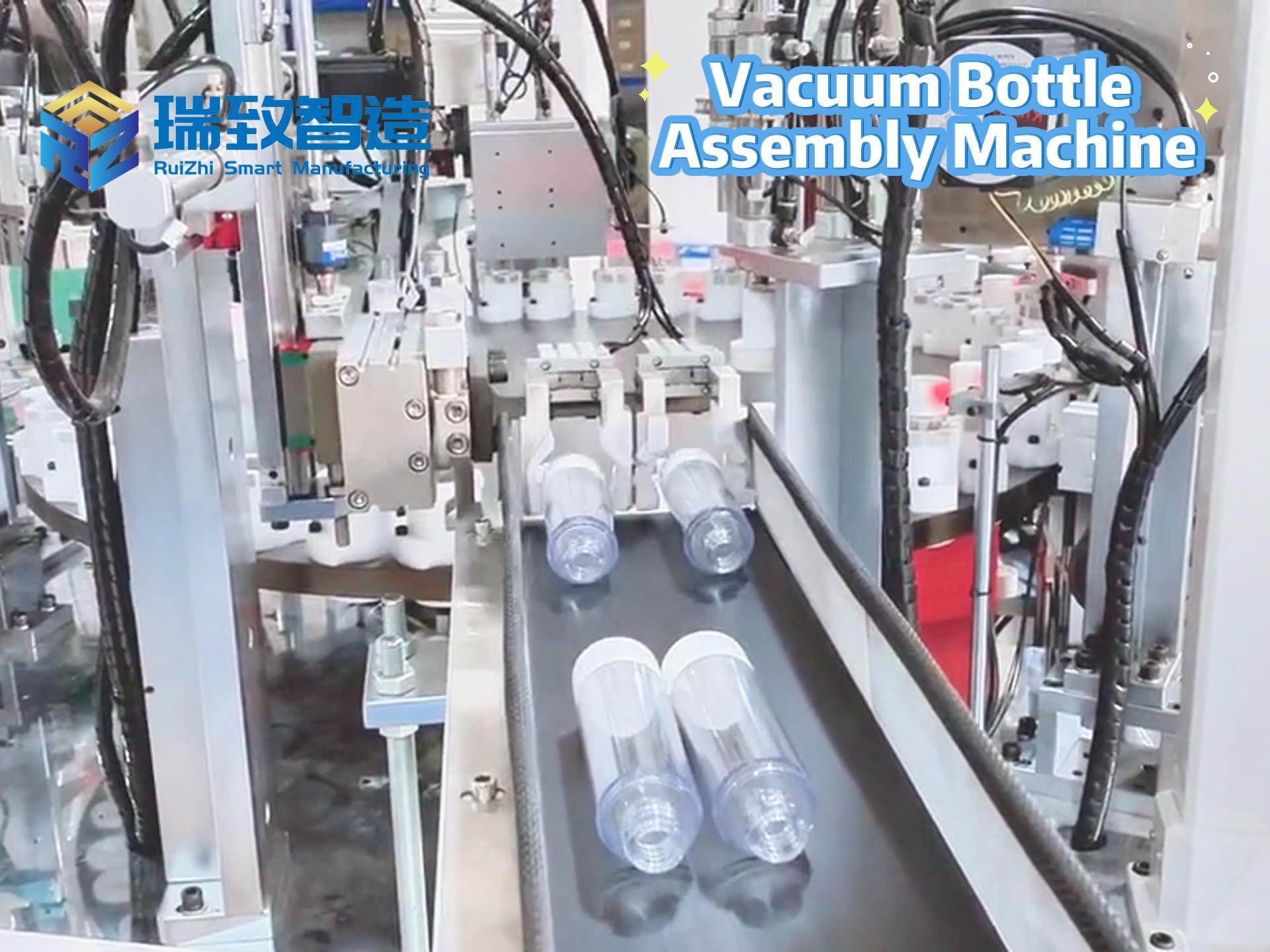
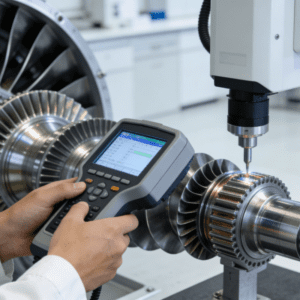
Precision manufacturing refers to the production of components and products with extremely tight tolerances and stable performance through high-precision processing equipment, advanced processes, and strict quality control. It represents not only the ultimate pursuit of machining accuracy but also the comprehensive control of material properties, process routes, and inspection methods.
Compared with traditional manufacturing, the core advantages of precision manufacturing lie in high accuracy, excellent consistency, and strong reliability, which can meet the stringent requirements for core components in high-end equipment, electronic information, medical devices, and other fields. Precision manufacturing is indeed one of the important indicators measuring a country’s industrial strength and technological level.
Core Application Fields of Precision Manufacturing
Precision manufacturing is widely applied and penetrates almost all core links of high-end industries. Its most representative fields include:
Aerospace: Key components such as aero-engine blades and satellite structural parts have extremely high requirements for precision and reliability. Precision manufacturing is the foundation for ensuring the safe operation of aerospace equipment.
Semiconductor & Electronics: Products such as chip manufacturing, precision molds, and connectors require nanometer-level machining accuracy. Precision manufacturing is the cornerstone of the semiconductor industry.
Medical Devices: Artificial joints, surgical instruments, core components of imaging equipment, and other products are directly related to patients’ health. Precision manufacturing guarantees product safety and effectiveness.
Automotive Industry: Core components of new energy vehicles such as motors and battery management systems rely on precision manufacturing to achieve high efficiency and long service life.
Key Technologies for Precision Parts Processing
Precision parts processing is the core link of precision manufacturing, and its technical level directly determines product performance and quality. Key technologies include:
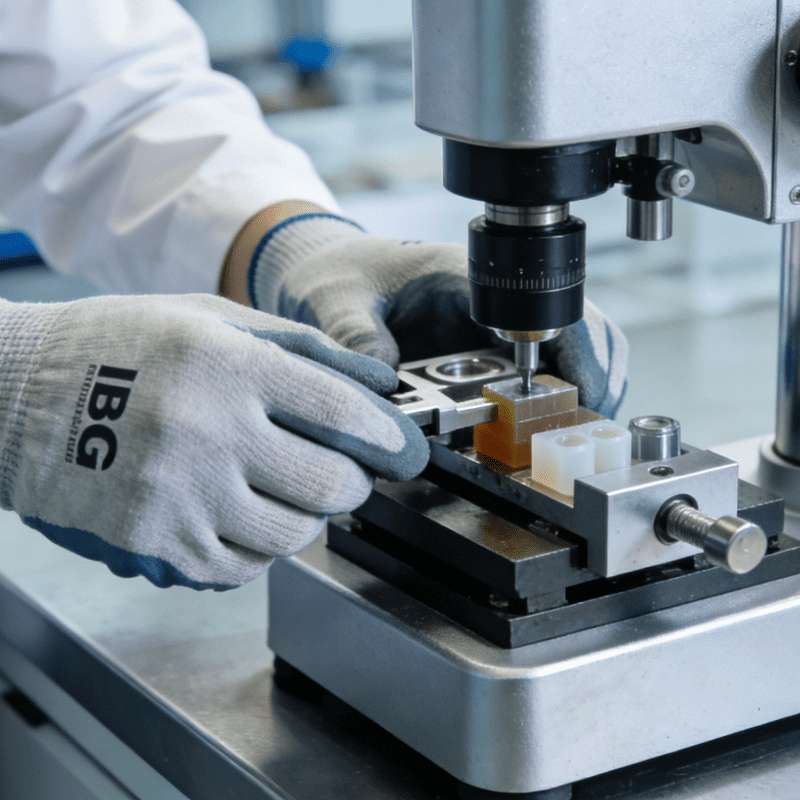
Ultra-precision machining: Such as diamond turning, grinding, and polishing, which can achieve sub-micron or even nanometer-level surface accuracy.
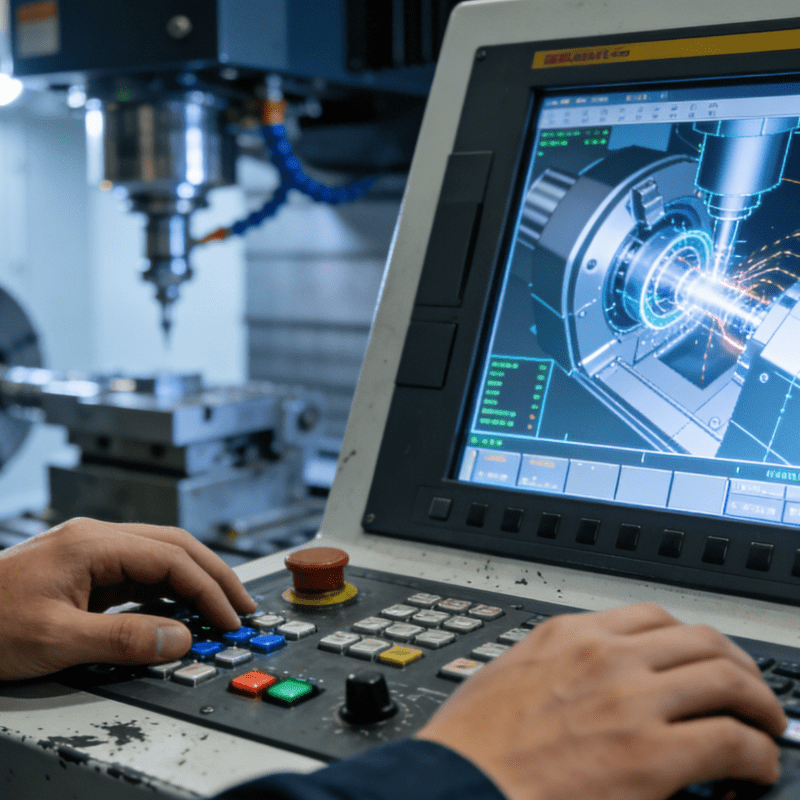
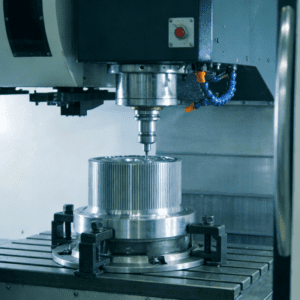
CNC machining: 5-axis linkage machining centers, high-precision milling machines, and other equipment that enable high-precision processing of complex curved surfaces and special-shaped structures.
Advanced material processing: Development of special tools and processes for difficult-to-machine materials such as titanium alloys, ceramics, and composite materials to ensure processing accuracy and efficiency.
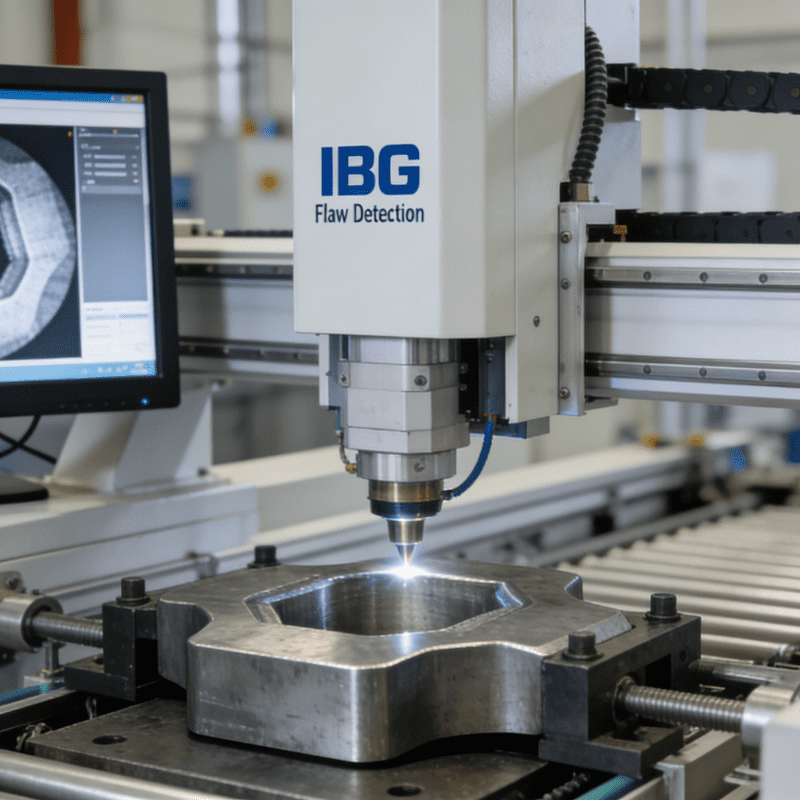
Online inspection and quality control: Real-time monitoring and quality traceability in the machining process using coordinate measuring machines (CMM), laser interferometers, and other equipment.
Development Trends of High-Precision Manufacturing
With the advancement of Industry 4.0 and intelligent manufacturing, high-precision manufacturing is developing toward intelligence, greenization, and integration:
Intelligent processing: AI algorithms optimize machining paths, enabling equipment self-diagnosis and adaptive processing to improve production efficiency and product consistency.
Green manufacturing: Environmentally friendly processes such as dry cutting and cryogenic machining to reduce energy consumption and waste emissions for sustainable development.
Multi-process integration: Integration of 3D printing, precision casting, CNC machining, and other processes to shorten product development cycles and lower production costs.
Digital twin: Simulation of the machining process through digital models to predict problems in advance, reduce trial-and-error costs, and improve R&D efficiency.
How to Choose a Reliable Precision Manufacturing Service Provider?
When selecting a precision manufacturing service provider, enterprises should focus on the following aspects:
Technical strength: Evaluate the precision of processing equipment, process capabilities, and R&D level to confirm the ability to undertake complex projects.
Quality system: Certification of quality management systems such as ISO9001 and ISO13485 to ensure stable and reliable product quality.
Industry experience: Prefer providers with rich cases in the target application field, who can better understand industry requirements and standards.
Service capability: Availability of one-stop services from design and processing to inspection, as well as responsive after-sales support.