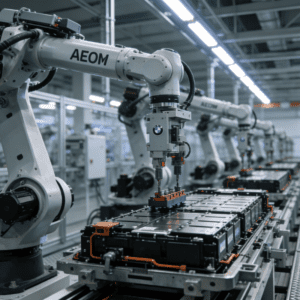
On February 27, the BMW Group announced that it will deploy humanoid robots at its plant in Leipzig, Germany. This marks the first time the company has introduced such embodied intelligent technology into its European production system.
Cooperating with Hexagon Robotics to Deploy AEON Humanoid Robots
The project aims to integrate humanoid robot technology into existing automotive mass production and explore further applications in battery and component manufacturing.
The pilot is carried out in cooperation with Switzerland-based Hexagon Robotics, adopting its AEON humanoid robot launched in 2025. The robots will mainly undertake two key tasks: high-voltage battery assembly and component production.
The project has completed theoretical evaluation and laboratory testing. The first round of on-line testing started in December 2025, the second testing will be conducted in April this year, and the large-scale pilot phase will officially begin in summer.
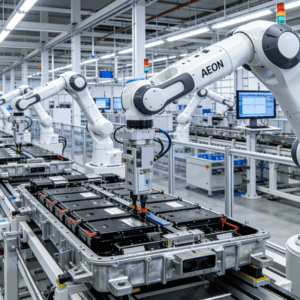
Human-Like Design for Multi-Process Adaptability
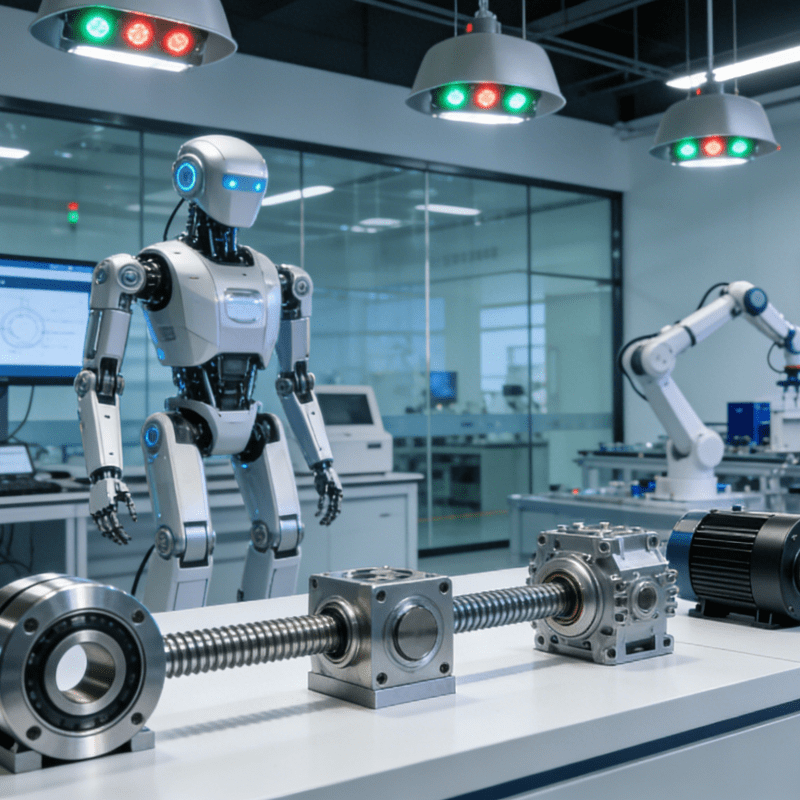
With a human-like body design, the AEON robot can flexibly change grippers and scanning tools to adapt to multi-process operations and achieve dynamic wheel-end movement.
Proving Safety and Efficiency of Humanoid Robots
It is reported that BMW’s move also draws on the successful experience of its Spartanburg plant in the United States. The humanoid robots piloted there supported the production of 30,000 BMW X3 vehicles within 10 months, working 10 hours a day from Monday to Friday. They completed 90,000 accurate component handling tasks and operated continuously for 1,250 hours.
The pilot at the U.S. plant confirmed that humanoid robots can safely perform precise and repetitive tasks, such as positioning components with millimeter-level accuracy, and provided important insights for the further deployment of physical artificial intelligence in production.
BMW emphasized that the deployment of robots is intended to take over high-intensity and high-risk workstations, improve production safety and efficiency, with the goal of reducing the workload of employees and further improving working conditions.
Examples of Robot Automatic Assembly Lines
Advantages of Artificial Intelligence Automatic Assembly Lines