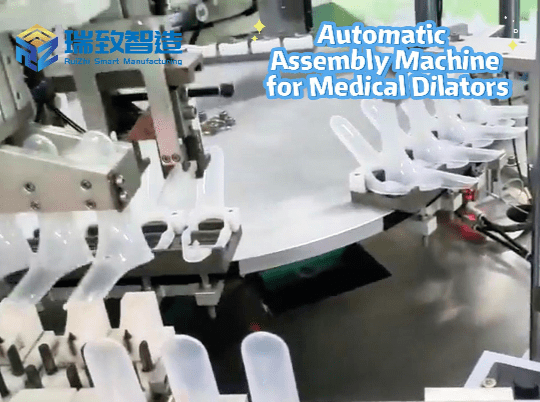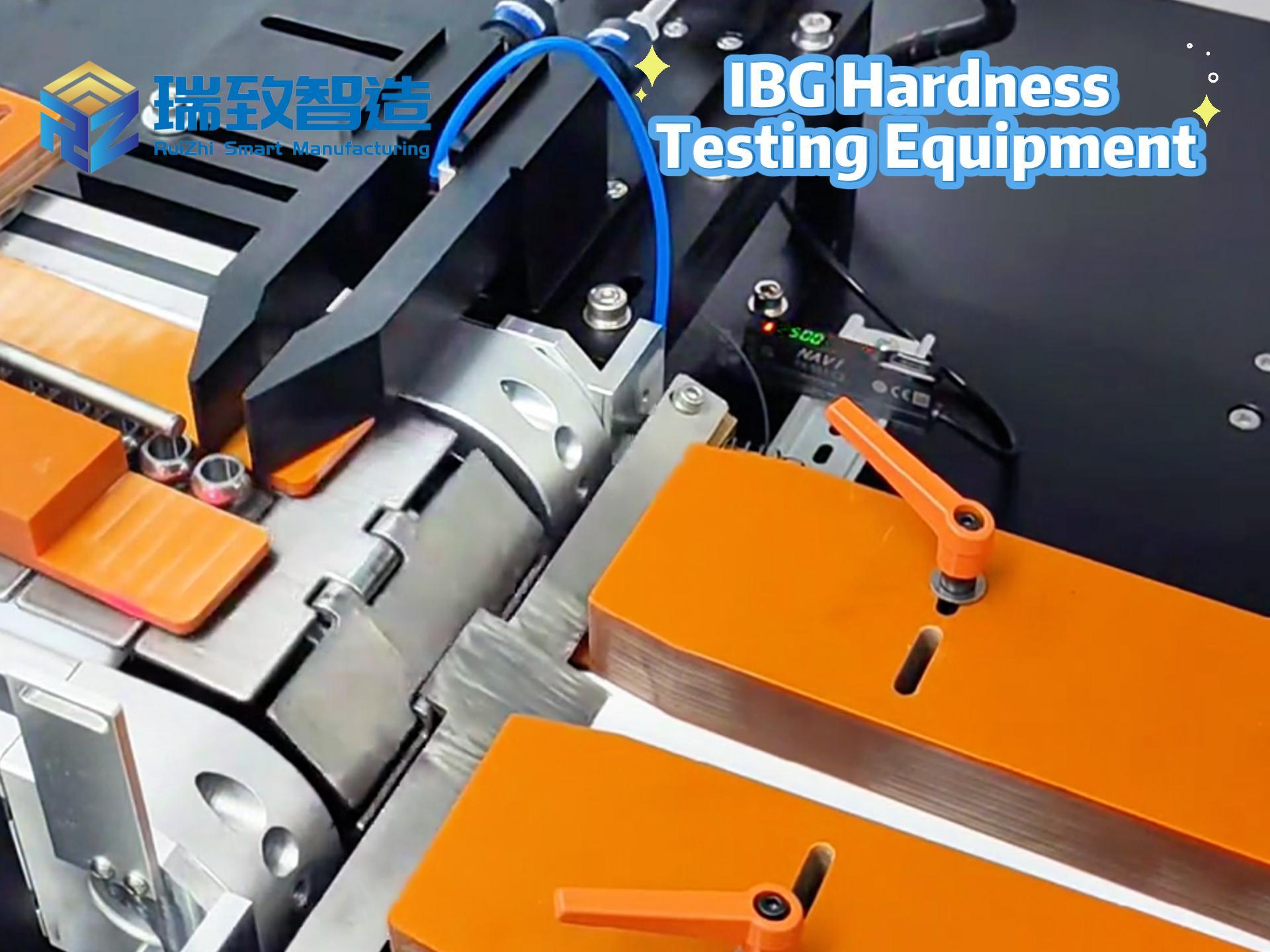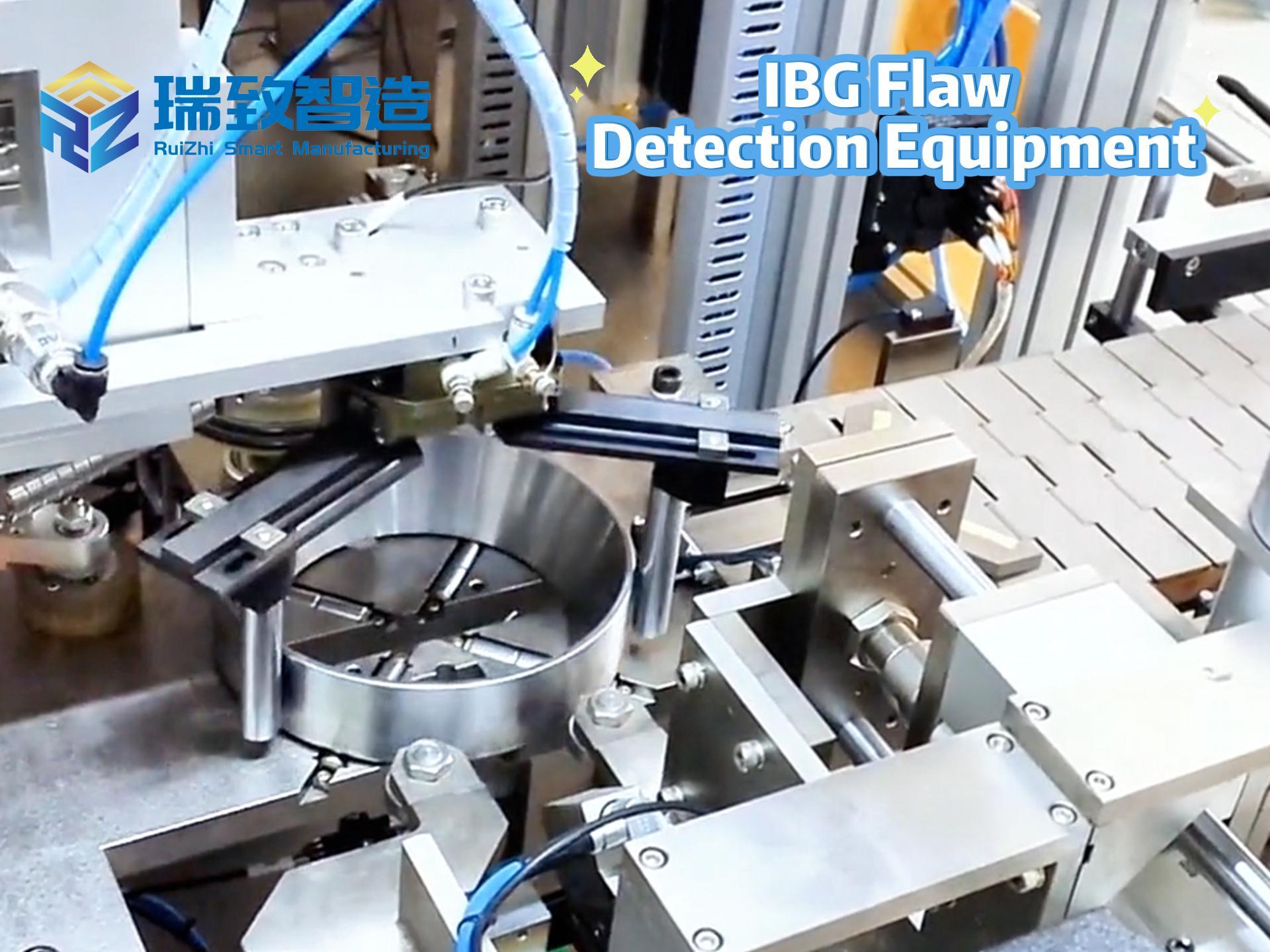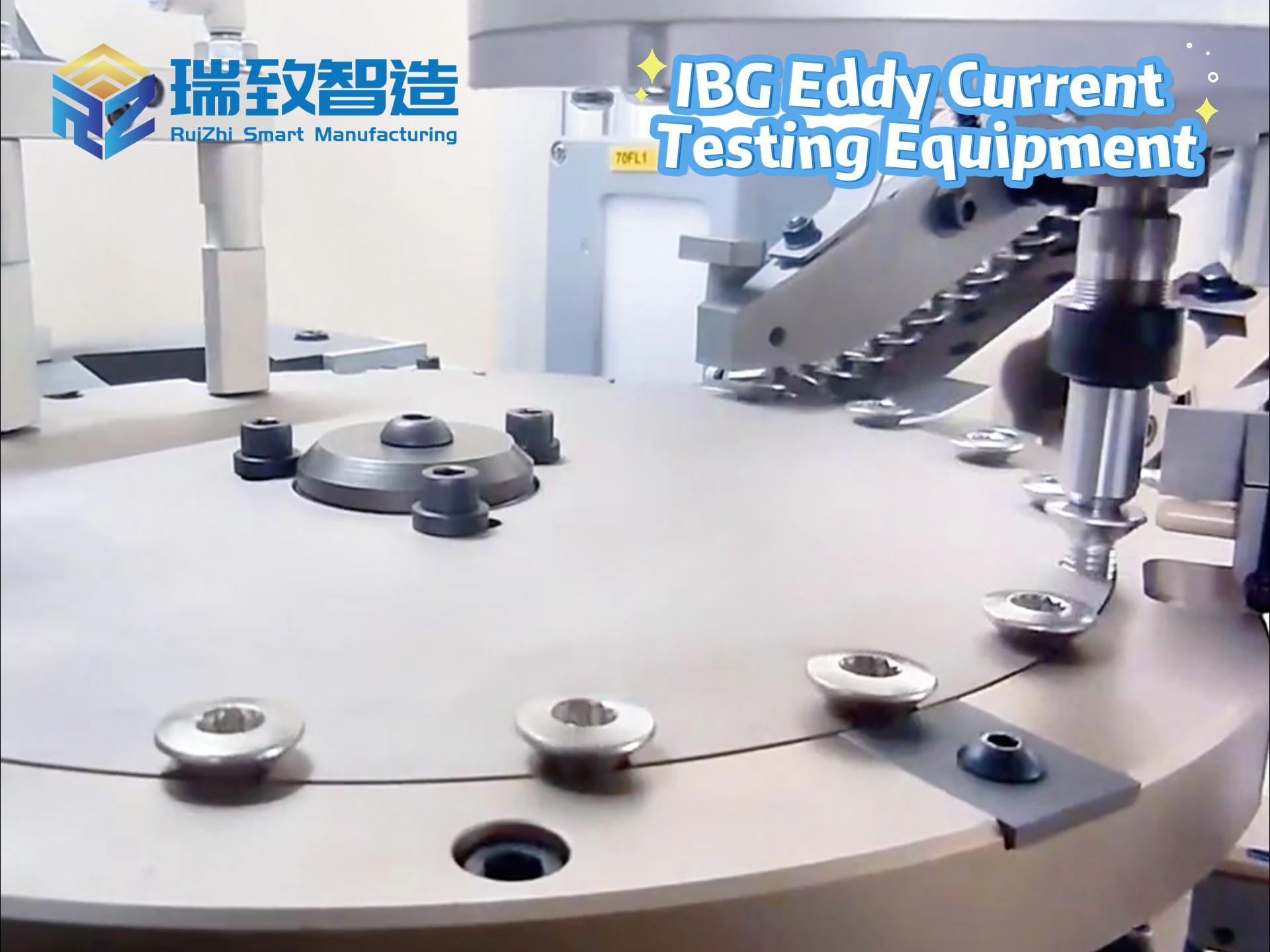
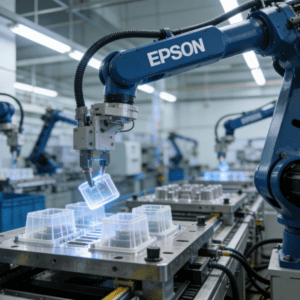
In the fast-paced world of injection molding, where precision, speed, and cost control directly determine market competitiveness, the demand for reliable automation solutions is higher than ever. As a global leader in industrial robotics with over 40 years of experience, Epson robot arm has become the preferred choice for injection molding manufacturers worldwide, solving core pain points such as high labor costs, unstable product quality, and low production efficiency. From small-part precision handling to large-scale production line integration, Epson robot arm is reshaping the future of injection molding automation with its unique advantages.
The Core Pain Points of Traditional Injection Molding, and How Epson Robot Arm Breaks Through
Traditional injection molding production faces inevitable challenges that hinder scaling and profitability. Manual operation is not only labor-intensive but also prone to errors—from part picking and placing to post-molding trimming, inspection, and packaging, even minor human mistakes can lead to defective products, increasing scrap rates and production costs. Moreover, the repetitive, high-intensity work environment leads to high employee turnover, while 24/7 continuous production is difficult to achieve with manual labor alone, limiting production capacity and market responsiveness.
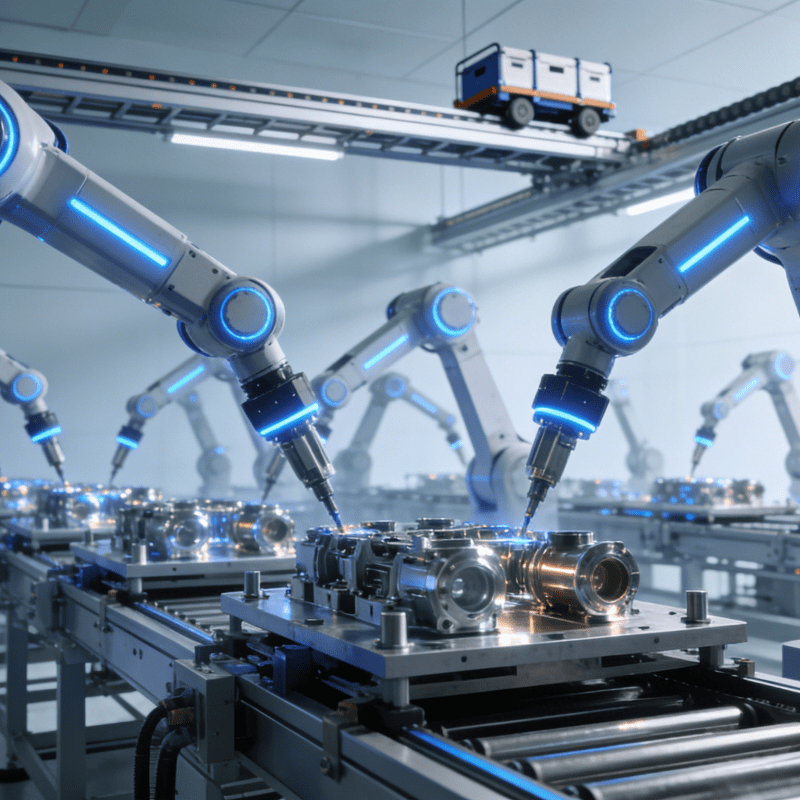
Epson robot arm addresses these pain points head-on, integrating seamlessly into every link of the injection molding process to realize full-process automation. Whether it’s SCARA robots for high-speed pick-and-place, 6-axis robots for complex handling, or collaborative robots for human-machine interaction, Epson’s diverse product lineup is tailored to meet the varied needs of injection molding scenarios, from automotive plastic components to medical device parts and consumer product casings.
Why Epson Robot Arm Is the Ideal Choice for Injection Molding Automation?
Epson robot arm stands out in the injection molding automation field due to its precision, flexibility, cost-effectiveness, and easy integration—advantages that are critical for manufacturers pursuing efficiency and quality.
- Exceptional Precision for High-Quality Molding
Injection molding requires strict control over part positioning and handling to avoid scratches, deformation, or misalignment—especially for high-precision components like automotive connectors, medical device parts, and electronic casings. Epson robot arm boasts ultra-high repeatability (up to ±0.01mm) and stable motion control, ensuring consistent handling of even the smallest or most fragile parts. For example, in the production of hybrid plastic injection-molded connectors with integrated metal plugs—components that face high stresses in vehicles such as temperature changes and vibrations—Epson SCARA robots deliver the precision needed to maintain product integrity, enabling manufacturers to produce 2.6 million high-quality connectors annually .
Equipped with advanced gyro plus vibration reduction technology, Epson robot arms minimize residual vibration during high-speed movement, ensuring smooth and accurate operation even at maximum speed. This precision directly reduces scrap rates and improves overall product quality, helping manufacturers meet strict industry standards such as ISO 13485 for medical devices and automotive industry requirements .
- Flexible Integration to Adapt to Diverse Production Needs
Injection molding production often involves multiple product types, frequent mold changes, and limited workshop space—challenges that require automation solutions with strong flexibility. Epson robot arm offers a wide range of models, including SCARA robots (such as the G6 series with 450-650mm arm lengths), 6-axis robots (like the C-B series with payloads up to 26.5 pounds), and collaborative robots, all designed to fit different production scenarios .
With Epson’s intuitive RC+ software suite, programming and setup are simplified, even for novice operators. The software supports block programming, allowing quick adjustments for mold changes or product upgrades, eliminating the need for costly and time-consuming retooling . Additionally, Epson’s Euromap 67 interface provides standardized connectivity with injection molding machines, enabling easy integration with existing equipment without extensive modifications to the production line . This flexibility makes Epson robot arm suitable for both small-batch, multi-spec production and large-scale mass production.
- Cost-Effective Automation with Fast ROI
For many injection molding manufacturers, the initial investment in automation is a key concern. Epson robot arm addresses this by offering high performance at a competitive price, with a typical return on investment (ROI) of less than one year . For example, a U.S.-based injection molding company, Plastics Designs Inc., replaced expensive turnkey automation solutions with an Epson SCARA robot and RC+ software, reducing the total automation cost from over $250,000 to under $100,000 while achieving efficient stacking and packaging of plastic shims .
By replacing manual labor, Epson robot arm reduces labor costs by 50% or more, while enabling 24/7 continuous production—significantly increasing production throughput. For instance, Marne Plastics integrated Epson VT6-A 901S robots into its injection molding process, achieving annual savings of about $75,000 and recouping its investment in less than a year . Additionally, Epson robot arms are energy-efficient and require minimal maintenance, further reducing long-term operational costs.
- Safe and Reliable Operation for Industrial Environments
Injection molding workshops often involve high temperatures, dust, and dynamic production environments, requiring automation equipment with strong durability and safety. Epson robot arms are built to withstand harsh industrial conditions—many models feature IP54 protection ratings for dust and water resistance, while others comply with ISO cleanroom standards (ISO14644-1:2015) and ESD standards, making them suitable for sensitive applications like semiconductor and medical device production .
Epson’s SafeSense technology, integrated into its 6-axis C-B series robots, enables safe human-robot interaction without the need for physical safety fences. By monitoring speed and position in real-time, the robot adjusts its motion to avoid collisions with workers, enhancing productivity while ensuring workplace safety . This reliability ensures stable operation even in high-demand, 24/7 production environments, minimizing downtime and maximizing productivity.
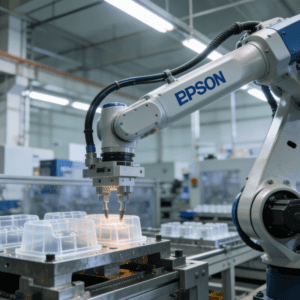
Epson robot arm has been widely adopted in injection molding scenarios worldwide, delivering tangible results for manufacturers across industries. Here are some typical application cases:
- Automated Part Picking and Placing
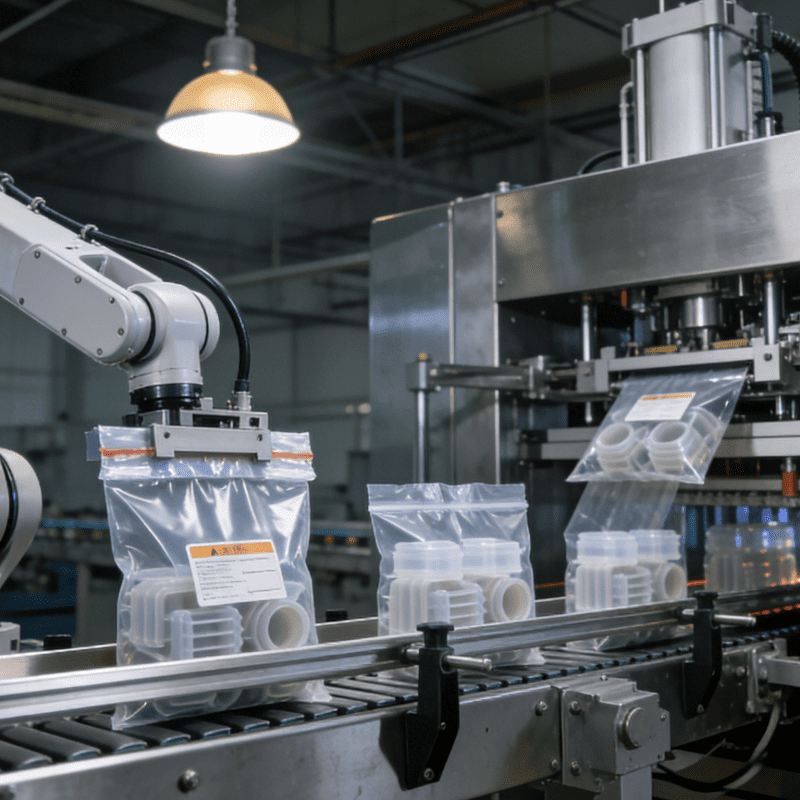
After injection molding, Epson robot arms automatically pick finished parts from the mold, place them on conveyors or inspection stations, and reset the mold for the next cycle. This eliminates manual waiting time and reduces the risk of part damage. For example, ubh Mechanical Engineering uses 12 Epson SCARA robots to handle the picking and placing of metal pins and plastic connectors, achieving high-speed, high-precision production for the automotive industry .
- Post-Molding Trimming and Deburring
Many injection-molded parts require trimming of excess material or deburring to meet quality standards. Epson 6-axis robot arms, with their flexible motion range, can precisely perform trimming and deburring tasks, ensuring consistent results and reducing manual labor. This is particularly useful for complex parts like automotive transmission breather boxes, where Epson robots automate part transfer and welding, eliminating the need for manual intervention .
- Quality Inspection and Packaging
Integrated with vision inspection systems, Epson robot arms can inspect finished parts for defects (such as scratches, deformation, or missing features) before packaging. Qualified parts are automatically sorted and packaged, while defective parts are removed, ensuring only high-quality products reach the market. This process not only improves quality control but also speeds up packaging efficiency.
- Mold Change and Maintenance Assistance
Epson robot arms can assist with mold changes, reducing the time required for manual mold handling and improving production efficiency. They can also perform routine maintenance tasks, such as cleaning the mold or checking for wear, extending the life of the mold and reducing downtime.
Partner with Us for Custom Epson Robot Arm Injection Molding Solutions
As a professional non-standard automation integrator, we specialize in designing and implementing custom injection molding automation solutions using Epson robot arms. We understand that every injection molding operation has unique needs—whether it’s small-batch, high-precision production or large-scale, high-volume manufacturing. Our team of experts will work with you to select the right Epson robot arm model, design the integration plan, and provide full technical support, from installation and programming to after-sales maintenance.
With Epson robot arm’s precision, flexibility, and cost-effectiveness, combined with our professional integration capabilities, we help you achieve full-process automation of injection molding, reduce costs, improve quality, and gain a competitive edge in the global market.
Contact us today to learn how Epson robot arm can transform your injection molding production and take your business to the next level.