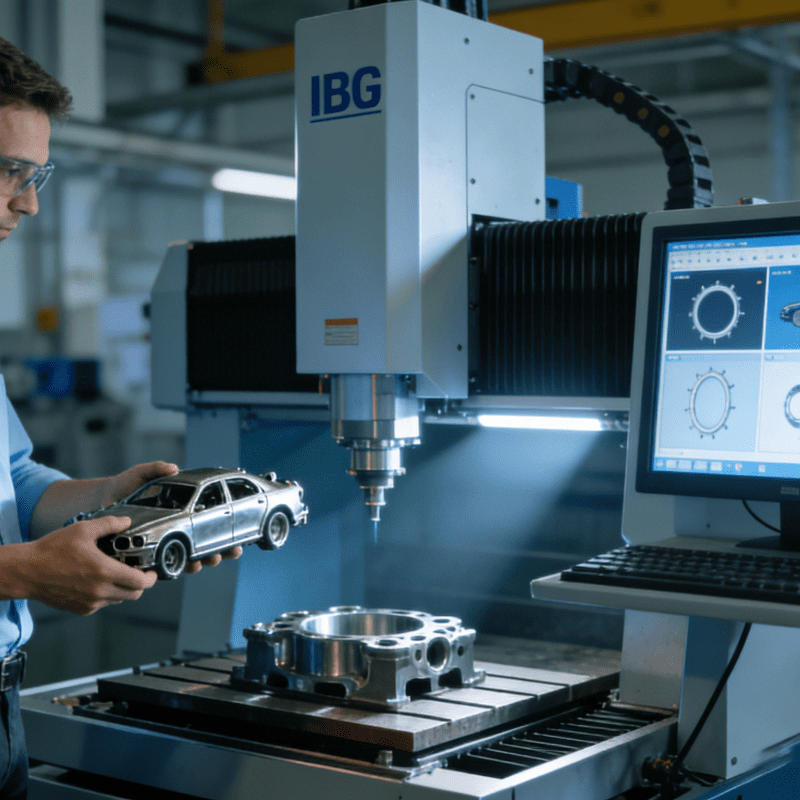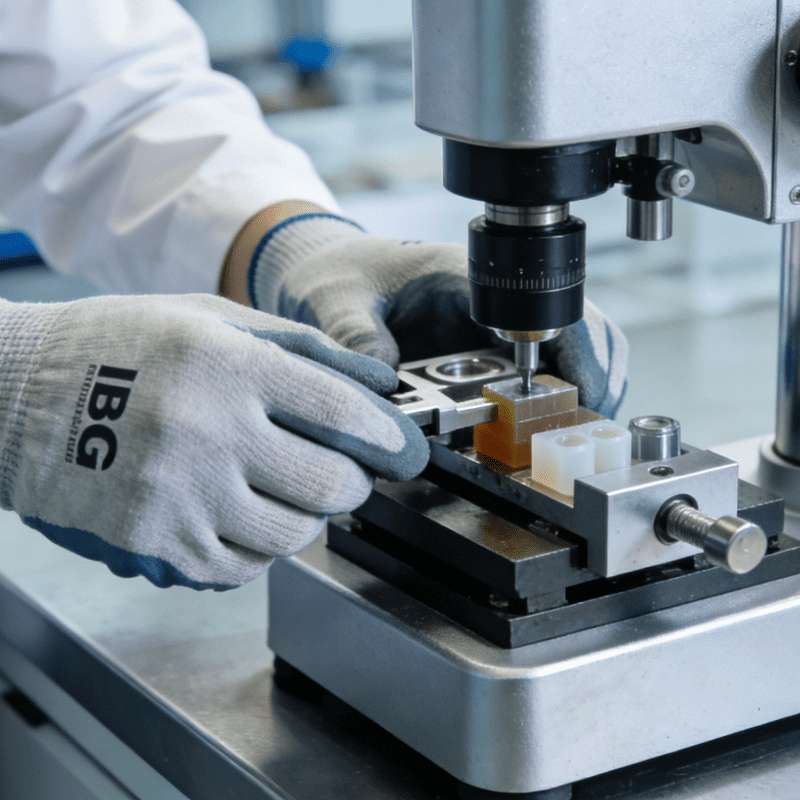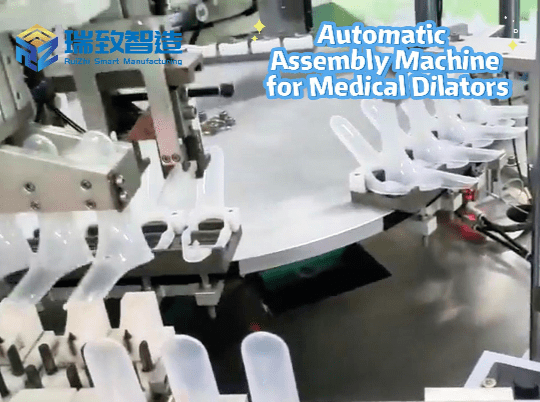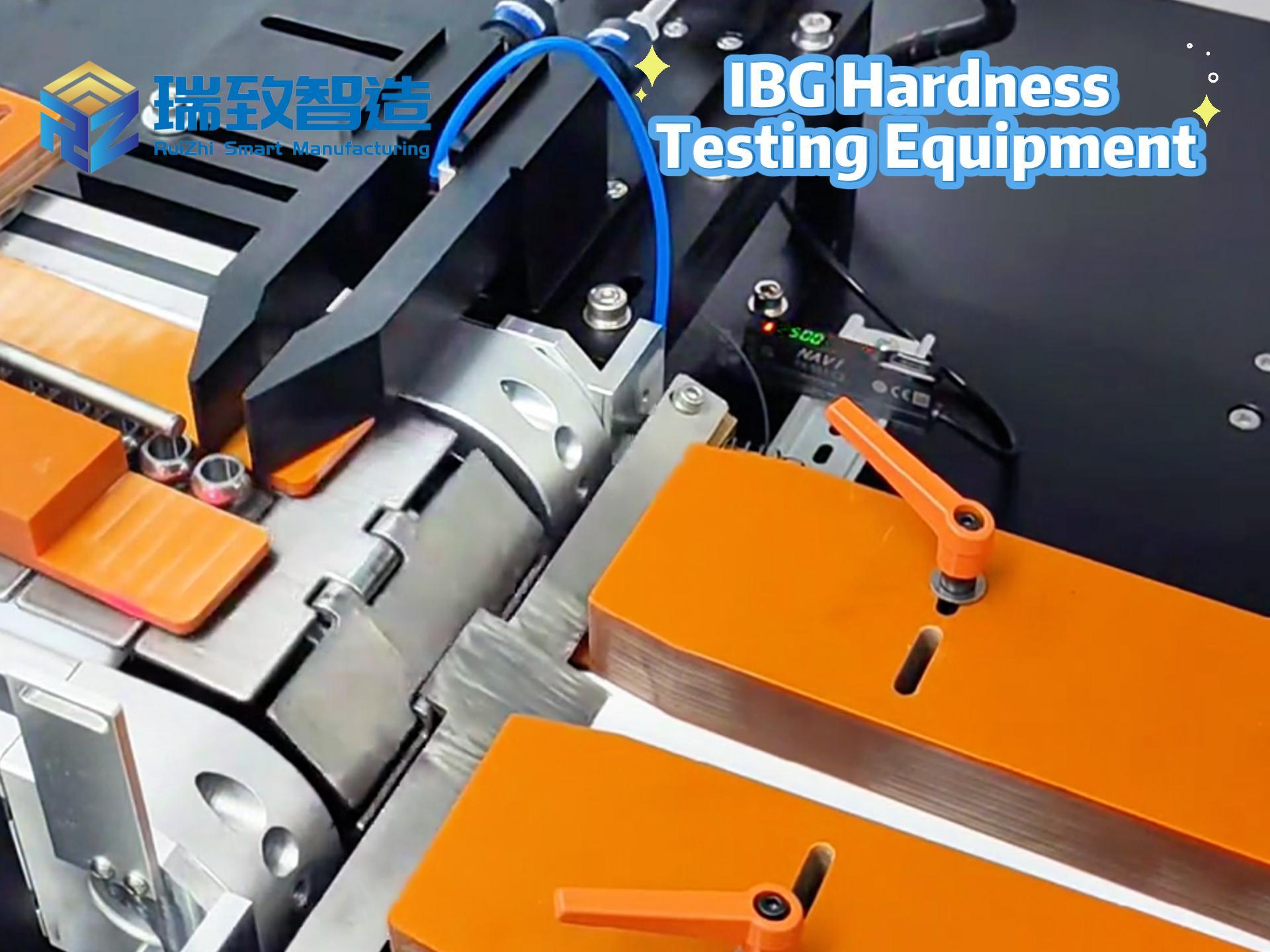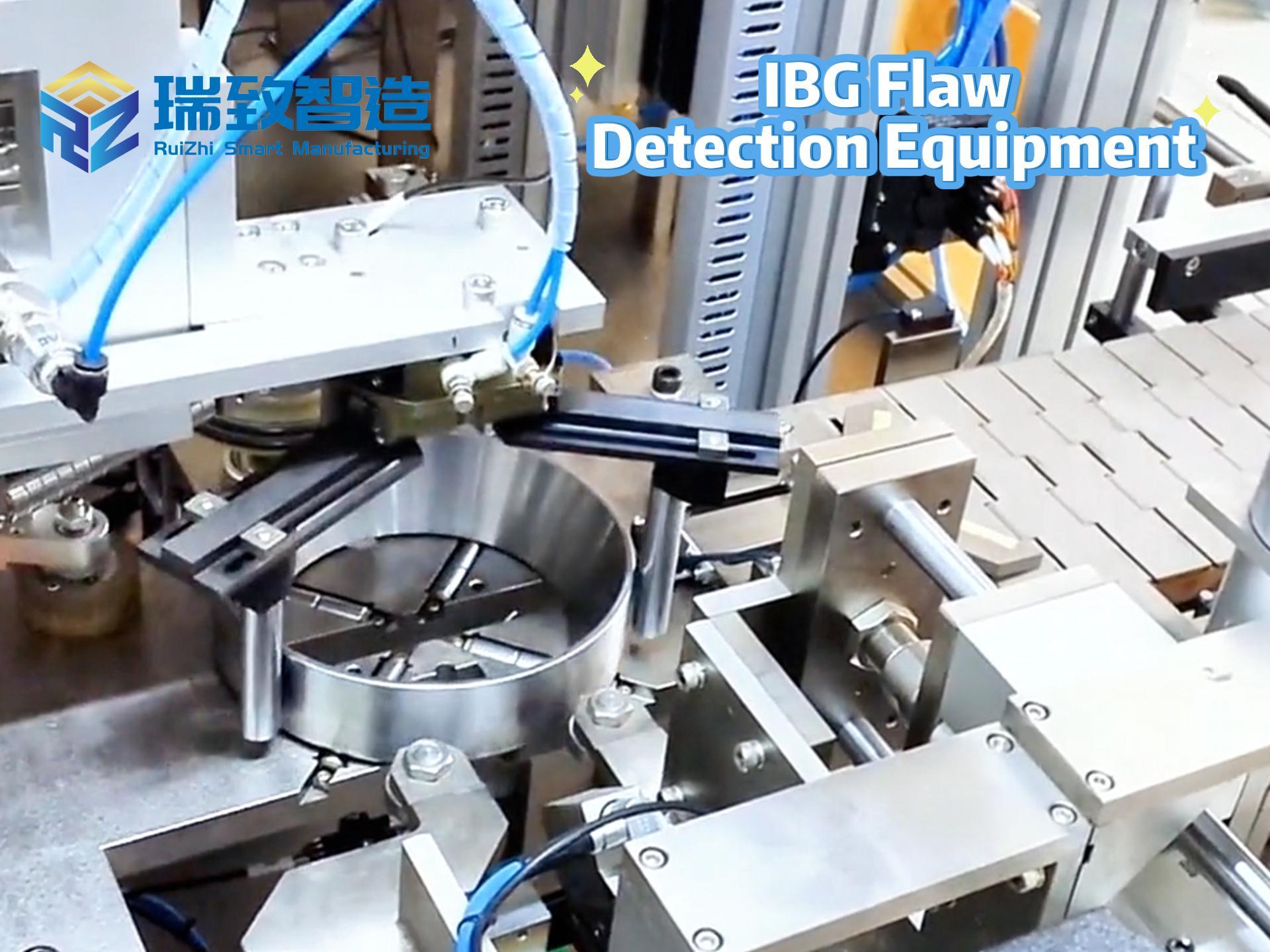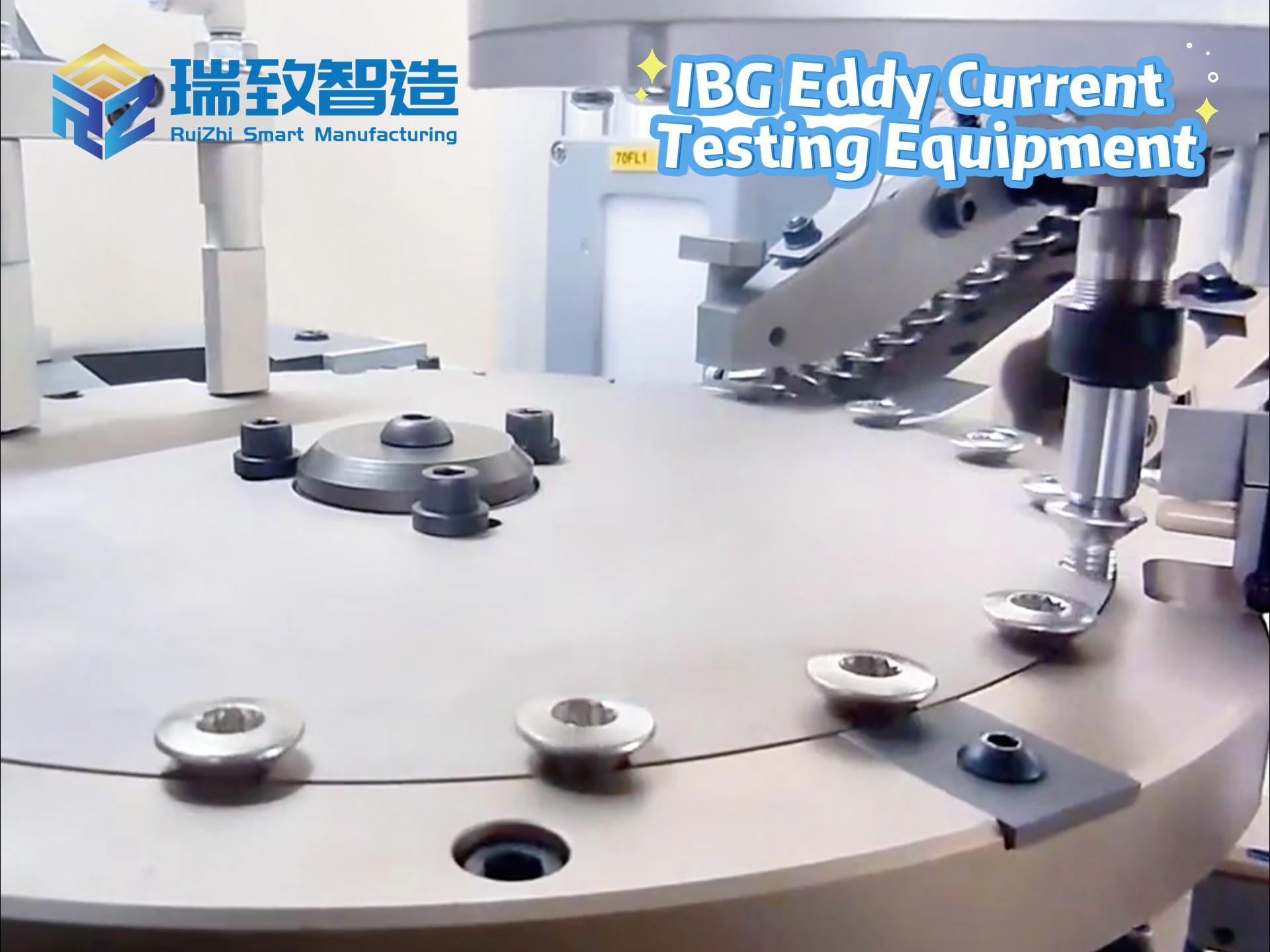
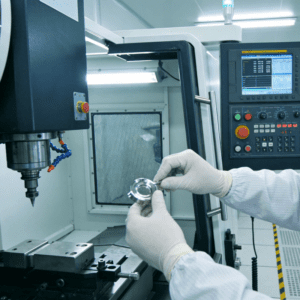
In surgical procedures, a micron-level error in a medical device component just a few millimeters in diameter can directly affect the stability of surgical instruments and even threaten patient safety. In life science research, high-precision laboratory instrument components are critical to ensuring data accuracy. These scenarios highlight the core position of precision manufacturing in high-end production — it is not only the foundation for improving product performance but also essential support for ensuring industry safety and efficiency.
However, traditional machining methods often struggle to meet precision requirements when dealing with high-precision, complex-structured parts. For example, miniature sensor components in medical devices rely on manual adjustment in traditional processing, resulting in poor dimensional consistency in mass production and a product pass rate of only about 70%. Meanwhile, the machining of complex surfaces requires repeated debugging, with production cycles lasting several weeks, making it difficult to meet the market’s demand for rapid response. What are the essential elements of precision manufacturing that solve these industry challenges?
Industry Pain Points of Precision Manufacturing from Component Failure
In medical devices and life sciences, component failure often stems from tiny machining errors. For instance, infusion pump parts from a certain brand suffered frequent liquid leakage due to insufficient thread precision from traditional processing. Pipette components used in laboratories had compromised liquid aspiration accuracy because of excessive surface roughness. These issues not only increase after-sales costs but may also lead to serious safety incidents. In addition, traditional processing tends to cause deformation, cracks, and other defects when handling complex parts, further reducing product quality.
Core Differences Between Traditional Machining and Precision Manufacturing
Traditional processing relies on manual experience and general-purpose equipment, with machining accuracy usually at the level of dozens of microns and poor consistency in mass production. Precision manufacturing, through automated control systems and high-precision equipment, controls accuracy at the micron or even nanometer level, ensuring every part meets design specifications.
Traditional machining is suitable for simple parts but suffers a sharp drop in efficiency for complex surfaces and miniature components. Precision manufacturing efficiently processes various complex parts while reducing reject rates. In the long run, traditional machining is more costly due to high rejection and rework rates. Although precision manufacturing requires higher initial equipment investment, its overall cost in mass production is lower.
Core Technical Principles of Precision Manufacturing
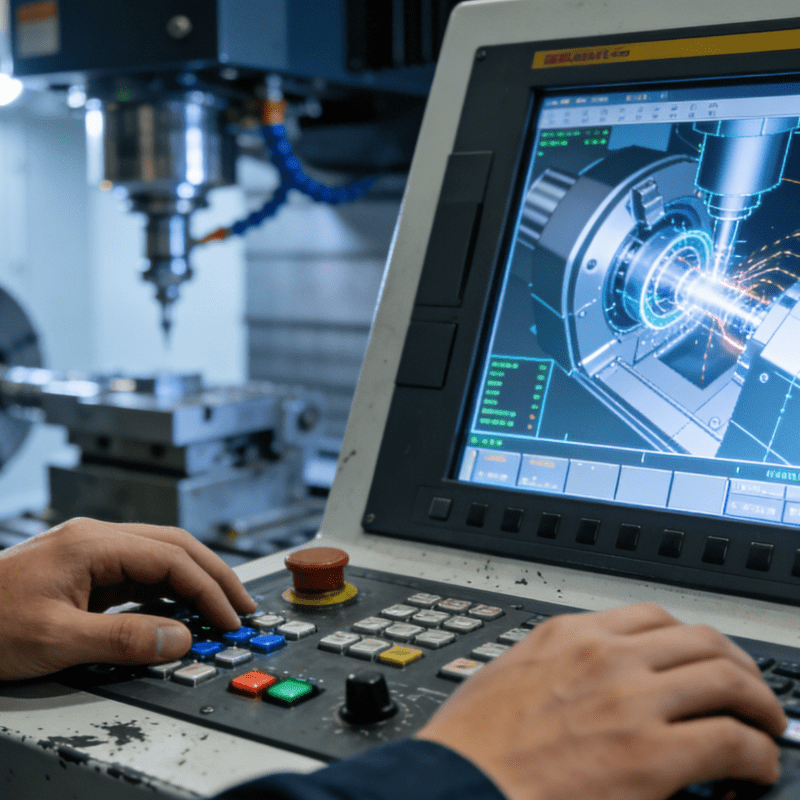
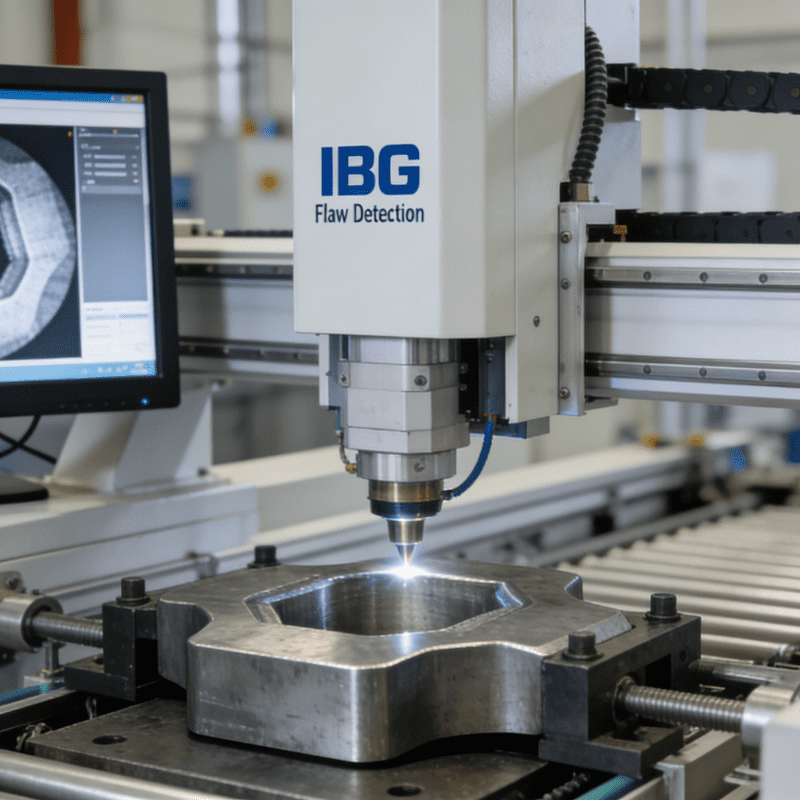
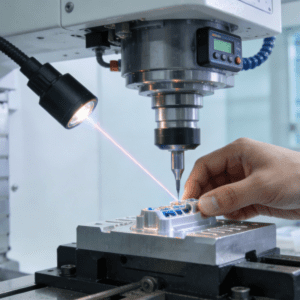
The core of precision manufacturing lies in high-precision machining control and inspection technology.First, the numerical control system controls machine movement with precise commands to reduce human error.Second, ultra-precision cutting and grinding technologies use specialized tools and equipment to remove tiny amounts of material, ensuring excellent surface quality.Third, online inspection technologies such as laser measurement and coordinate measuring machines monitor the machining process in real time and adjust parameters promptly to avoid defective products.In addition, material pretreatment technologies such as heat treatment and surface strengthening are vital, improving mechanical properties and extending service life.
Practical Performance Improvements Brought by Precision Manufacturing
After adopting precision manufacturing, the pass rate of medical device components can exceed 95%, greatly reducing production costs.For example, precision-manufactured surgical instrument parts tripled their service life, lowering replacement frequency. Sensor components for life science instruments reduced measurement error from ±3% to ±0.5%, greatly improving experimental reliability.Precision manufacturing also shortens production cycles — complex parts that once took weeks can now be finished in days, helping enterprises respond faster to market demand.
Advantages of Professional Precision Manufacturers
Professional precision manufacturing enterprises achieve 24-hour continuous production through high automation, minimizing errors caused by human intervention.Their core machining equipment uses imported high-precision components, with a mean time between failures (MTBF) of over 10,000 hours, ensuring stable production.They maintain independent R&D teams and invest about 15% of annual sales in technology upgrades, enabling fast responses to customized demands.For example, precision manufacturing reduced the defect rate of a micro-valve component for a well-known life science instrument maker from 5% to 0.5%, securing long-term orders.
Global Market Trends and Opportunities in Precision Manufacturing
According to industry reports, the global precision manufacturing market reached $520 billion in 2023 and is projected to grow to $780 billion by 2028, with a compound annual growth rate of 8.2%.Demand from medical devices and life sciences is growing the fastest, at over 10% annually, driven by rising global demand for high-end medical equipment, precision medicine, and advanced life science research.More enterprises are upgrading precision manufacturing capabilities to gain market share. For manufacturers of medical device and life science components, mastering precision manufacturing is a core competitive advantage.
The Importance of Choosing a Professional Precision Manufacturing Partner
The essence of precision manufacturing lies in detail control and accumulated expertise, which not all enterprises can easily master.Professional manufacturers possess not only advanced equipment but also rich industry experience and technical reserves, providing full-process solutions from design to production.If you are seeking a reliable precision manufacturing partner to solve machining challenges for medical or life science components, welcome to contact our professional team for customized solutions and technical support.