In today’s increasingly competitive cosmetics industry, consumer demand is rapidly evolving toward personalization, fast response, and high quality. As a core category in the beauty market, lipstick production has long faced efficiency bottlenecks and quality challenges under traditional manufacturing models.
Issues such as low manual efficiency, unstable assembly precision for tubular components, and rising labor costs have become the “three major hurdles” hindering cosmetic brands and OEM/ODM manufacturers from achieving scalable and flexible upgrades. Against this backdrop, the fully automatic lipstick assembly machine is no longer just a piece of production equipment — it has become a critical hub for the cosmetics industry’s transition toward digitalization, lean manufacturing, and intelligent transformation.
Technology Integration: From Point Solutions to Systemic Restructuring
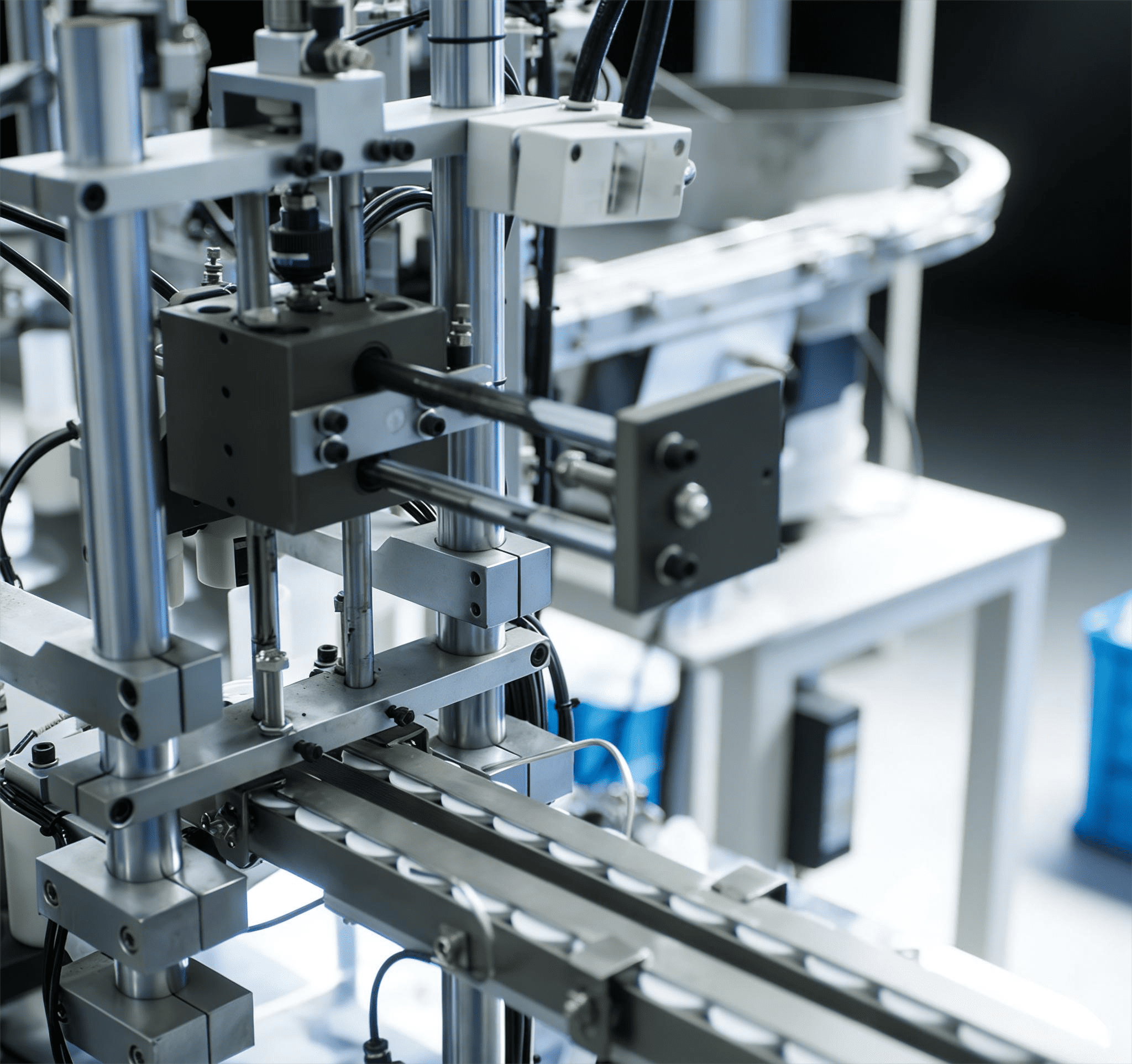
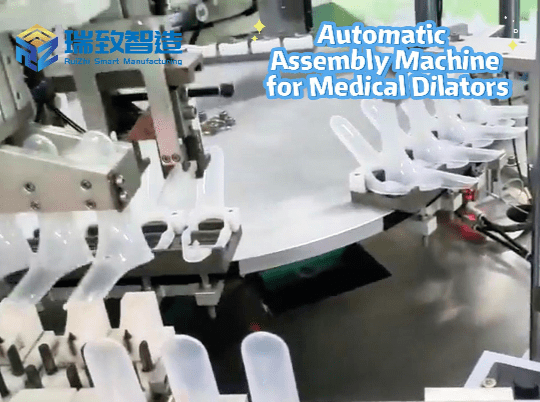
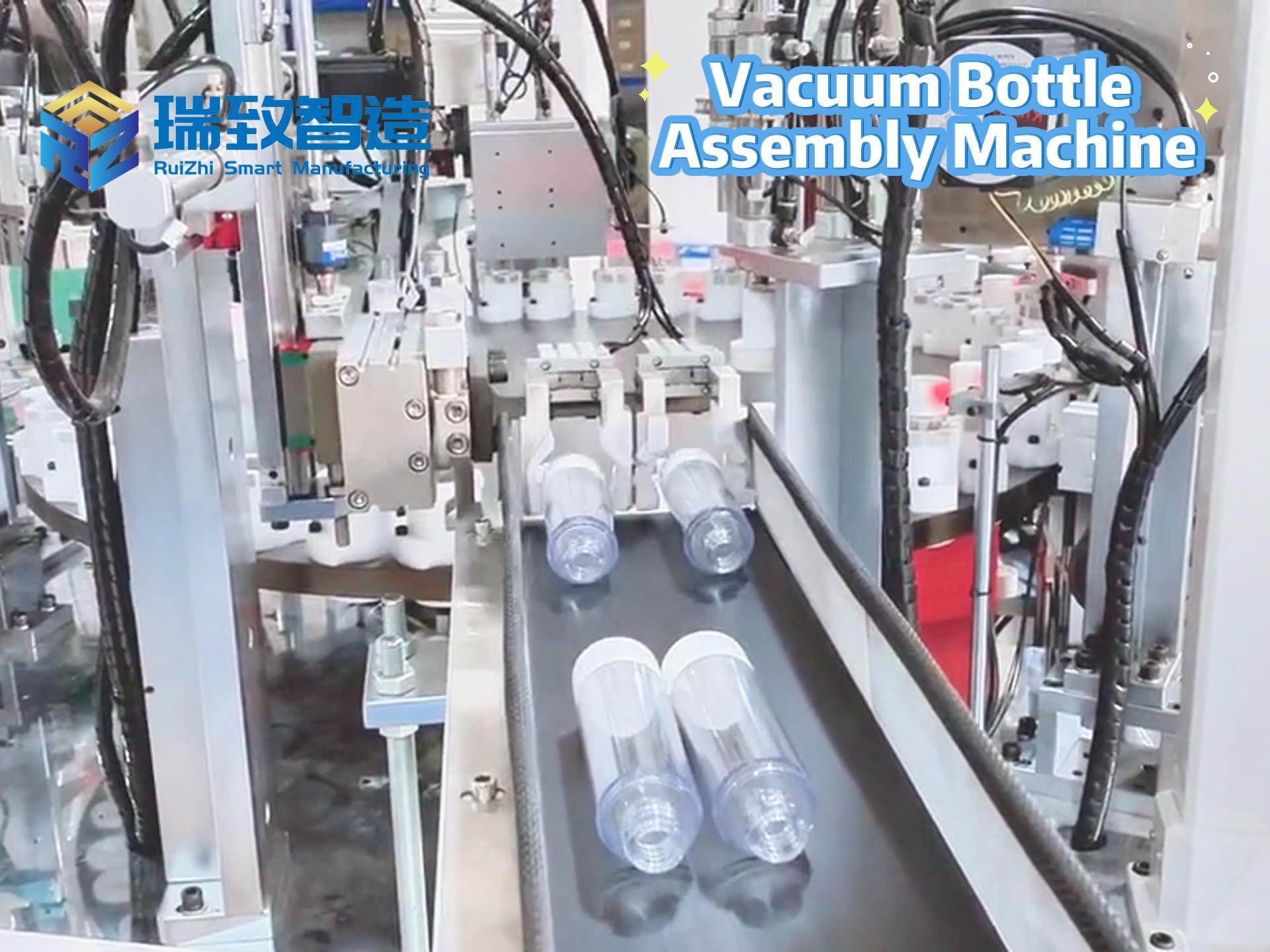
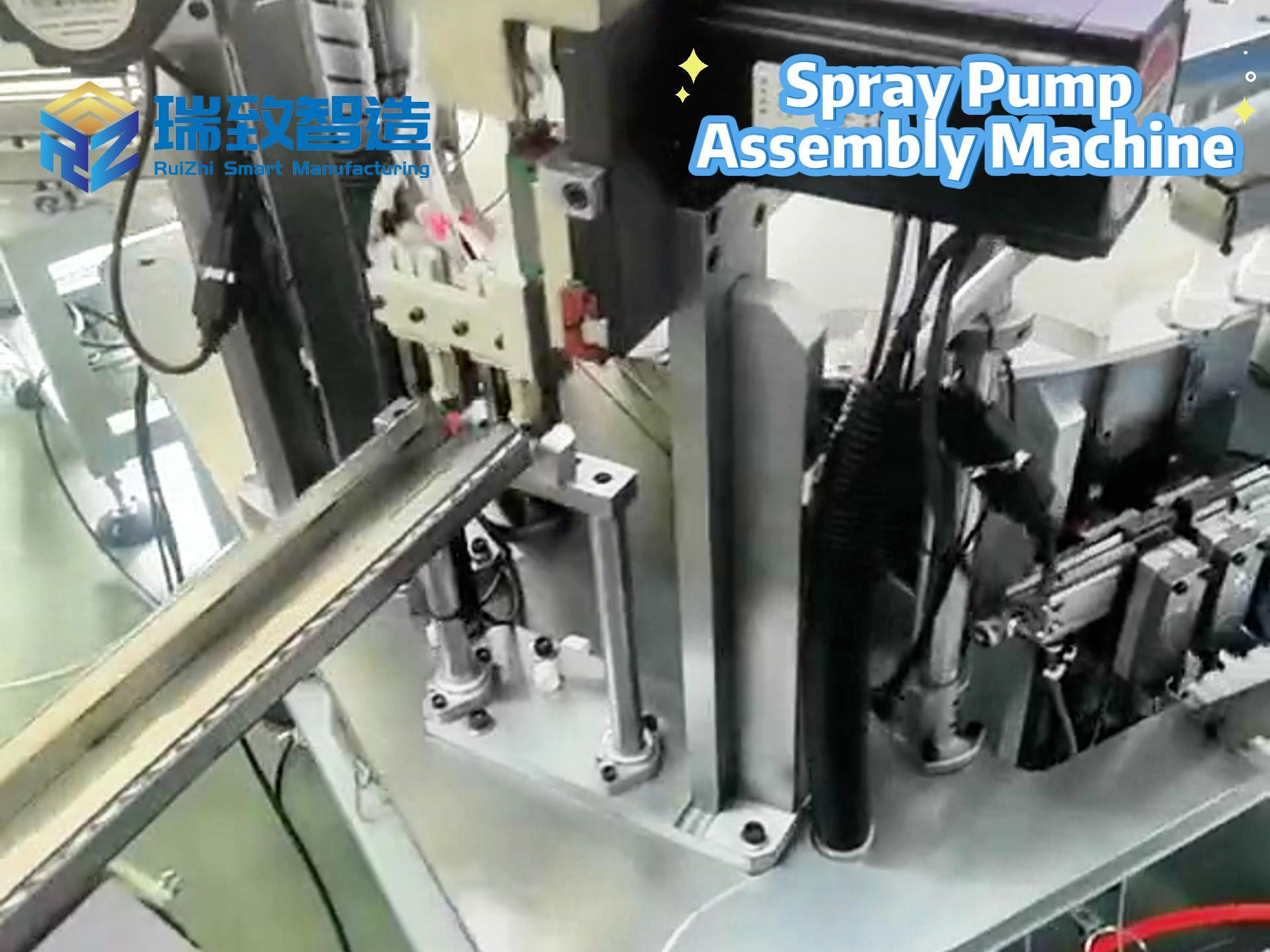
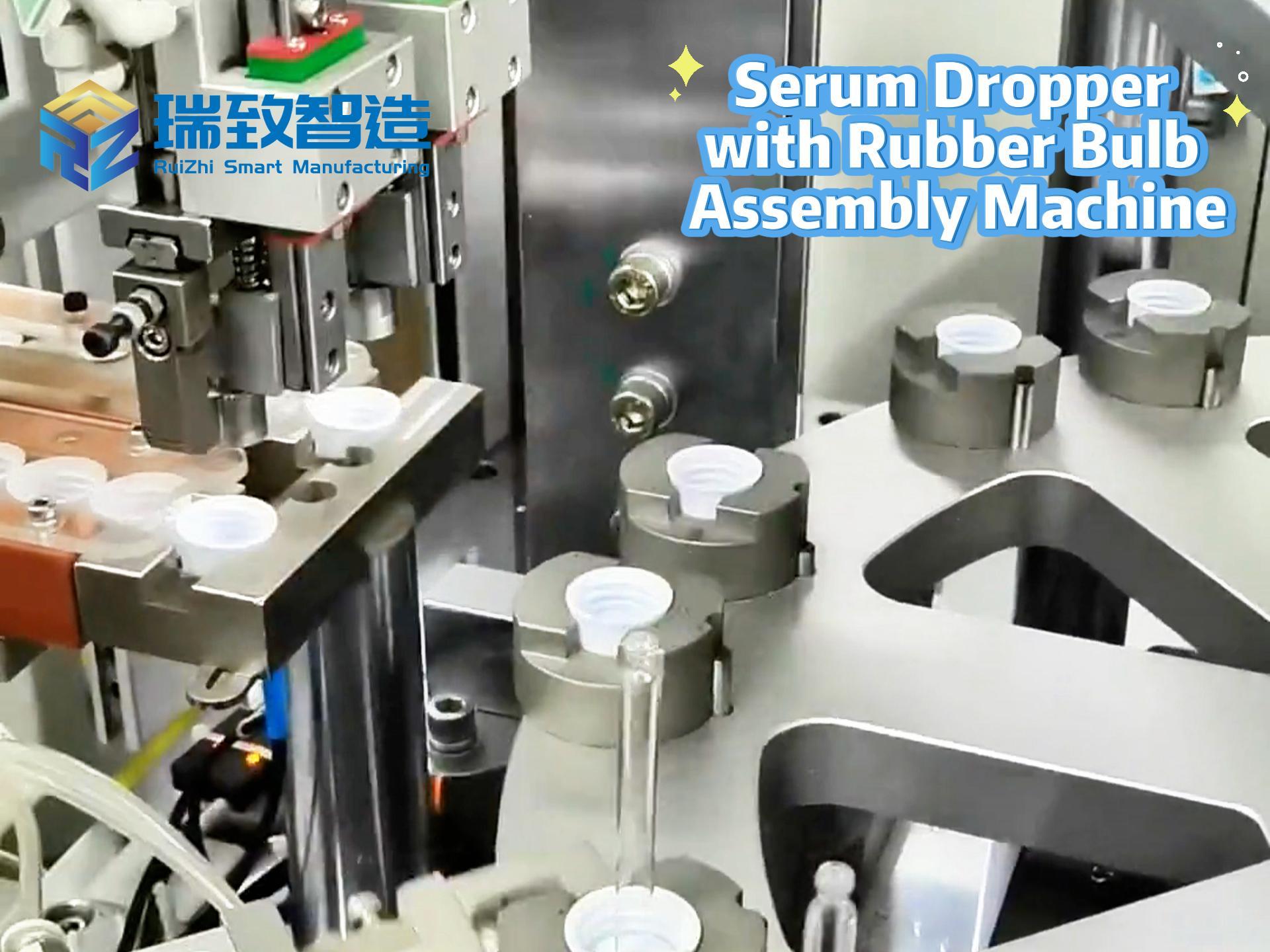
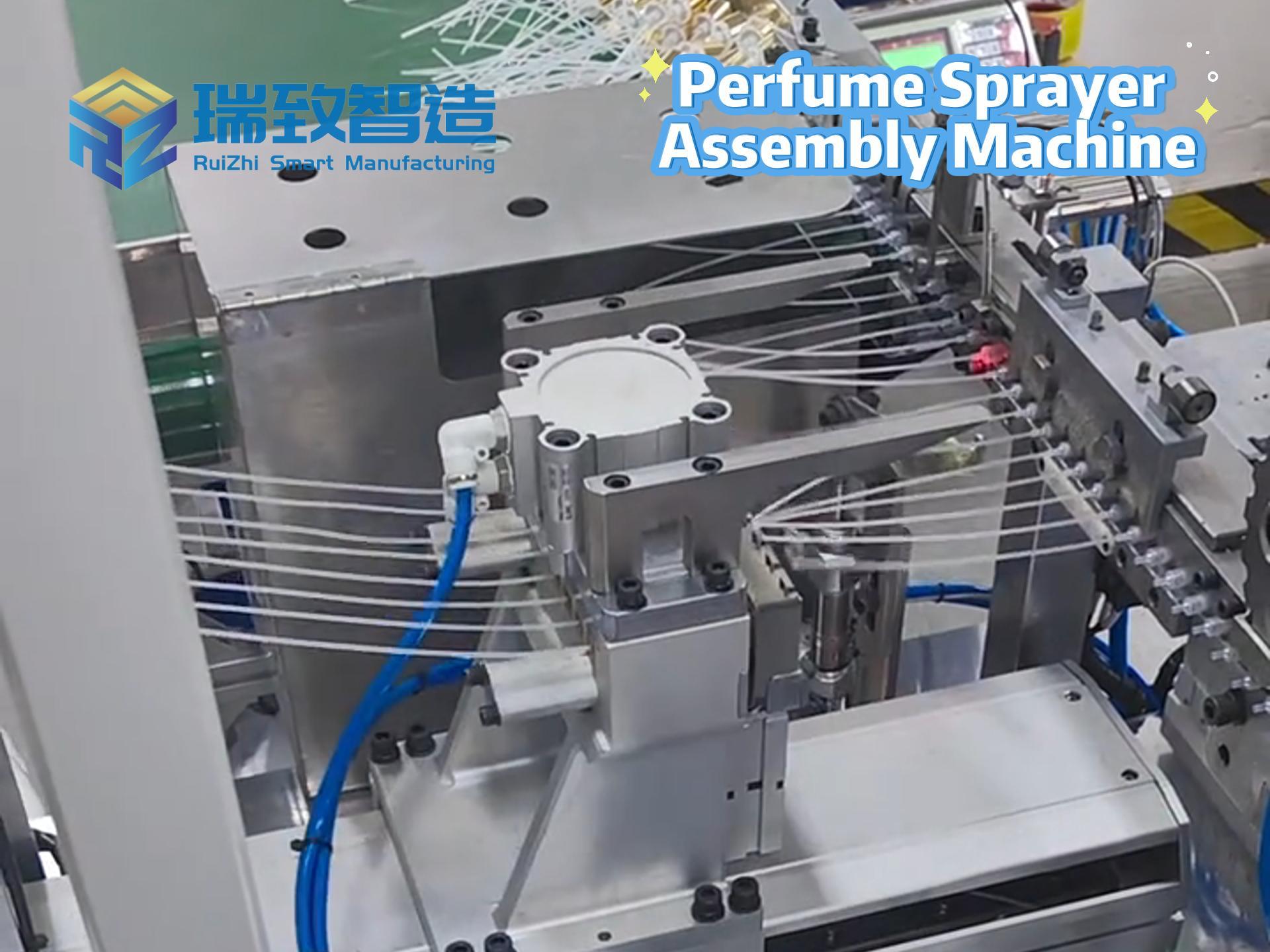
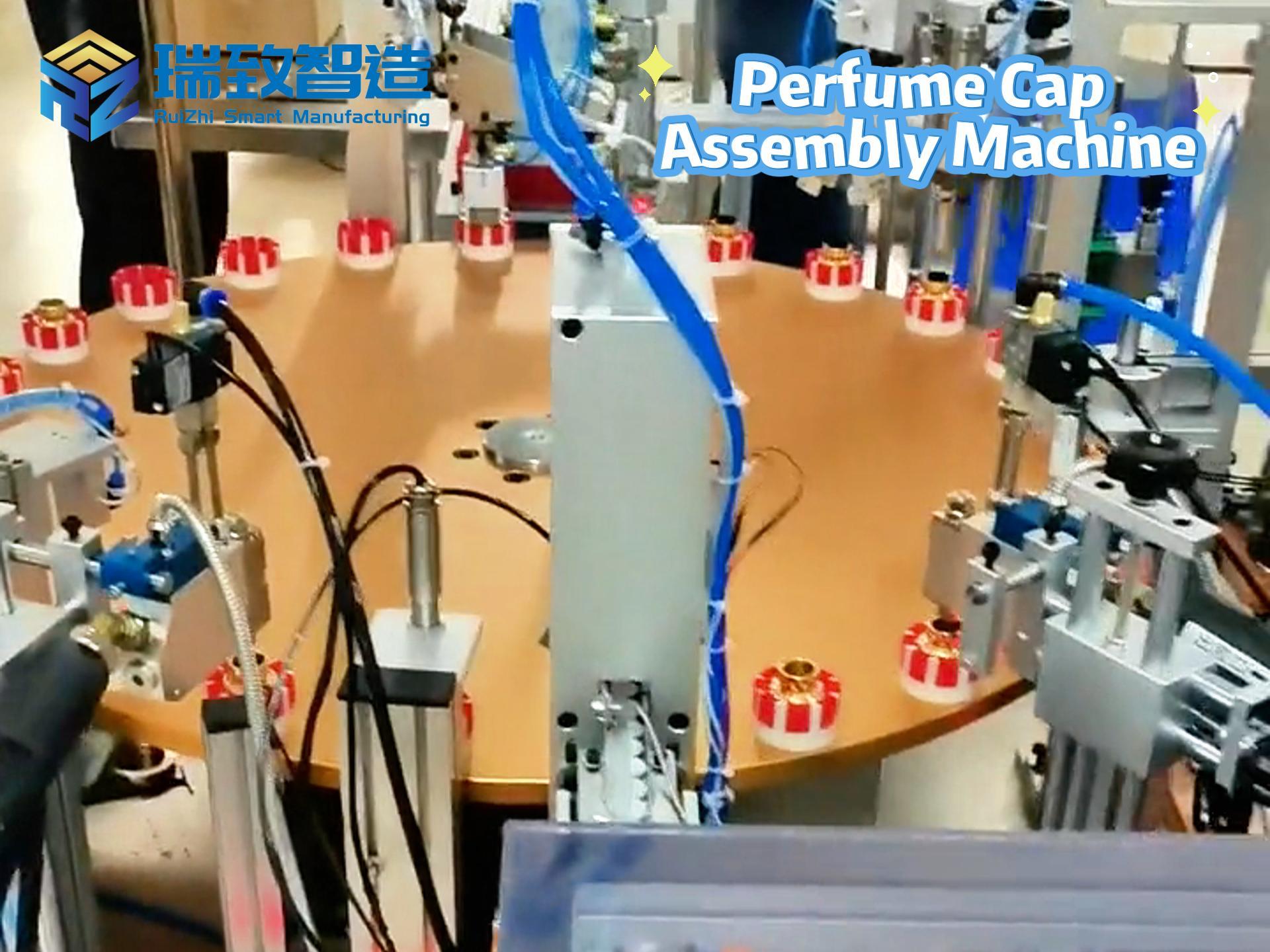
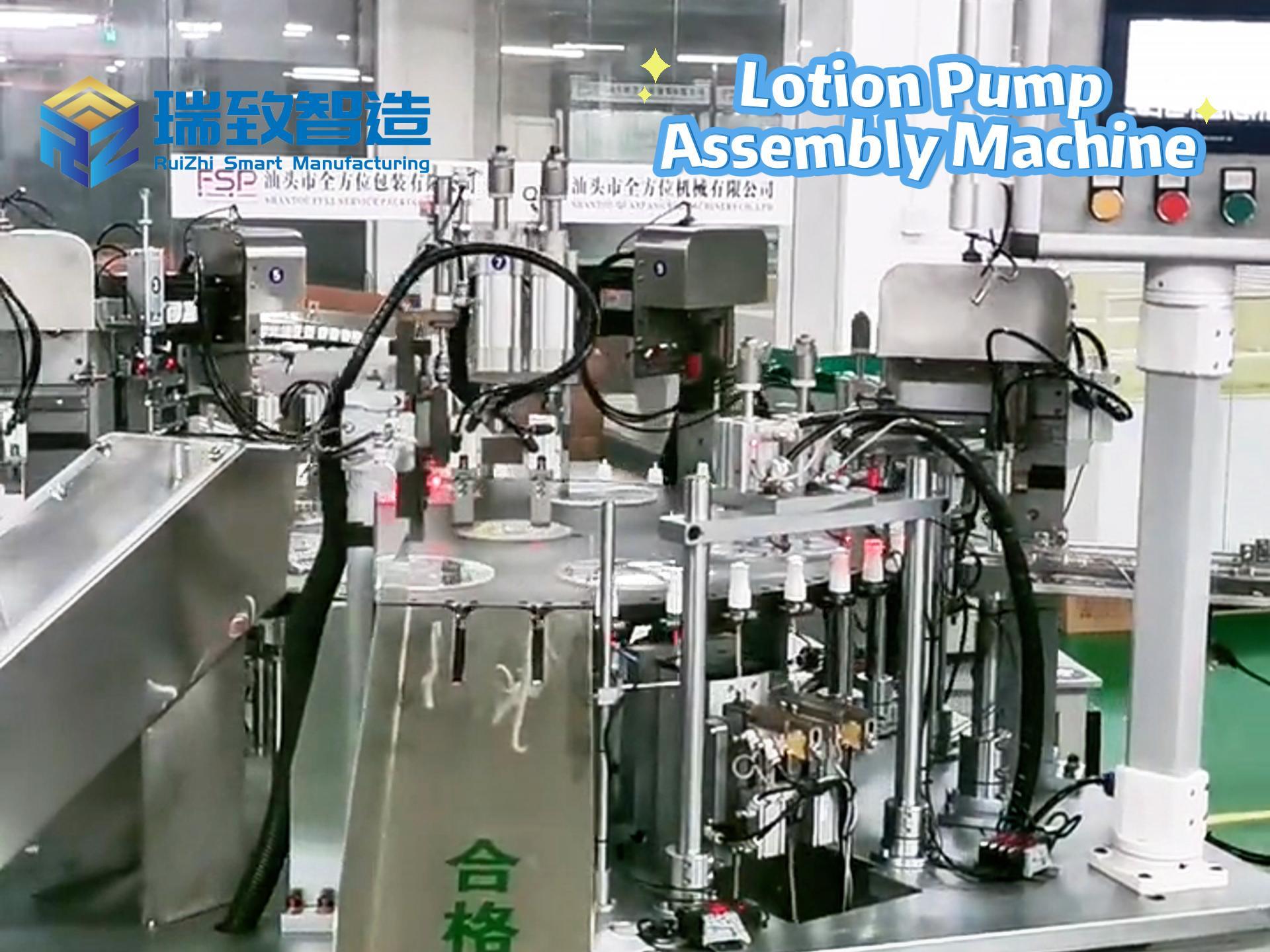
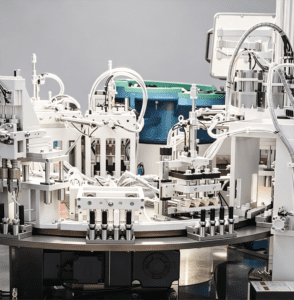
Traditional lipstick assembly lines often rely heavily on manual labor for tube feeding, inserting the lipstick core, capping, and quality inspection. This approach not only results in high labor costs but also makes it difficult to maintain batch-to-batch consistency. Addressing these challenges, the next-generation fully automatic lipstick assembly machine is built around the core concept of “full-process automation,” systematically deconstructing and restructuring traditional production processes.
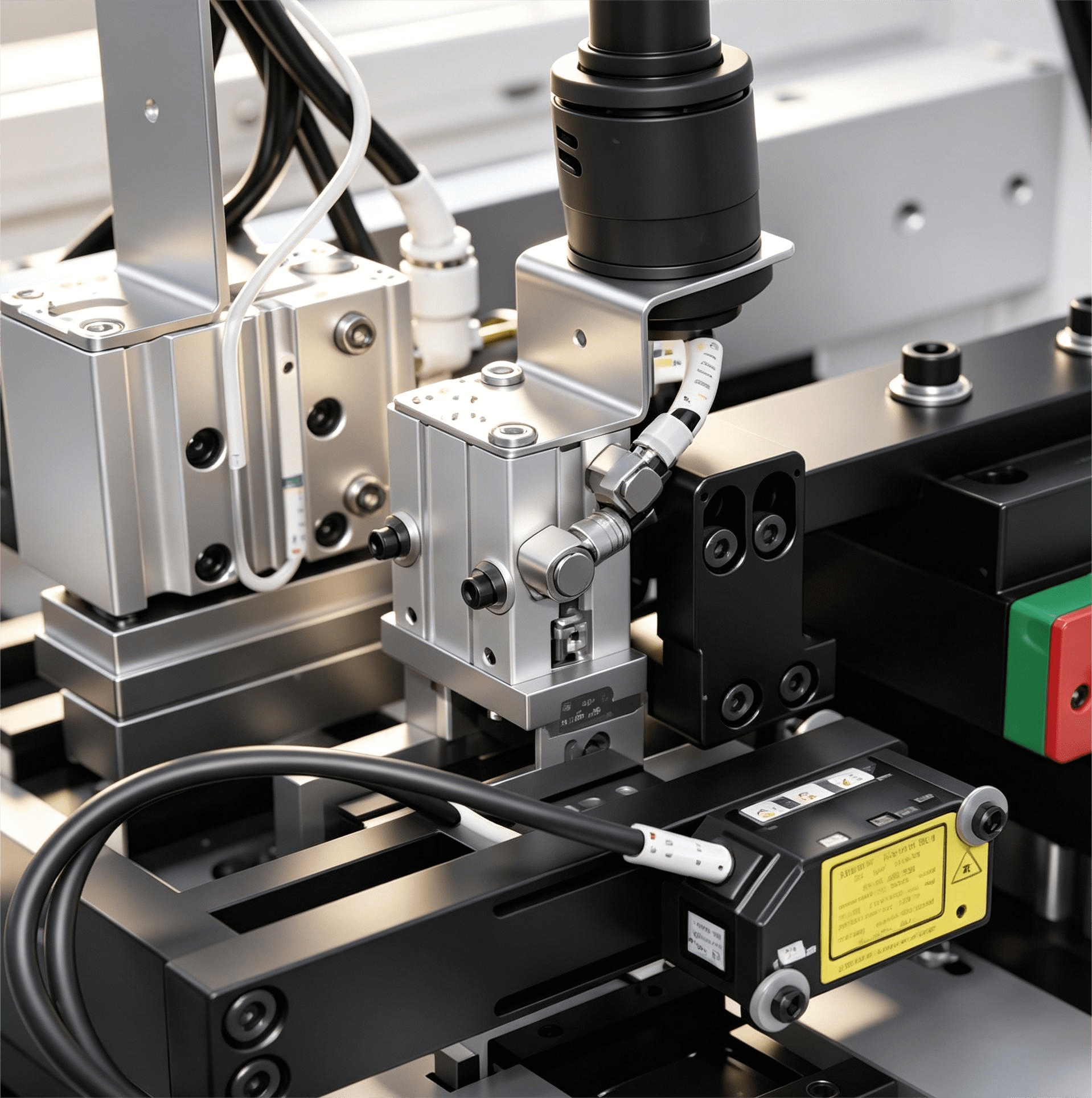
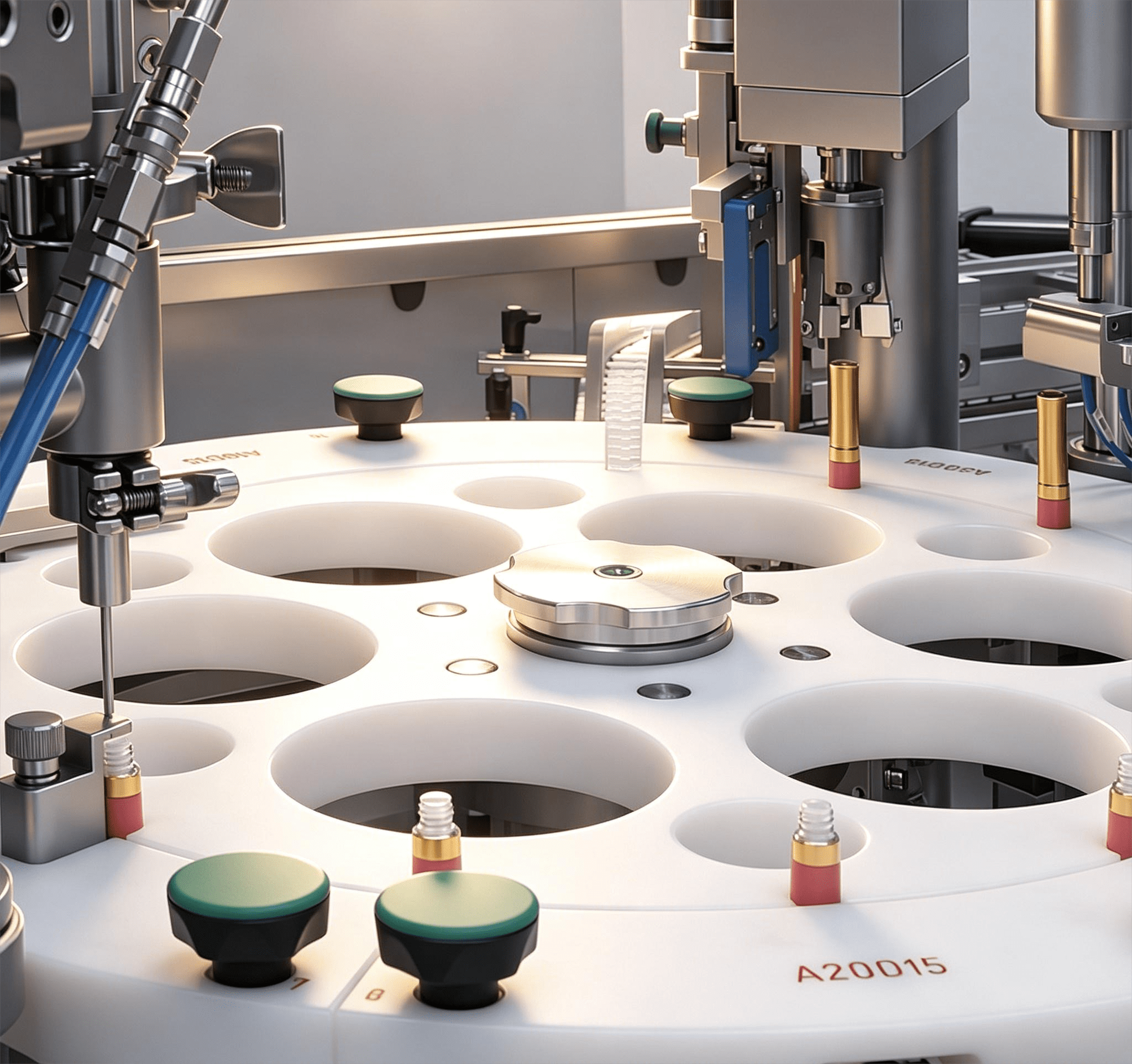
The machine integrates a PLC-based precision control system with servo-driven positioning technology, consolidating discrete workstations — such as tube feeding, core insertion, cap assembly, and quality inspection — into a high-speed, coordinated automated line. This design achieves not only physical process integration but also establishes closed-loop, traceable manufacturing logic at the data level.
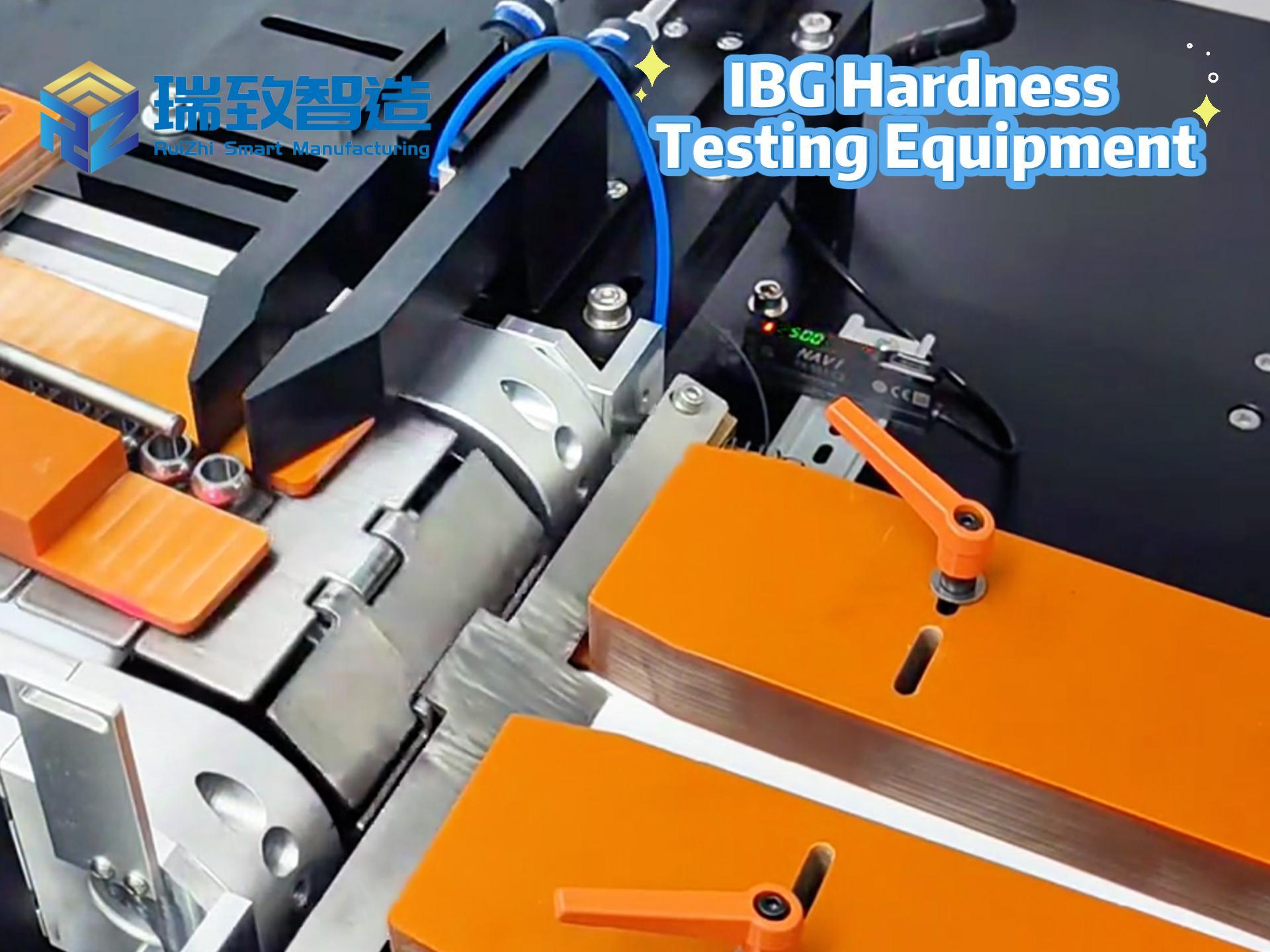
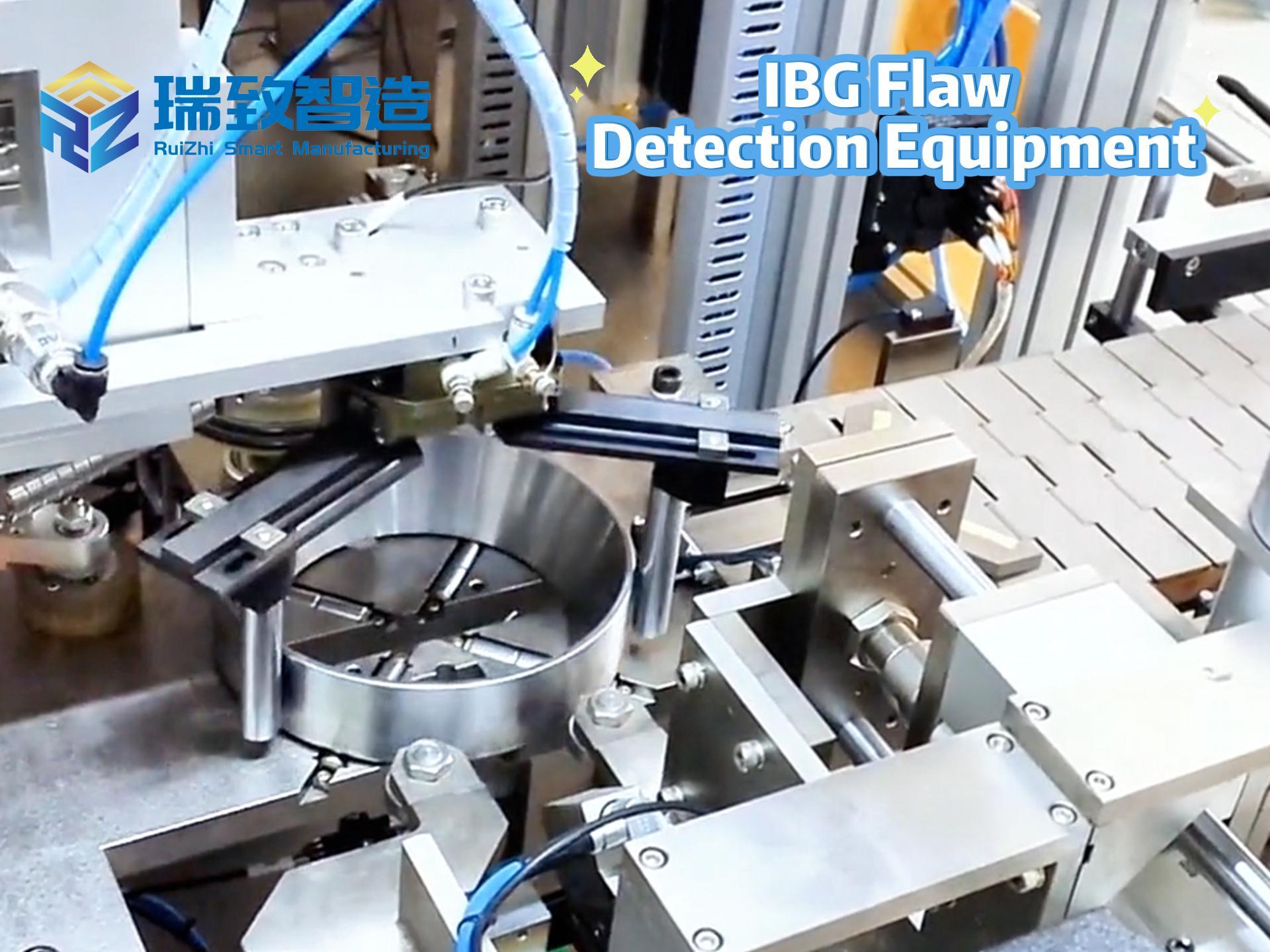
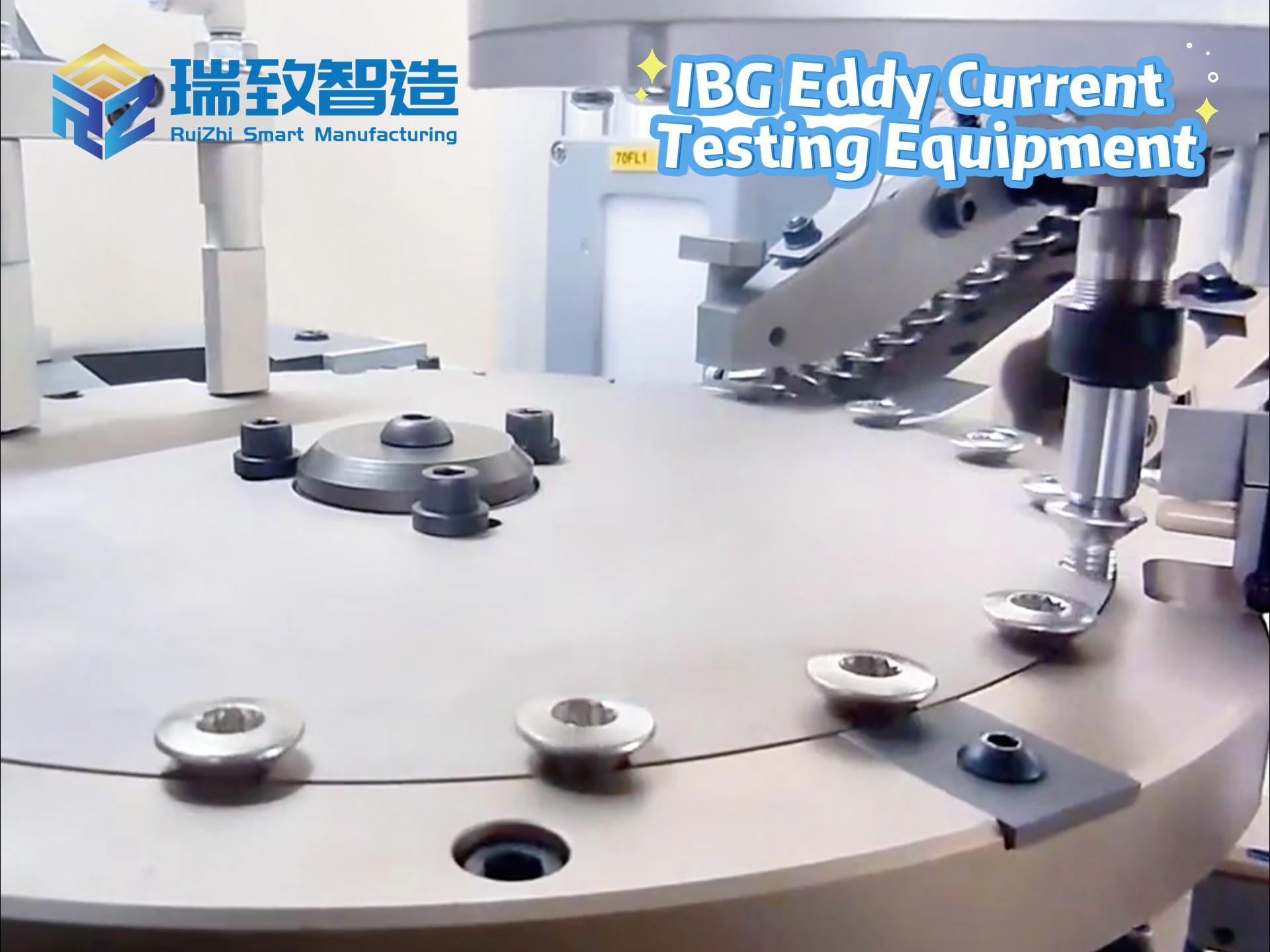
With a multi-station online inspection system, the machine continuously monitors and compensates for minor deviations during assembly, maintaining precision within ±0.03 mm. This ensures that every finished lipstick meets the brands’ stringent quality standards in terms of concentricity, torque, and appearance. With an average yield rate exceeding 98.5%, the machine not only replaces six to eight manual operators but also delivers a level of stability and consistency that manual processes cannot achieve.
Flexible Architecture: Enabling Agile Brand Response
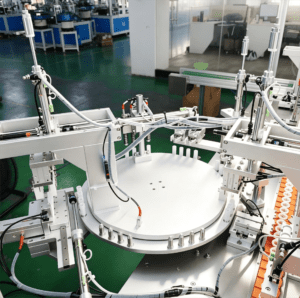
As the lipstick market diversifies into textures such as matte, velvet, and satin, alongside packaging formats like bullet tips and specialty cases, the ability to quickly change over production lines has become a critical competitive factor. The machine was designed with “flexible manufacturing” principles from the outset. Its quick-change fixture system allows for full model and specification changeovers in just three minutes.
This exceptional changeover efficiency enables cosmetic brands and contract manufacturers to respond to small-batch, high-variety order trends with minimal marginal cost, truly realizing demand-driven production and agile delivery.
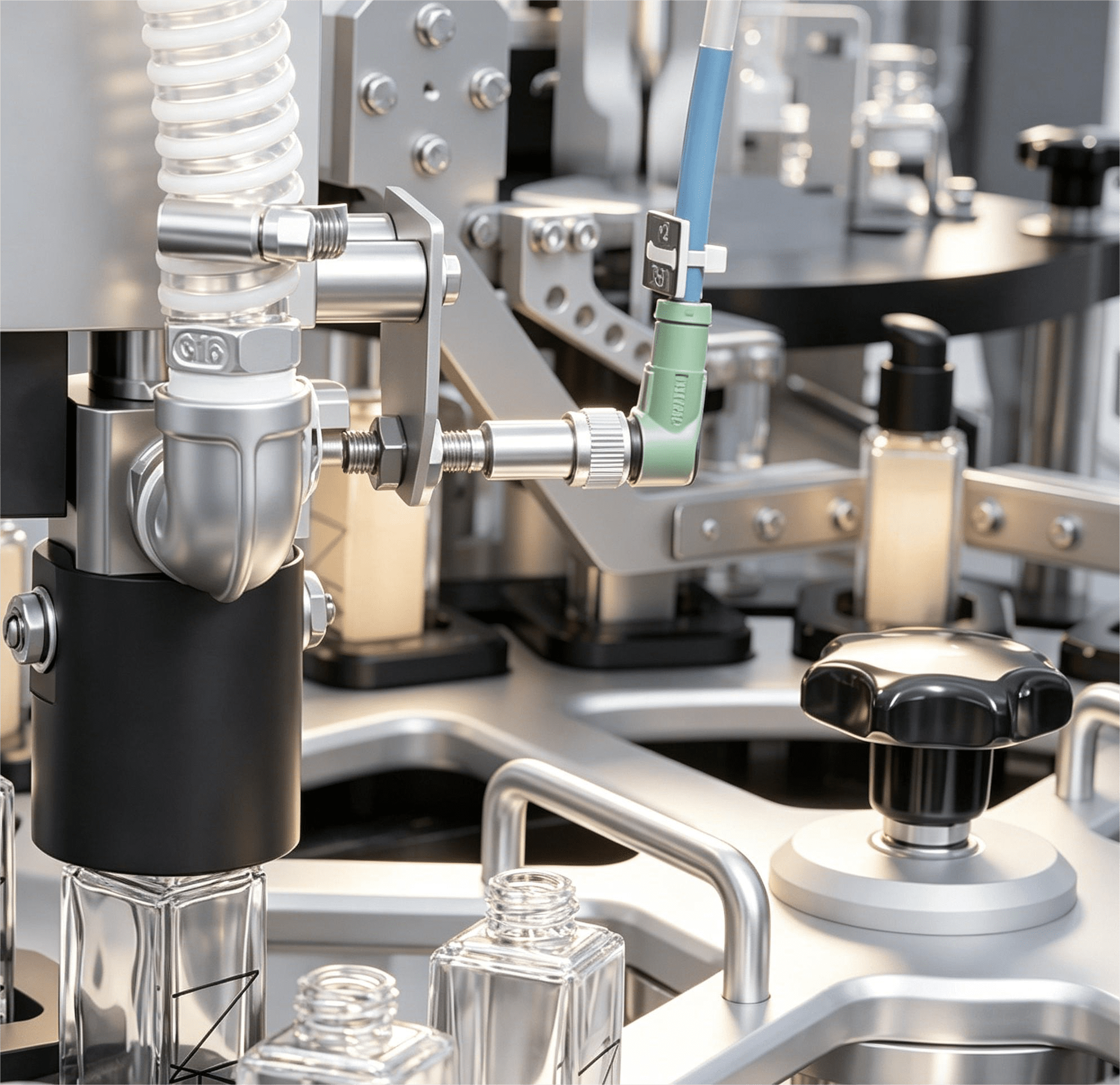
Furthermore, the machine is built to meet GMP standards, with core components made of 316L stainless steel and food-grade materials, satisfying the highest requirements for cleanliness and safety in cosmetics manufacturing.
Its open communication interfaces and modular architecture allow seamless integration with upstream filling machines and downstream packaging equipment, forming a fully closed-loop intelligent production line — from paste filling to finished product packaging — laying the foundation for a transparent, digital smart factory.
Value Creation: From Equipment Procurement to Capability Co-Development
For cosmetic brands, adopting a fully automatic lipstick assembly machine is more than a simple equipment purchase — it represents a strategic restructuring of manufacturing capabilities.
It addresses the core pain points of low manual efficiency, unstable tubular assembly, and high labor costs, freeing human resources from repetitive tasks and enabling them to focus on more value-added activities such as process optimization and quality management.
For OEM/ODM manufacturers, the machine becomes a key asset for attracting premium brand orders, improving production efficiency per square foot, and building differentiated competitiveness.
As intelligent manufacturing continues to reshape the beauty industry, the role of equipment suppliers has evolved from pure providers to enablers who work alongside brands and factories to explore new models of flexible, intelligent production.
By delivering stable, precise, and adaptable assembly solutions, we are helping more cosmetics companies build the manufacturing capabilities needed to compete in the future.