Recently, Ufun Intelligent announced the completion of its Pre-IPO+ round financing, amounting to RMB 513 million. The funds will be primarily allocated to the development of core capabilities, including robot bodies, multimodal large models, the “big brain and small brain” of general-purpose robots, and world models. On January 12, Embodied Intelligence enterprise Ziji Robot announced the successful completion of its Series A++ financing, raising RMB 1 billion. Investors such as ByteDance and Sequoia China participated in the round. Additionally, Juwei Technology, which focuses on the R&D and application of embodied intelligence technologies, recently completed its Series A financing of nearly RMB 100 million. Its robot products can be applied to a wide range of industry scenarios, including emergency response, fire protection, petroleum, and coal.
Amid the global wave of artificial intelligence development, embodied intelligence is emerging as a pivotal direction that will drive future technological transformation. It represents not only a breakthrough in technology but also a redefinition of the relationship between humans and machines. This article will take you on an in-depth exploration of the connotation, development trajectory, technical architecture, application scenarios, and future challenges of embodied intelligence, revealing how this cutting-edge field is reshaping our lives and work.
Embodied intelligence refers to an intelligent system where agents achieve the integration of perception, cognition, decision-making, and action through real-time interaction with the environment via their physical bodies. It emphasizes that intelligence must be manifested through dynamic interaction between the body and the environment, subverting the traditional limitations of “disembodied” artificial intelligence. Simply put, embodied intelligence is “intelligence with a body.” It enables intelligent behavior and adaptability by continuously perceiving, acting, and interacting in either real or virtual environments through a physical “body.”
Currently, embodied intelligence is in a critical transitional phase, shifting from “expanding the upper limits of capabilities” to “strengthening the bottom line of reliability.” Semi-structured scenarios have already achieved commercial breakthroughs, primarily concentrated in three key domains:
(I) Industrial Sector: The Core Pillar of Flexible Production
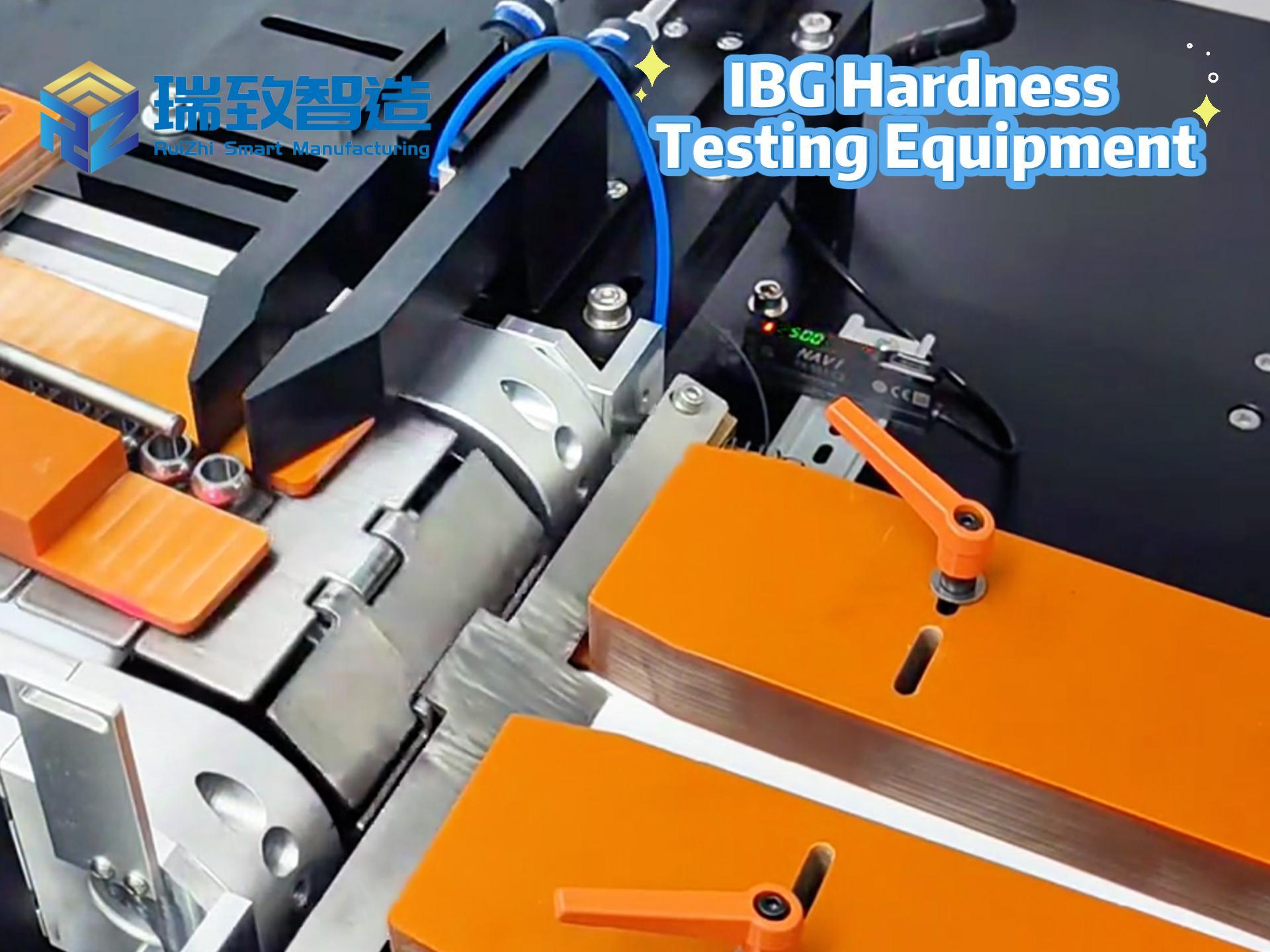
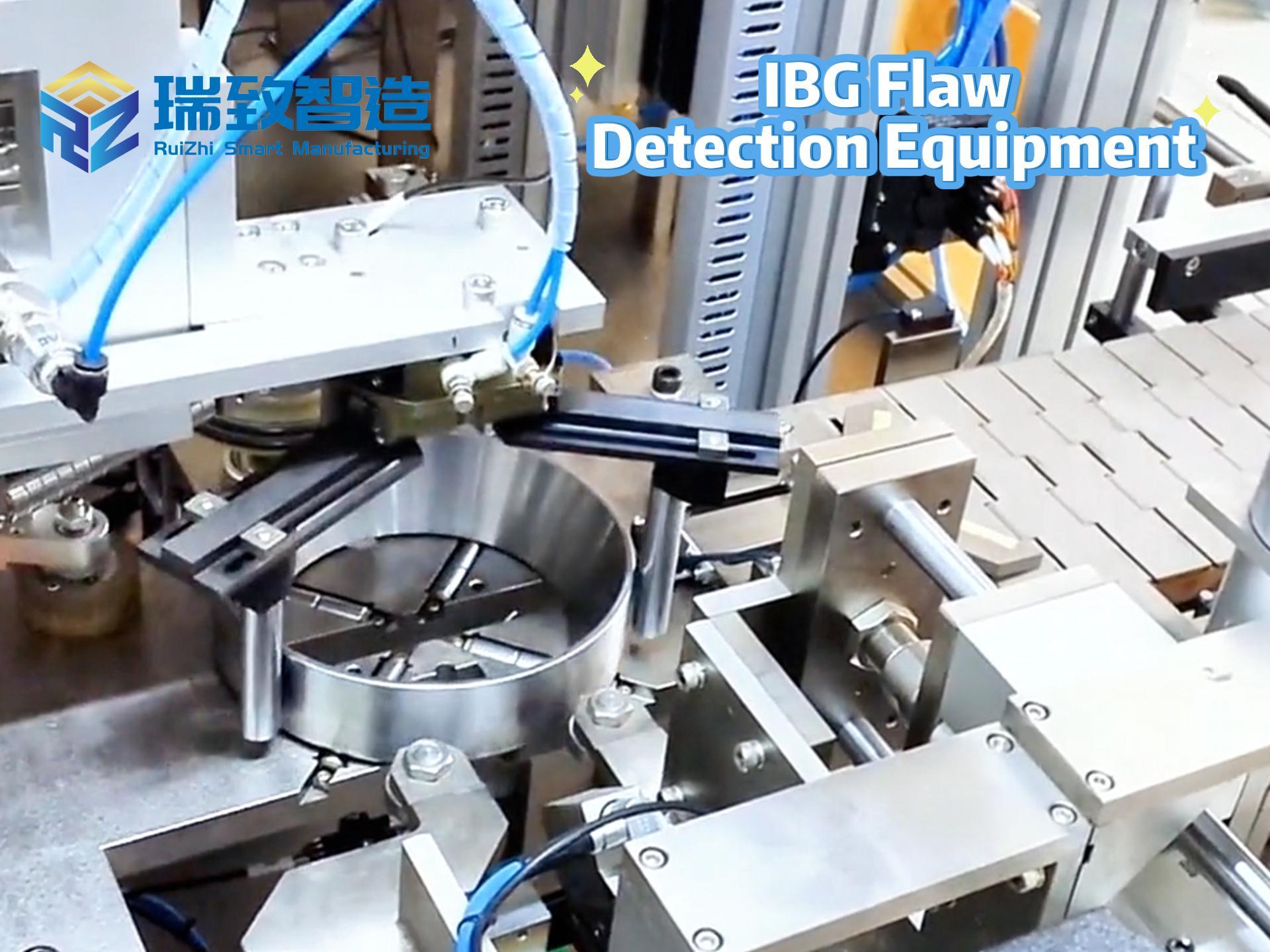
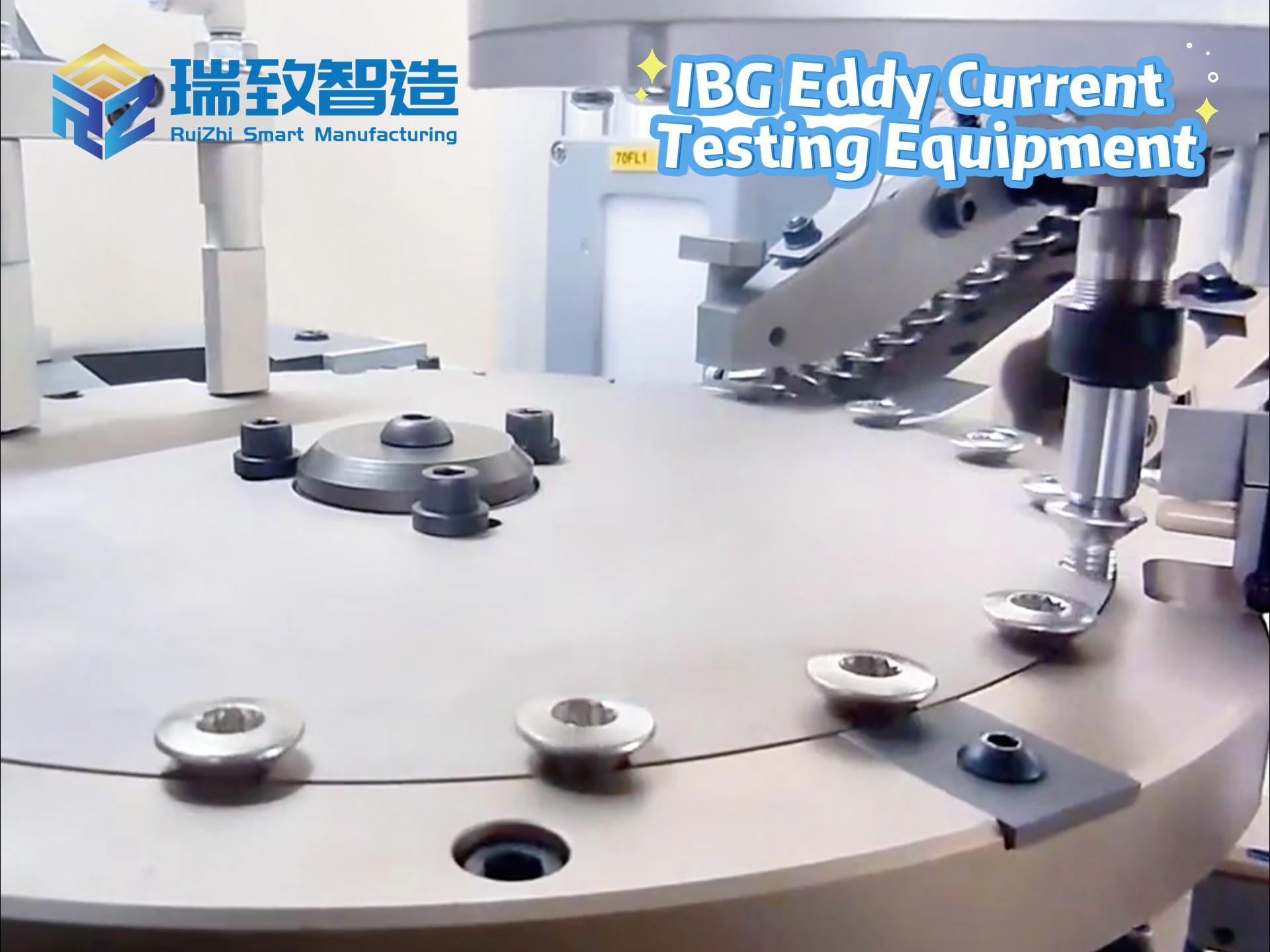
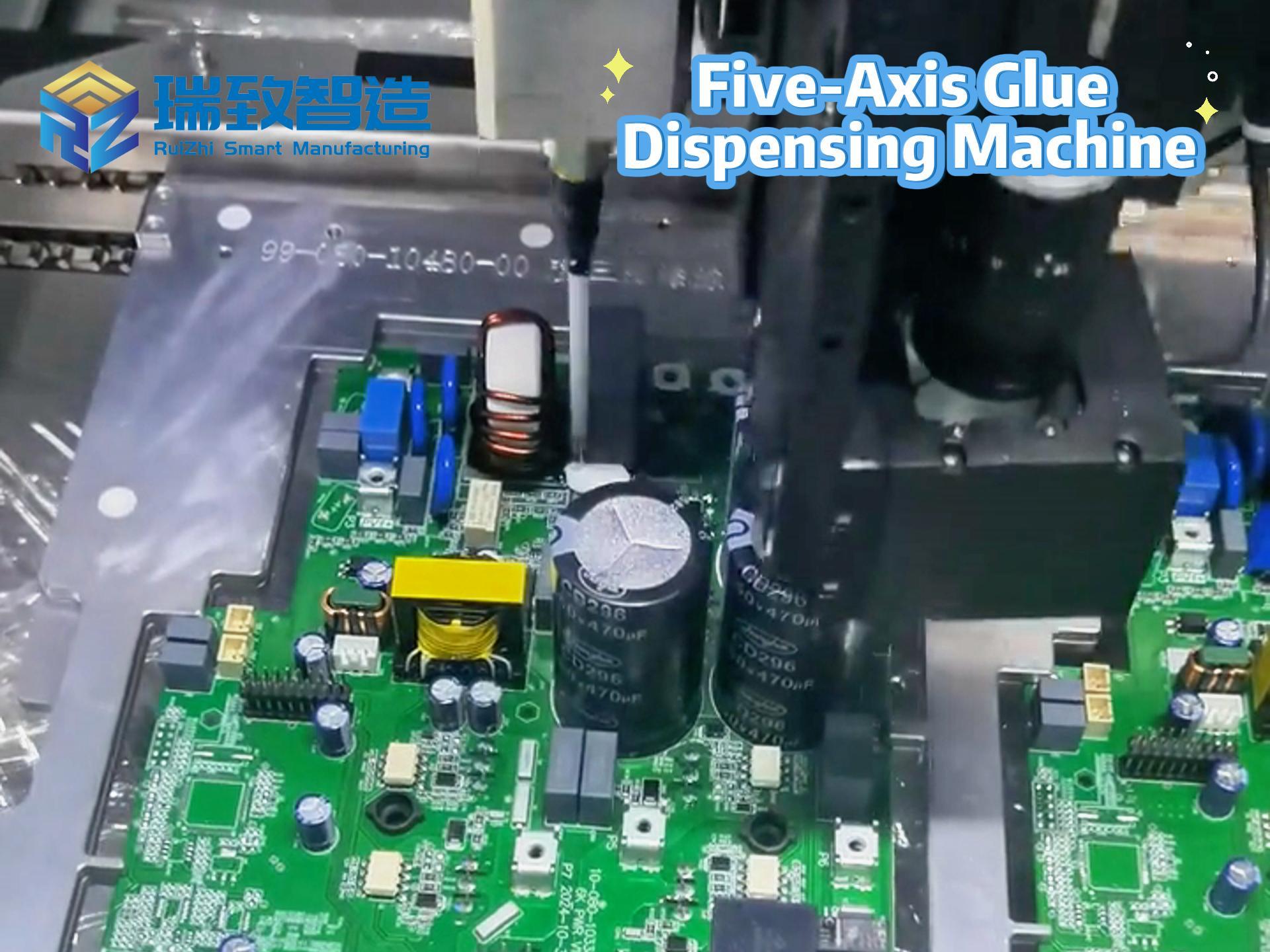
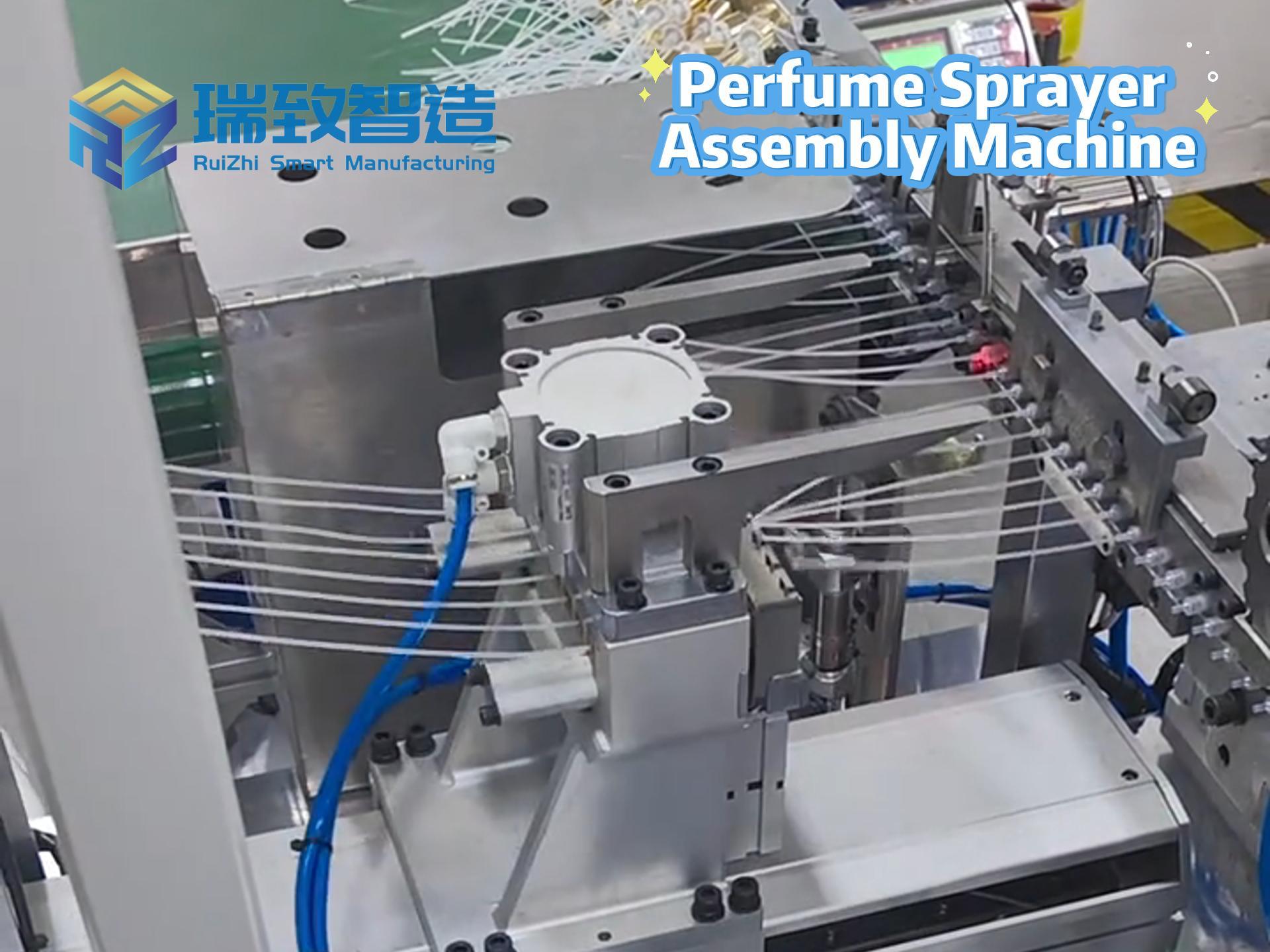
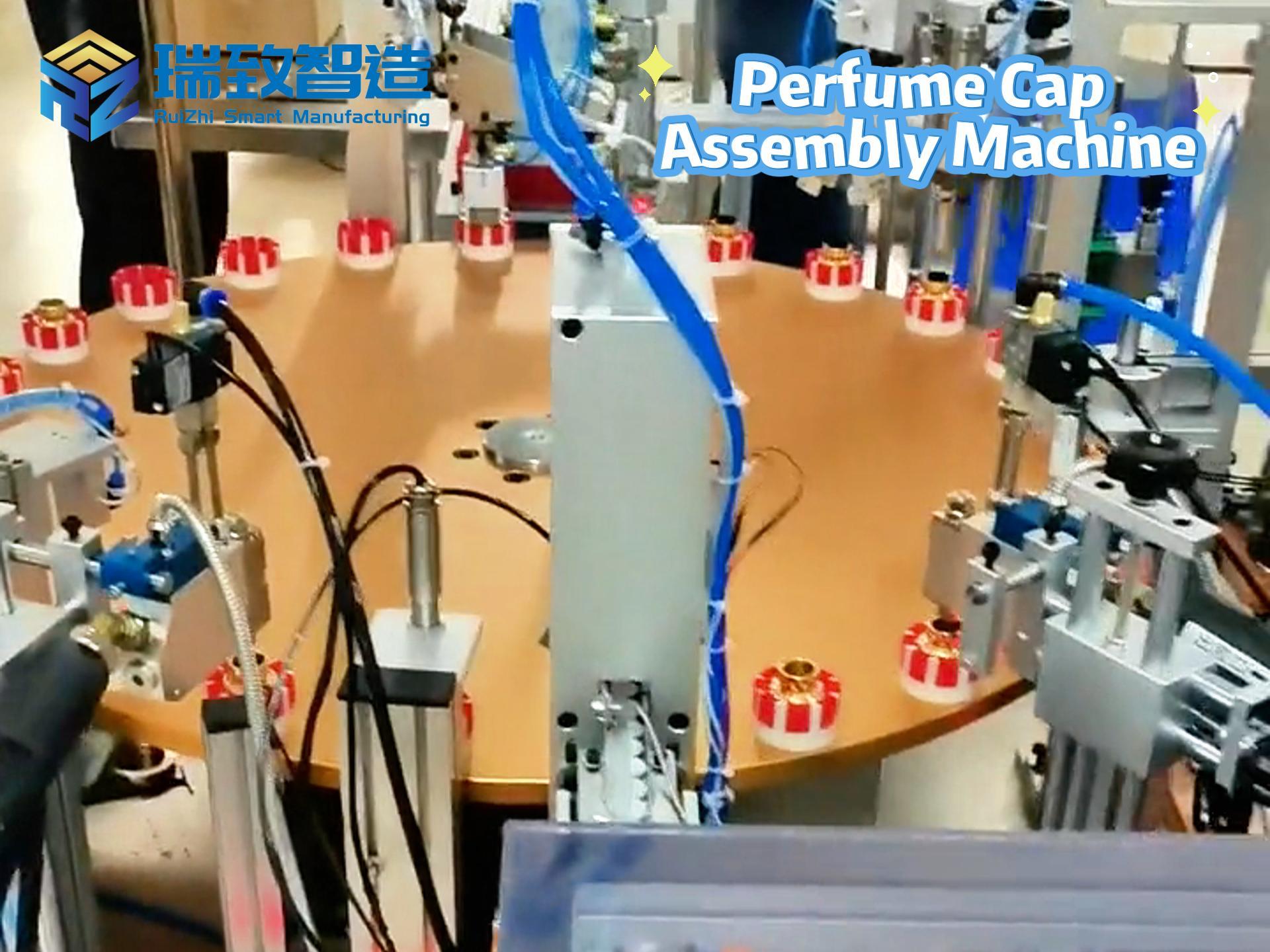
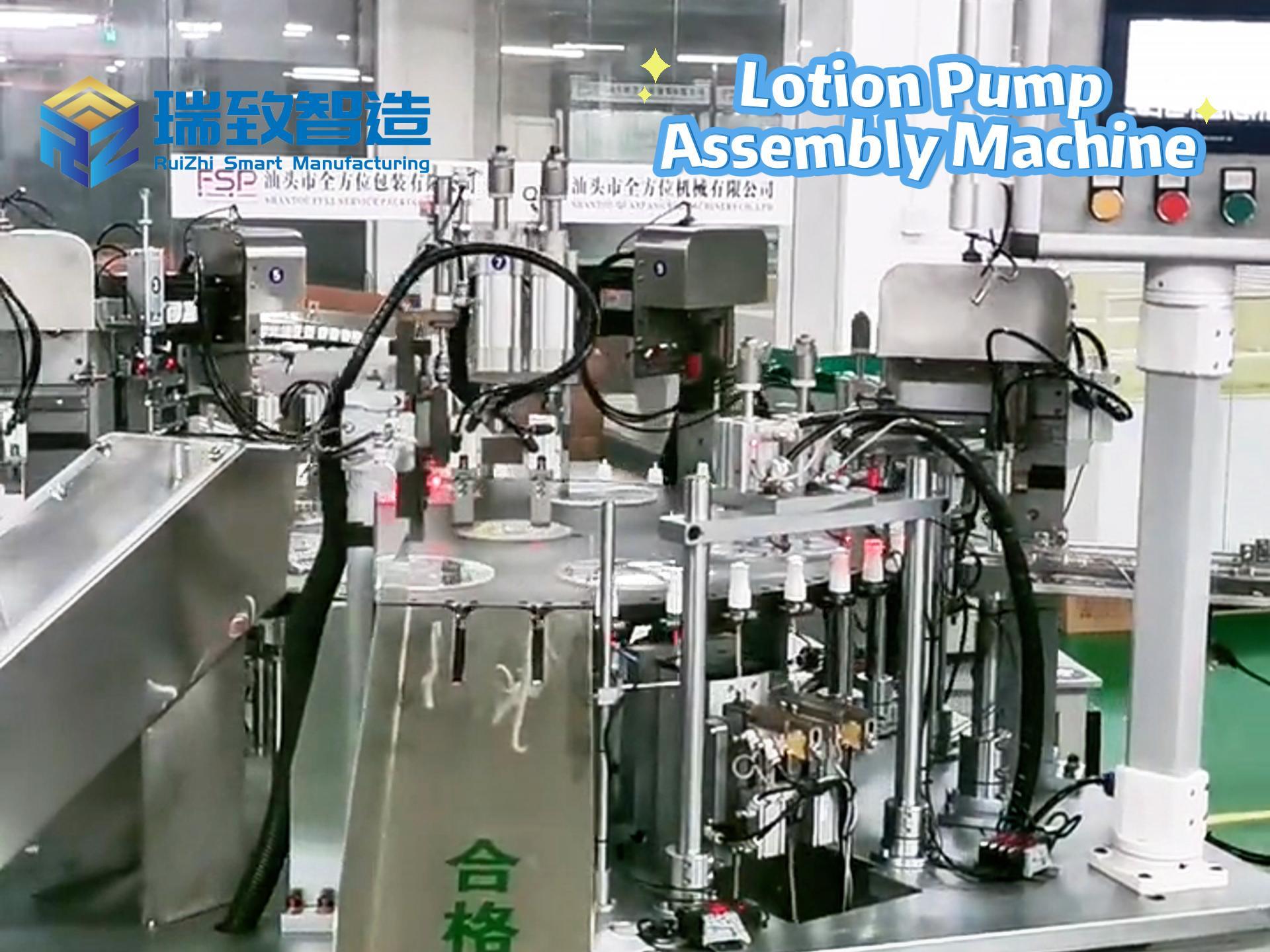
In factory settings, embodied intelligence robots can perform tasks such as logistics sorting, material handling, and the assembly of standardized products. Compared with traditional industrial robots, they offer enhanced environmental adaptability and task flexibility. For example, in an automotive component assembly workshop, embodied robots can identify part deviations through tactile sensors and adjust their assembly angles autonomously, eliminating the need for manual calibration. In the electronics manufacturing field, they can achieve precise grasping and welding of micro-components, thereby improving production efficiency and yield rates.
(II) Service Sector: A New Paradigm for Human-Robot Collaboration
Service robots serve as a vital application carrier for embodied intelligence and have gradually been deployed in scenarios such as logistics, retail, and elderly care. In logistics, autonomous delivery robots can navigate complex environments like residential communities and industrial parks, evading obstacles in real time and optimizing delivery routes. In elderly care, elderly assistance robots can perceive the needs of seniors through multimodal interactions, providing support for standing up and fetching items. In retail settings, shopping guide robots can independently identify customer identities, recommend products, and guide them through shopping paths.
(III) Specialized Sector: A Powerful Tool to Surpass Human Limitations
In high-risk or inaccessible scenarios such as emergency rescue and space exploration, embodied intelligence demonstrates unique value. For instance, earthquake rescue robots can penetrate the interior of collapsed buildings to search for survivors using visual and auditory sensors, transmitting environmental information back to the surface. Space exploration robots can move autonomously in extreme environments like the Moon and Mars, completing sample collection and equipment maintenance tasks while minimizing human exploration risks.
Embodied intelligence represents the next wave of artificial intelligence development. It extends artificial intelligence from the virtual world into the physical realm, opening a new era of human-robot coexistence. Despite the numerous challenges ahead, with continuous technological advancements and expanding application scenarios, embodied intelligence is poised to play a pivotal role in smart manufacturing, smart cities, medical care, and elderly care, bringing profound impacts to human society. Let us look forward to the future development of this technology and embrace a promising era of human-robot collaboration.