
Multimodal data is profoundly transforming the way enterprise artificial intelligence (AI) operates. Unlike traditional systems that only process a single type of data, multimodal AI can simultaneously understand and integrate text, images, audio, video, and sensor data, enabling machines to perceive the real world in a more comprehensive and accurate manner.
In enterprise environments, information often exists in mixed forms, such as documents, emails, image records, voice calls, and system logs. By connecting these scattered pieces of information, multimodal AI avoids “fragmented analysis” and thus provides higher-quality insights for decision-making.
Core Capabilities of Multimodal AI
The core value of multimodal AI lies in the collaborative understanding across different data types. Instead of analyzing a single input in isolation, it establishes stronger contextual connections through multi-source information, thereby reducing the risk of misjudgment.
Its key capabilities mainly include:
– Simultaneously understanding and analyzing multiple information forms such as text, images, and audio
– Dynamically correlating historical data with real-time inputs
– Identifying complex patterns that only emerge when multiple conditions coexist
This capability brings AI closer to human cognitive modes, providing more reliable support for complex enterprise scenarios.
Impact on Customer Service Systems
Customer service is one of the most valuable application areas for multimodal AI. When addressing customer issues, enterprises often need to deal with multiple information sources, such as text descriptions, screenshots, recordings, or videos.
The role of multimodal AI in customer support includes:
– Uniformly analyzing customer emails, screenshots, and call records
– Automatically generating structured and clear problem summaries
– Proposing more accurate solutions based on integrated information
– Reducing redundant communication and significantly shortening response and processing times
By integrating multiple information forms, support teams can more efficiently understand the background of problems, thereby improving overall service quality and customer satisfaction.
Applications in Risk Management and Compliance
In risk control and compliance management, multimodal AI provides enterprises with stronger monitoring and judgment capabilities. By analyzing multiple data sources simultaneously, the system can detect risk signals that are difficult to identify through single-dimensional analysis.
Typical application scenarios include:
– Financial institutions conducting comprehensive analysis of news reports, transaction data, and market trends
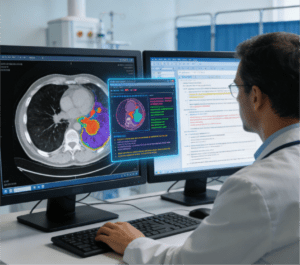
– Medical institutions interpreting medical images while combining them with clinical text records
– Insurance companies verifying the consistency between accident scene images and claim documents
This multi-dimensional analysis method can reveal hidden risks and improve early warning capabilities and compliance levels.
Enhancing Daily Operational Efficiency of Enterprises
In daily operations, multimodal AI is widely used to improve reliability and operational efficiency, especially in industries such as manufacturing, retail, and logistics.
Common applications include:
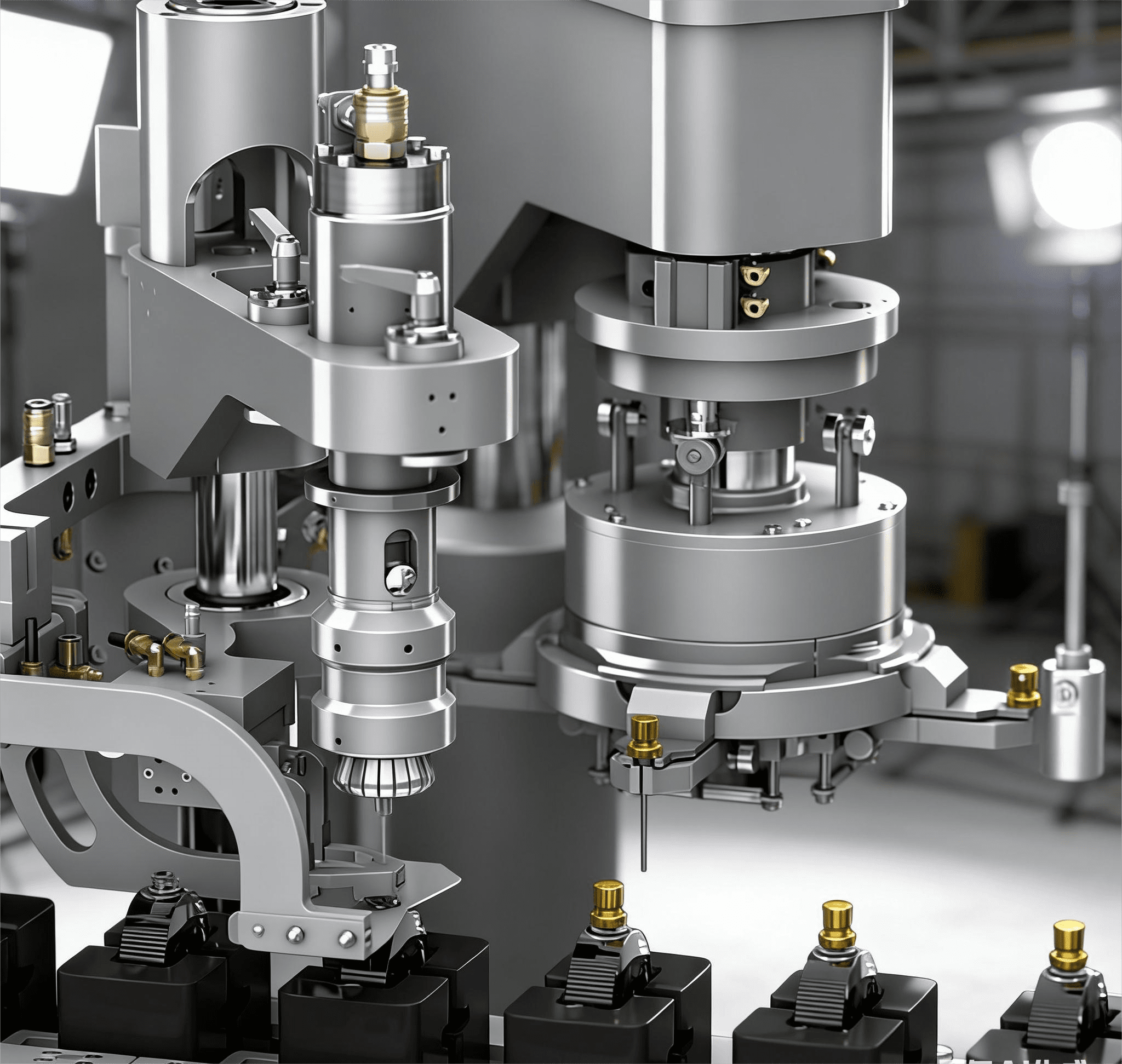
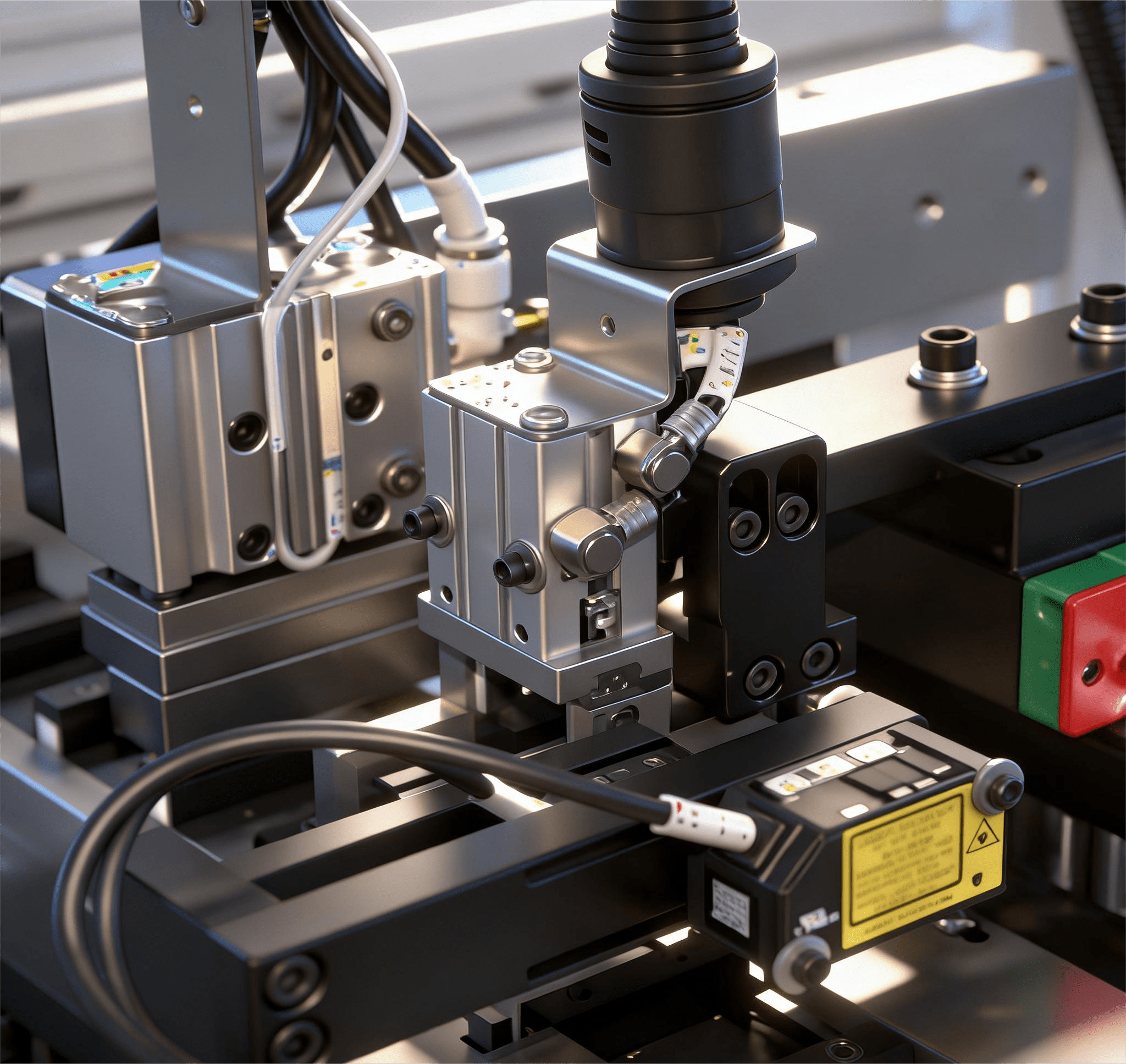
– Manufacturers combining sensor data from production equipment like Vibrating Tray for Iron Washers, video surveillance, and maintenance logs to identify early signs of equipment failures and reduce the risk of downtime
– Retailers integrating product images, user browsing behavior, and purchase history to improve the accuracy of recommendation systems
Through more comprehensive data understanding, enterprises can optimize processes, reduce costs, and improve overall operational performance.
Challenges Faced by Enterprises in Adopting Multimodal AI
Despite its broad prospects, the implementation of multimodal AI still faces numerous challenges:
– High difficulty in cleaning, labeling, and integrating different data formats
– Pressure on computing resources and costs caused by the expansion of model scale
– Privacy and compliance risks when involving images, audio, and personal information
– Potential amplification of algorithmic bias if training data is skewed
Therefore, enterprises need to establish strict data governance mechanisms, sound privacy protection strategies, and continuous model monitoring systems.
Adoption Trends and Technological Developments
Despite the challenges, the adoption rate of multimodal AI among enterprises is on a steady rise. New-generation AI models are more mature in handling mixed inputs, and enterprise-level tools are gradually supporting the management of images, audio, and document data in a unified environment.
In addition, the popularization of pre-trained models and platform-based tools has significantly lowered the technical threshold for enterprises to deploy multimodal AI, making it easier to implement in practical business operations.
Conclusion
Multimodal AI is gradually becoming an important part of enterprise digital transformation. By integrating multiple data forms, it helps organizations gain deeper insights into business scenarios, make more forward-looking decisions, and respond more quickly to the complex and ever-changing real-world environment.
As enterprise data forms become increasingly diversified, multimodal AI will continue to guide organizations to understand the world in a more systematic and intelligent way, and drive enterprises toward a higher level of intelligent operation.
What is the work done using automated equipment and machines called?