
Milestone Achieved: Rapid Network Expansion & Ambitious 2026 Targets
As 2025 draws to a close, Contemporary Amperex Technology Co., Limited (CATL) announced that its two major battery swapping brands, Chocolate Swap and Qiji Swap, have collectively built 1,325 battery swapping stations. Among them, Chocolate Swap has exceeded 1,000 stations, and Qiji Swap has surpassed 300 stations. In just one year, the two networks added 1,020 and 305 stations respectively, with a station construction efficiency far exceeding the industry average.
This milestone not only marks CATL’s achievement of large-scale network layout in two key scenarios—convenient energy supplementation for passenger vehicles and trunk logistics for commercial vehicles—but also signals that China’s battery swapping industry has officially entered a new phase of rapid expansion and ecosystem construction from pilot exploration.
Meanwhile, CATL also announced that Chocolate Swap plans to build over 3,000 battery swapping stations in more than 140 cities by 2026, and Qiji Swap aims to construct 900 stations in the same year. The combined target of the two brands is nearly three times that of 2025.
Dual-line Ecosystem Co-construction: Catering to Diverse Scenarios
The 1,325 battery swapping stations deployed by CATL this time are not repetitive constructions for a single scenario, but the result of a “dual-line advancement” strategy based on different user needs, vehicle types, and operational scenarios.
Chocolate Swap focuses on the urban energy supplementation scenario for passenger vehicles, with the core concept of “urban battery swapping freedom”. Currently, it has entered 45 cities nationwide, fully covering core economic zones such as the Yangtze River Delta, Beijing-Tianjin-Hebei, Sichuan-Chongqing, and the Greater Bay Area. Its battery swapping stations boast strong environmental adaptability, capable of stable operation under extreme climatic conditions ranging from -30℃ to 42℃, solving the energy supplementation anxiety of electric vehicles in severe cold and heat. This layout directly addresses the pain points of urban users, such as “slow charging” and “difficulty finding charging piles”, and achieves energy supplementation comparable to that of fuel vehicles through 3–5 minute battery swapping services.
Qiji Swap targets trunk logistics for commercial vehicles, a major source of carbon emissions, and is committed to building green infrastructure for national trunk logistics. At present, it has initially formed a “Two Horizontal and Two Vertical” backbone battery swapping network, covering major national expressway arteries including the G42 Shanghai-Chengdu, G60 Shanghai-Kunming, G2 Beijing-Shanghai, and G4 Beijing-Hong Kong-Macao Expressways. The total mileage of the network reaches 78,000 kilometers, with business operations spanning 26 provinces. This is of decisive significance for promoting the electrification transformation of long-haul heavy-duty trucks. The biggest obstacle to the electrification of heavy-duty trucks is not vehicle technology, but energy supplementation efficiency and driving range. Through the layout of the trunk network, Qiji Swap enables electric heavy-duty trucks to conduct long-distance transportation like diesel vehicles, providing practical infrastructure support for the low-carbon transformation of the logistics industry.
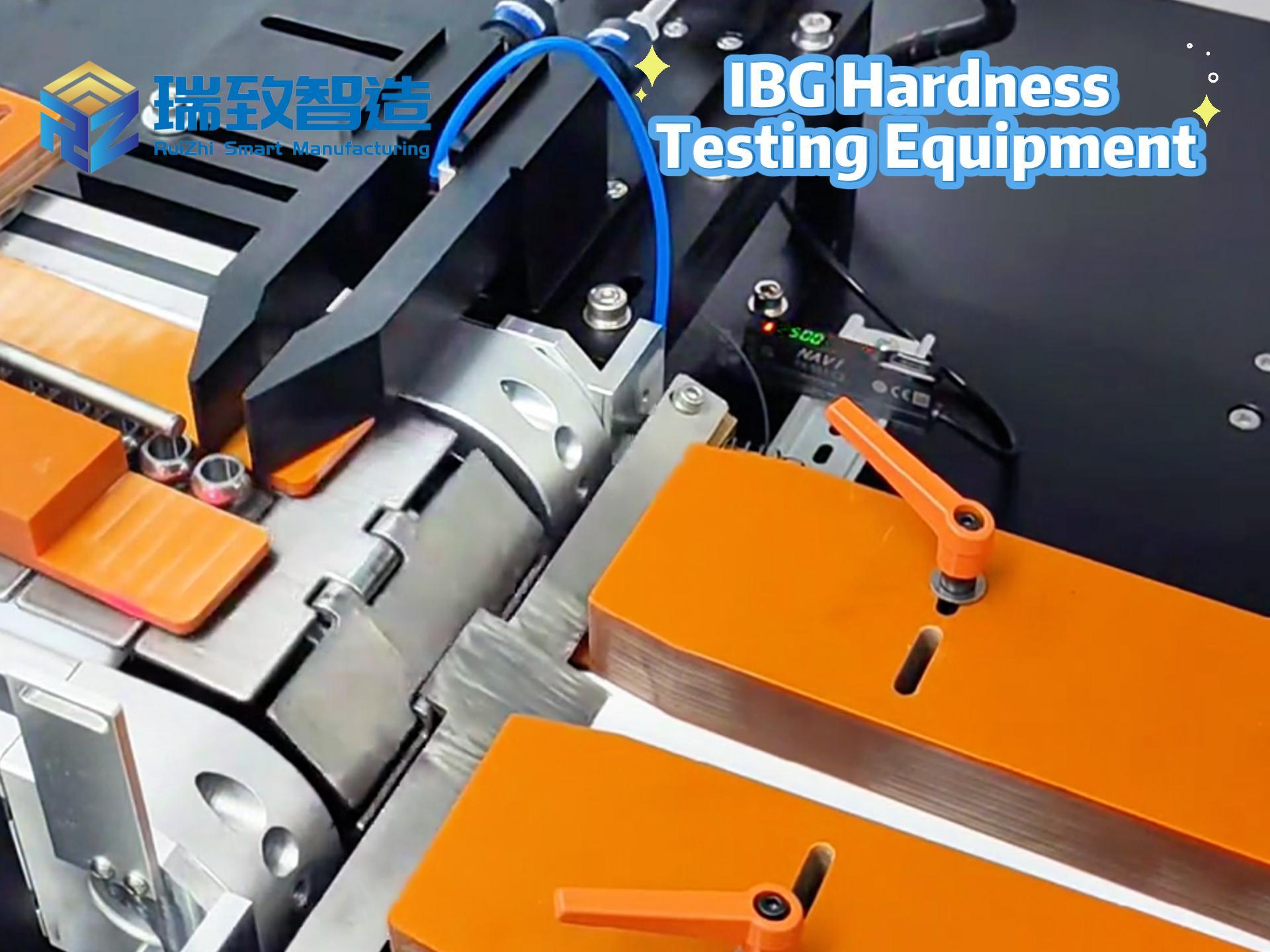
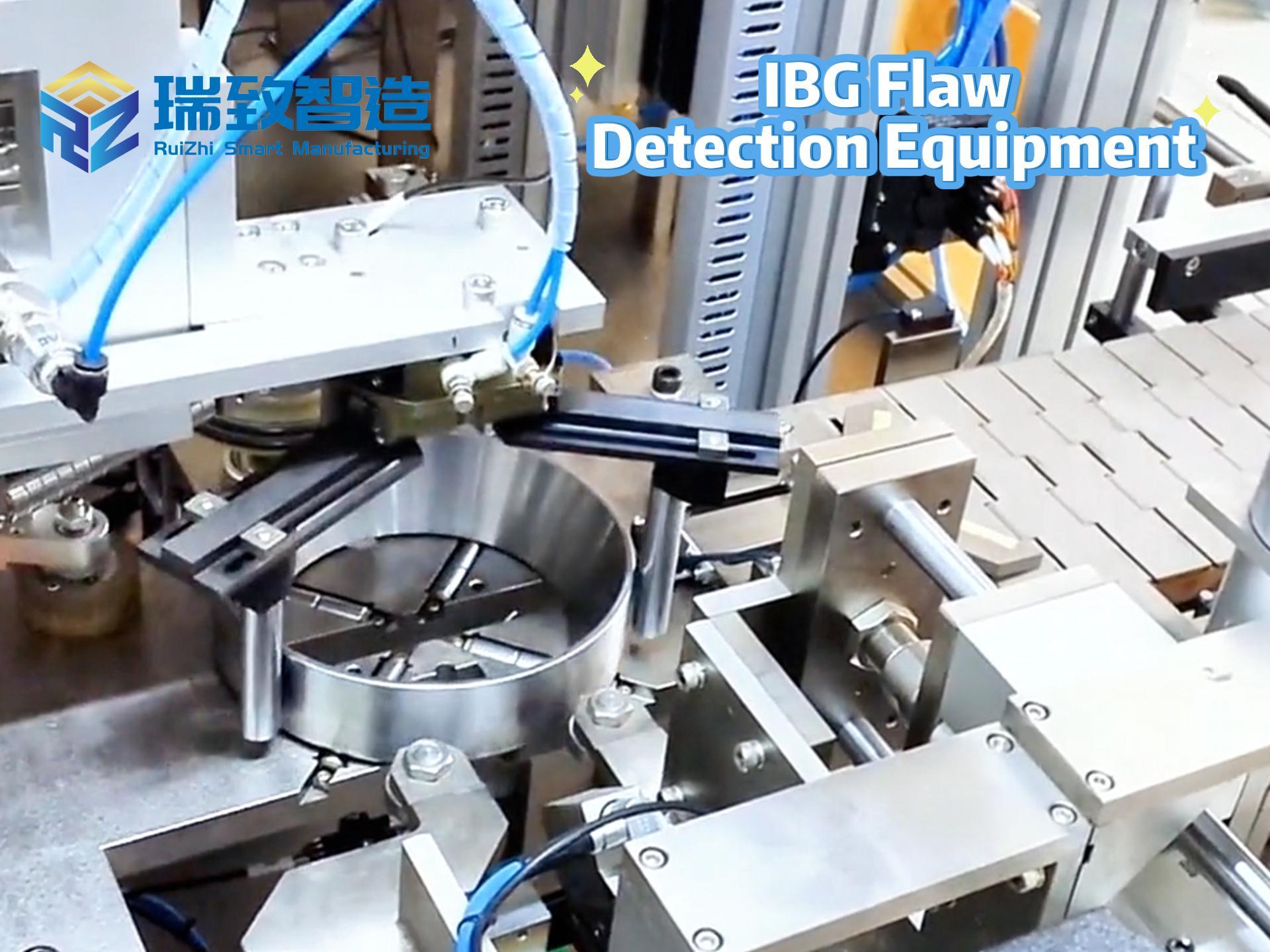
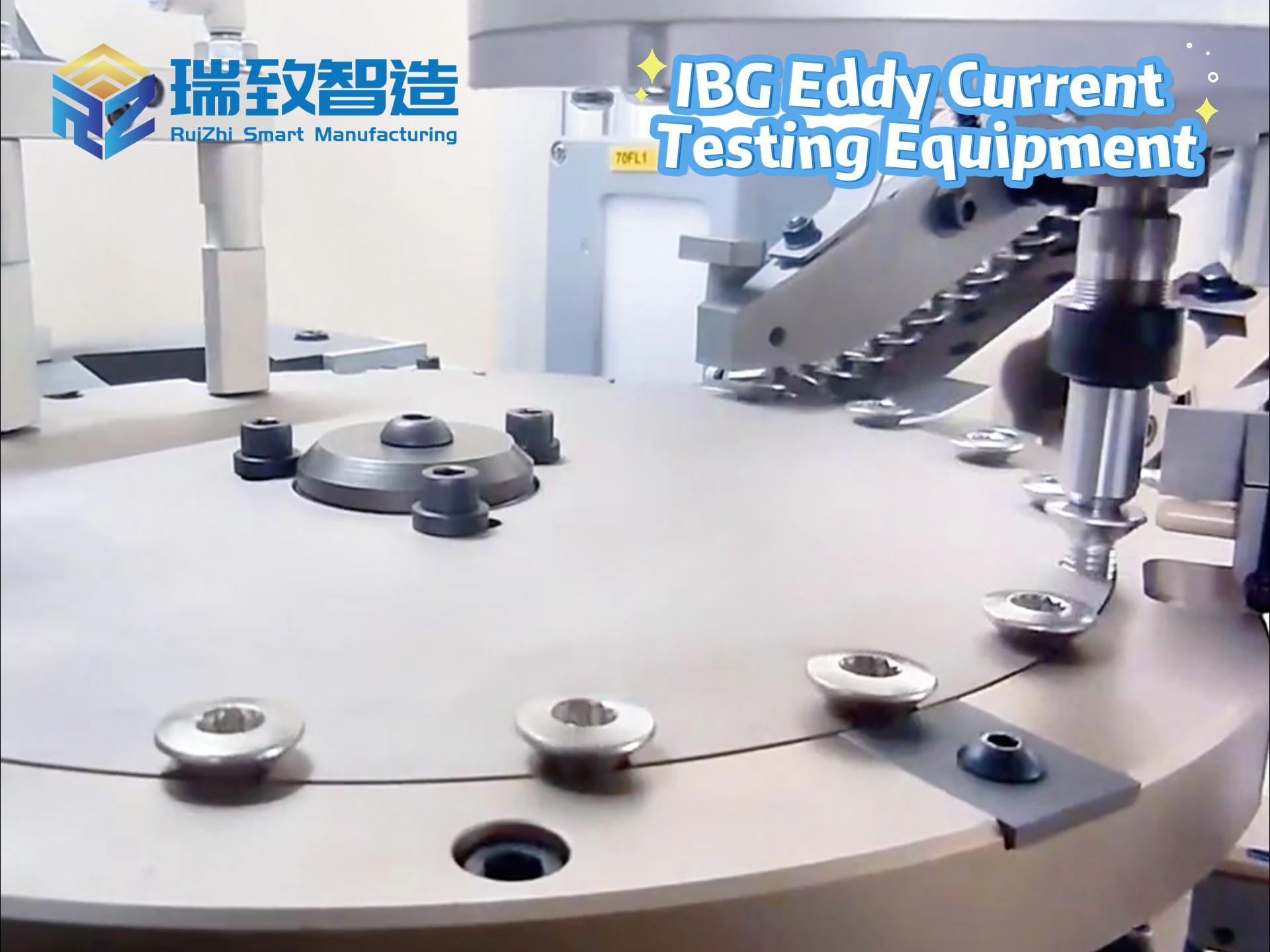
The success of the battery swapping model lies not only in hardware construction, but more importantly in the ability to build an open, collaborative, and win-win industrial ecosystem. Notably, the adoption of high-precision contactor assembly machines in the manufacturing of key electrical components for battery swapping stations ensures the reliability and stability of contactors—core parts that control power transmission during battery swapping—laying a solid hardware foundation for the frequent and high-efficiency operation of swapping stations. The doubling of the number of battery swapping stations by CATL in just one year is driven by extensive industrial cooperation and ecosystem integration.
In the passenger vehicle sector, Chocolate Swap has established strategic cooperation with giants such as Sinopec, State Grid, China Southern Power Grid, Didi, and transportation investment groups in various regions, forming a long-term win-win model of “resource sharing and complementary advantages”. This cooperation not only solves practical problems such as station site selection and power access, but also realizes user diversion, operational coordination, and resource integration through the joint efforts of energy enterprises, power grid companies, mobility platforms, and local state-owned enterprises, collectively expanding the battery swapping market.
In the commercial vehicle sector, Qiji Swap has achieved deeper ecosystem integration. It has jointly launched more than 30 standardized battery swapping models with over a dozen vehicle manufacturers including FAW Jiefang and Shaanxi Automobile Group, unifying battery swapping interfaces and battery standards from the source to avoid the industry chaos of “each building its own stations and using its own batteries”. Meanwhile, it has cooperated with leading logistics enterprises such as JD Logistics, Transfar Logistics, and DHL to verify and promote the battery swapping model in real operational scenarios. In addition, the first co-constructed station with Sinopec has been put into operation, and strategic cooperation has been established with more than 30 expressway and transportation investment companies nationwide, including Chongqing Expressway and Jiangxi-Guangdong Expressway, to jointly layout new infrastructure for heavy-duty truck battery swapping. This in-depth collaboration across the entire chain of “vehicles, stations, batteries, operations, and scenarios” has greatly reduced promotion resistance and accelerated network construction.

Scale Effects Unfold: Multi-dimensional Value & Strategic Significance
The battery swapping model has long faced doubts, mainly focusing on whether its high heavy-asset investment can achieve profitability through scale effects and whether it can bring users an experience value surpassing that of charging. The completion of CATL’s 1,325-station network indicates that it has crossed the initial investment threshold and entered the stage of releasing scale effects.
For users, the increase in network density directly translates to a leap in convenience. Passenger vehicle users can more easily find battery swapping stations in urban core areas and around major trunk roads, while commercial vehicle drivers can obtain reliable energy supplementation guarantees on major trunk lines, greatly alleviating range anxiety. At the same time, large-scale operations help reduce the cost of a single battery swapping service, laying the foundation for more competitive service pricing in the future.
For CATL, the battery swapping station network is a key starting point for its transformation from a battery manufacturer to an energy service provider. Through the battery swapping business, the company can deeply bind the full-life-cycle management of batteries—from factory shipment, operation, echelon utilization to recycling. This not only creates new profit growth points (battery leasing, energy services) but also feeds back into battery research and development, improves product safety and performance, and consolidates its core technology moat by real-time monitoring of battery swapping data.
For national strategies, the battery swapping network is an important means to improve power grid stability and absorb renewable energy. Through centralized charging and distributed battery swapping, it can achieve “peak shaving and valley filling” of power grid loads; battery swapping stations themselves can also serve as distributed energy storage units to participate in power grid regulation. This is fully in line with the national “dual carbon” strategy and the direction of building a new power system.
Opportunities & Challenges: The Path Ahead for Battery Swapping Industry
Based on the current momentum, Chocolate Swap plans to build over 3,000 battery swapping stations in more than 140 cities by 2026, simultaneously launching the construction of an expressway network with a long-term target of 30,000 stations. In addition, it will open a franchise program to attract social capital to participate jointly, further accelerating network expansion.
Qiji Swap, on the other hand, plans to build 900 stations by 2026, expanding the trunk lines from “Two Horizontal and Two Vertical” to “Five Horizontal and Five Vertical”, and aims to build an “Eight Horizontal and Ten Vertical” green logistics network covering 80% of the national trunk line capacity by 2030.
Despite the remarkable current achievements and clear future goals, there are still considerable challenges ahead for CATL and even the entire battery swapping industry: The primary challenge is standard unification. At present, the dimensions, interfaces, and communication protocols of passenger vehicle battery packs have not been fully unified, restricting the promotion of cross-brand battery swapping. Although progress has been made in the commercial vehicle sector through cooperation between vehicle manufacturers and energy enterprises, it will still take time to become a universal industry standard. Secondly, there is the issue of achieving sustainable commercial operations. The high cost of building and operating battery swapping stations requires a sufficient user scale and battery swapping frequency to amortize costs, which places extremely high demands on the accuracy of network planning and operational efficiency.
However, against the backdrop of the “dual carbon” goals, transportation electrification has entered a deep-water zone, and energy supplementation infrastructure has become a key bottleneck restricting industry development. With its high efficiency, intensiveness, and grid-friendly characteristics, the battery swapping model is expected to become an important part of the new energy vehicle energy supplementation system. With its advantages in scale, technology, and ecosystem, CATL is attempting to play the role of a definer and promoter.
In the next few years, with the increase in network density, gradual unification of standards, and proven business models, battery swapping is expected to shift from an “optional” to a “necessary” option, becoming an important part of the user experience of new energy vehicles. In this energy infrastructure revolution, CATL has already made an early move and laid out a grand strategy.
Examples of Robot Automatic Assembly Lines
Advantages of Artificial Intelligence Automatic Assembly Lines